
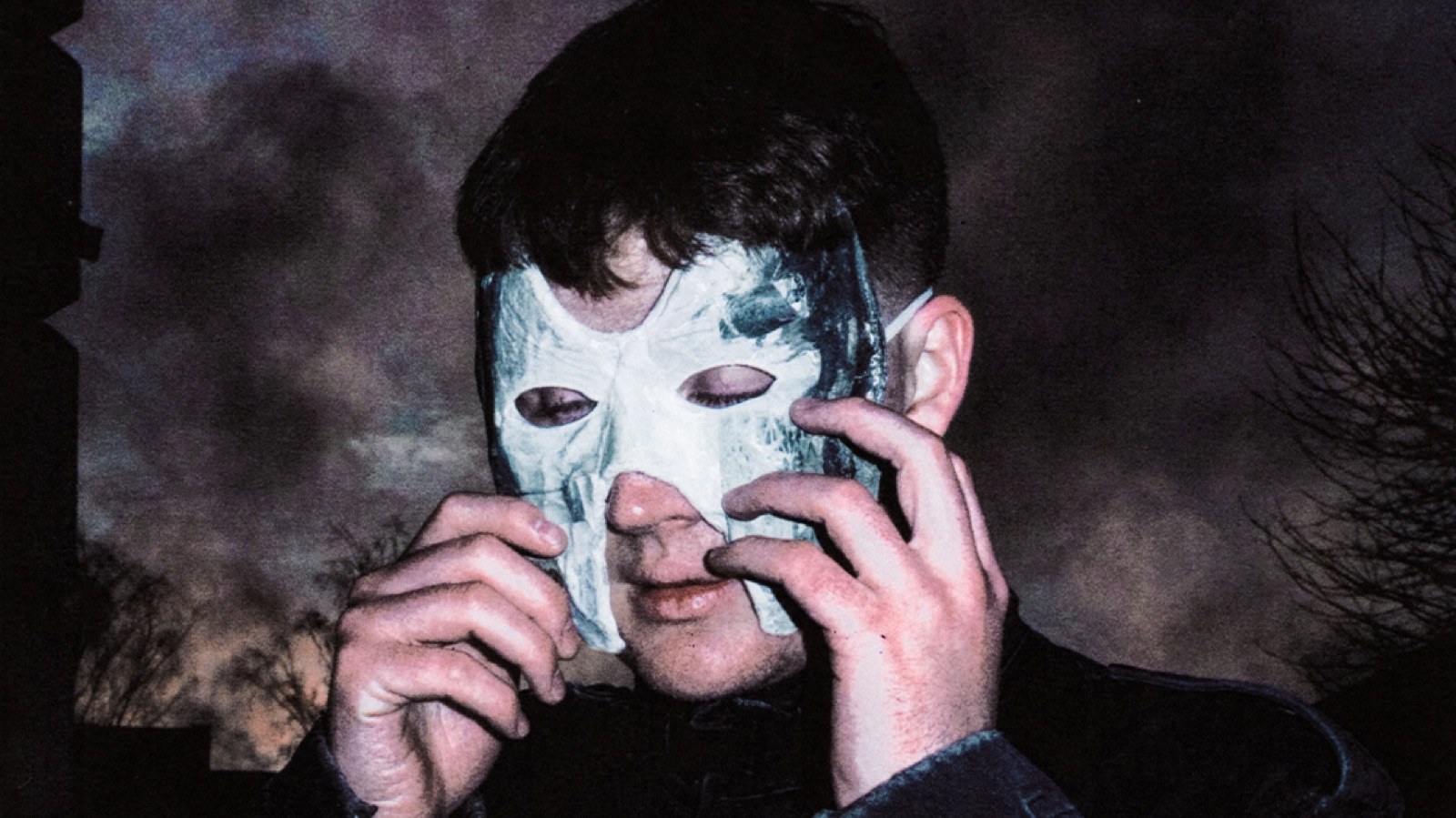
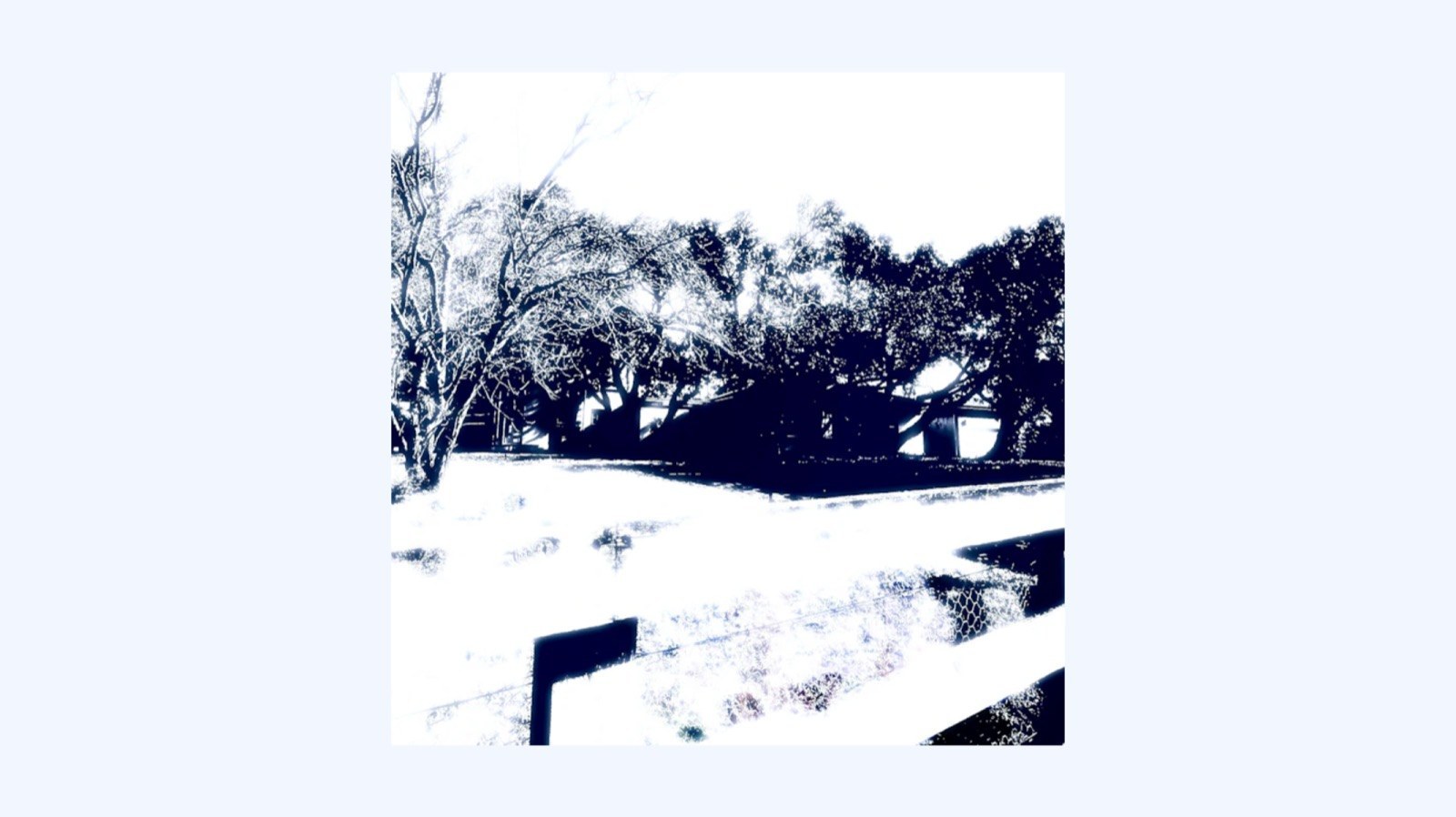
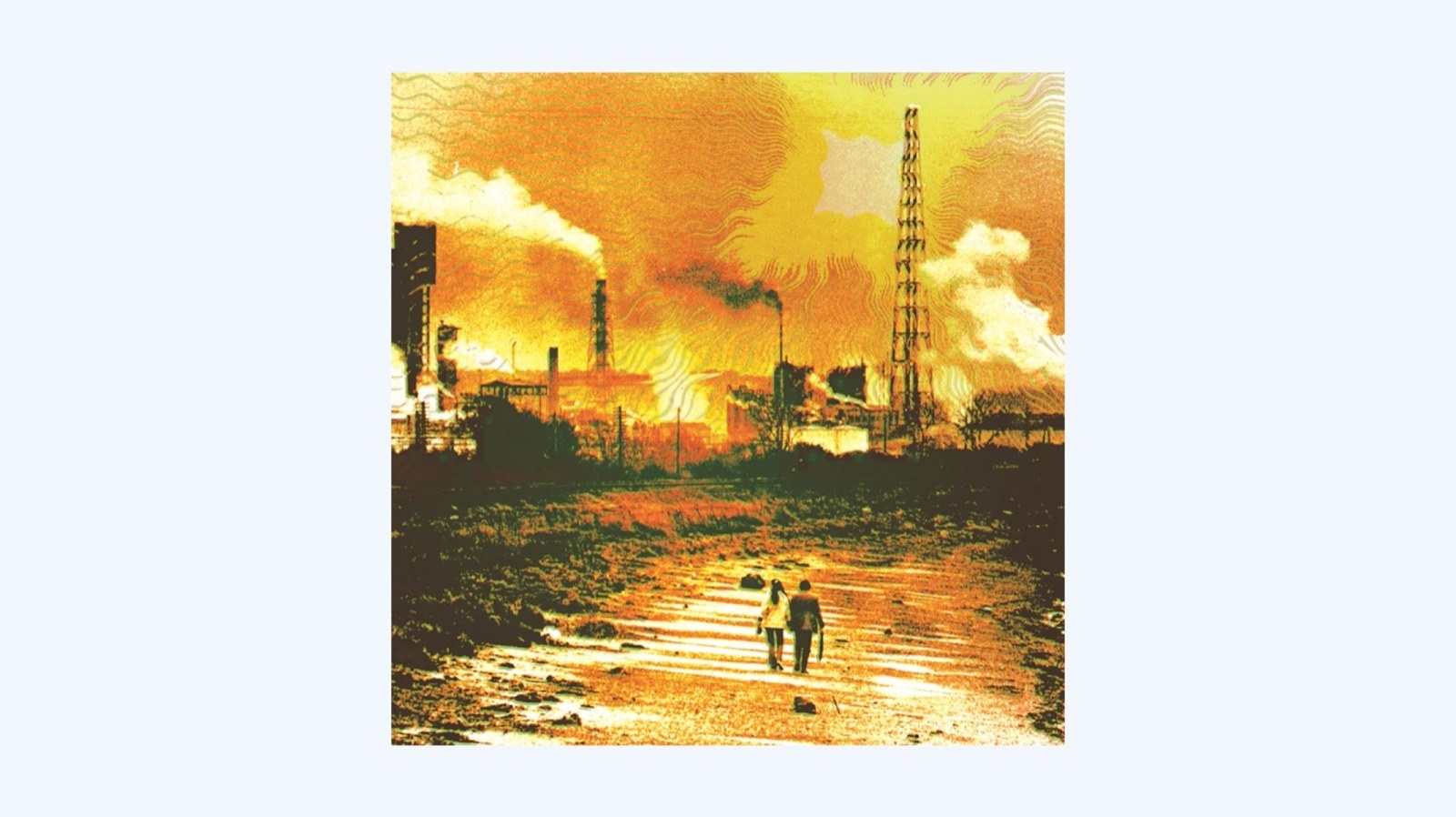
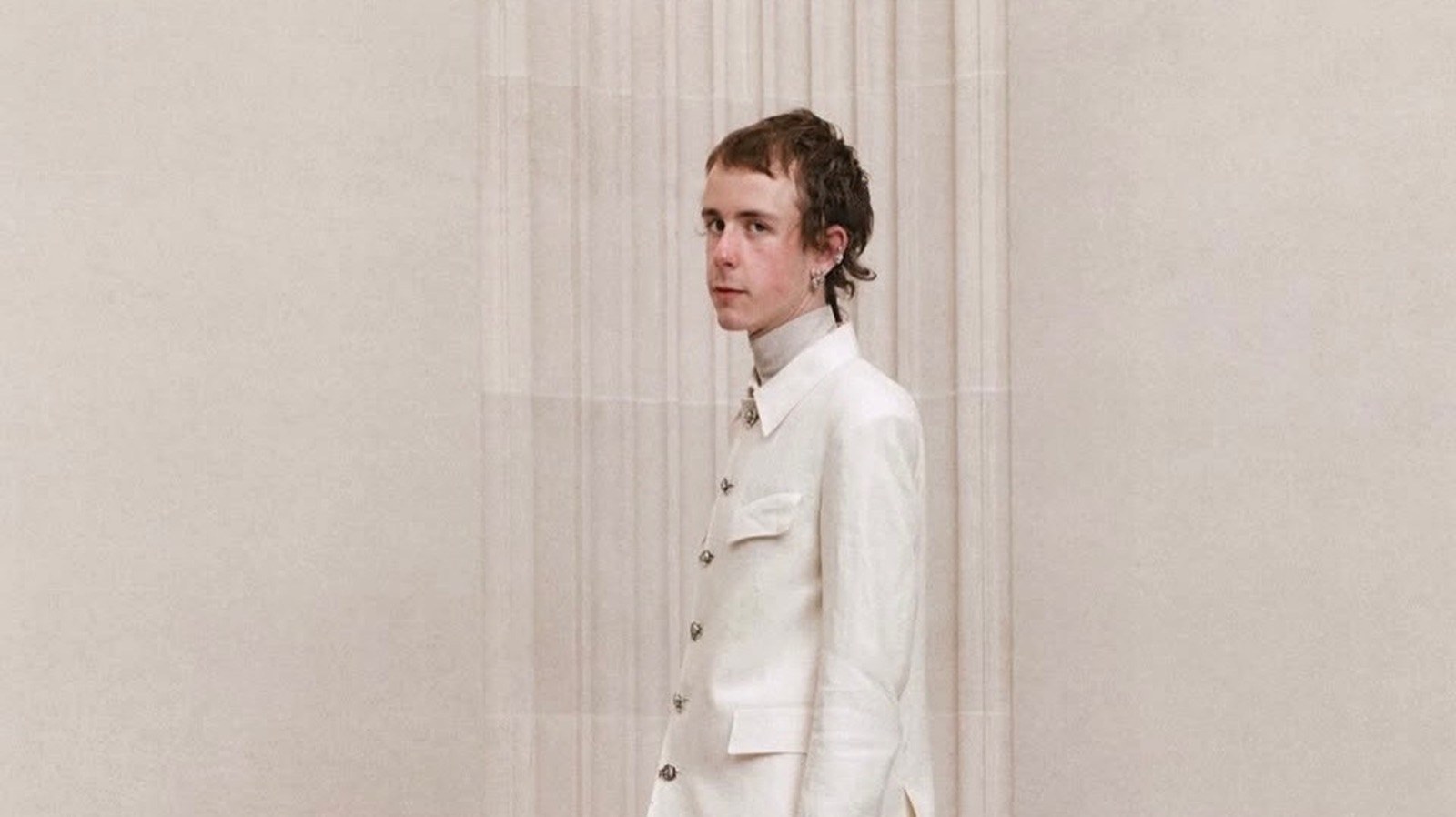
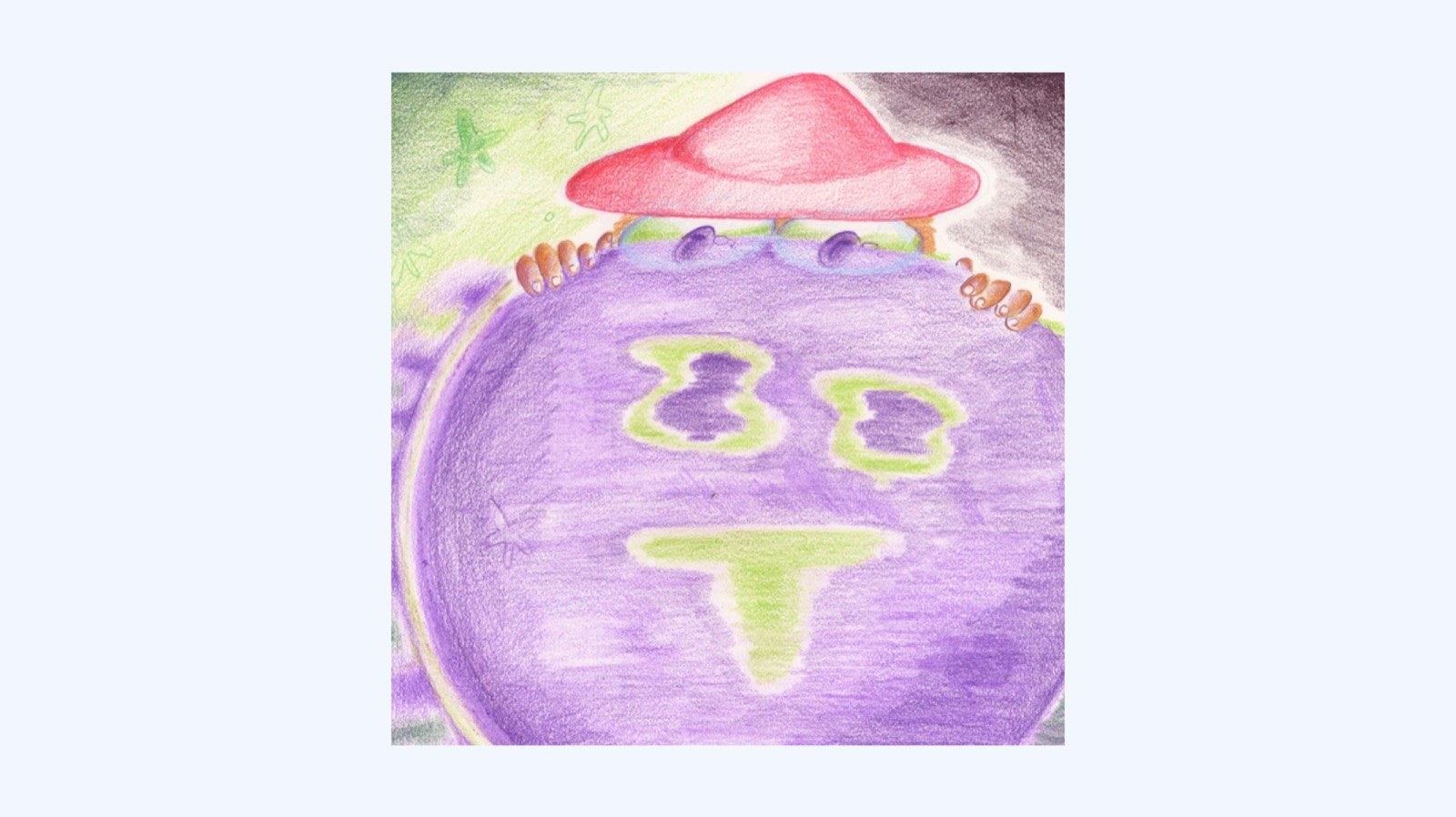
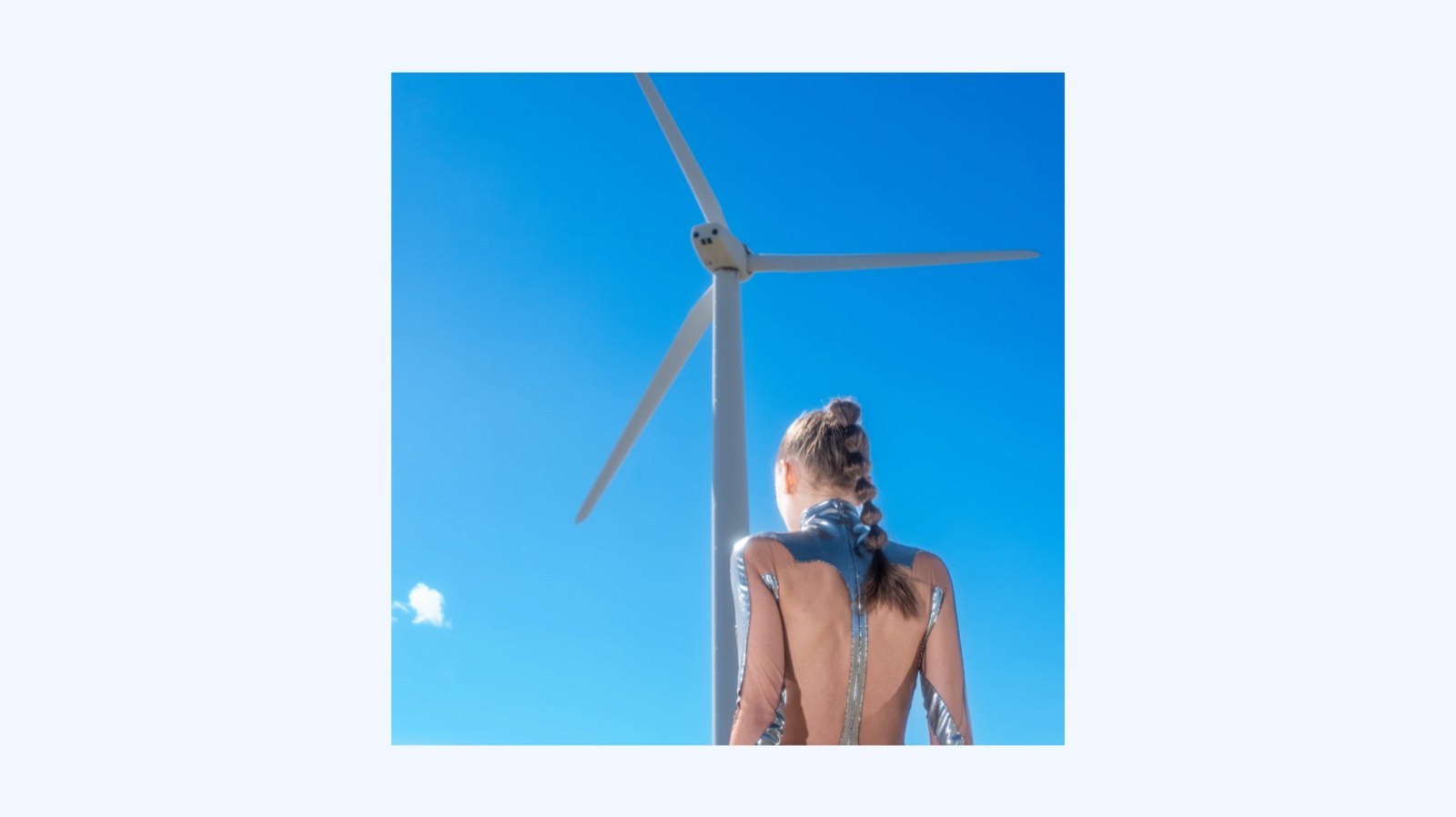
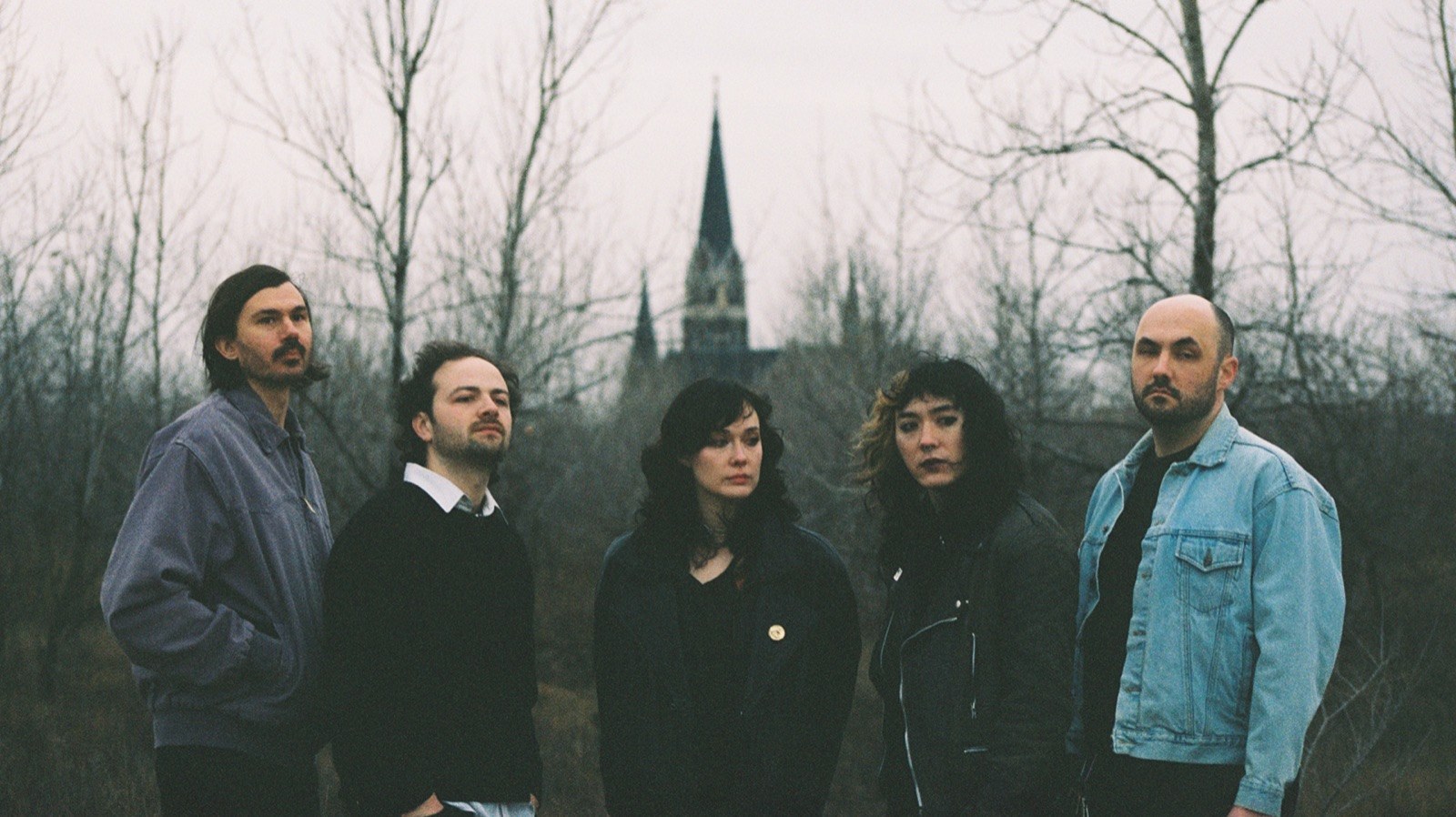
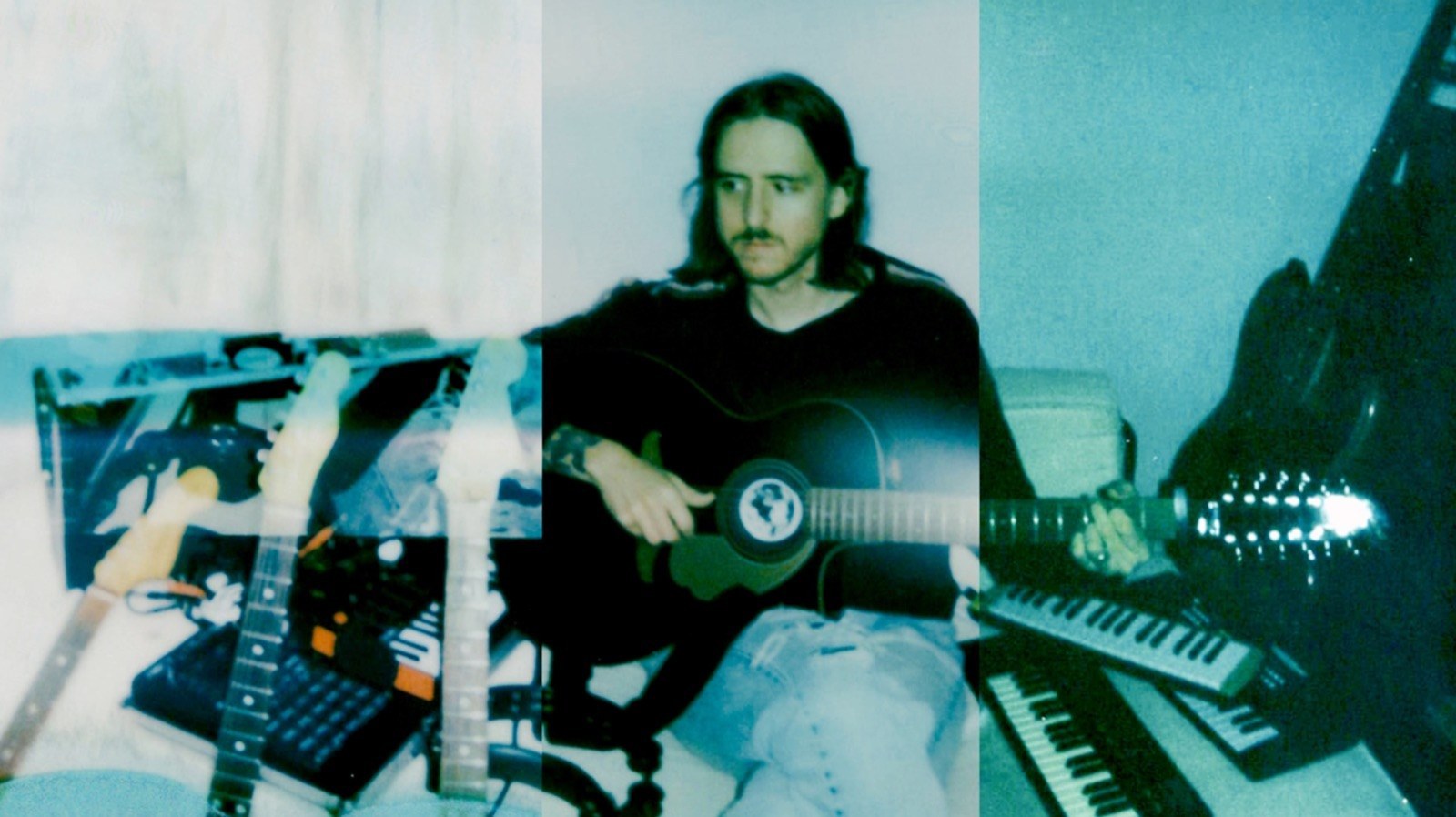
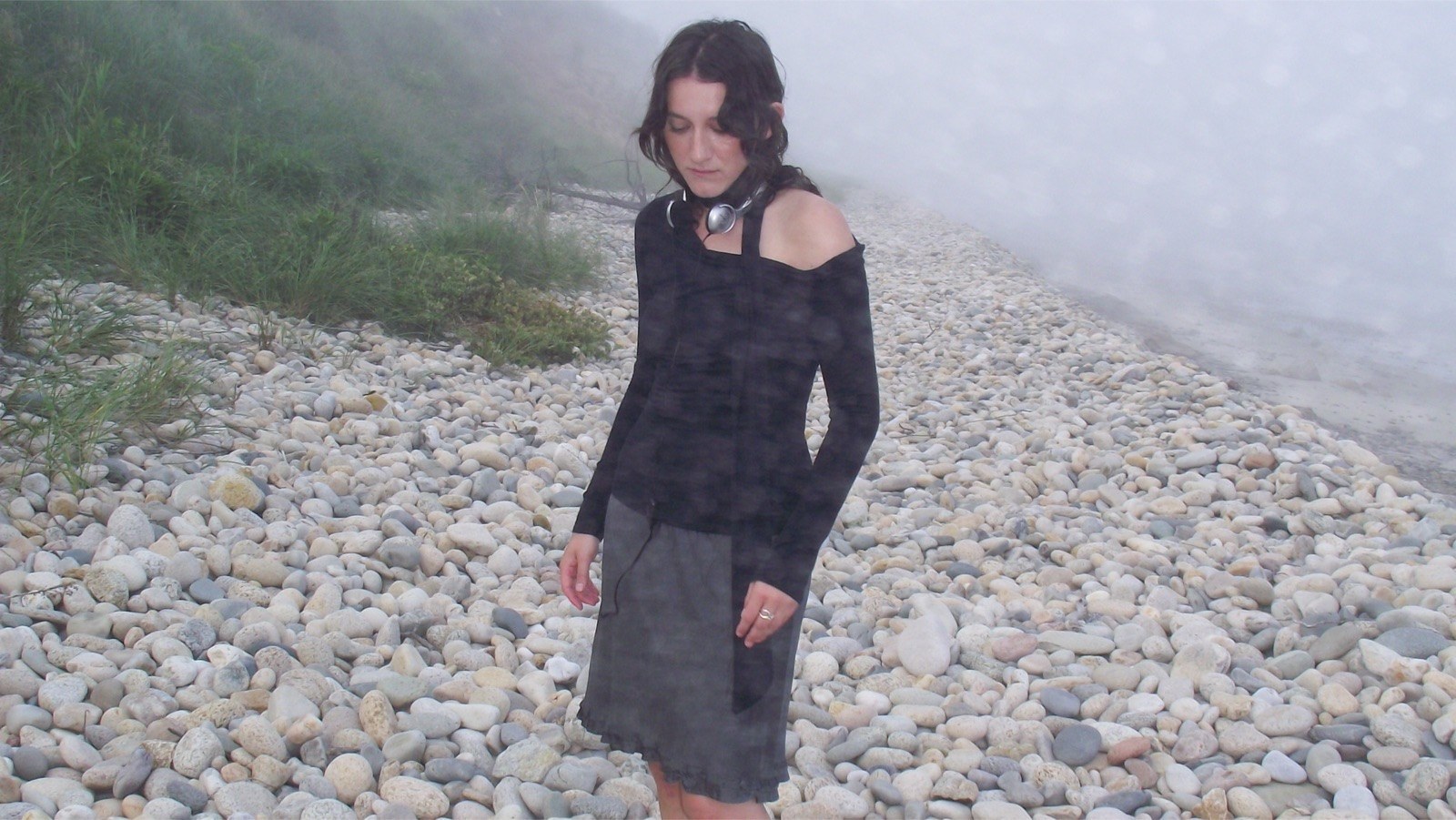
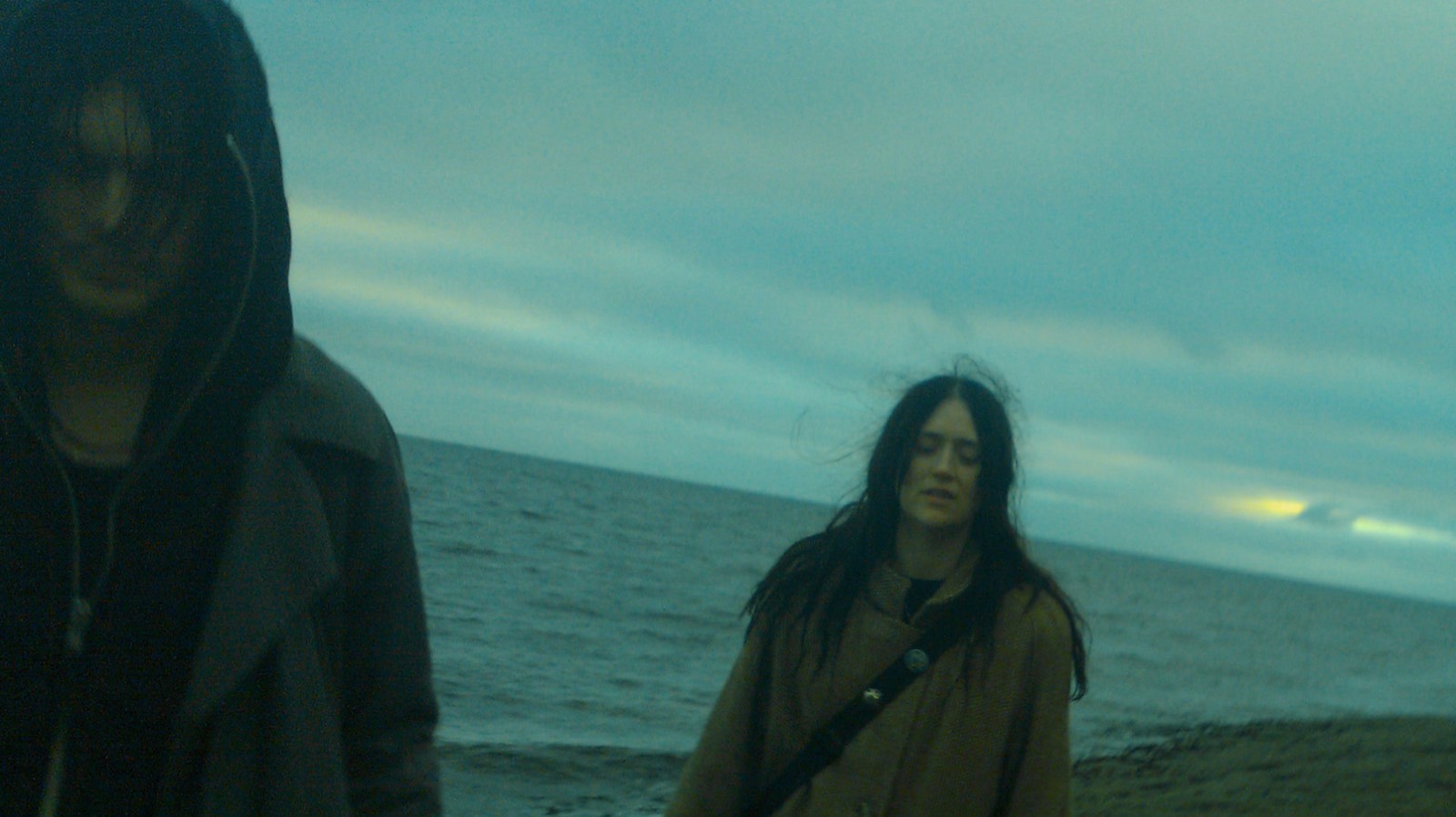
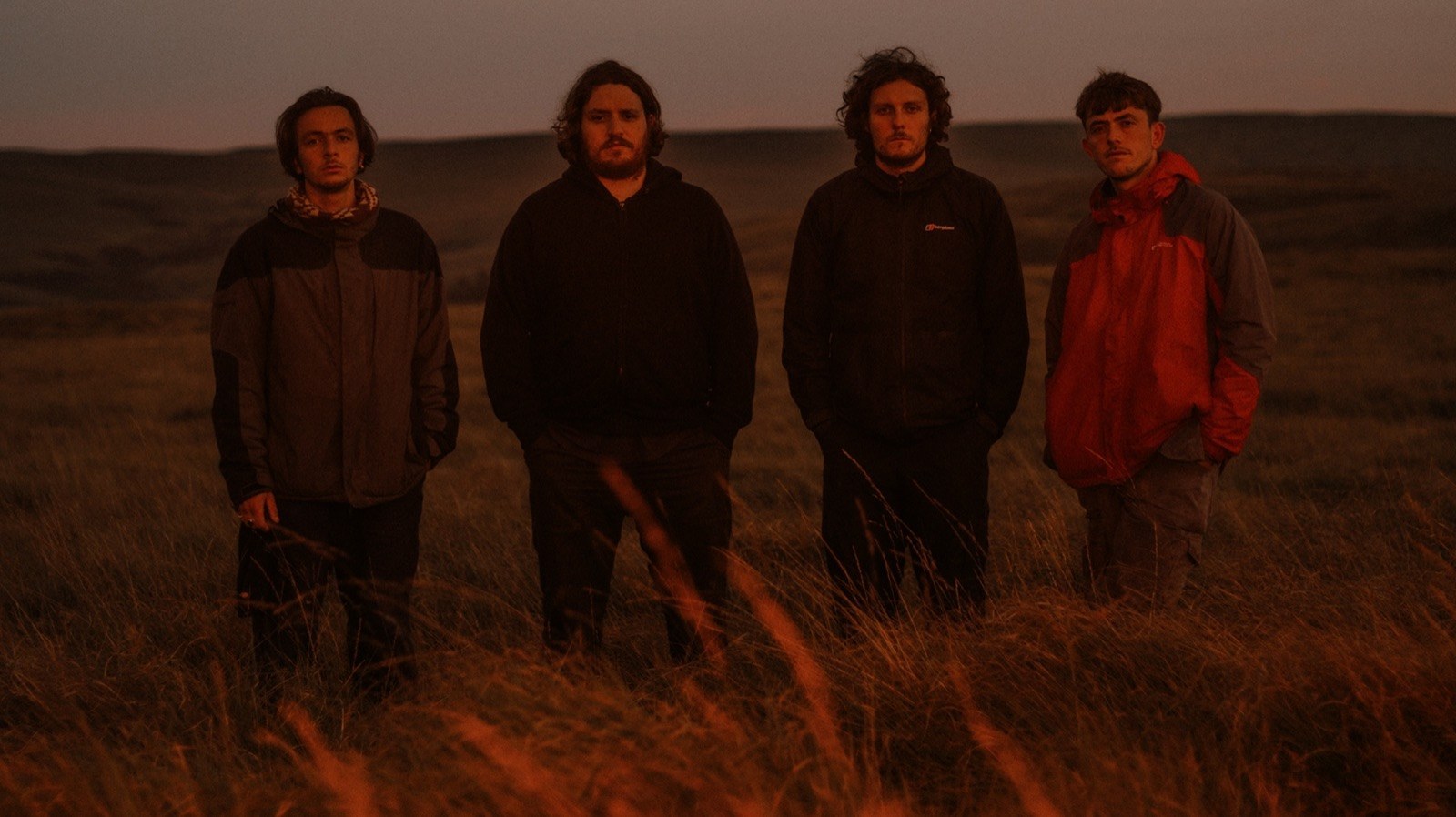
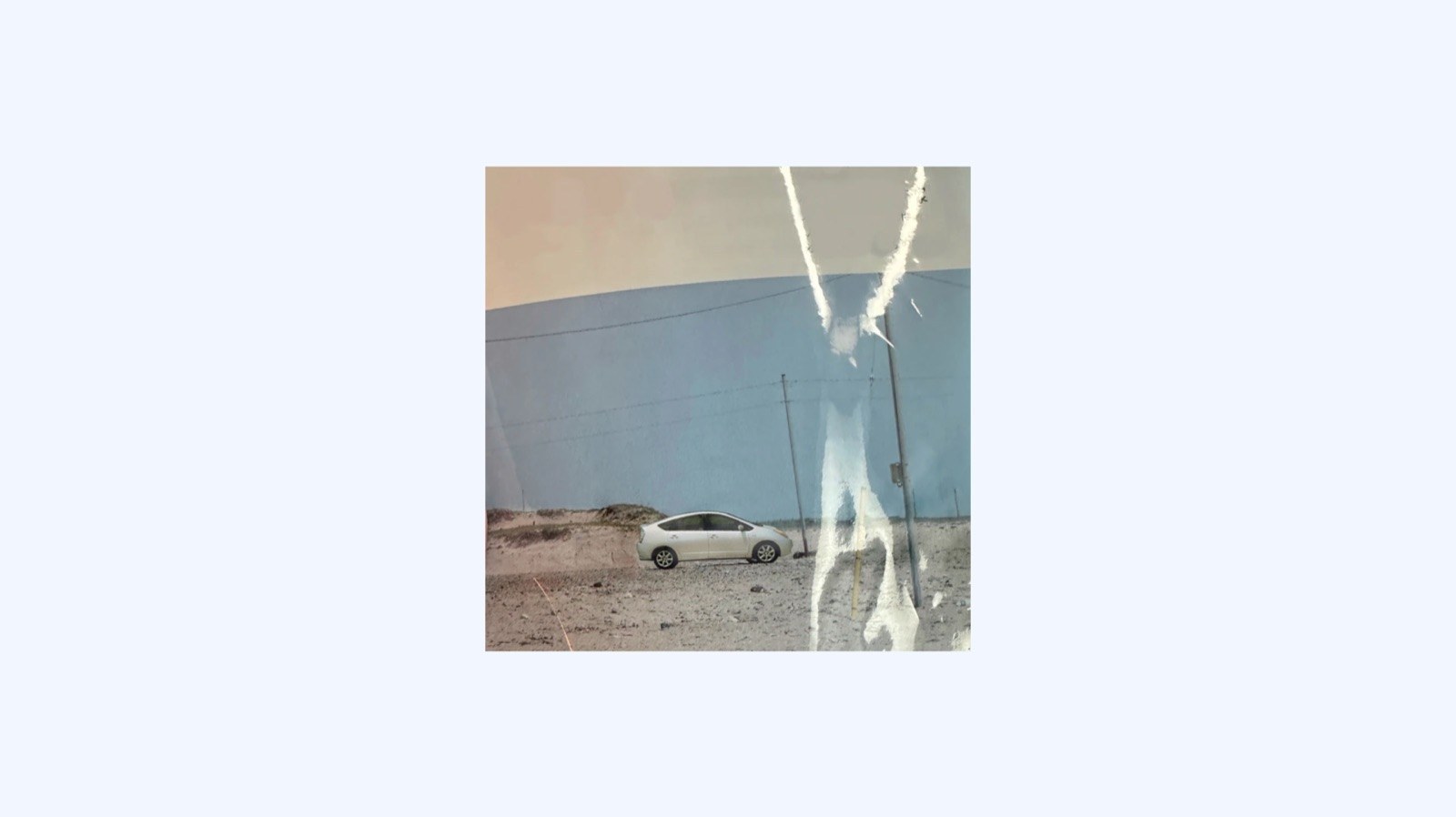
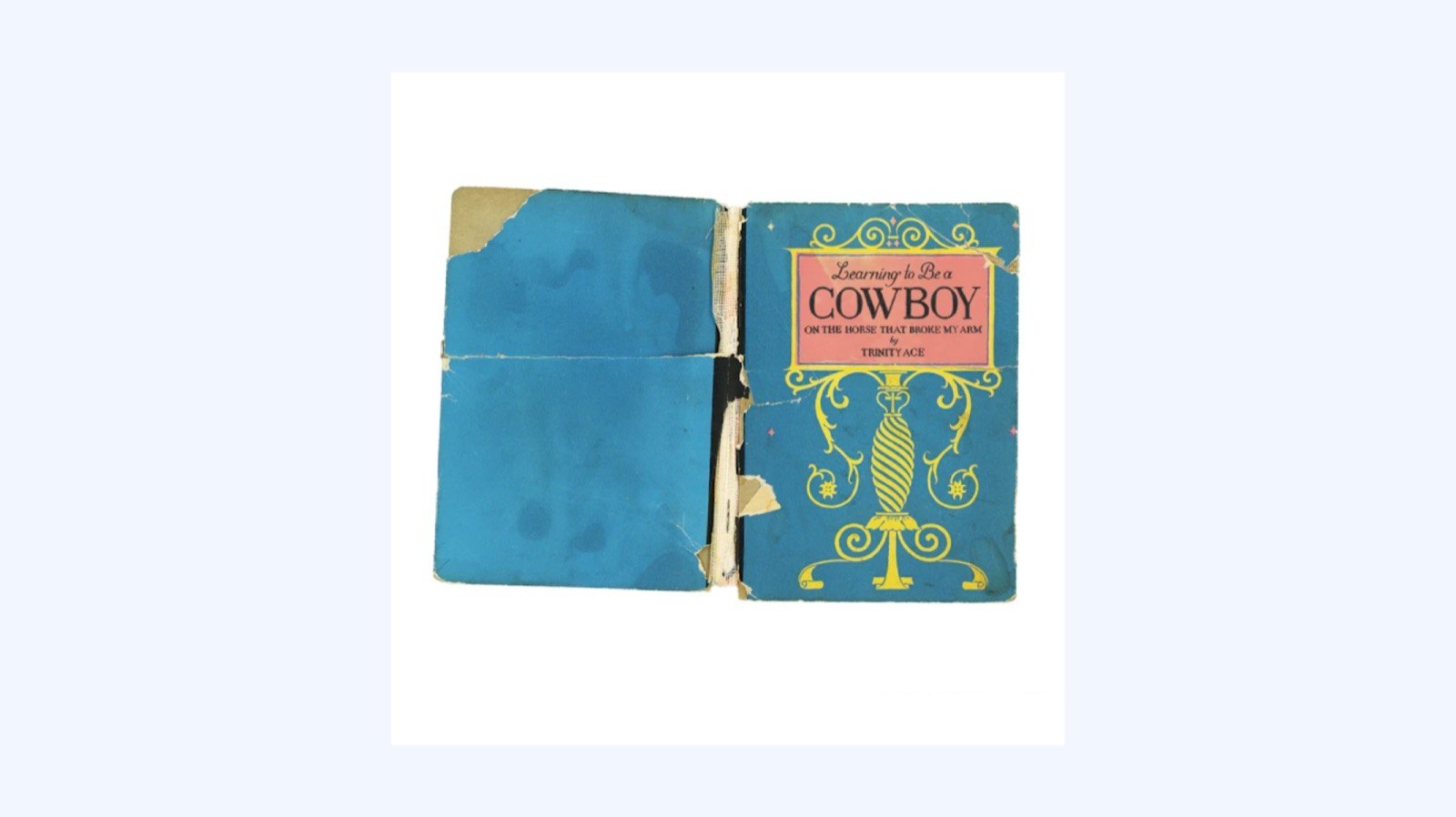
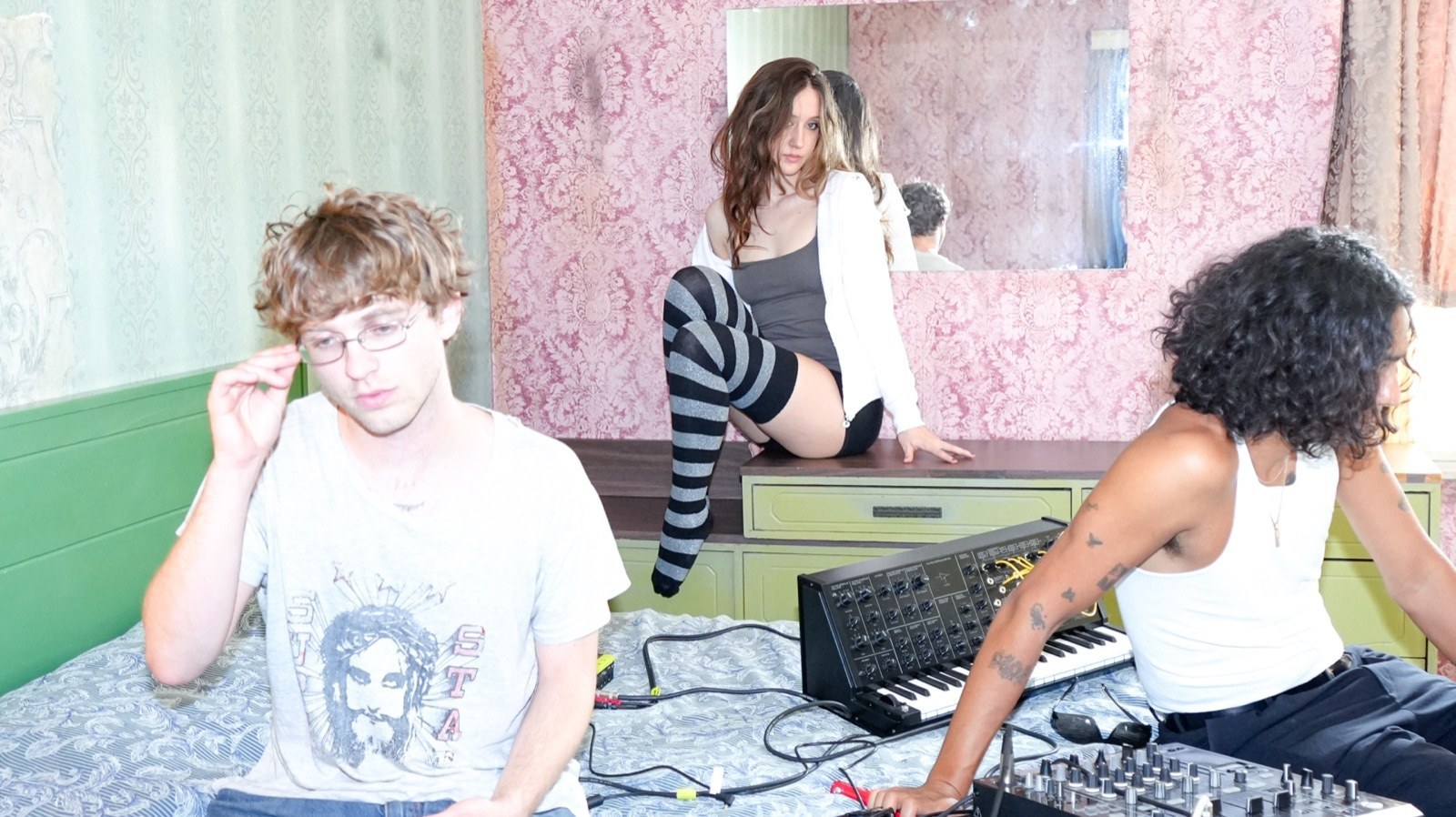
The third album by the London-raised artist Westerman was mostly written in Athens, Greece and then recorded on the Greek island of Hydra. During our interview, Will Westerman told us about his daily life in Hydra, which no doubt informed the outcome of the record, which was mostly made at night, the only time the heat was bearable. On A Jackal’s Wedding, the artist’s bedrock sound—a synthesis of cutty indie and pop moves often compared to Arthur Russell and John Martyn—is taken into a more bleary-eyed, exploratory space. It drips with condensation but still keeps its cool. Read our interview with the artist, and listen to the record below.
We really like your album title. Where does it come from?
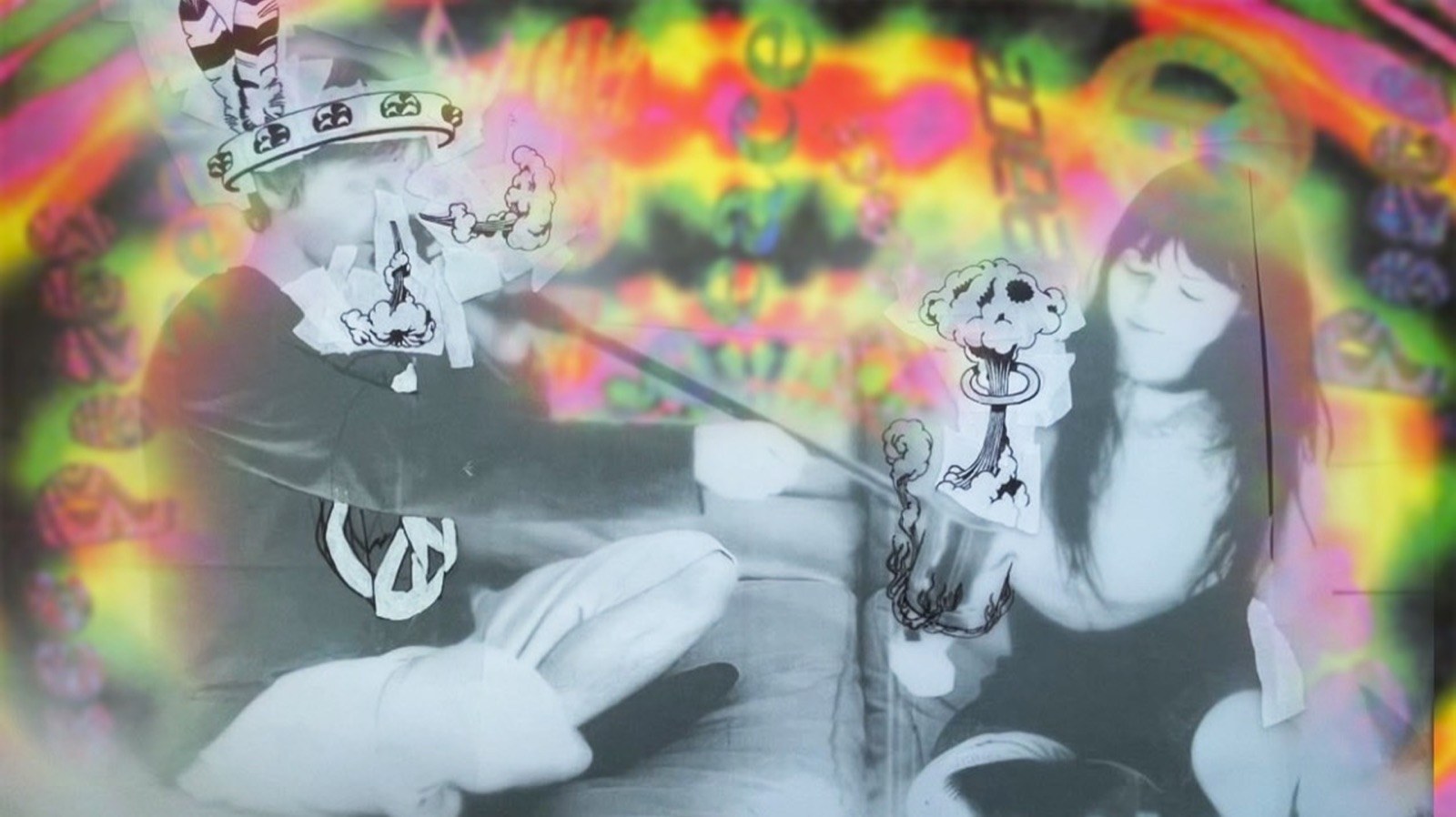
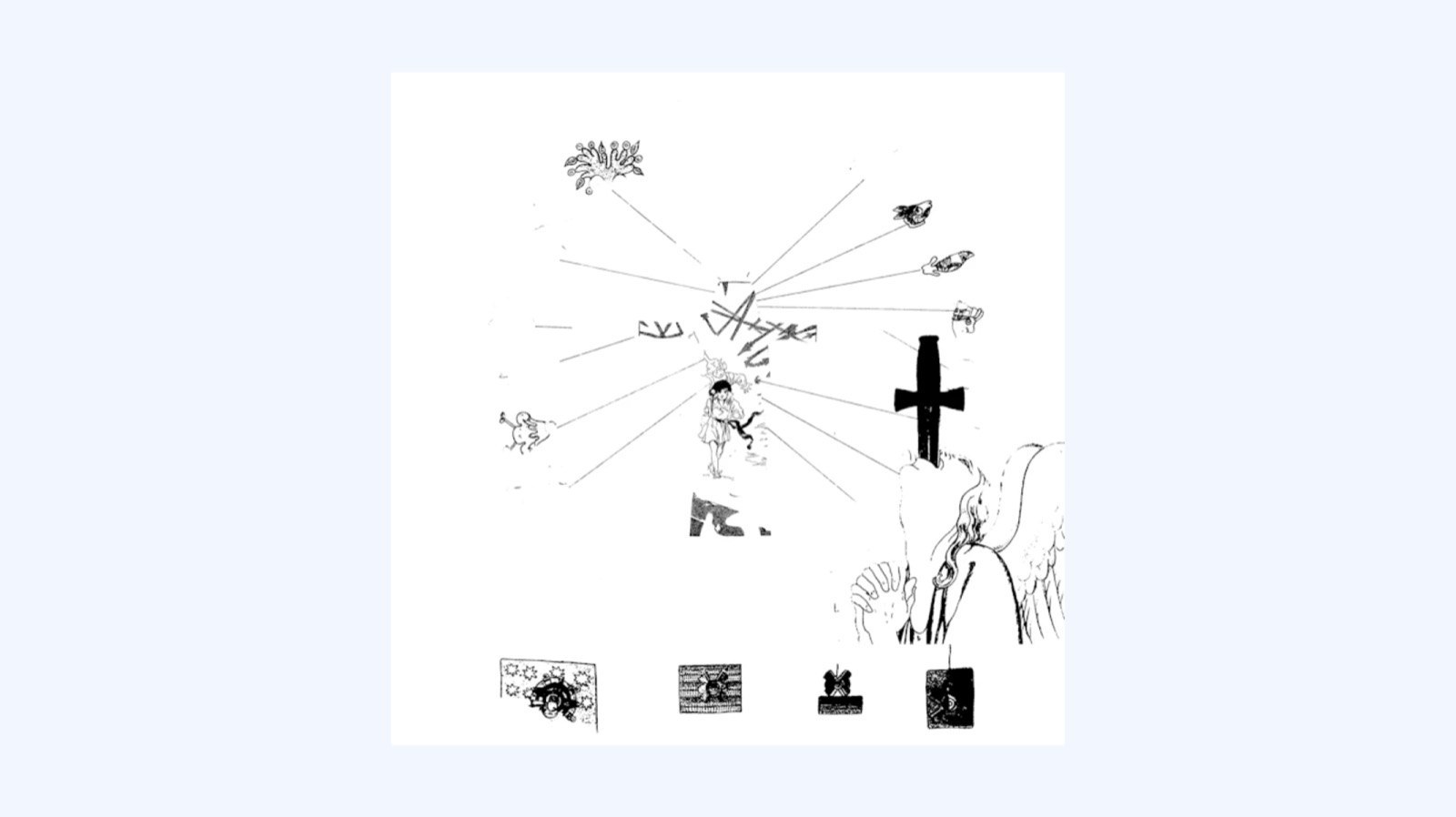
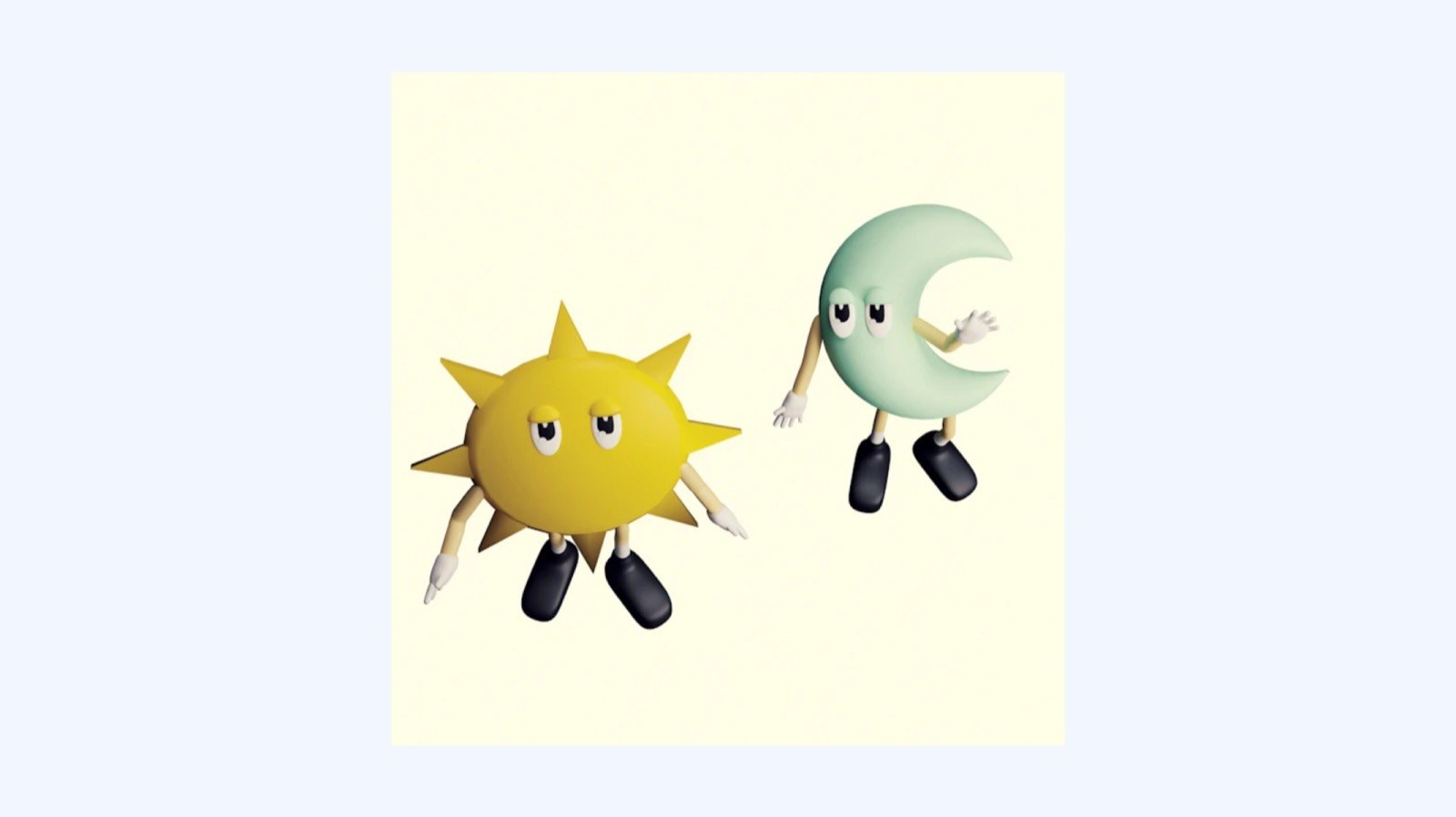
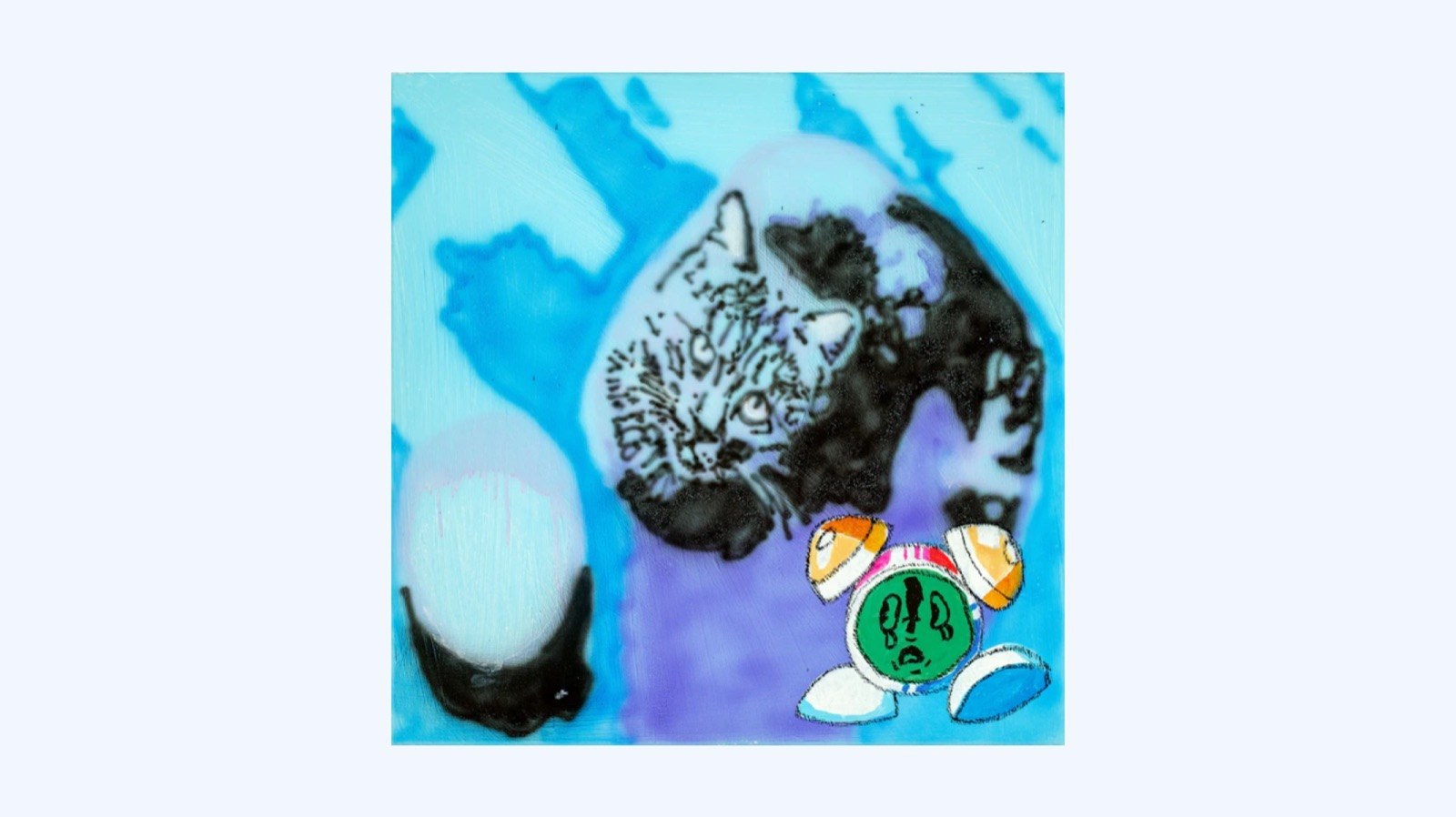
Westerman: It’s a natural phenomenon which we observed while driving across a plain in Minnesota. Matt Davidson pointed at it and said, “They call that a jackal’s wedding.” I already had an idea in my head of how I wanted to present the record aesthetically, and it fell into place. I have listed many other idioms which people all over the world have come up with to explain a sun shower, a thing which should not be possible but somehow is.
Recording a record on the Greek island of Hydra sounds really fun and special. Could you share some memories from that experience?
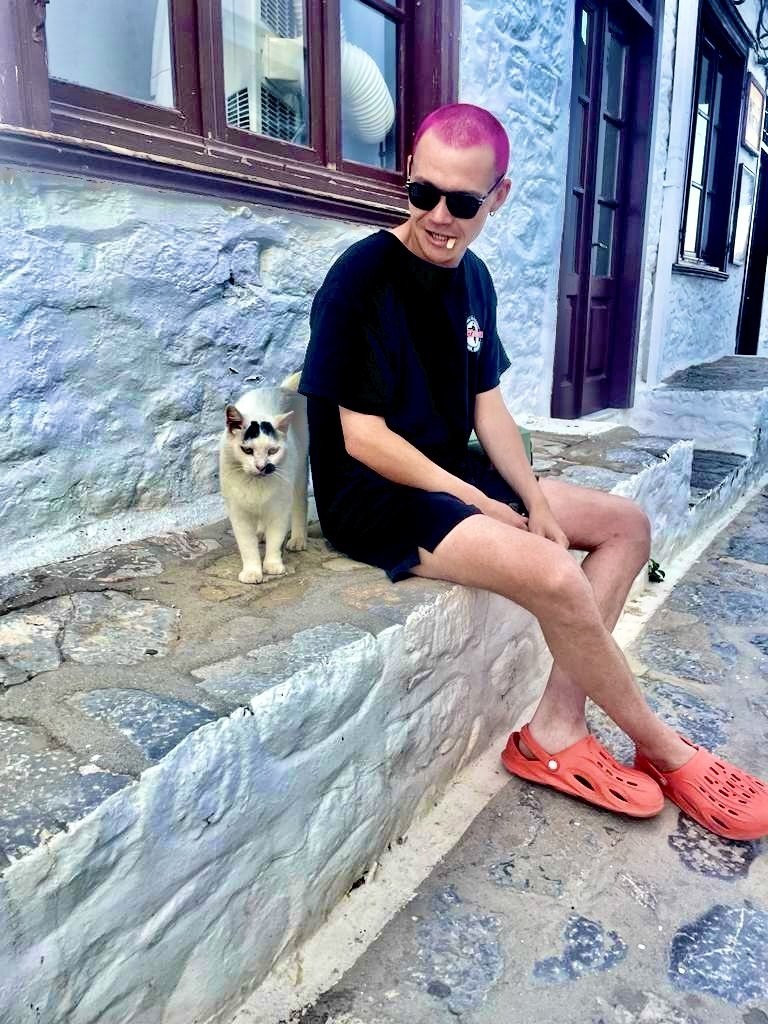
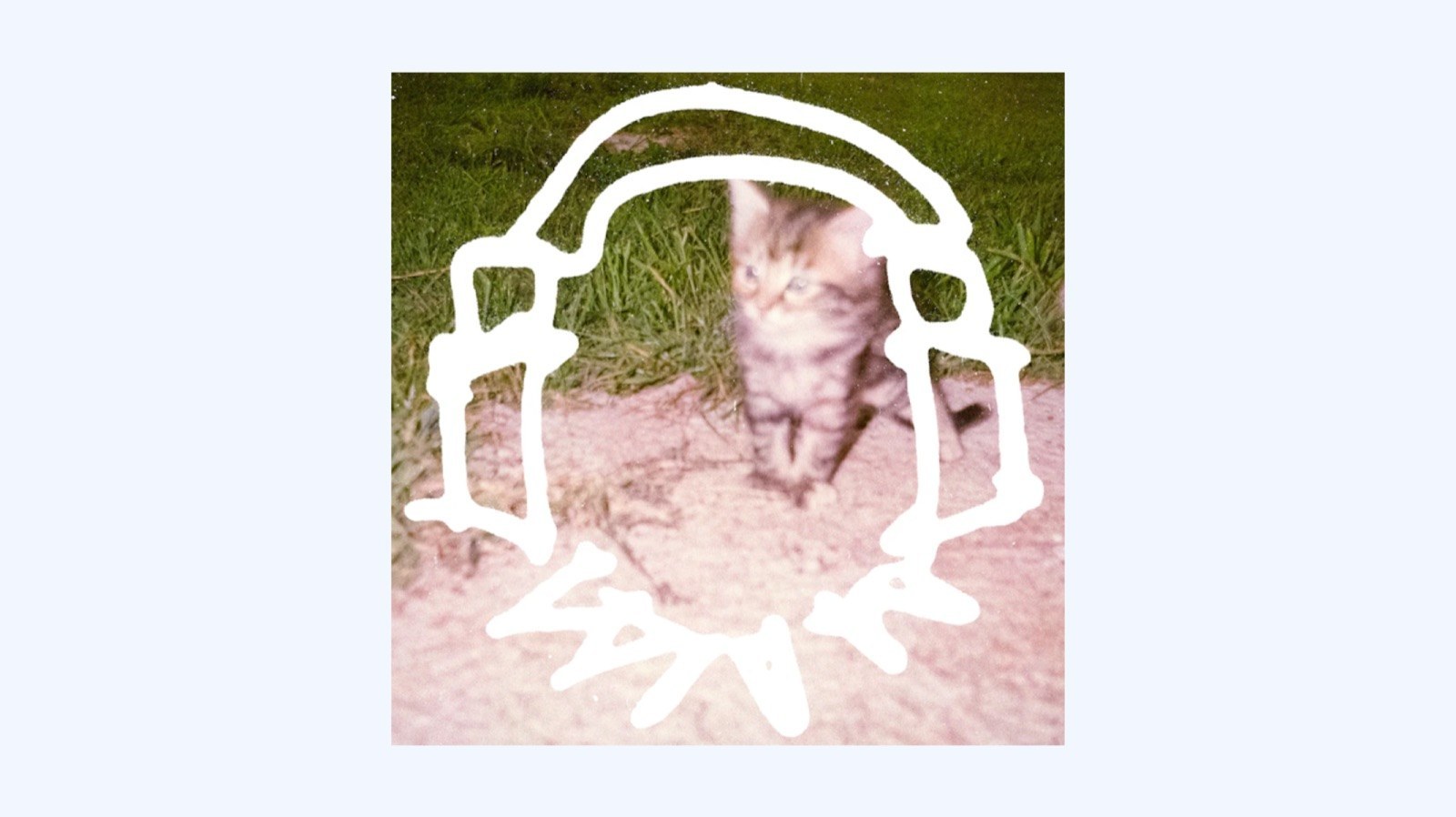
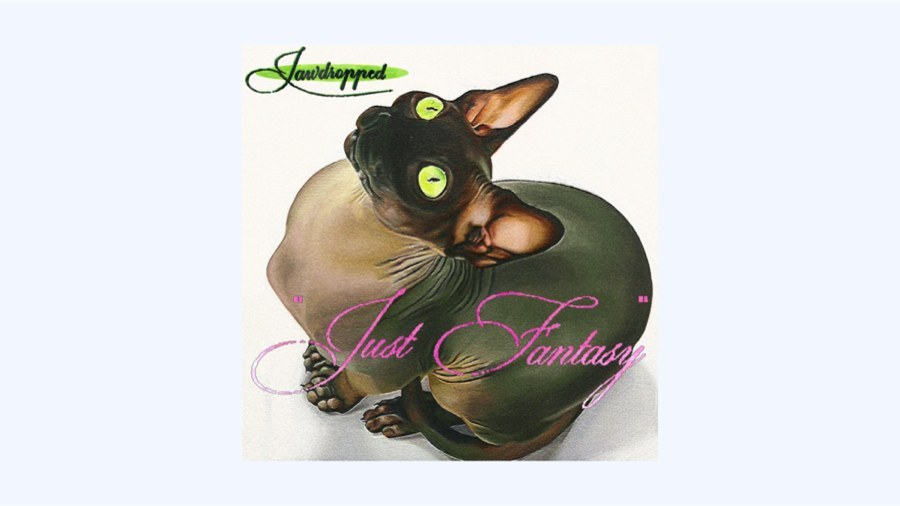
We made these recordings mostly in the night hours to escape from the heat, it is brutally and incessantly hot in Greece during July and August. You can still hear the cicadas on a few of the tracks. I would wake up at 8 every day having gone to bed at half 5 as the man who empties the bins for the top part of the town would do so 10 feet from the open window and my sleeping head. I’d play the piano and wait for Marta to wake up. We would walk down to get a spanakopita for breakfast and to a jump off and into the blue at Hydronetta. Then we would talk about what we would try and do when it got dark. There are no cars on Hydra, only mules. Walking down to the port is easier than walking back up to The Old Carpet Factory. I remember passing a cat most times we did this which Marta called Adolfo due to his appearance resembling the fascist dictator. Here is a picture of him:
You've talked about how the parameters of the record were shaped by the time and place in which it was recorded. With that said, how much post-production did you allow yourself to take part in?
The main post production was shaping the sound of the recordings that we made, to push and pull at certain frequencies to bring out what was already there. We did add some cello, Laura Moody sent some fantastic cello which we added. But really it was otherwise very minimal. It took a long time anyway.
What excites you the most about this new album, in comparison to your first two?
It is less rigid in many ways, which makes it more of a blank canvas to play live. There are fewer written elements, the atmosphere is distinct. So it can be played in a number of ways while still feeling the same.
Is there a percentage of the songs you write that never make it past the demo stage? How important is it for you to have the freedom to write something that you ultimately end up discarding?
Most of the songs I write do not get past demo stage. I think you learn a lot by writing, looking at it, and realising it is lifeless and of no value. It’s part of it.
What kind of music have you been listening to lately? Anything that might be mildly surprising?
I’ve been listening to Thin Lizzy a lot. Billy who was doing sound for us on the North American leg of this tour we are on was playing Bad Reputation and it’s got me back into it. I love Thin Lizzy, unbelievably good.
Someone has an afternoon in West London. Where should they eat and drink?
I don’t know, I haven’t spent much time there in years.





.png)