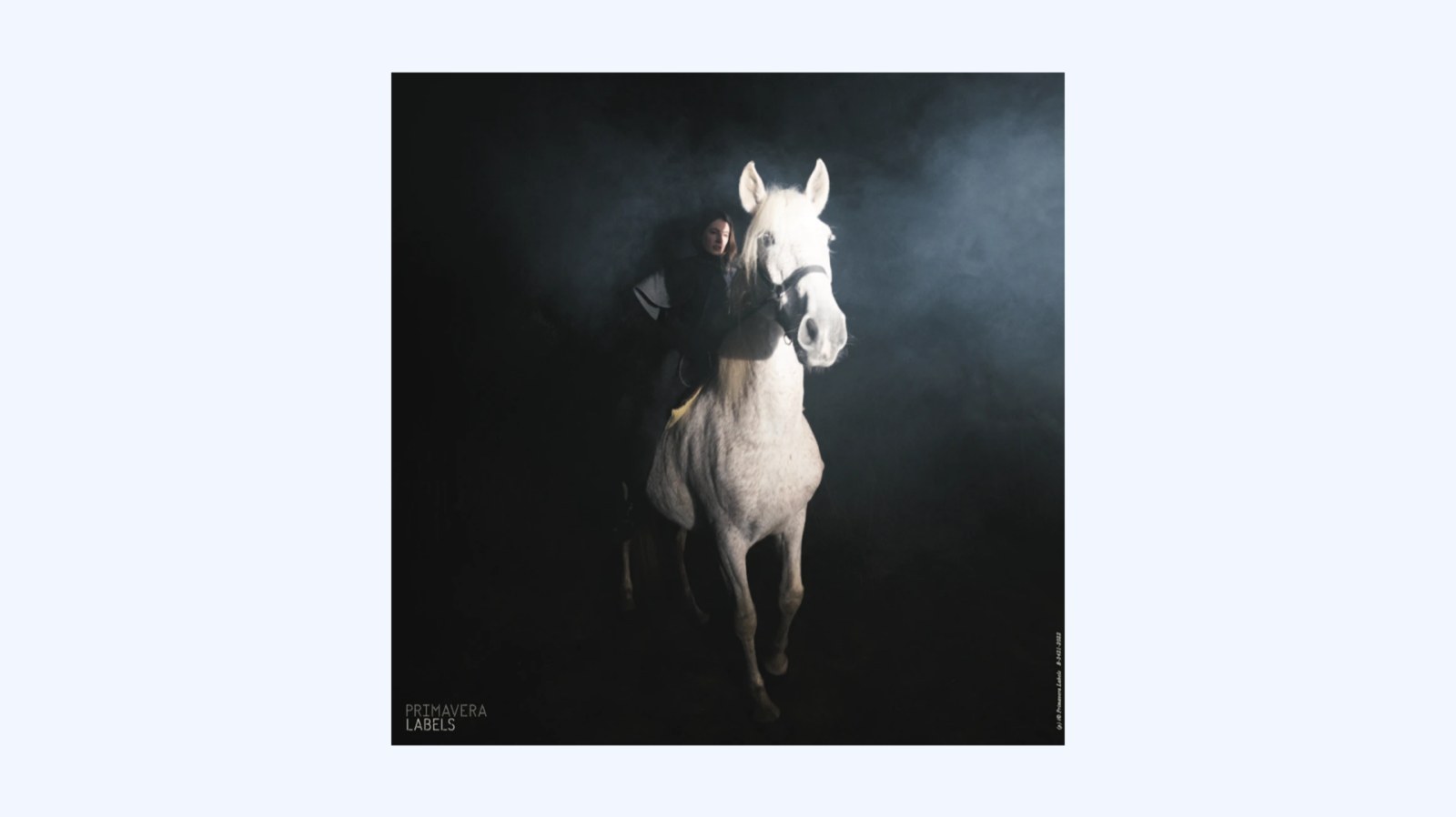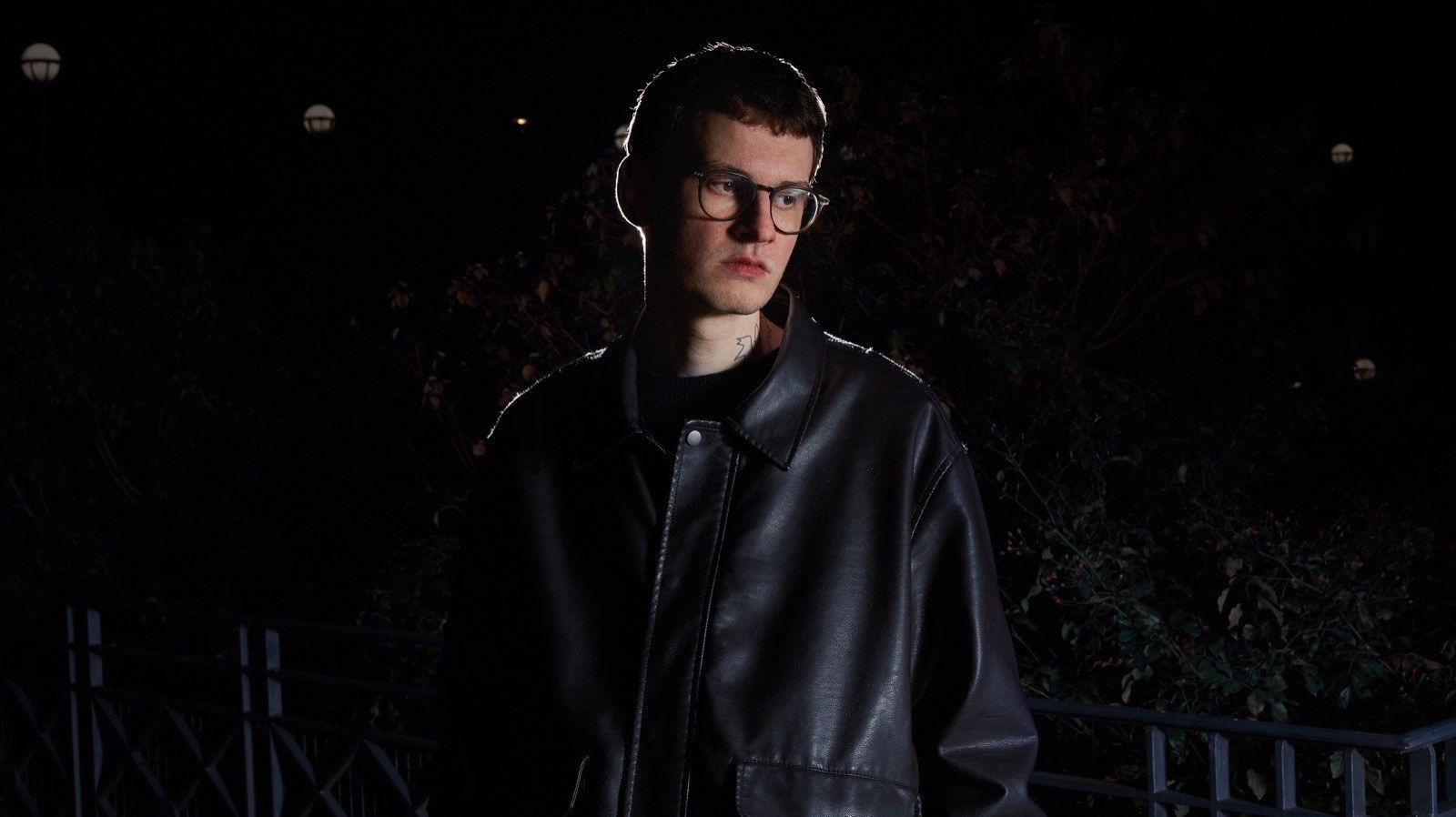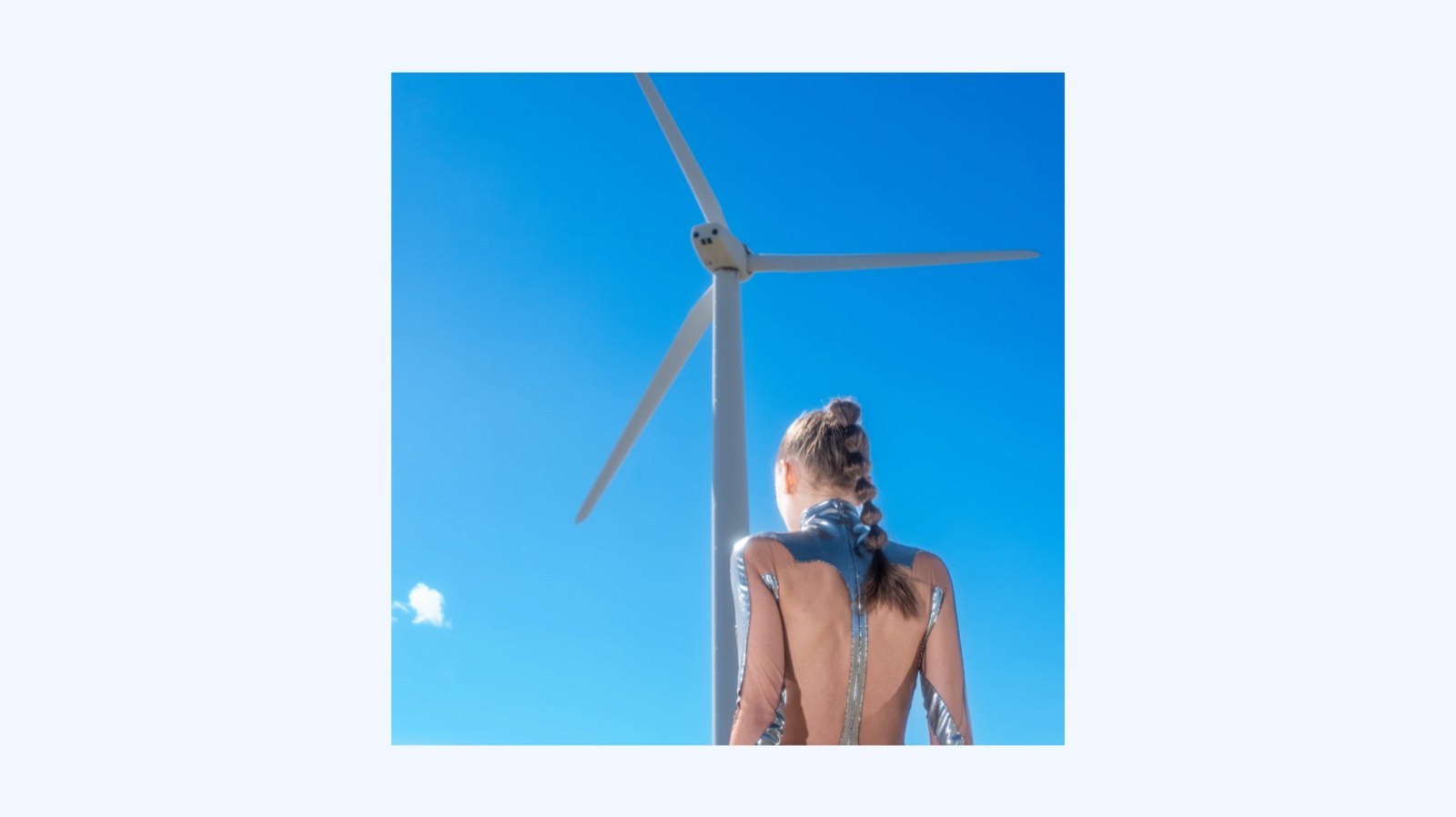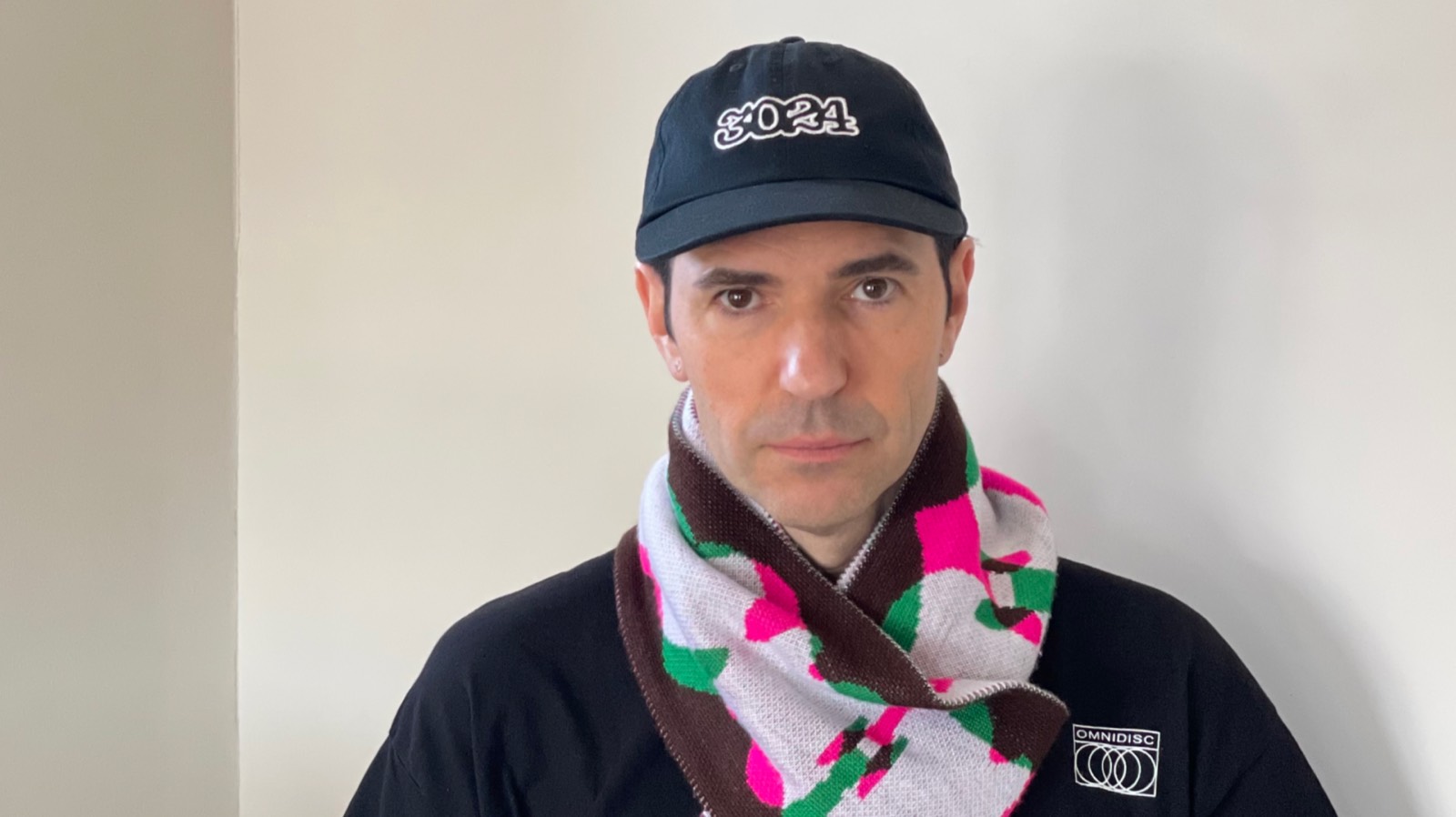

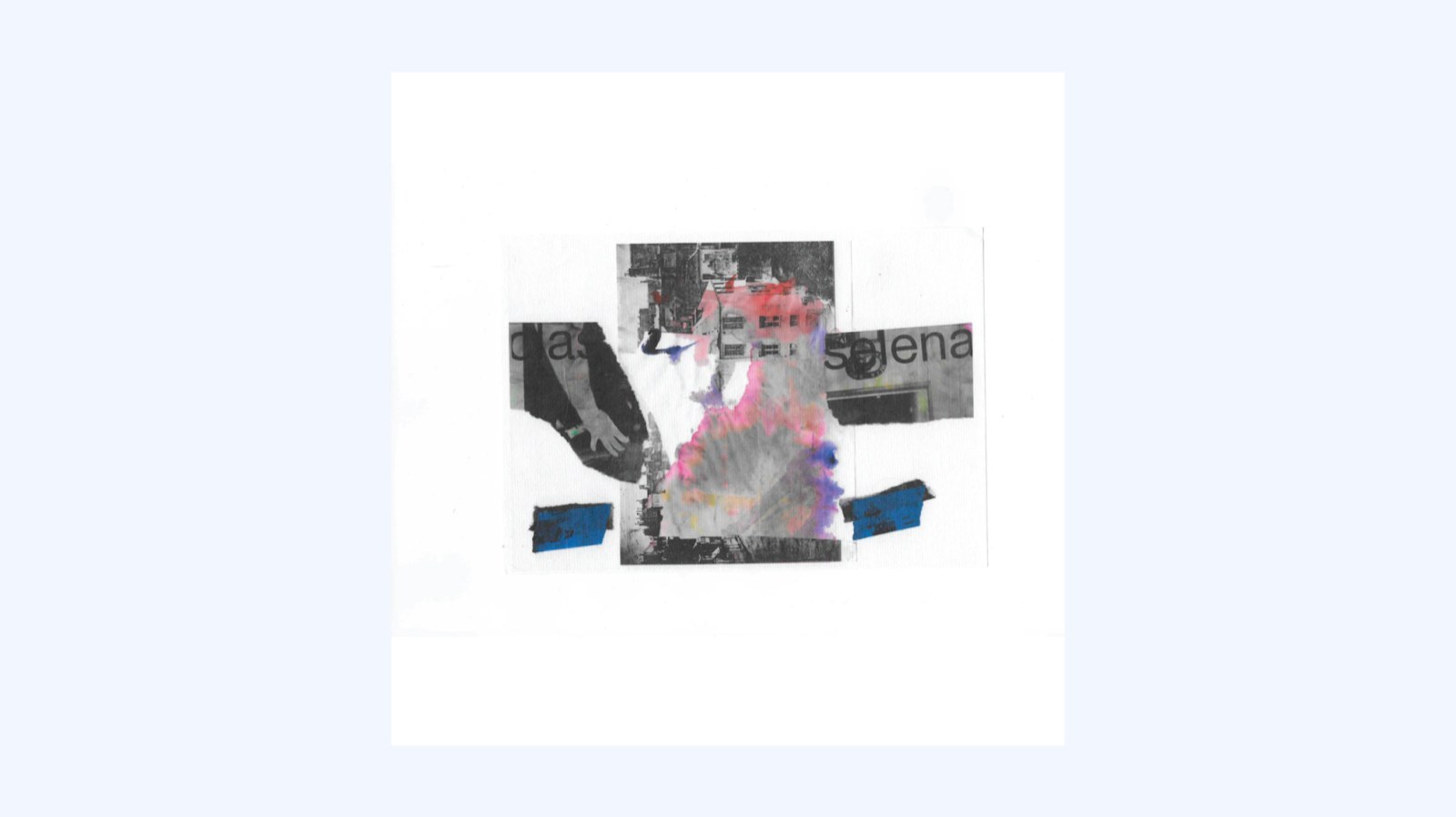
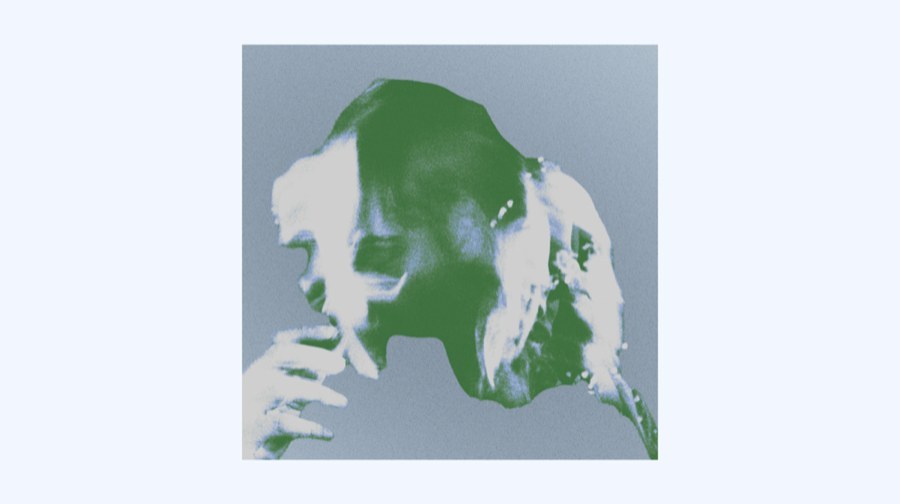
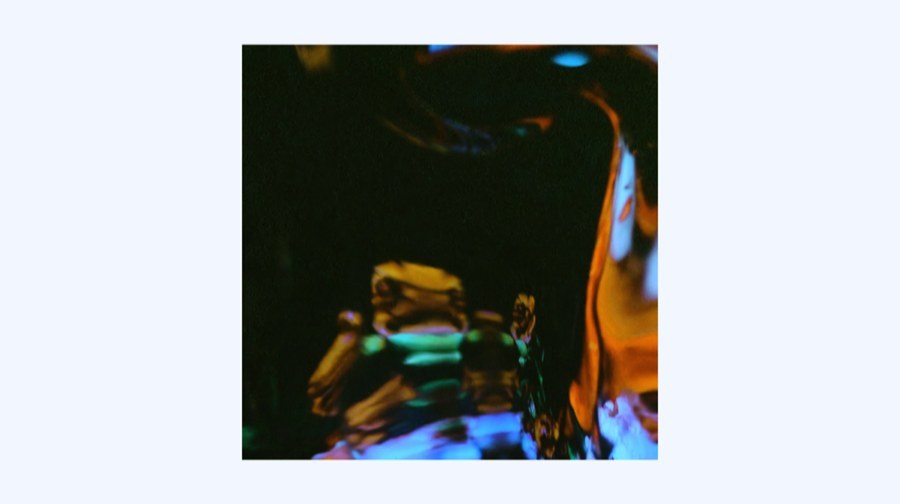
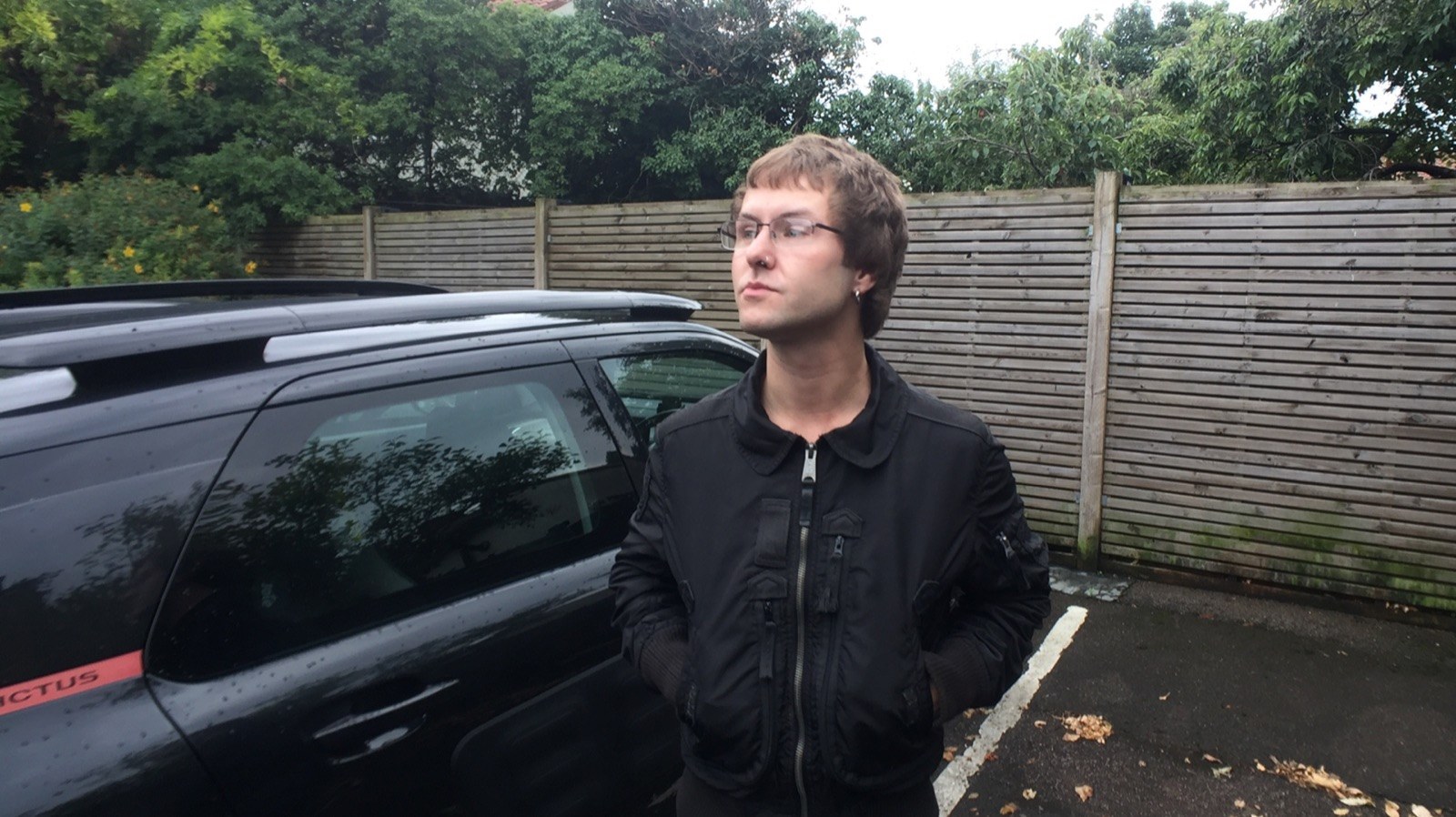
For over a decade, the French musician and producer Superpoze (Gabriel Legeleux) has been making meticulous, cinematic electronic music. His work, which freely blends traditional and contemporary sonic approaches, has been a mainstay in everything from the worlds of film and theater to classical and club music. Siècle, his fourth record, serves as a synthesis of all of the above. We recently caught up with Legeleux, where we talked about the new record and some of his favorite gear. We also learn just how the producer likes to wind down after a long day in the studio. Read the piece and listen to Siècle, below.
Could you talk a bit about the making of Siècle?
Superpoze: Siècle is a record where I wanted electronic and acoustic elements to sit next to each other without ever blending. Horizontally, the drums and basses are electronic and unpolished, while the harmonies and melodies are soft, arranged, written. Vertically, the acoustic arrangements push against the electronic parts, and the electronic parts push back. It’s an alternation rather than a fusion.
I started by working directly with the machines looking for spontaneity and the raw energy of electronic music. I let myself be surprised by them, especially by delays and their unpredictable feedback loops. Then I placed piano melodies and synths on this foundation and asked Leonardo Ortega to write string and wind parts that would slip into the gaps and silences. I see Siècle as a kind of sum of everything I’ve been exploring since Opening, my first album.
It’s been a decade since you’ve made Opening. How has your musical outlook changed in that time?
I’ve developed a real pleasure in arranging and refined my production, but I’ve kept a sensitive, instinctive approach to music. Today I try to let what I’ve learned meet who I was ten years ago.
What is your favorite way to start a track?
Either with something spontaneous like a piano line or a drum loop, or with a clear concept that pulls me forward. On Siècle, the concept was the starting point: exploring a new relationship between raw, instinctive electronic gestures and shaped, written arrangements.
How does your thinking differ when you are working on music for film versus when you are working on our own solo projects?
Film music means inhabiting a world that already exists. Albums demand the opposite: building an emotional world from nothing. In a world where images dominate everything, creating an instrumental album makes me feel closer to literature than to cinema. These are forms where the images are generated inside the listener or the reader.
If you had to pair your studio down to one synth and one drum machine, what would they be?
On a small desk: the MFB-503 and the OP-1. In a rack: the Vermona DRM1 and the Deckard’s Dream. With enough space: the TR-909 and the Prophet-6.
What have you been reading lately? And how has that been informing your creative output?
Pascal Quignard has been important for this album. I love his way of writing in fragments and pieces that first appear disconnected but slowly form a coherent thought. It resonates with how I like to build music.
Do you have any dream collaborations?
I’m finishing an album built around texts written by my mother. Making a family record feels like a long-awaited collaboration.
What’s your favorite thing to eat after a long day and night in the studio?
I enjoy the basics, both in music and in the kitchen. In music, I stick to instruments that have proven themselves (TR-909, piano, Prophet, Juno) and enjoy finding interesting ways to combine them. In the kitchen, after a long session, if it’s late and I don’t have an hour to cook, I’ll quickly make a big plate of pasta with feta, salad, olives, tomatoes, and Parmesan with a large fruit salad for dessert. It’s quick and super satisfying.



.png)