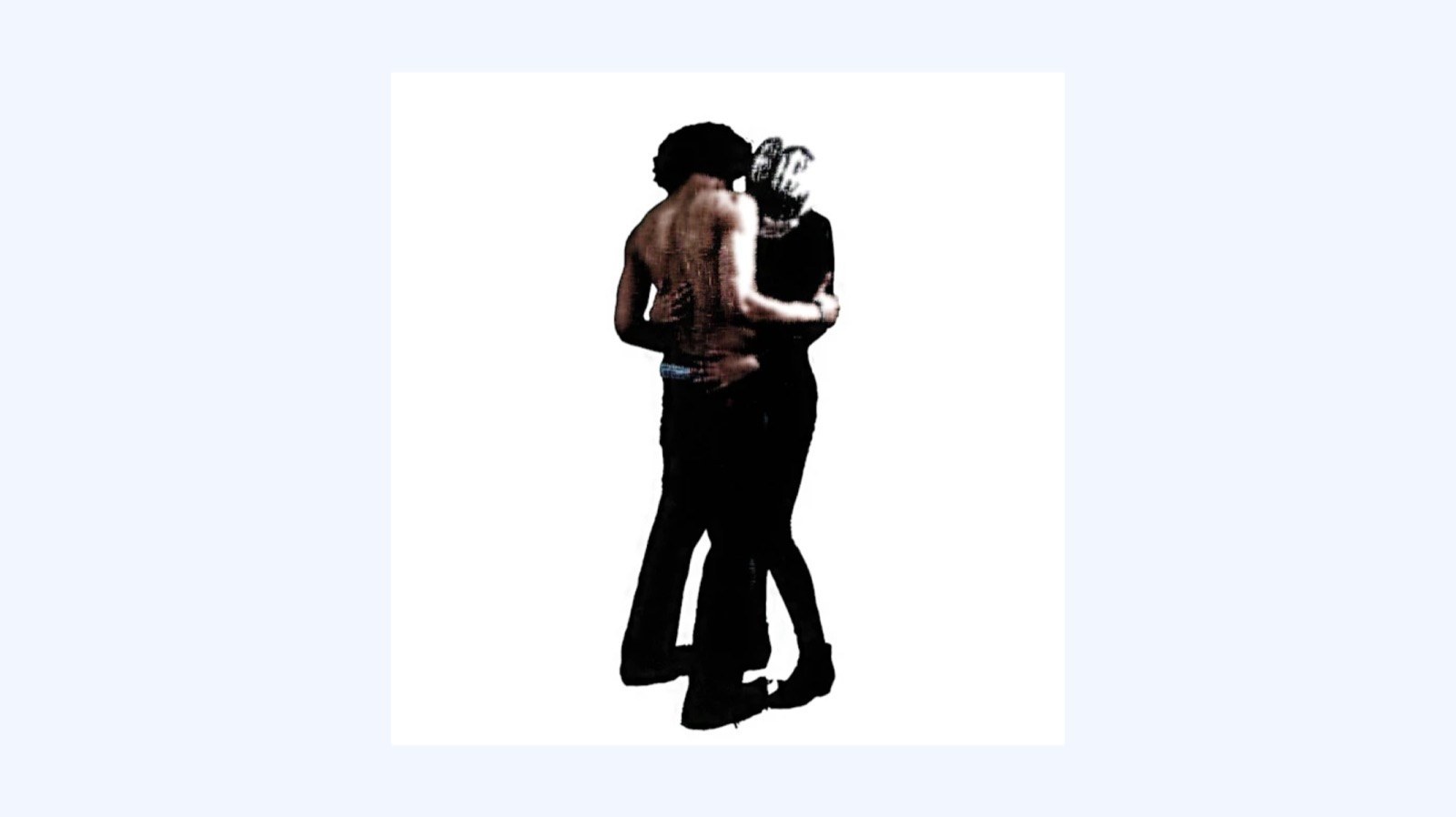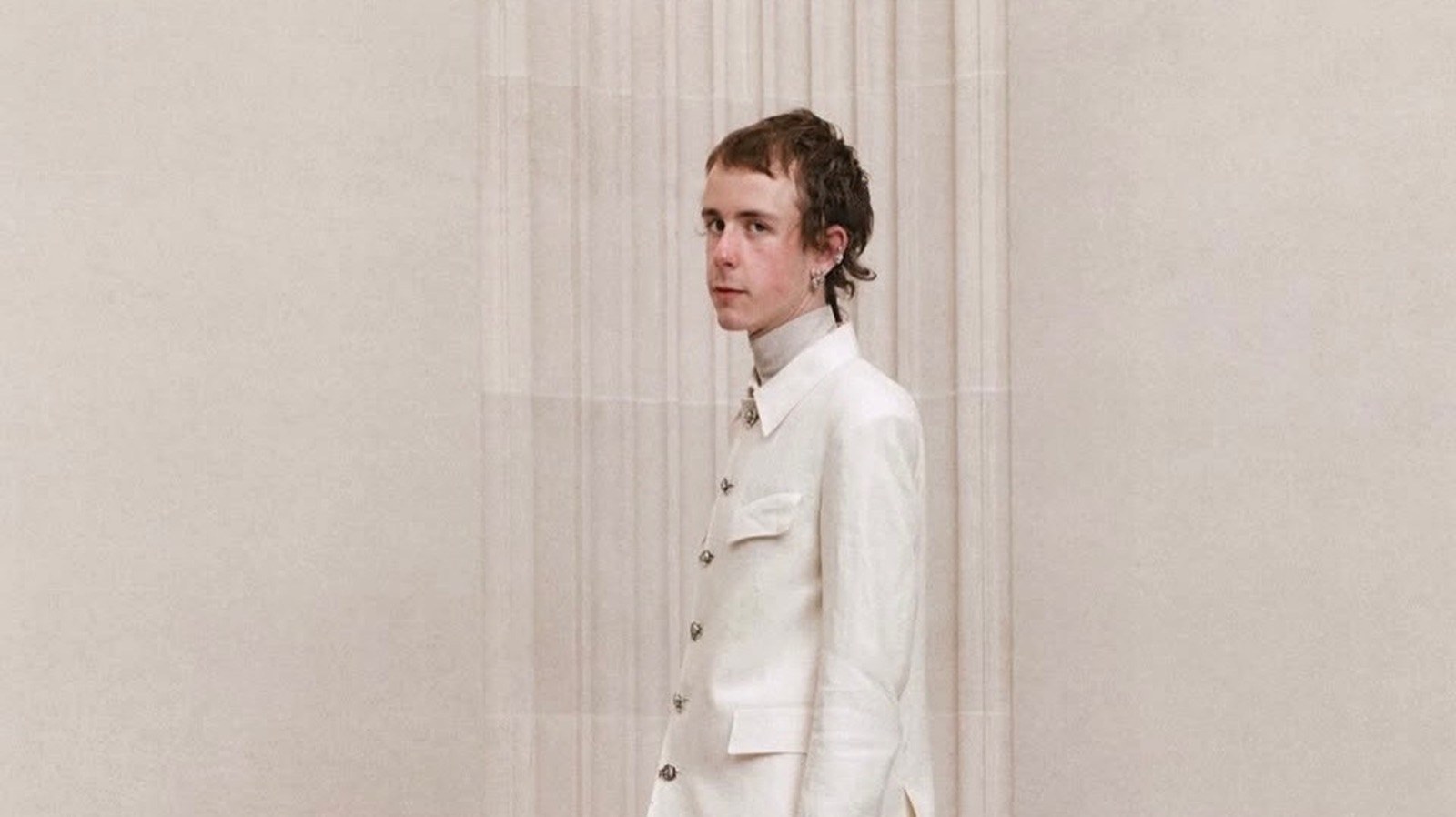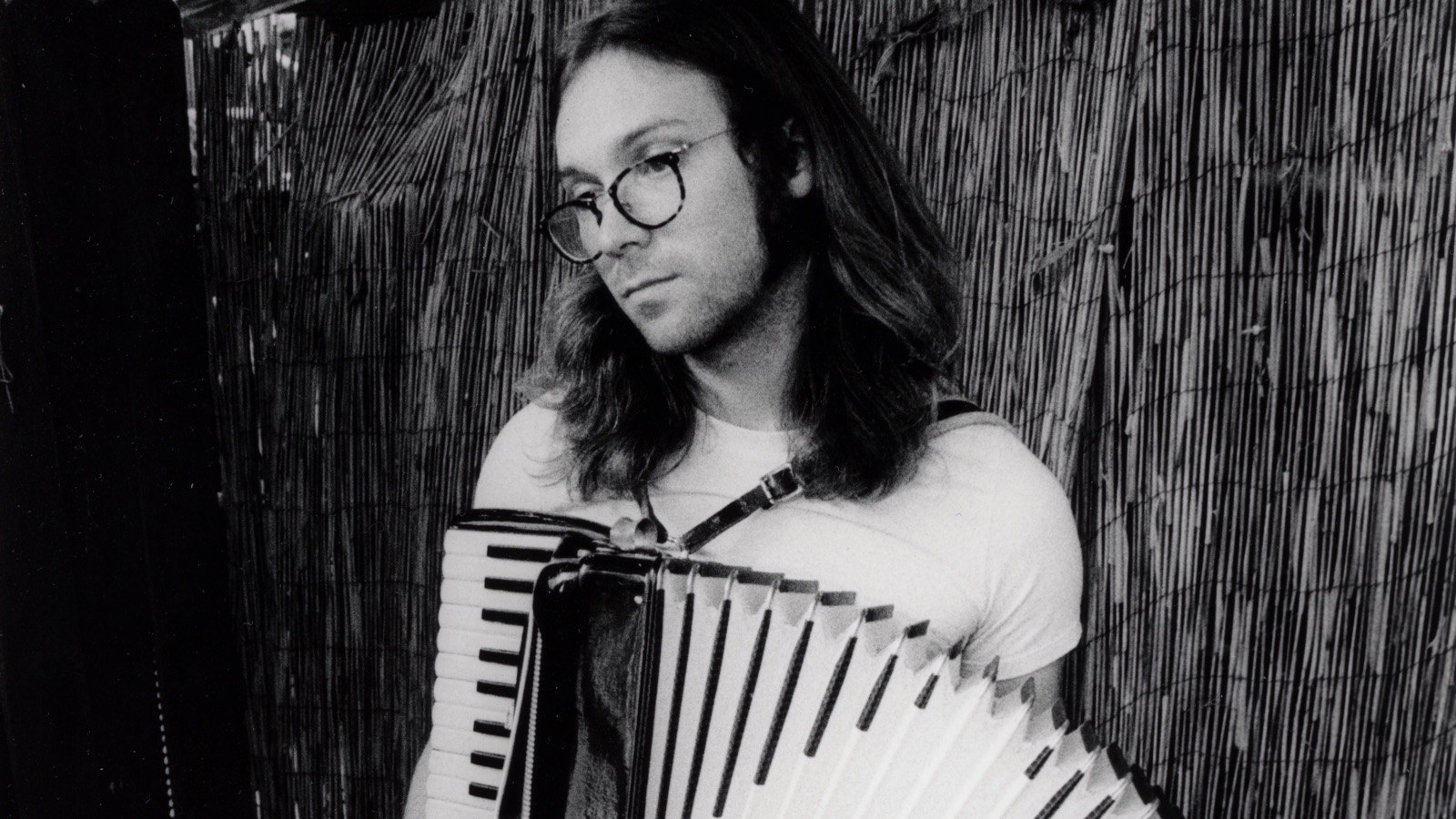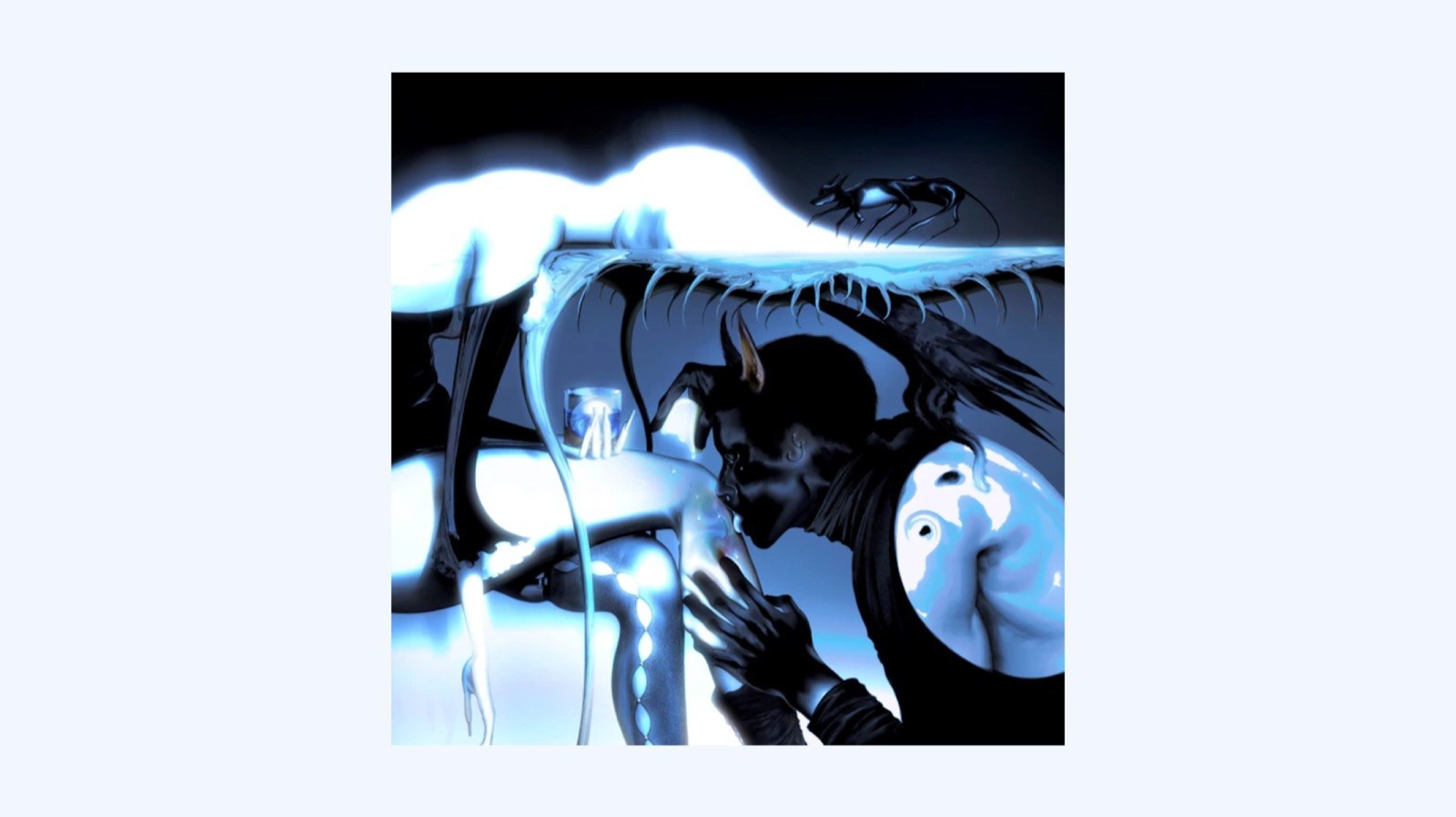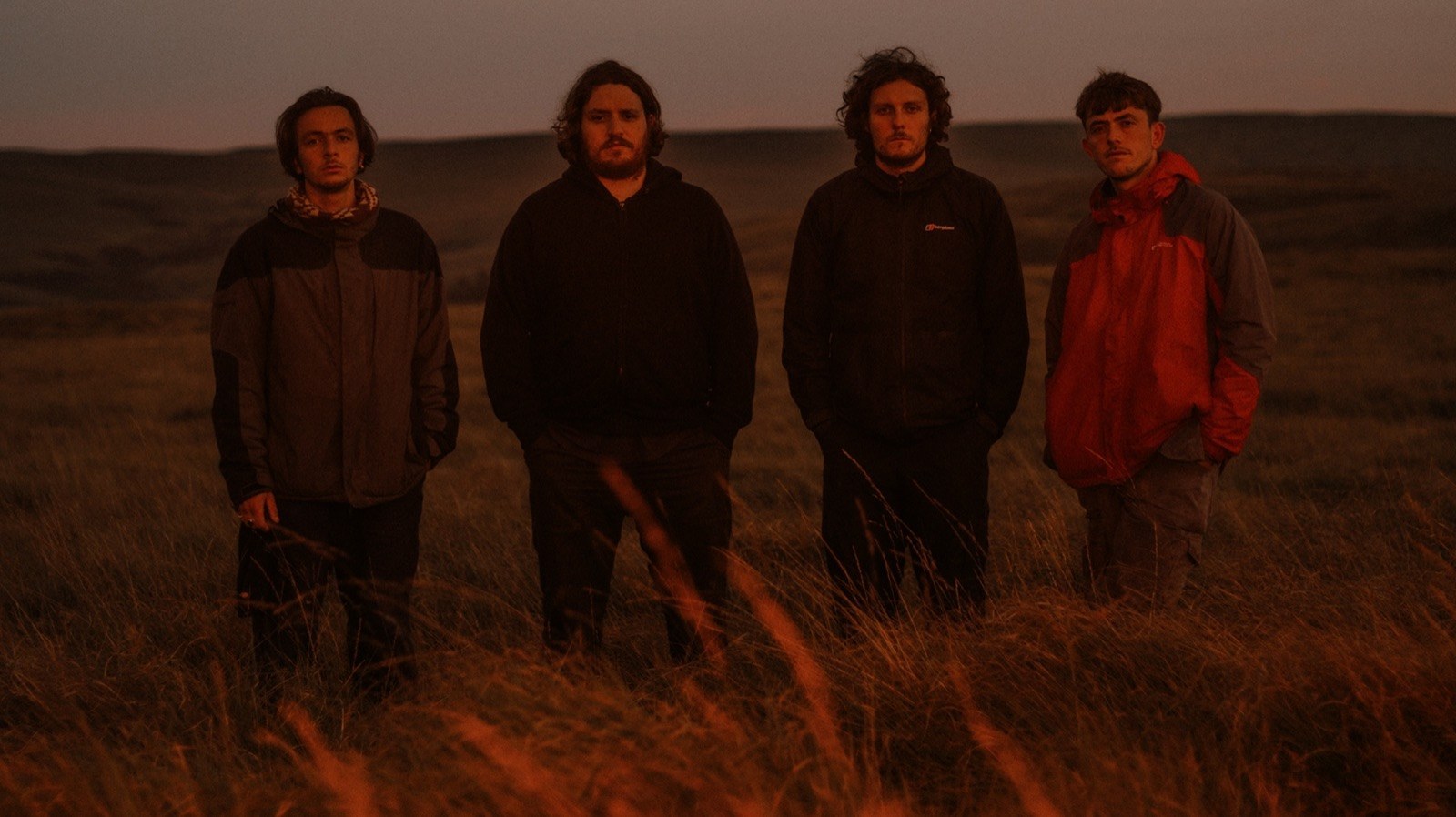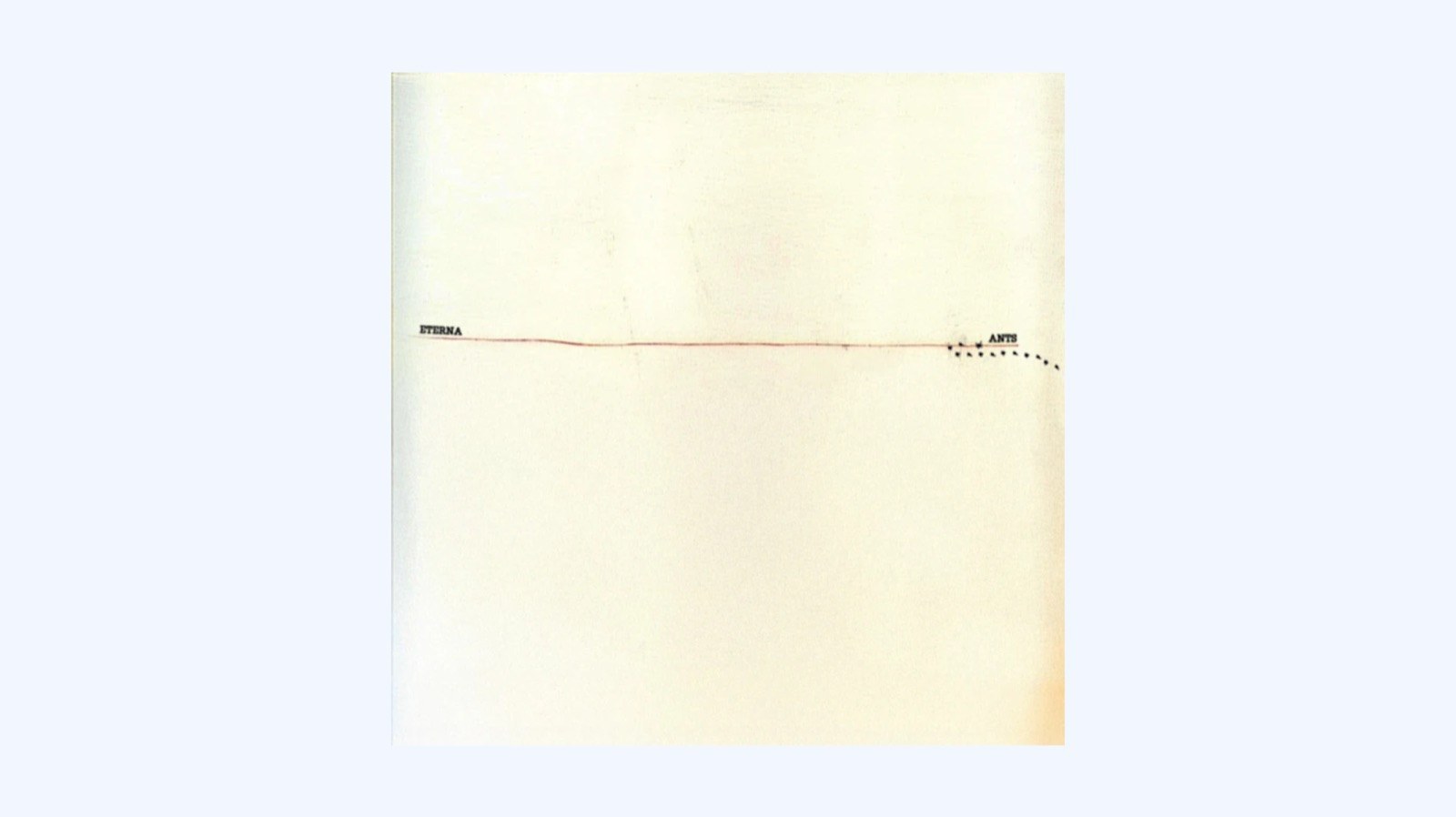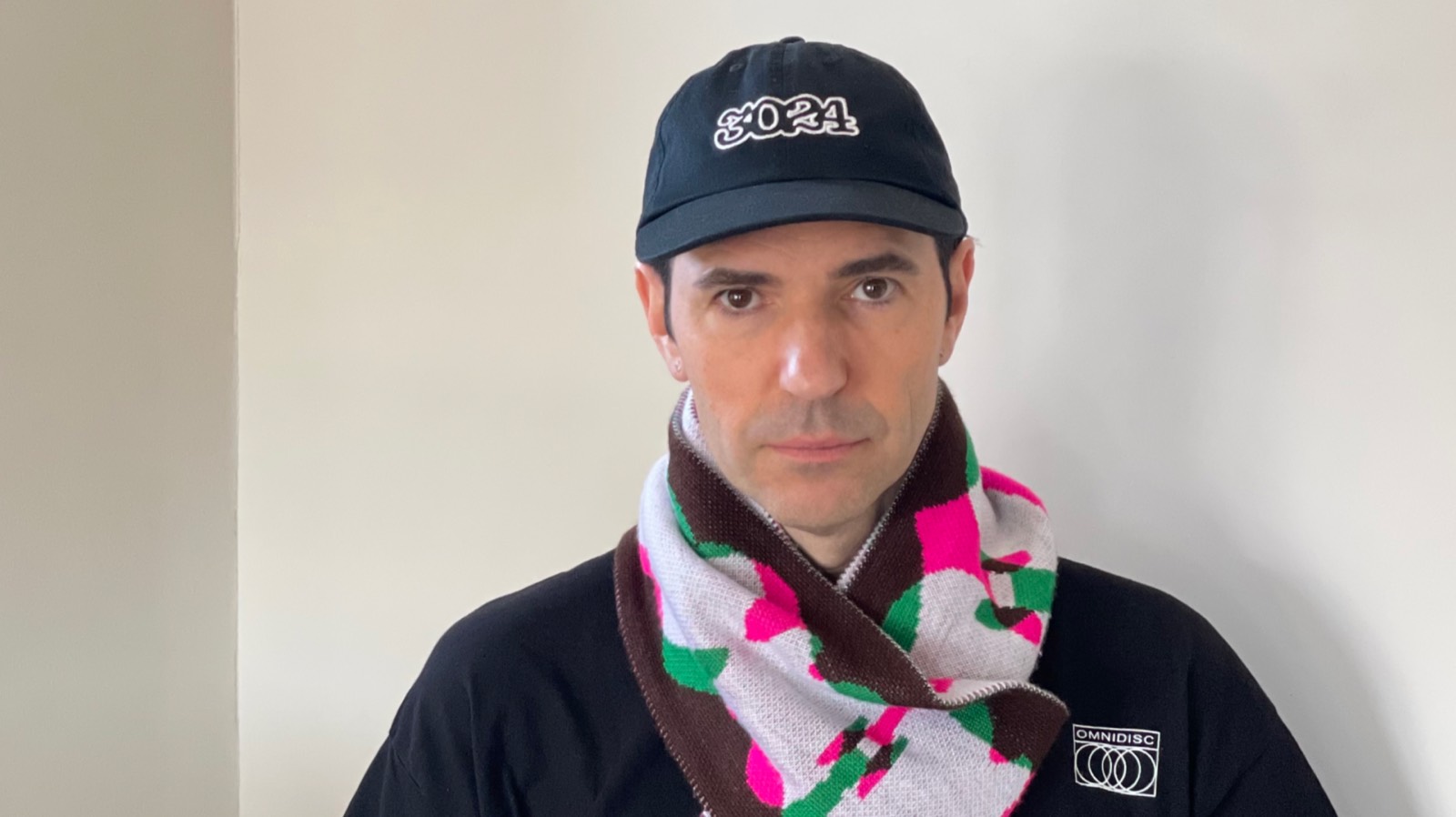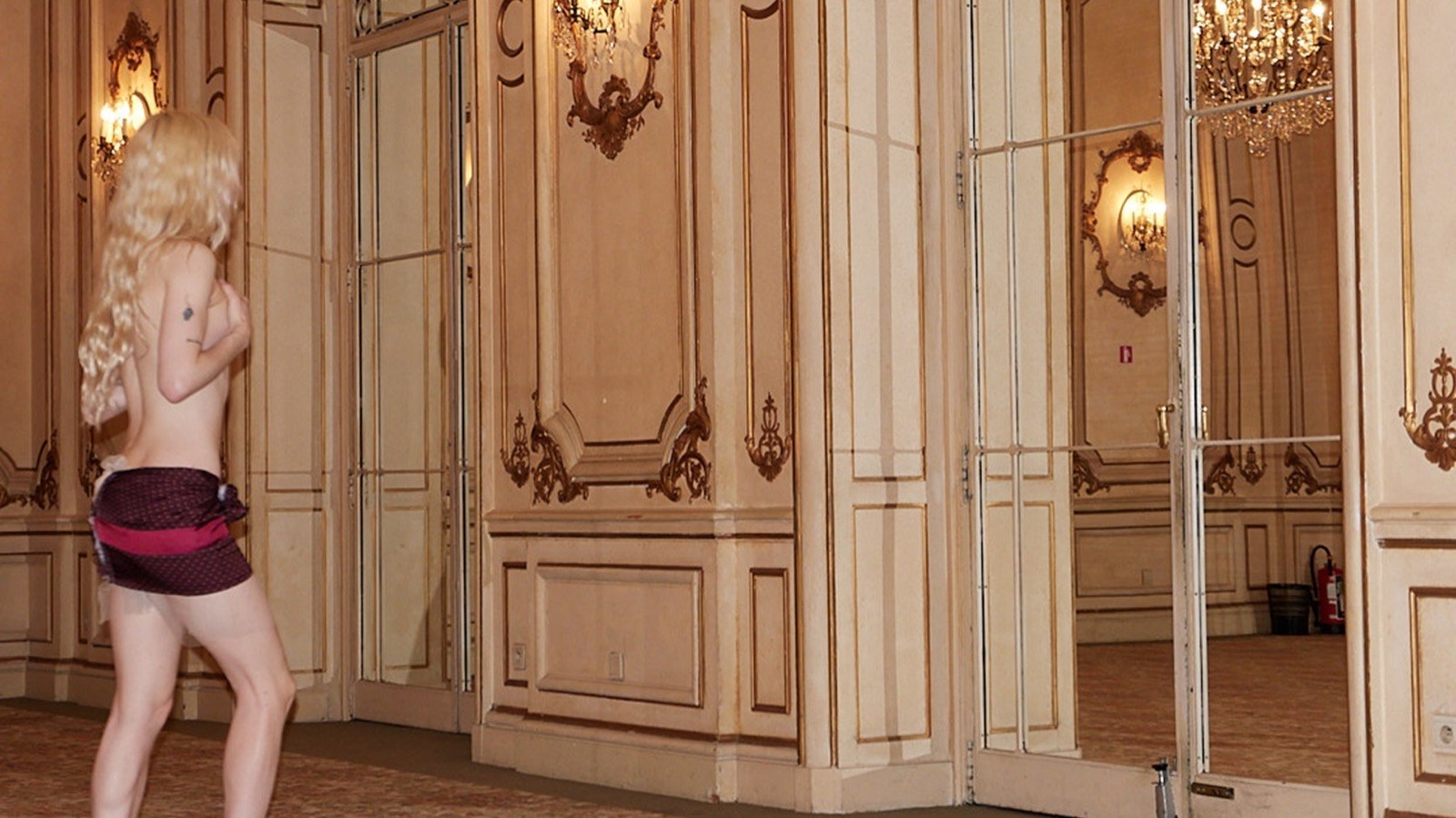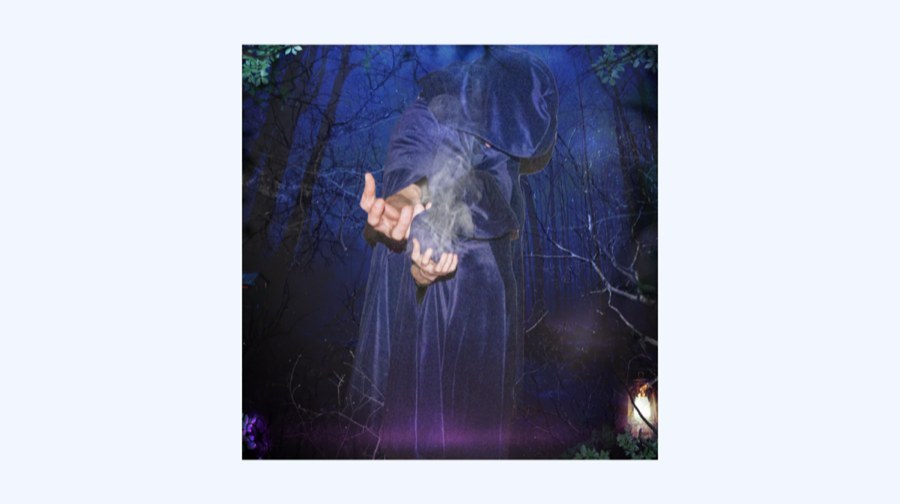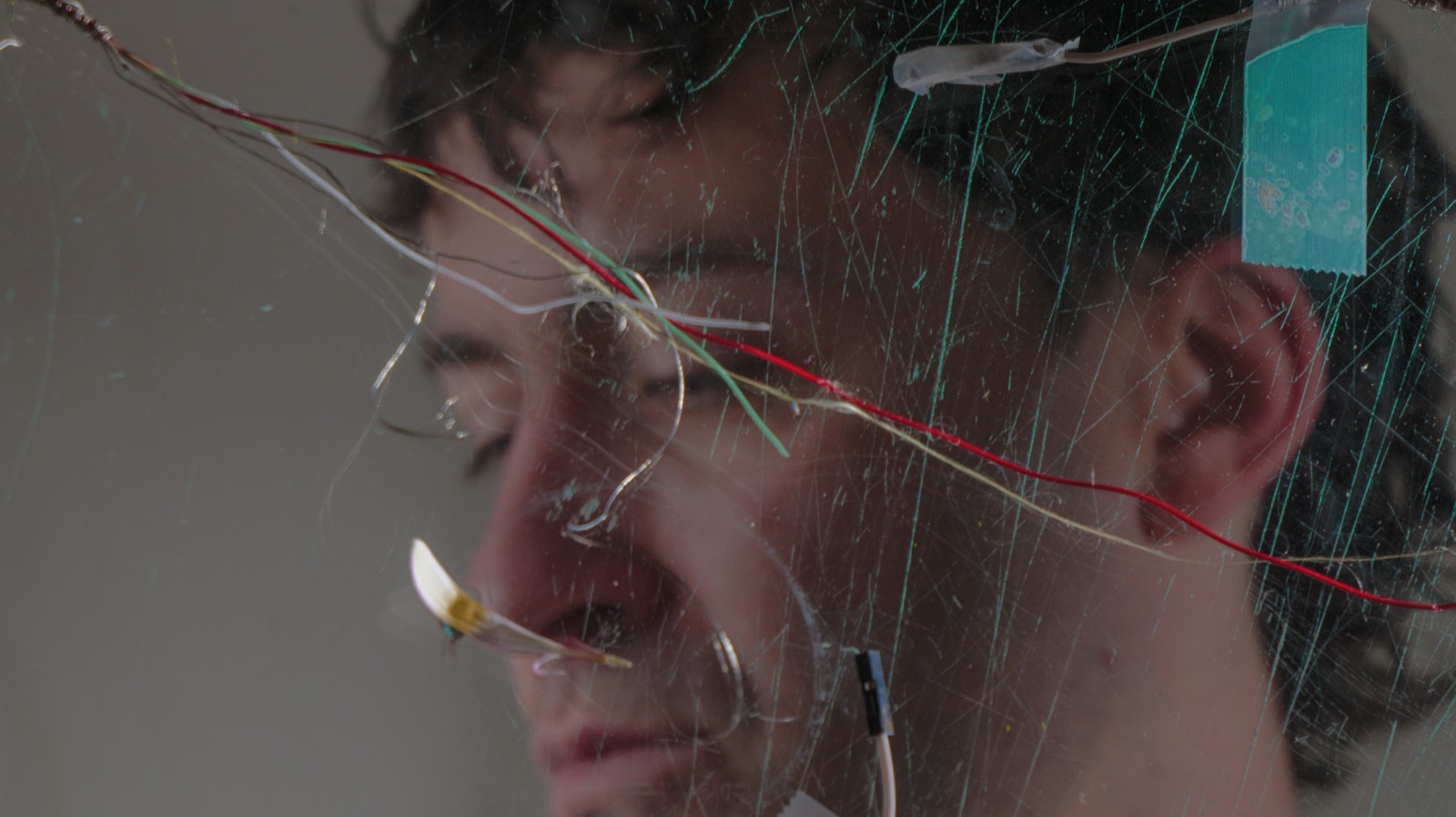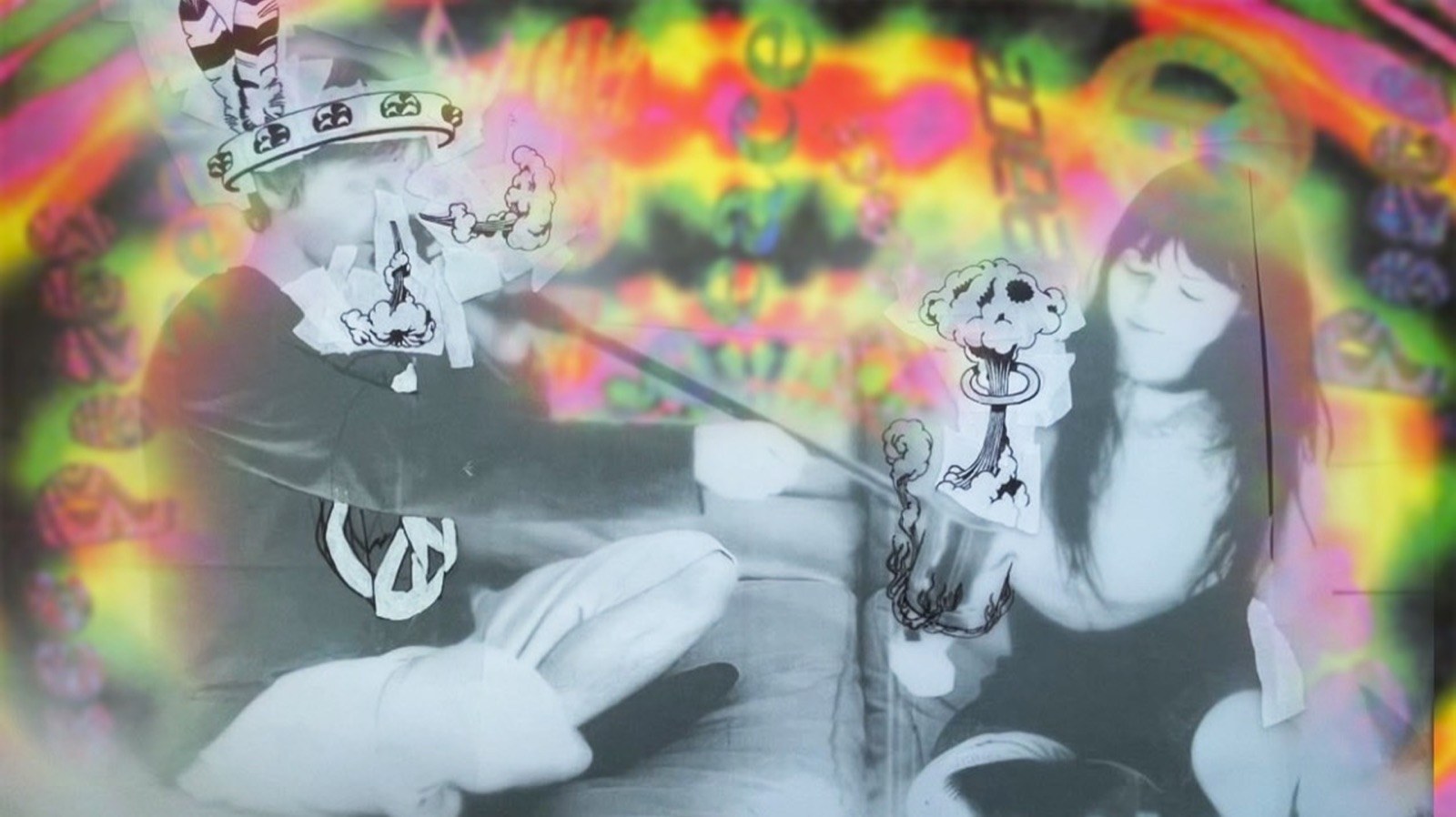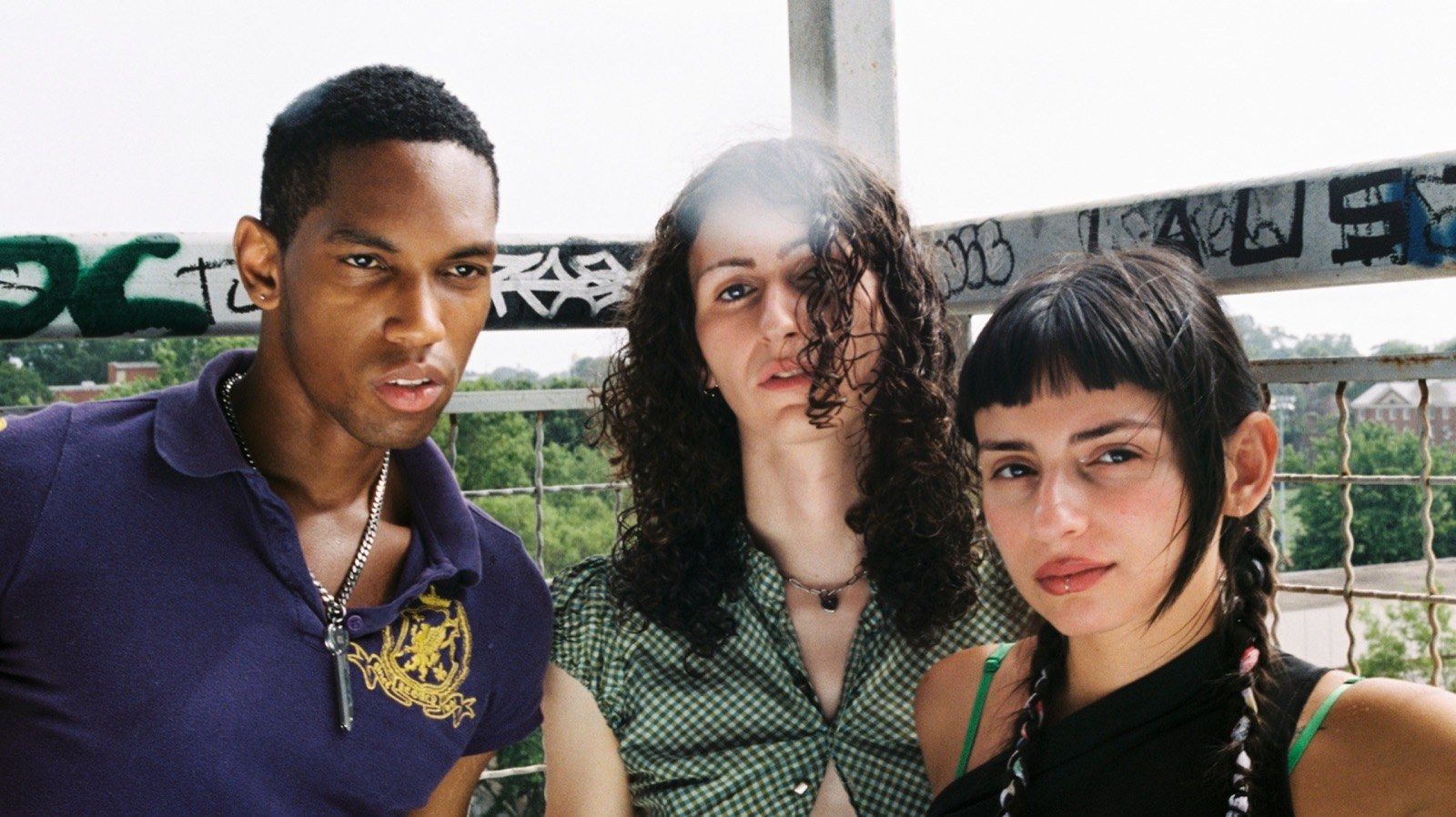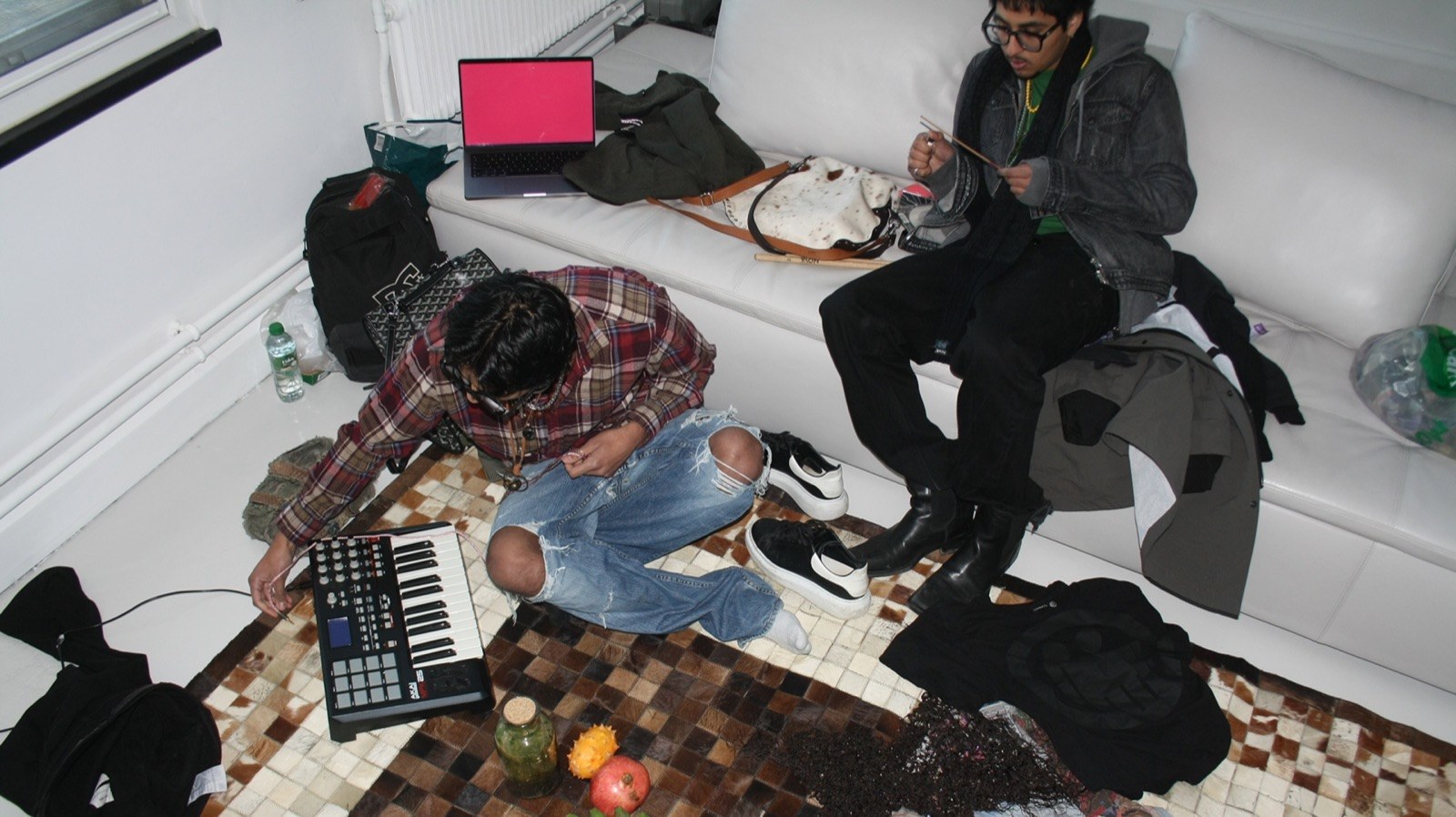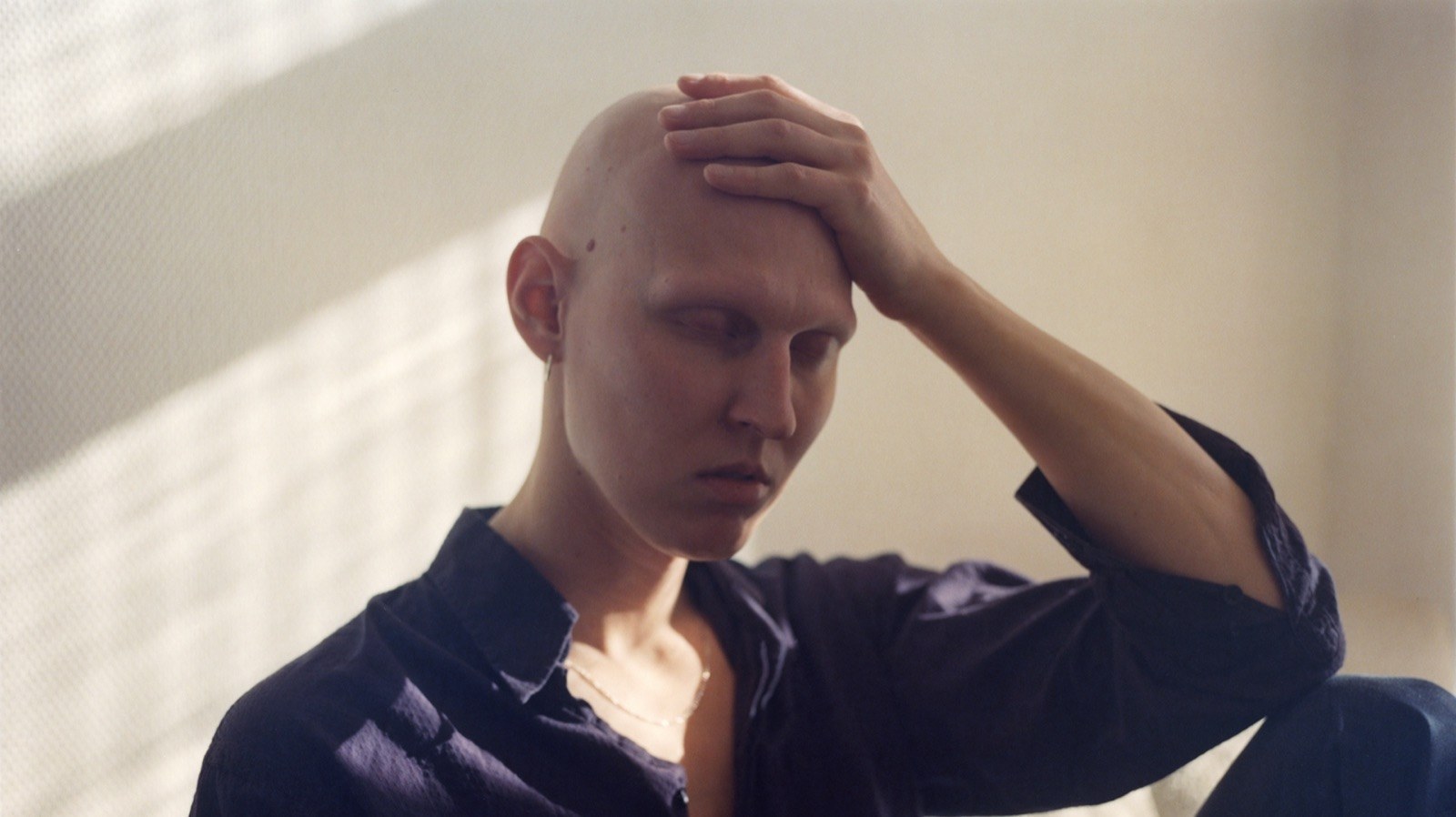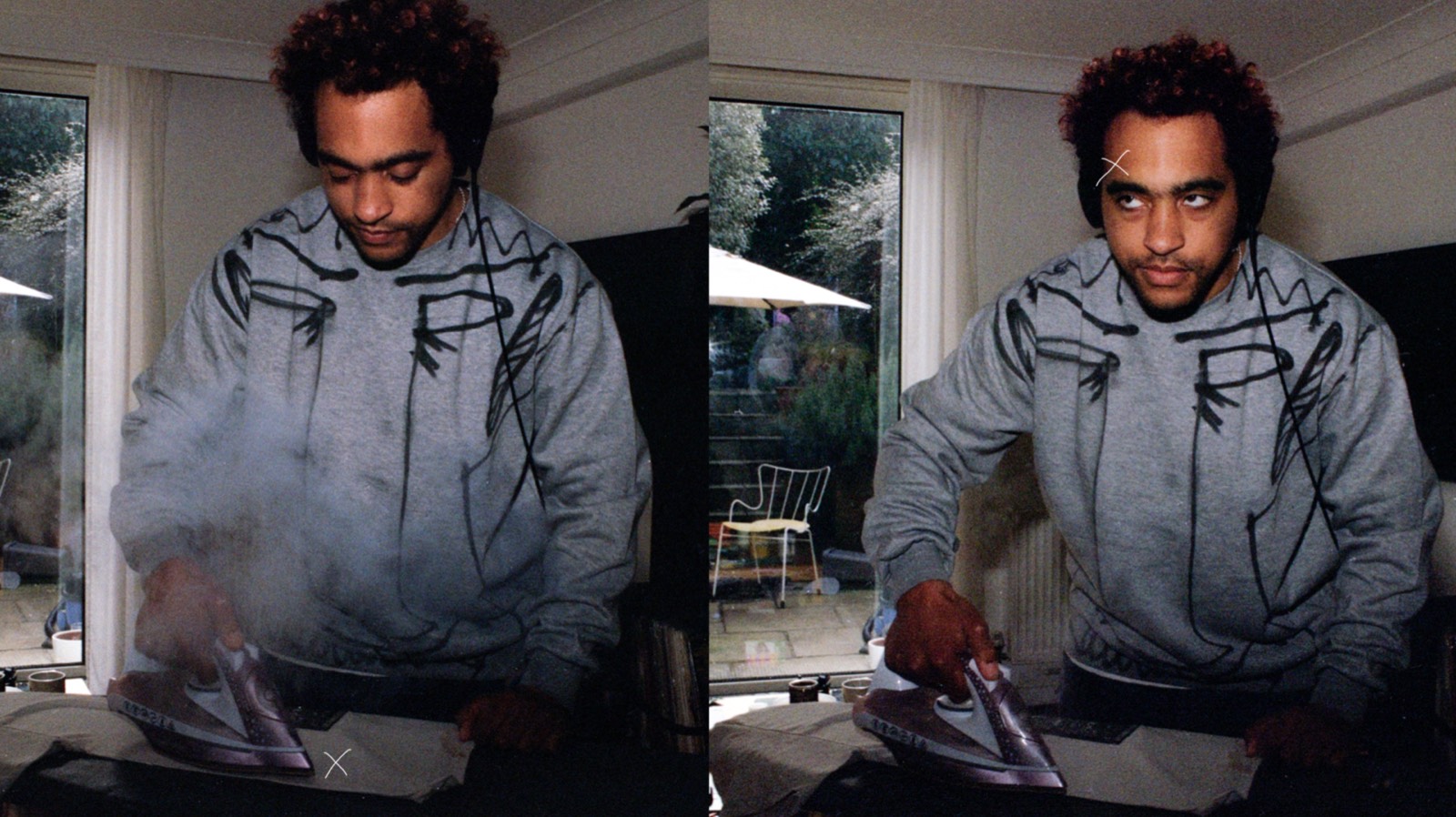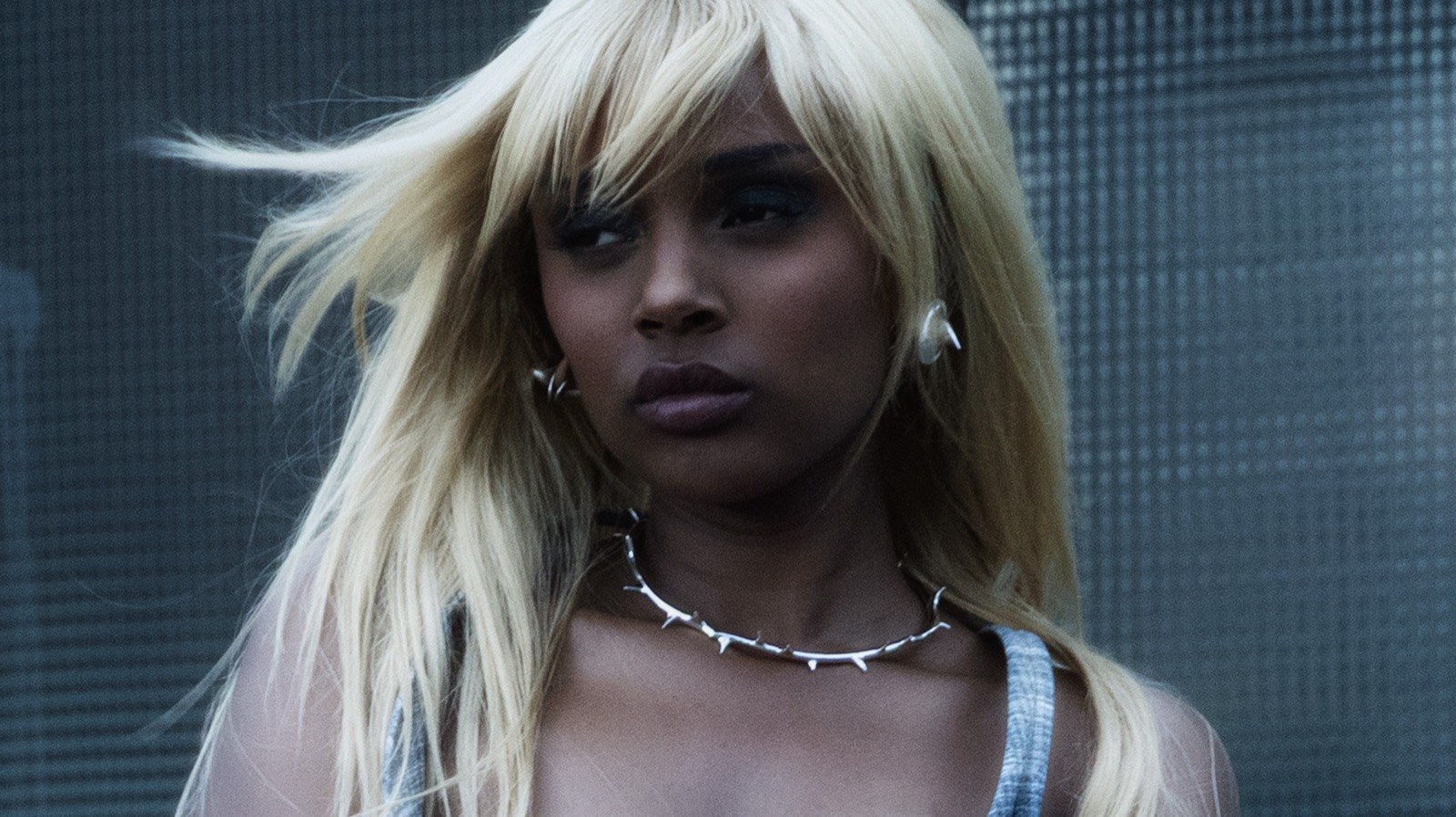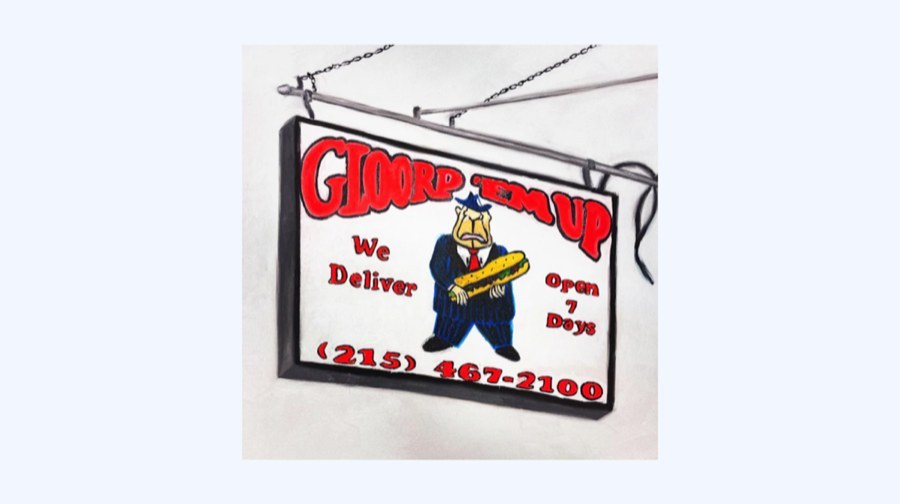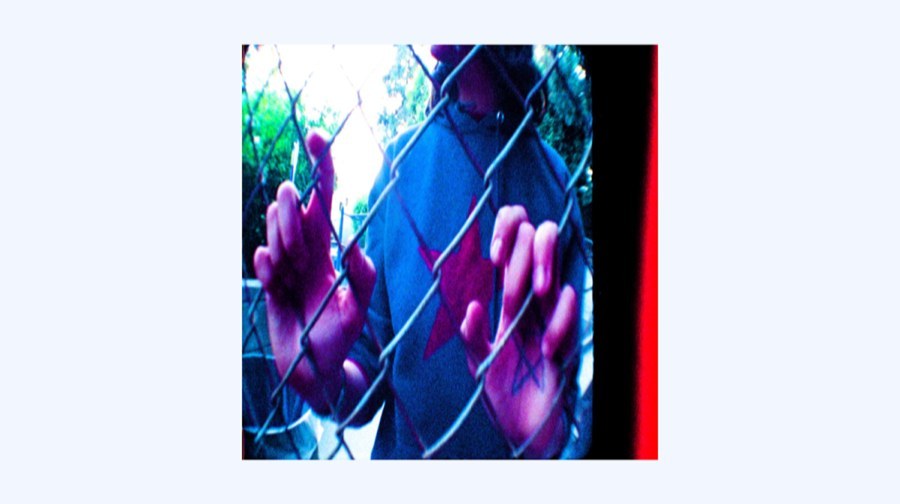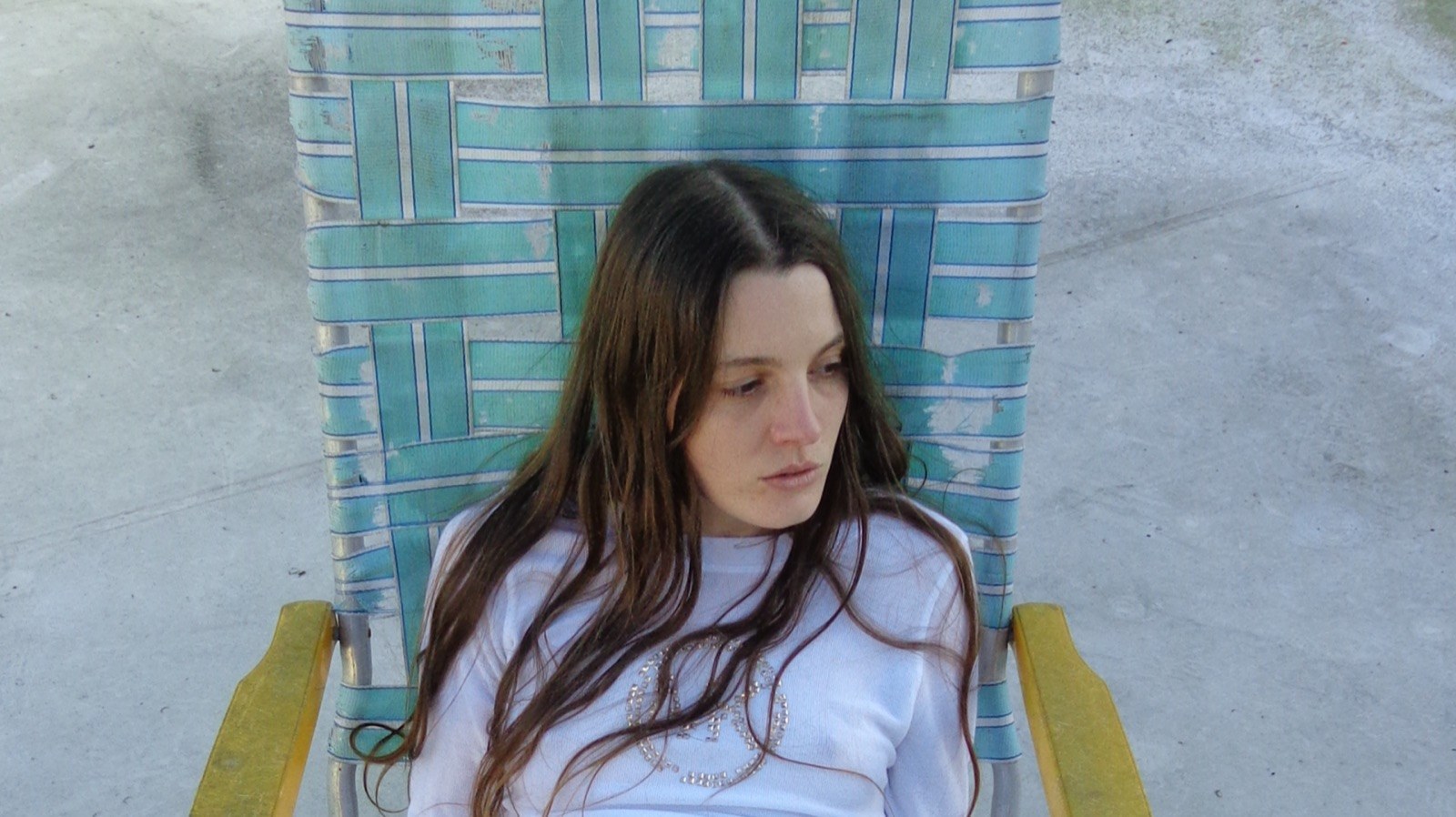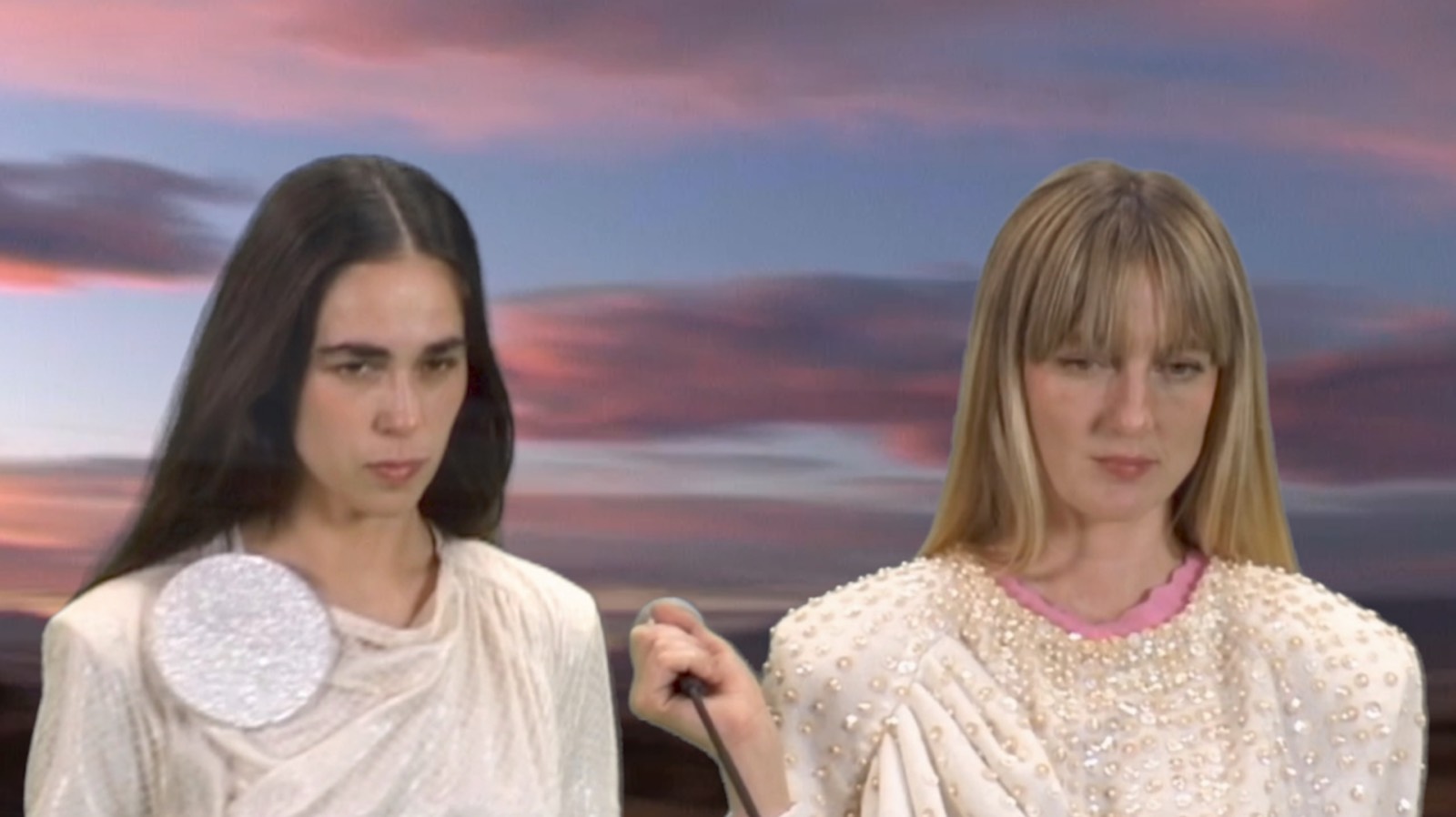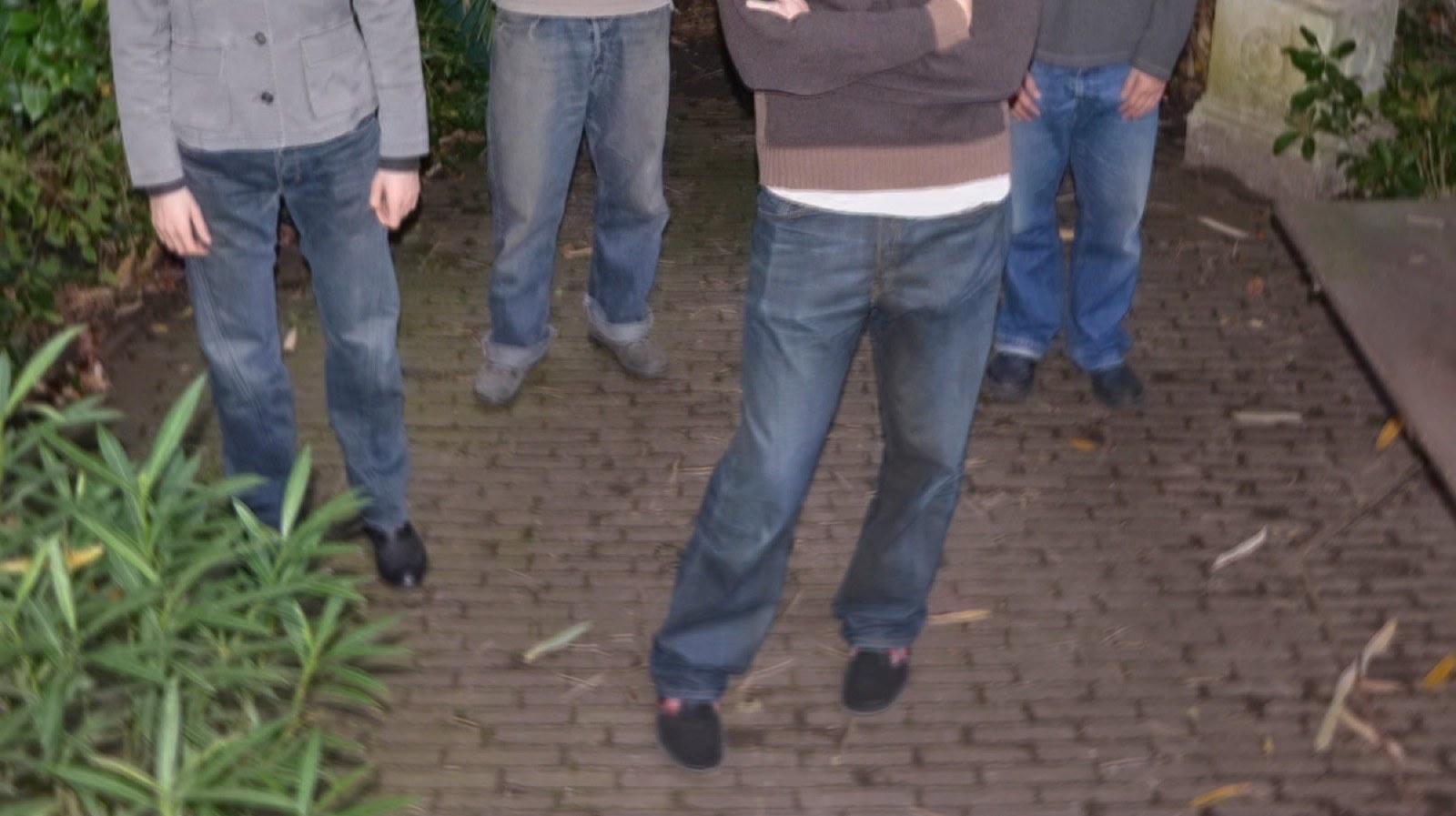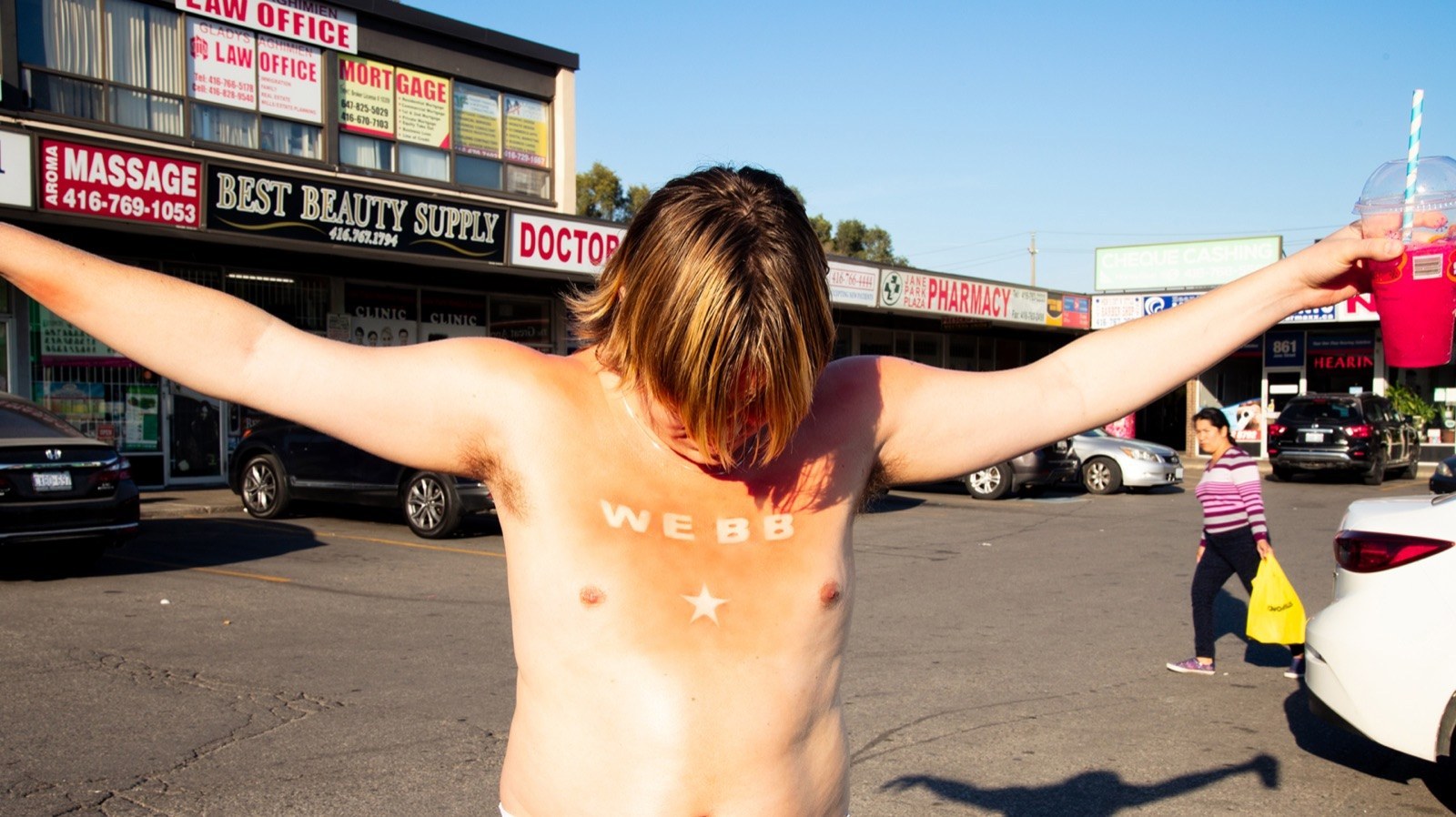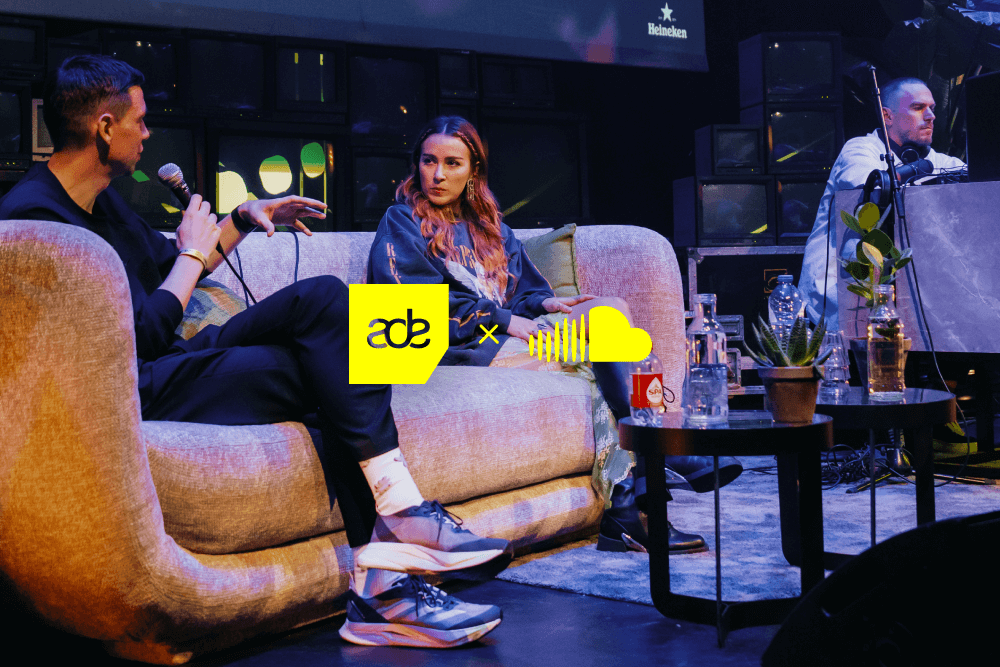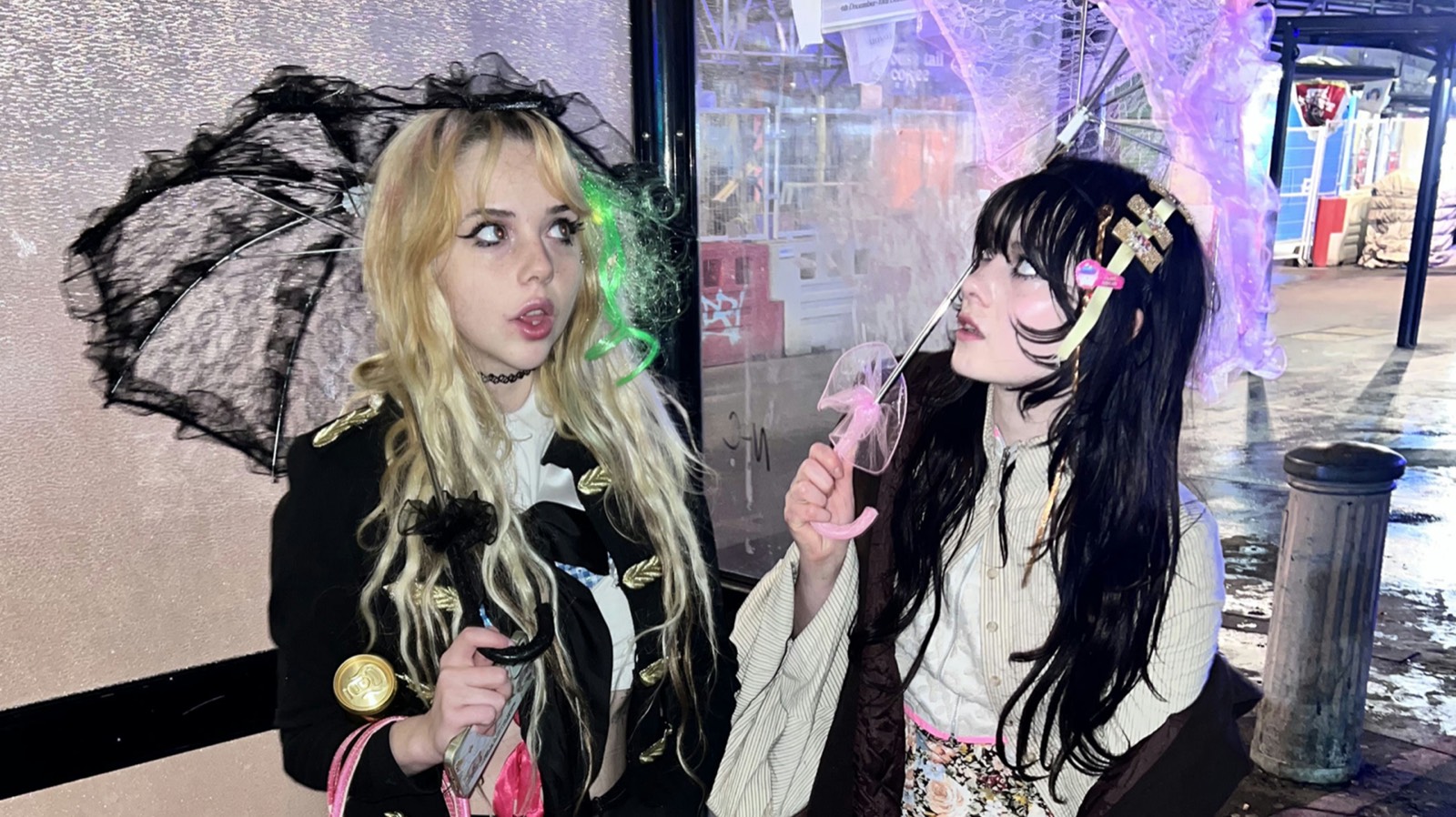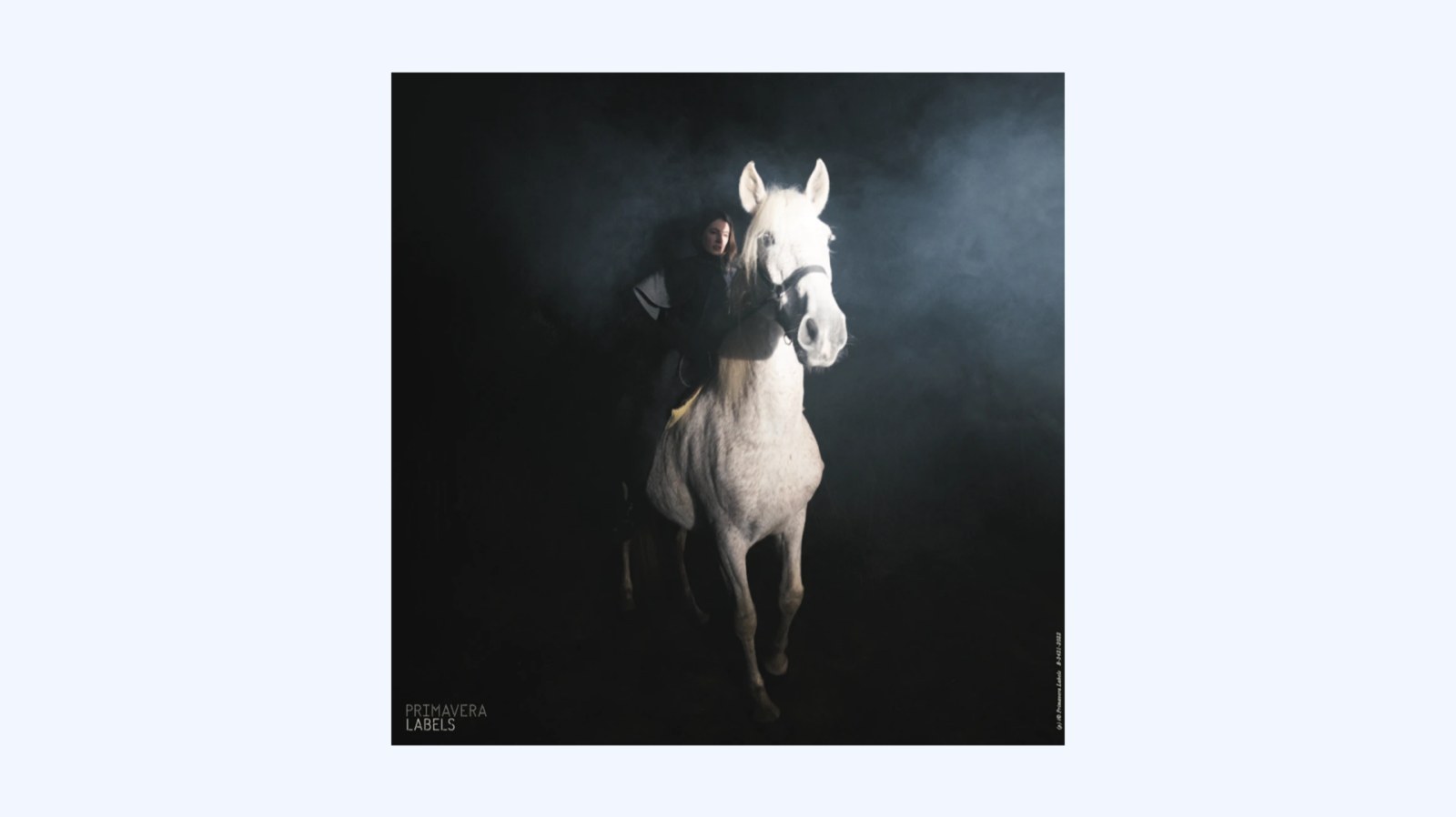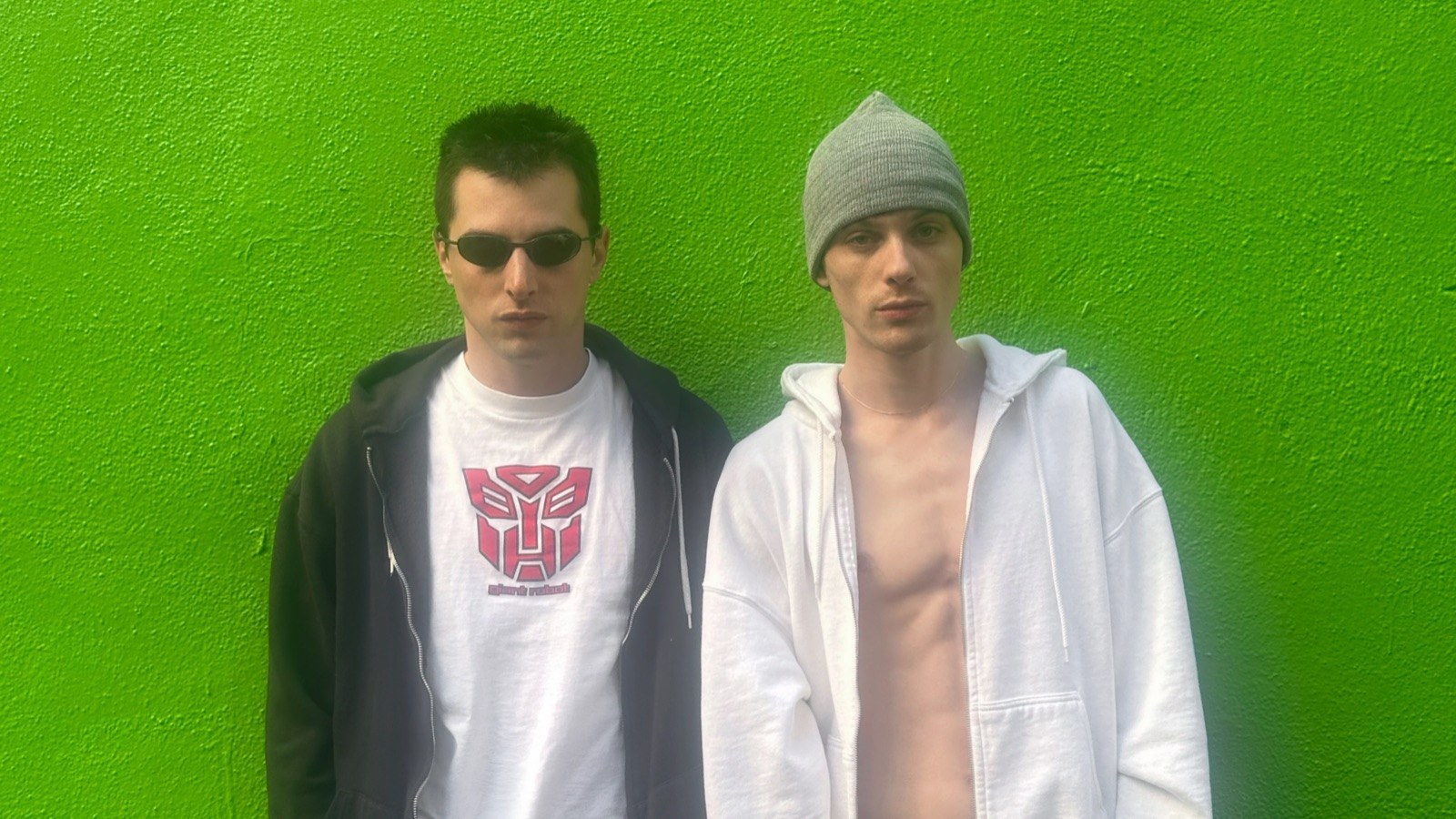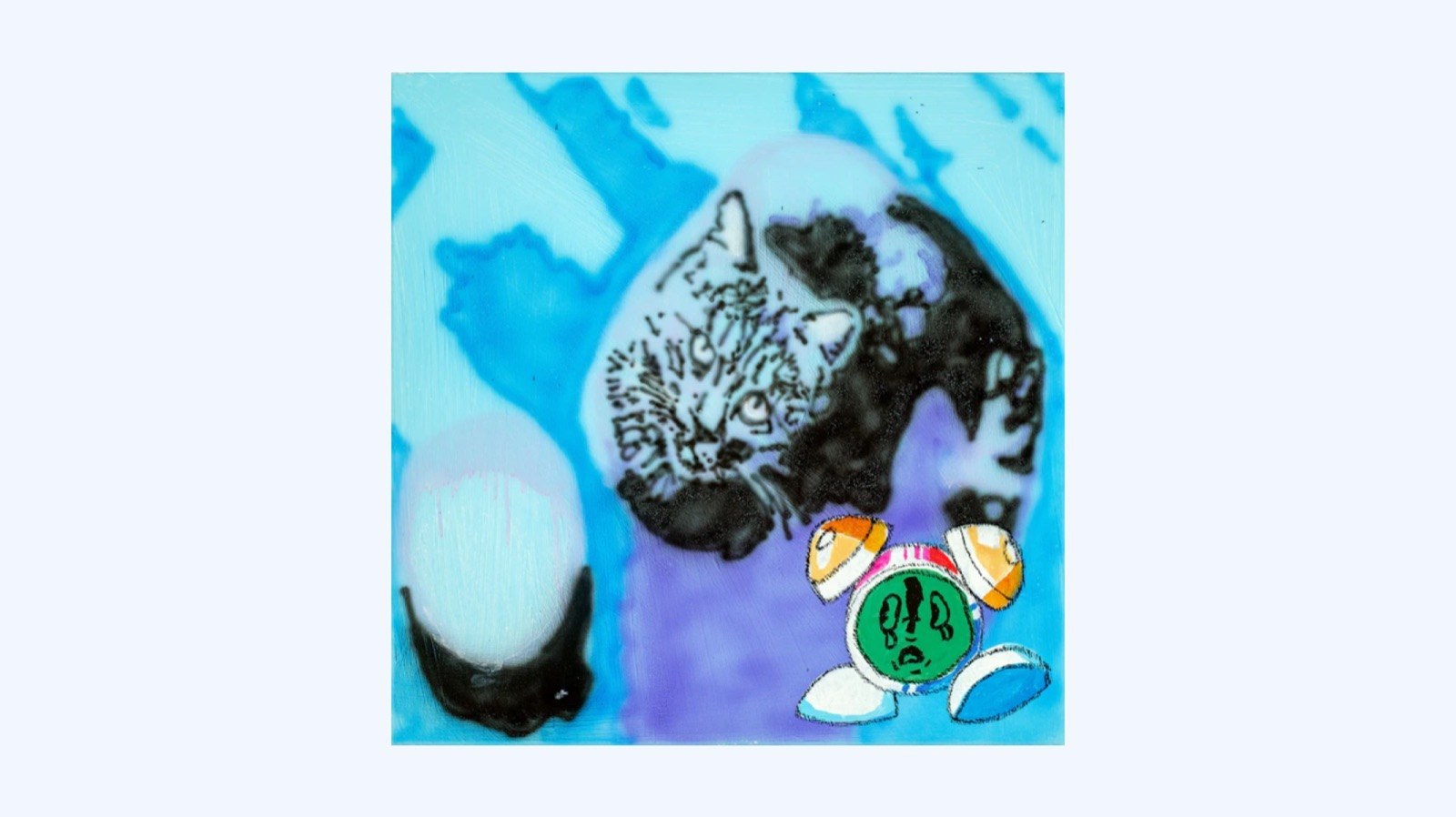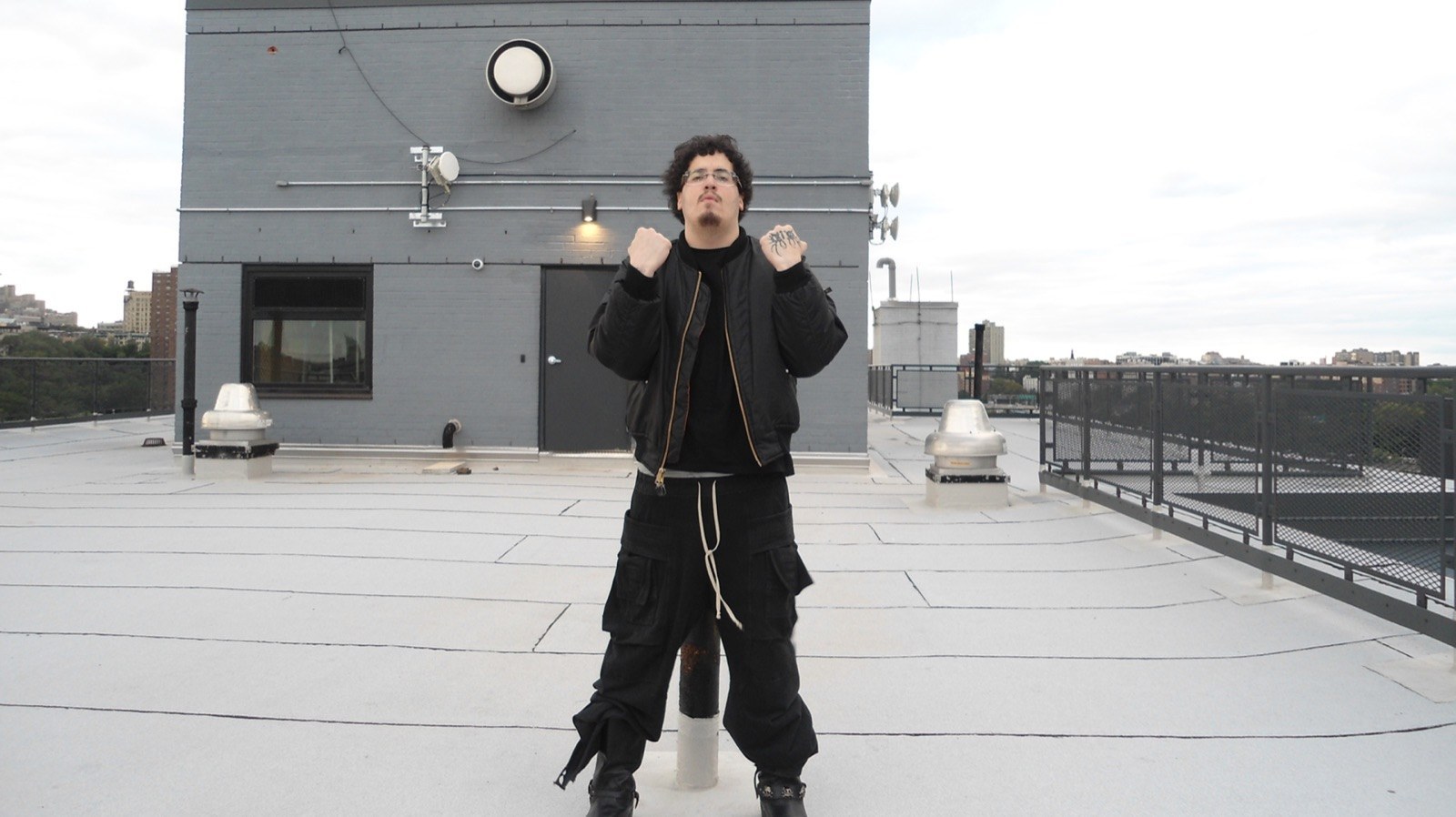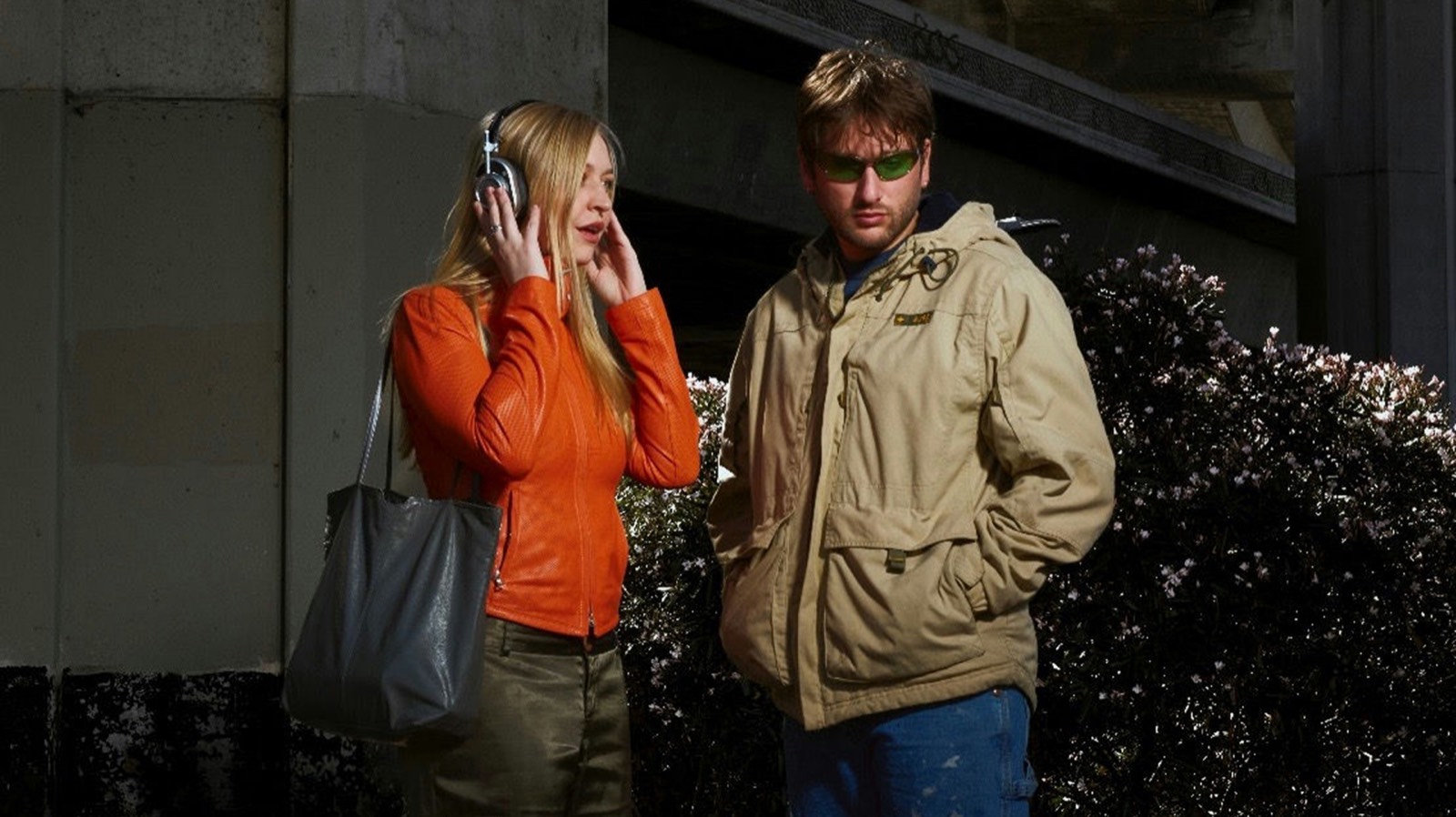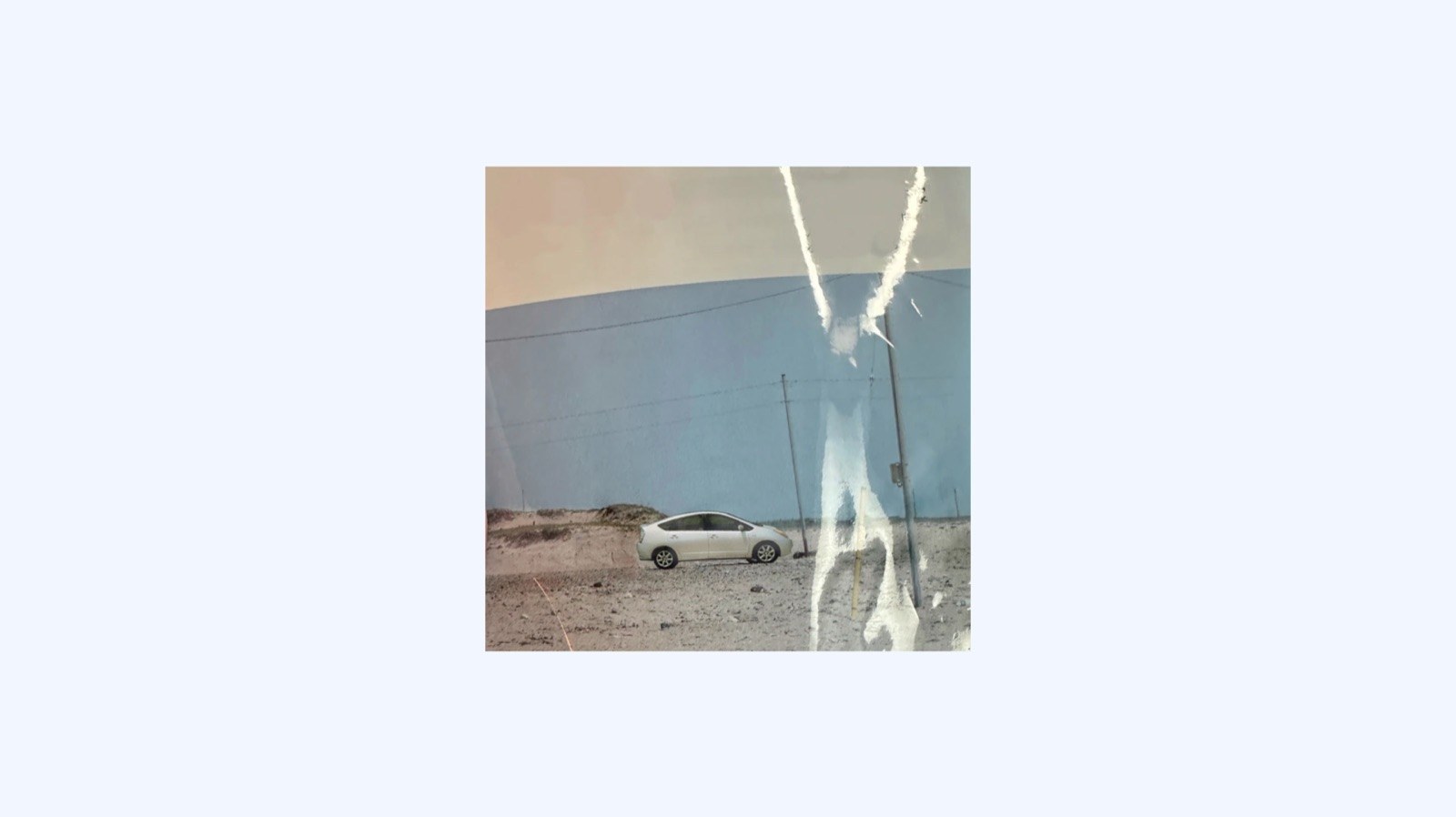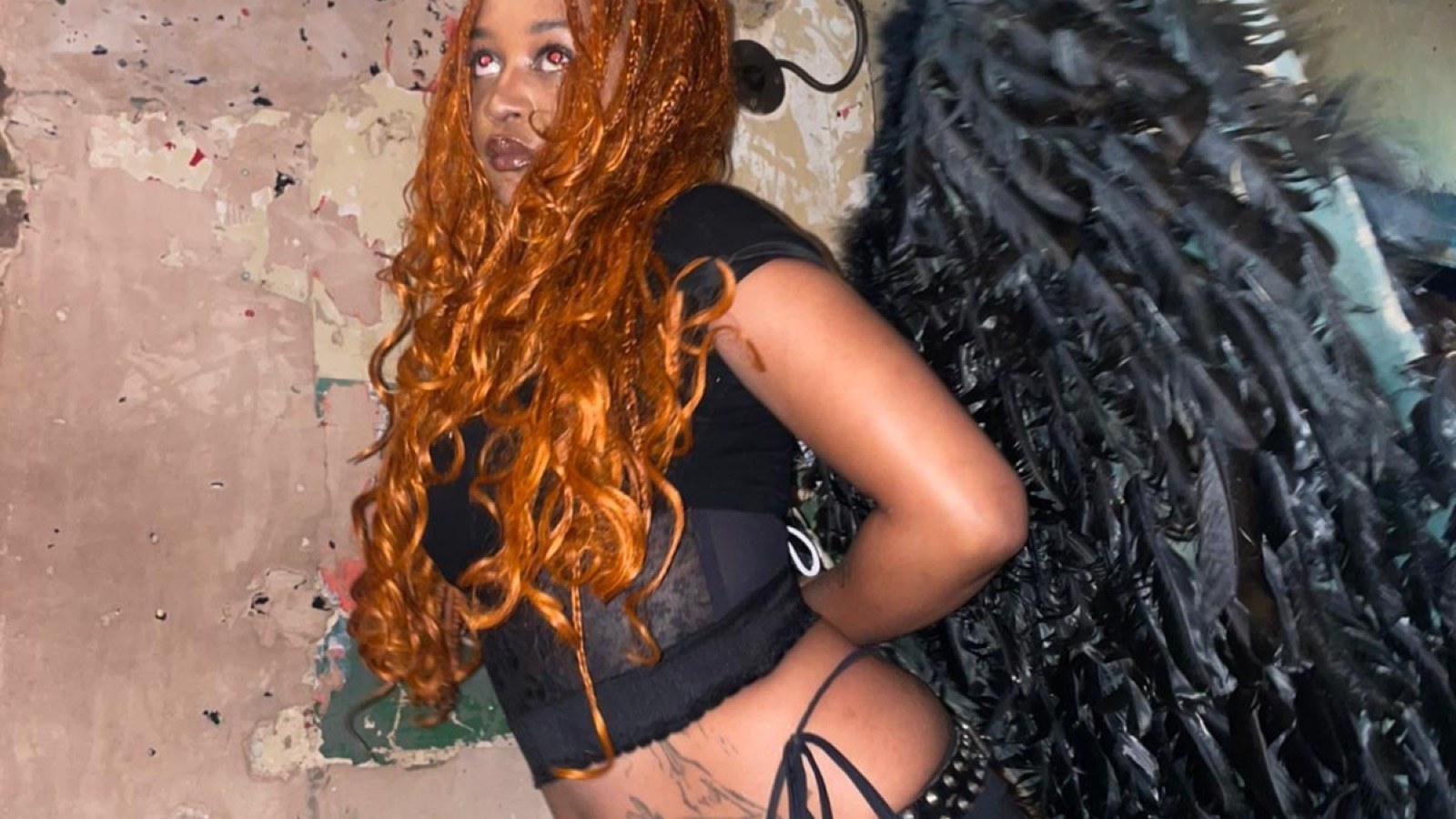

Made during a period of recovery, K/B FOREVER, the new album by the London artist KEYAH/BLU, is a diaristic account of the artist’s past few years and a stylistically diverse statement that functions as a tribute to her musical life in her hometown. For non-Londoners, it conjures a vivid sense of place, both in its musical choices and lyrical focus. We sent some questions over to the artist about her history in the city, the genesis of this new project, and a whole lot more. We even get some tips on how to properly open up a show for a bigger act. Read the piece and listen to K/B FOREVER below.
Could you tell us a little bit about how K/B FOREVER came together?
It’s really just a collection of songs I’ve made over the past couple of years that I felt made sense together. I feel the record is a good reflection and representation of some of the ideas I’ve been experimenting with. I’ve been pretty quiet for a really long time but I finally feel like I have something to say. K/B FOREVER is a moniker I’ve gone by since I started making music and it’s something my friends and fans have come to know me by. I think the phrase alone has really been something that’s kept me going during the times I haven’t been releasing or making music. It’s a reminder that no matter what happens, I’m still that bitch, and that I matter. The things I have to say matter, even if for no one else but myself, it’s important that I continue to exist and express and live unapologetically. And when I die I can say that I truly lived and loved and made art that I cared about, and I think those things make you immortal. You live on, forever.
You wrote a song that references the Euston train station. How much time do you think you’ve spent there in your life?
Referencing Euston was kind of a play on the phrase from the movie Apollo 13, “Houston, we have a problem.” It was me admitting that I was struggling at the time I wrote it. I said Euston because it was the station where I’d catch the train to see the guy I was in love with at the time. He was really helping me through a bad time but I ultimately had to leave because I needed to work on myself and I didn’t wanna hurt him anymore. It’s also just a really bizarre place. Like a constant hellscape at any time of the day. I try not to spend much time there.
Do you have any formative memories of listening to music growing up? How much has living in South London affected the way you write songs and make music?
I remember being in Ibiza with my dad when I was in my early teens and he had hired a car for the weekend, and we were driving along the coast and he played me Chanel Orange. It was the first time I had really listened to a whole album back to back and felt like it was a part of me. It’s all I listened to for about three months. When I was 9 until I was about 11 or 12, my mum used to host a neo-soul fusion night in Camberwell called “Organic” upstairs of what used to be The Funky Monkey pub and rehearsals would be in my living room. I used to have to get to the venue early and sneak in so that I could watch the show. Being so immersed in live music, and in my community from a young age has very much affected how I approach and feel music. I met a lot of my collaborators and friends in music growing up in South London. Some of my favourite artists of all time are from here. I think there's just something in the water, honestly.
Any new London artists you’ve been feeling lately?
I think the bands Lo Simple and Hitmen are incredible bands. I’m really into Margo Raats and Ives Missing. Asian Paper are killing it. MISFYA is a sick producer. Ceebo and Chefbk are hard. It’s really exciting what’s going on in London across the whole spectrum of music and genres. I think we’re really doing our big one at the moment. Myself, too, obviously.
How did you link up with Gal Go for “Up To You”?
We lived in the same building during lockdown and became really close friends. When I was putting the project together he was one of the first people I played it to because I look up to him so much as a musician and I share everything I make with my friends way before the world ever hears it. I had already written the song but knew it was missing something so invited him over to play around on some of the tracks. The way he plays the sax is insane and I knew I had to have it somewhere on the project, "Up To You" just felt like the right song. He recorded about 13 minutes of sax, and then I went away and arranged my favorite parts in a way that felt complimentary.
There are a fair amount of different styles on this record. For example: the high-energy dance rap of “Rudolph” goes straight into a track with jungle influences. How did you decide what the stylistic guidelines around this record would be?
I think the whole point was to reject stylistic guidelines. It's a mixtape of things that I've made over the years and contains elements of a lot of what I enjoy making. I didn’t overthink it at all. I think over time my style has evolved, so there's a difference between songs I made two years ago and a song I made three months ago. I keep being told to find a niche but I wanted to do this to prove that I can make something with lots of different styles and ideas and it still feel cohesive. I'm not really sure what my "niche" is, I just like making good music. I’m still working on it and still learning and ultimately just trying to be as good as I can. I want to be an incredible, undeniable artist. I think I can only to that by mastering and understanding lots of different kinds of music.
You’ve done a fair amount of support gigs. Any tips for playing to a crowd unaccustomed to an artist’s music?
I think just going up there and being yourself. Knowing who you are and owning it is half the work. I think my best shows have been the ones where I’m not trying to impress anyone. I go and I’m honest and vulnerable and I think that’s what my fans enjoy about me. Everyone has something different to offer, I think you just have to figure out what that is and go for it. Rehearsing lots probably helps, too.
Why did you choose to end your record with “Corridors”?
I think a record should be a journey and tell a story of some sort. "Corridors" sort of felt like the scene at end of the movie after the credits, that teases the next movie. It’s hopeful, and asks the question “what are you gonna do next?” to myself and the listener. It felt like riding into the sunrise. I wanted to end the record on something that felt like going home after the afters.

%20(1).png)