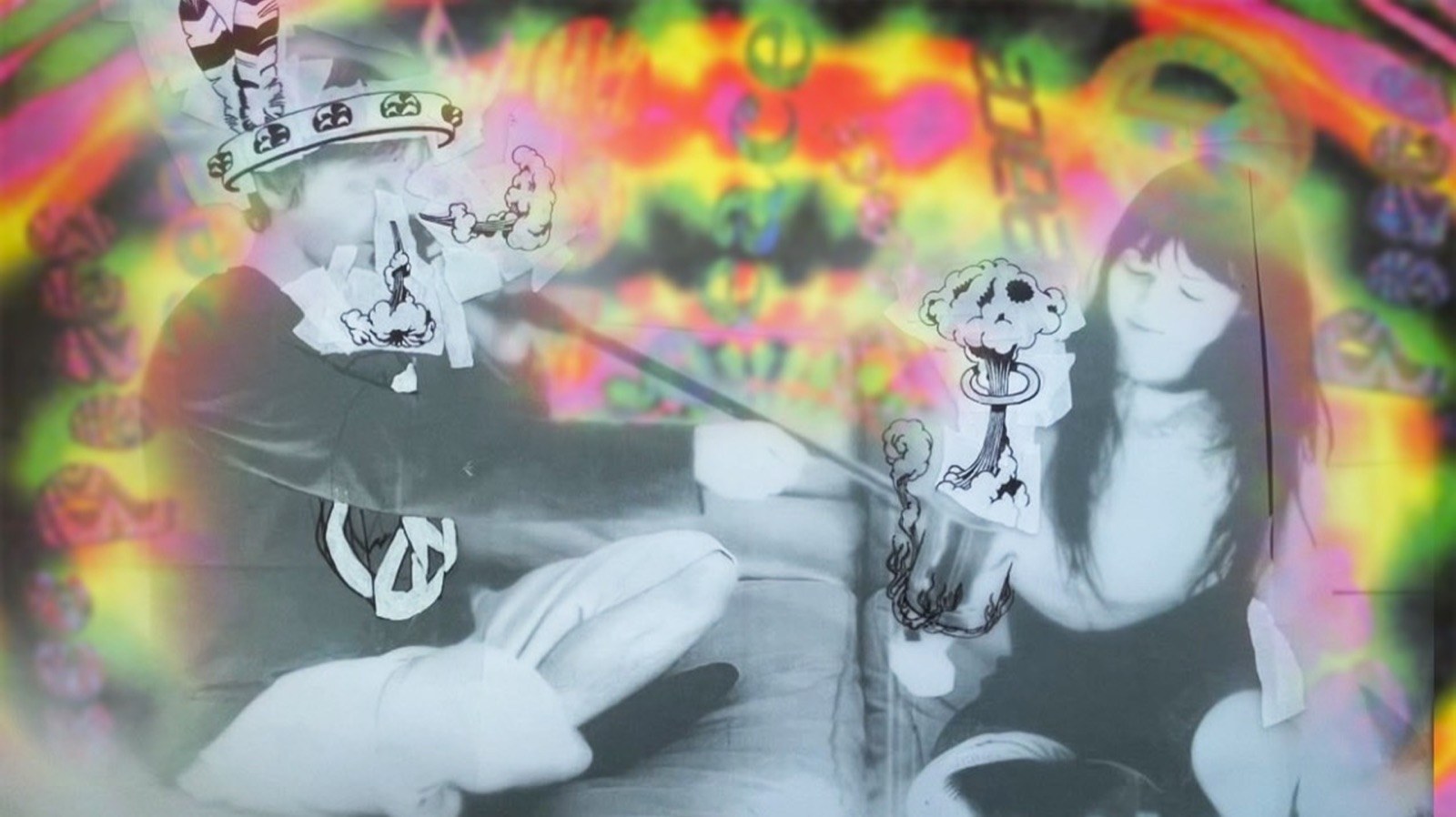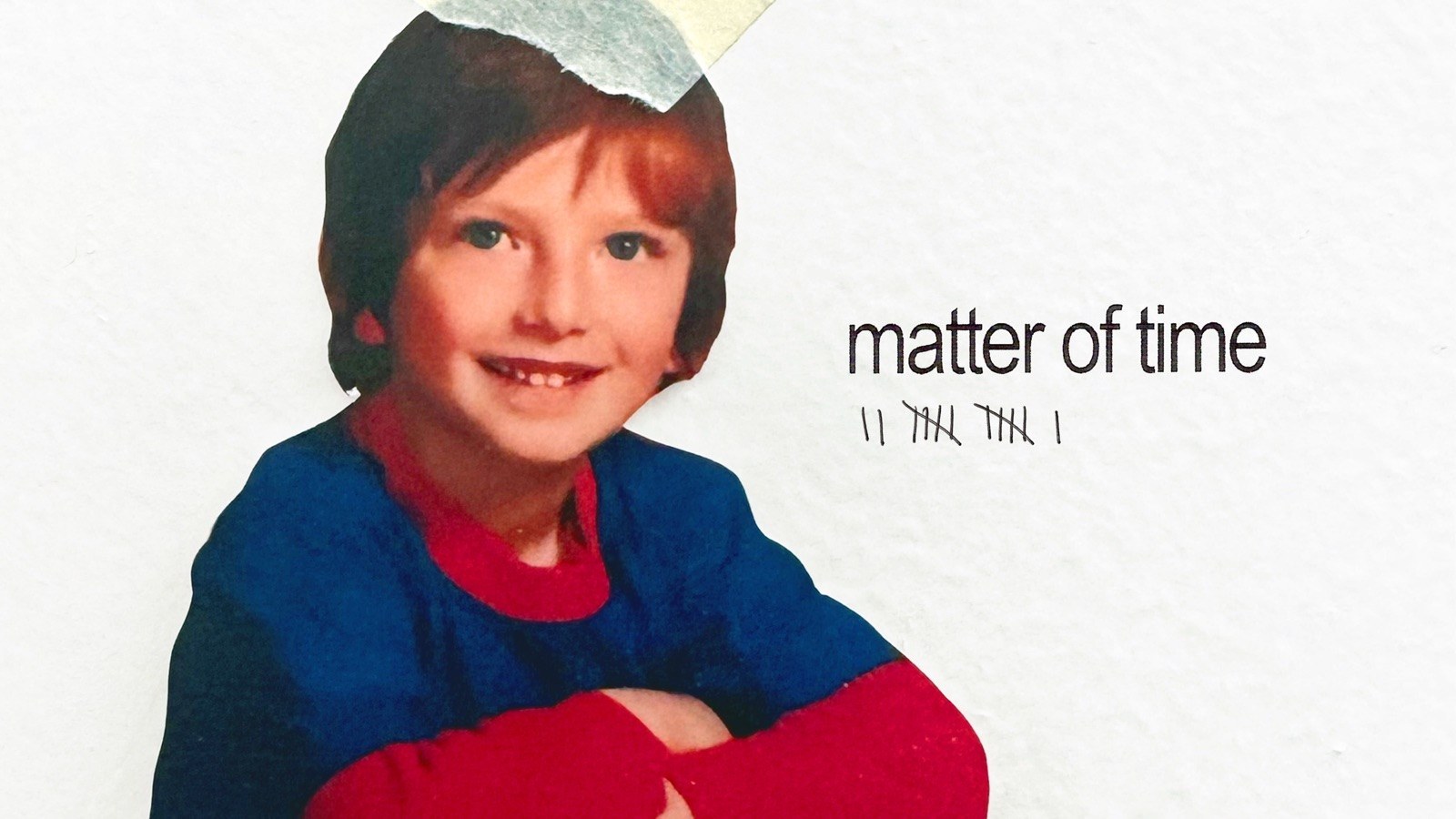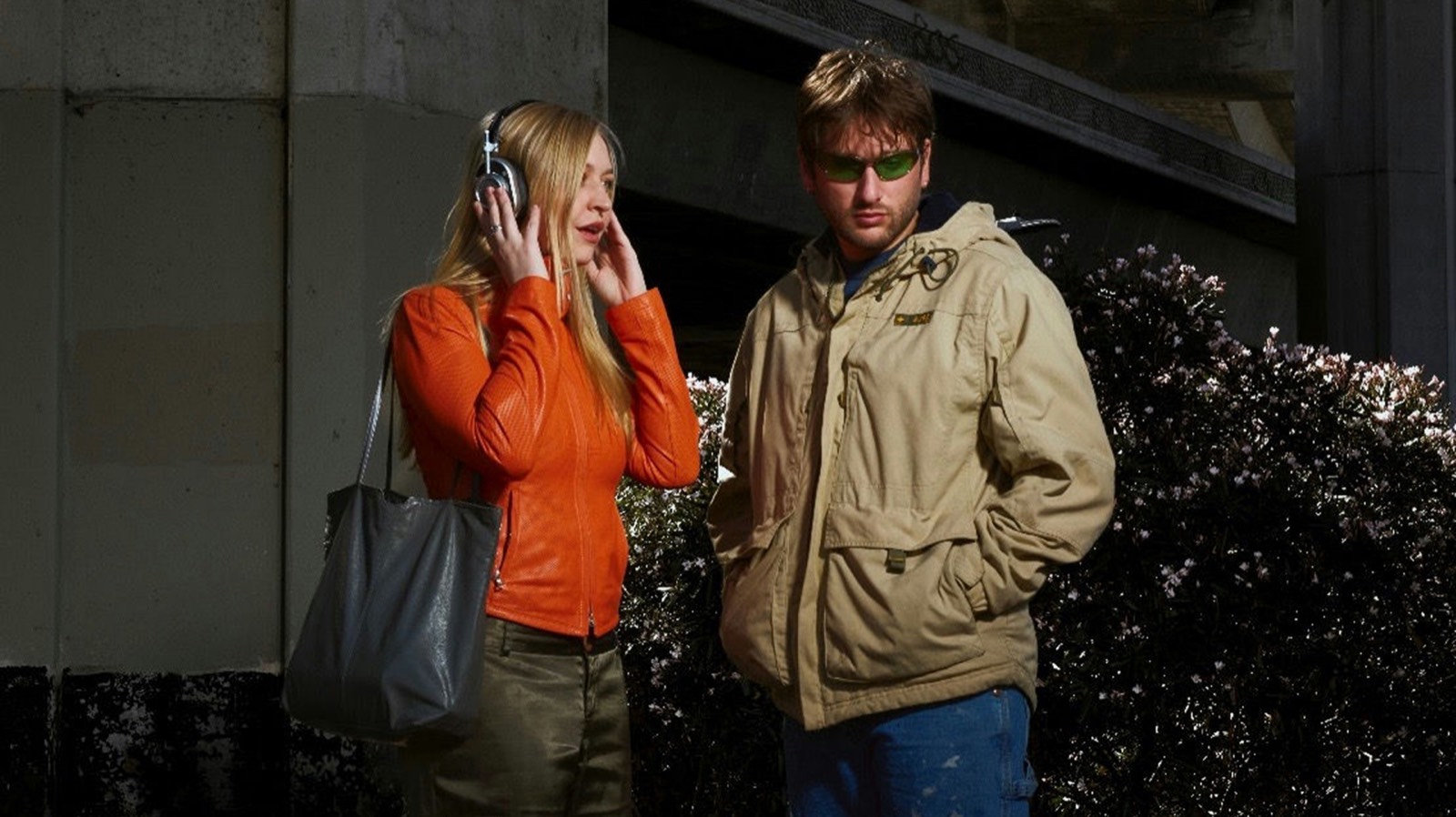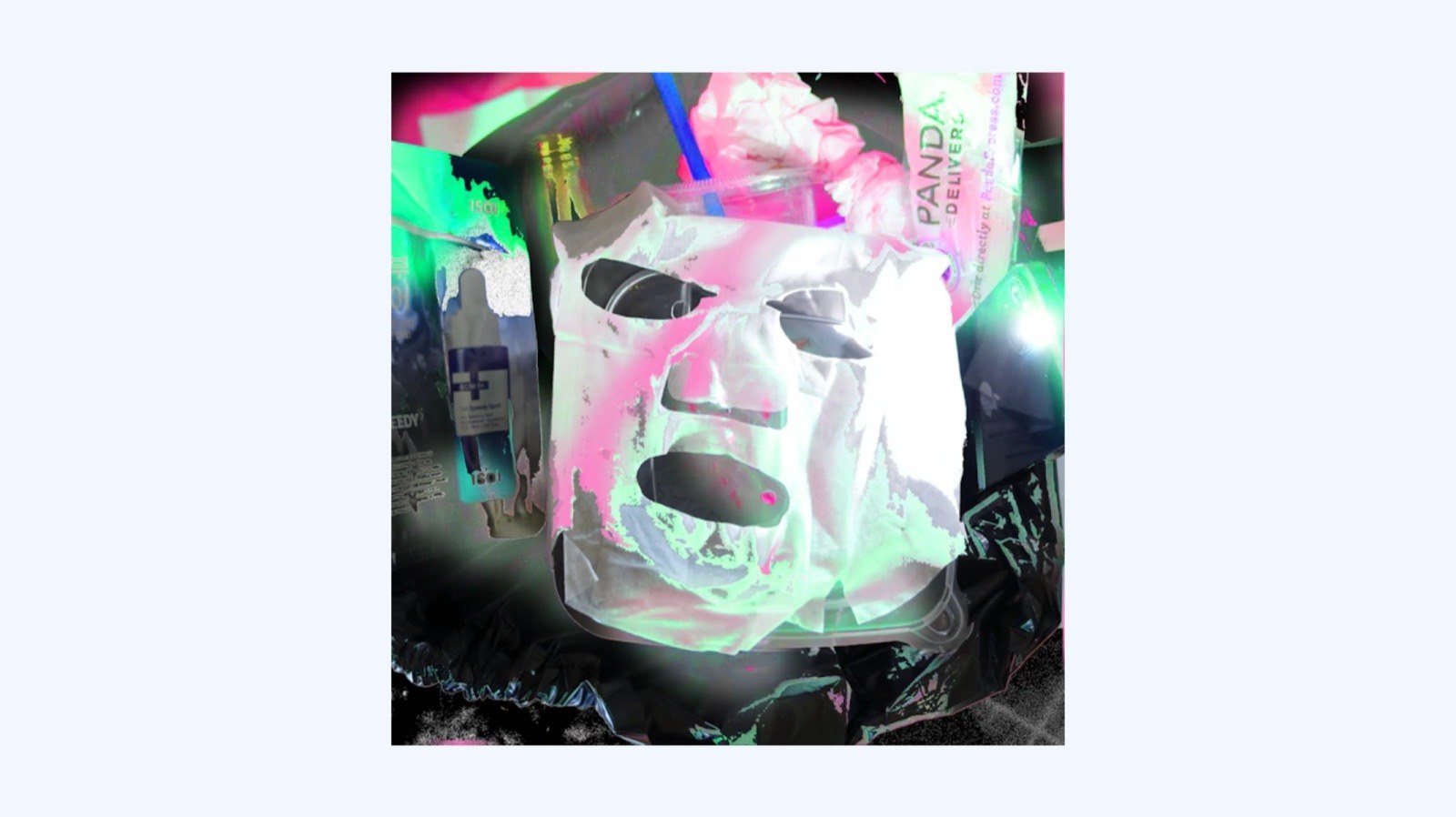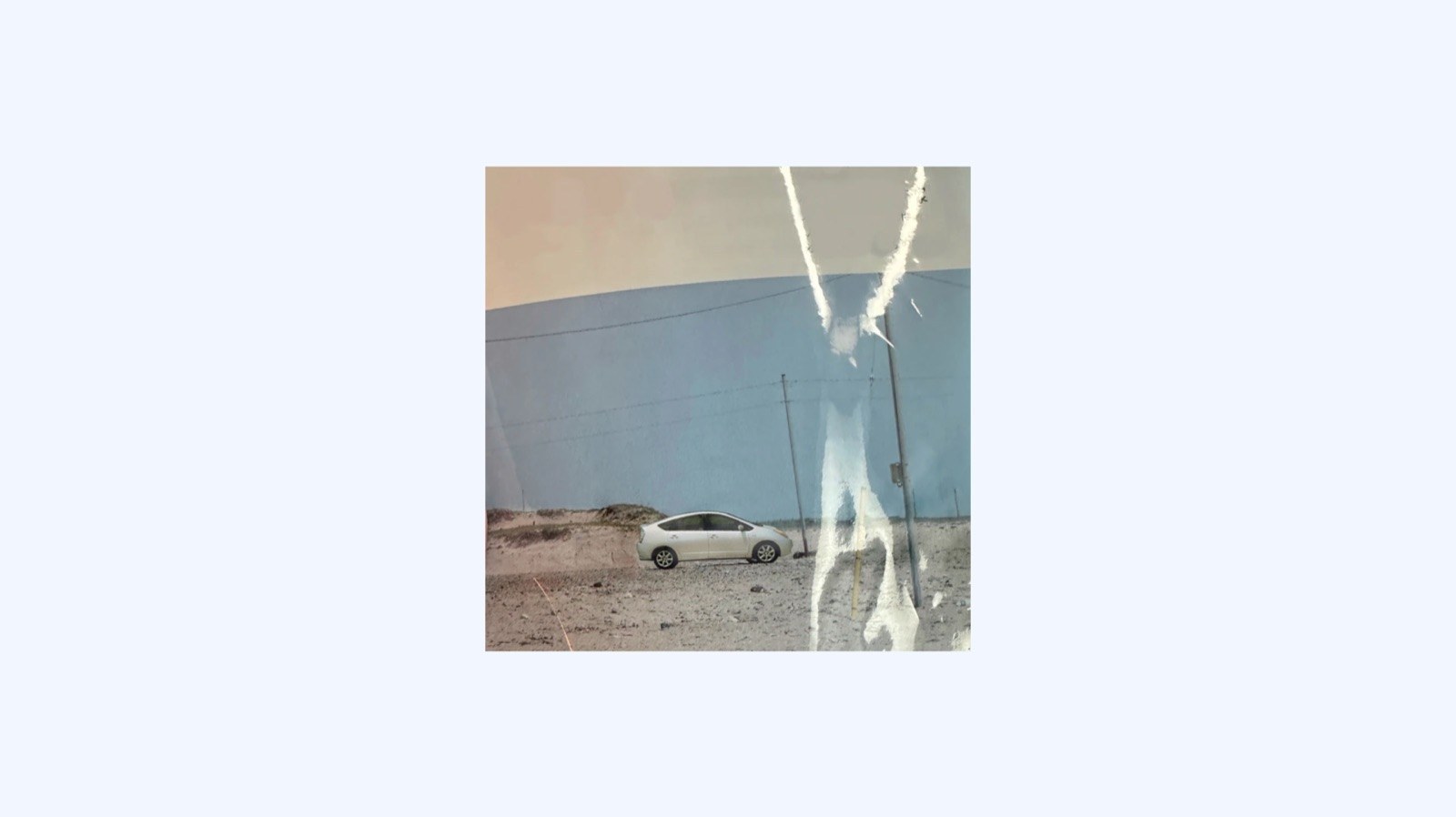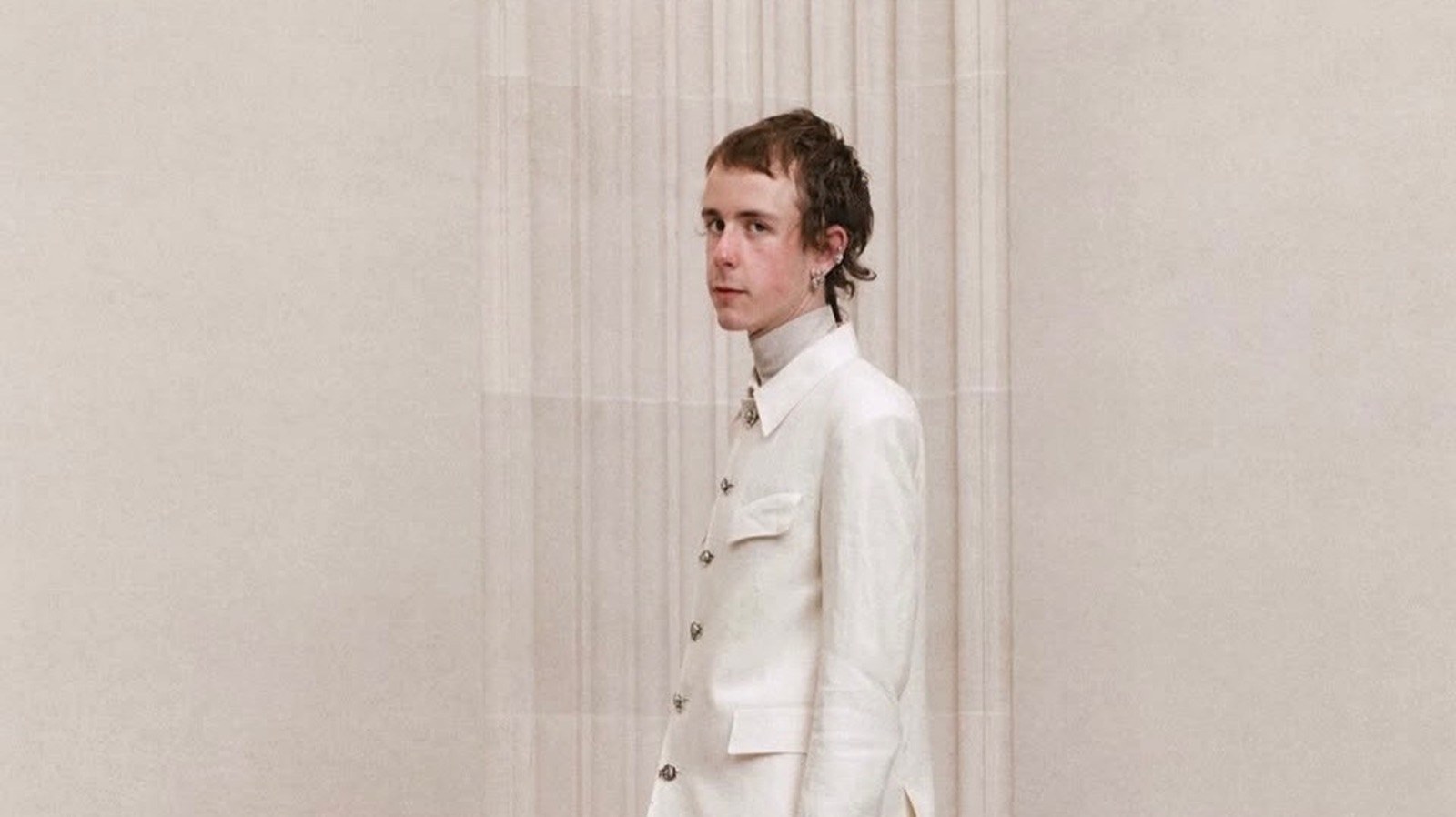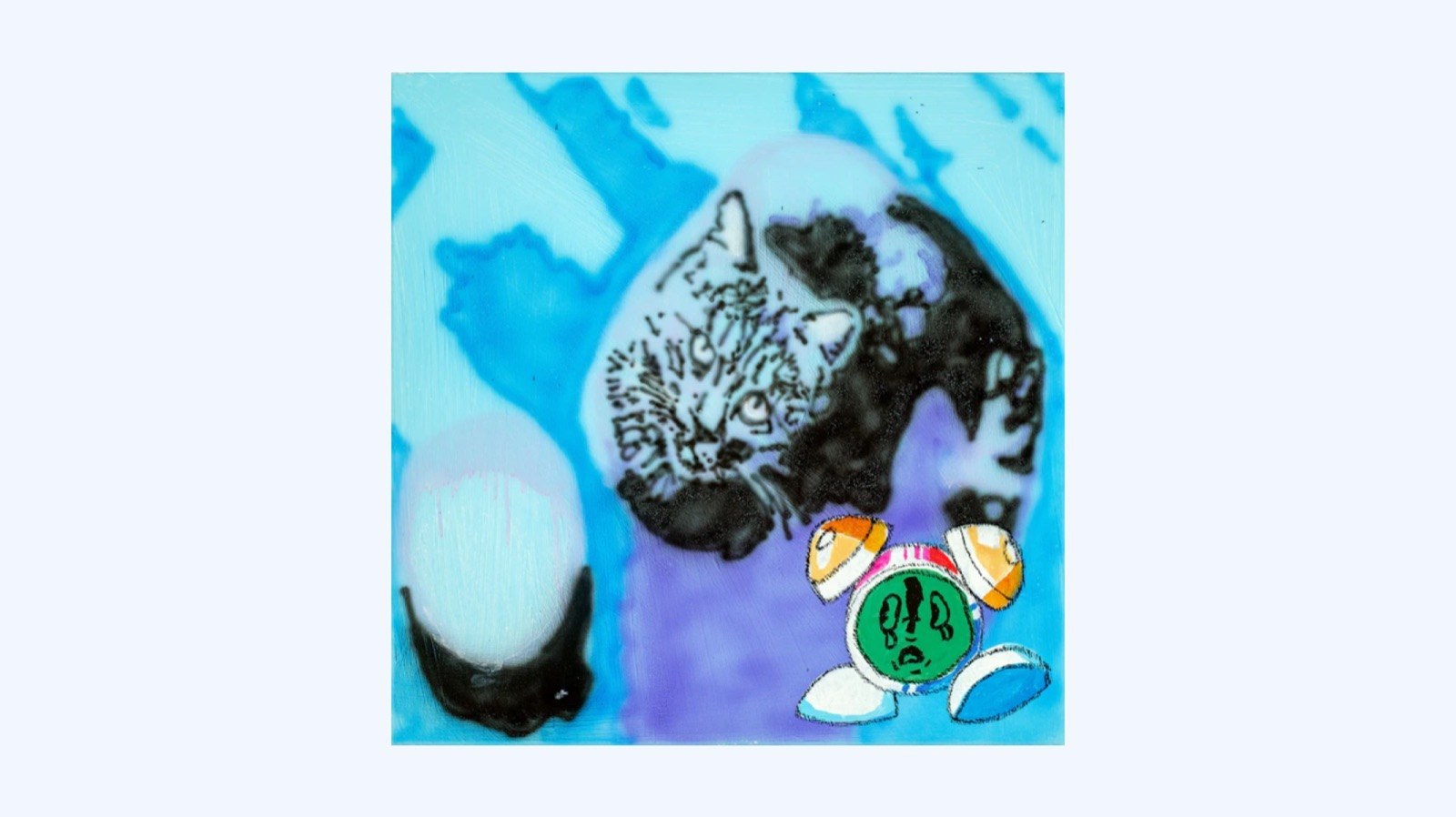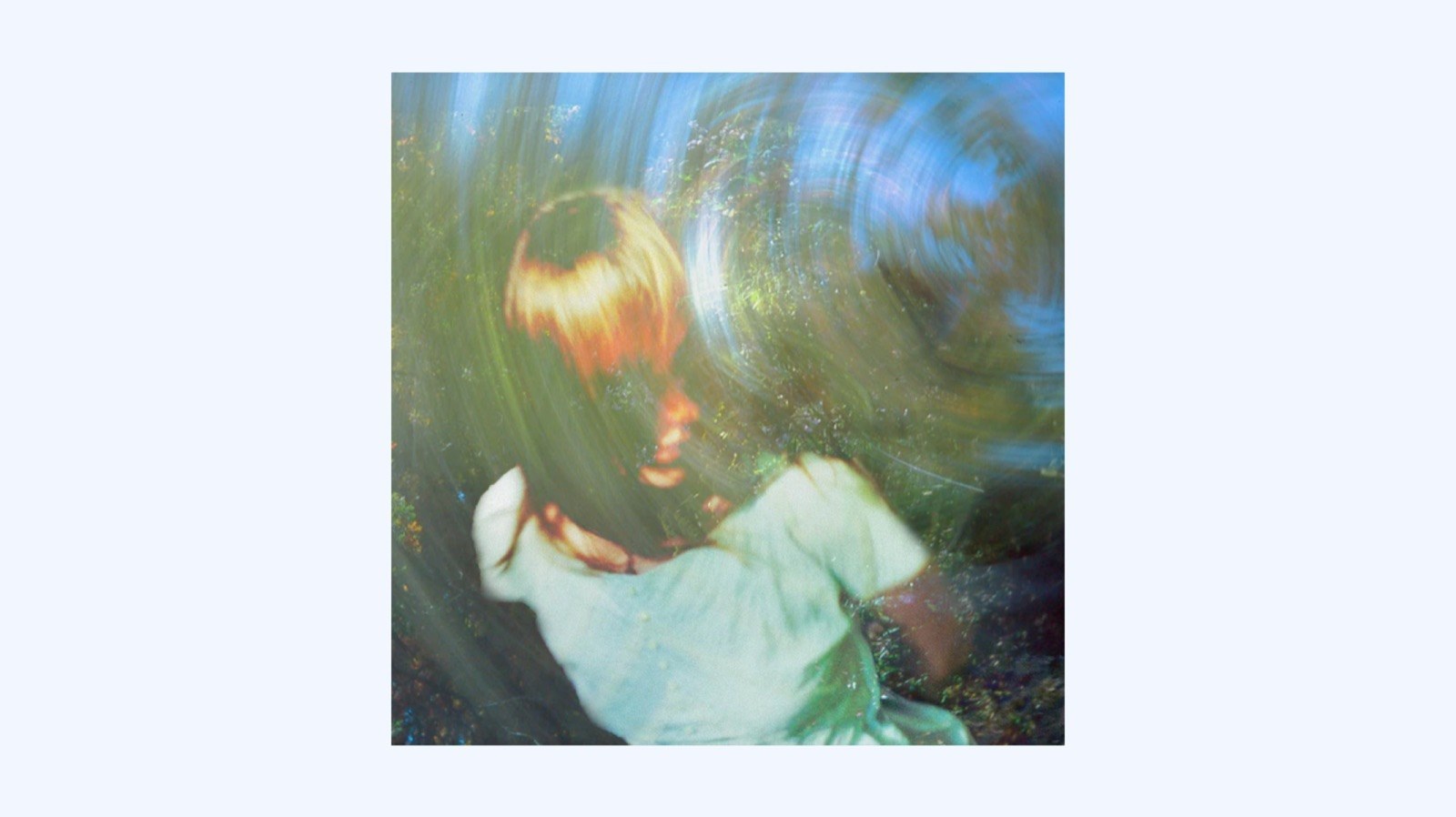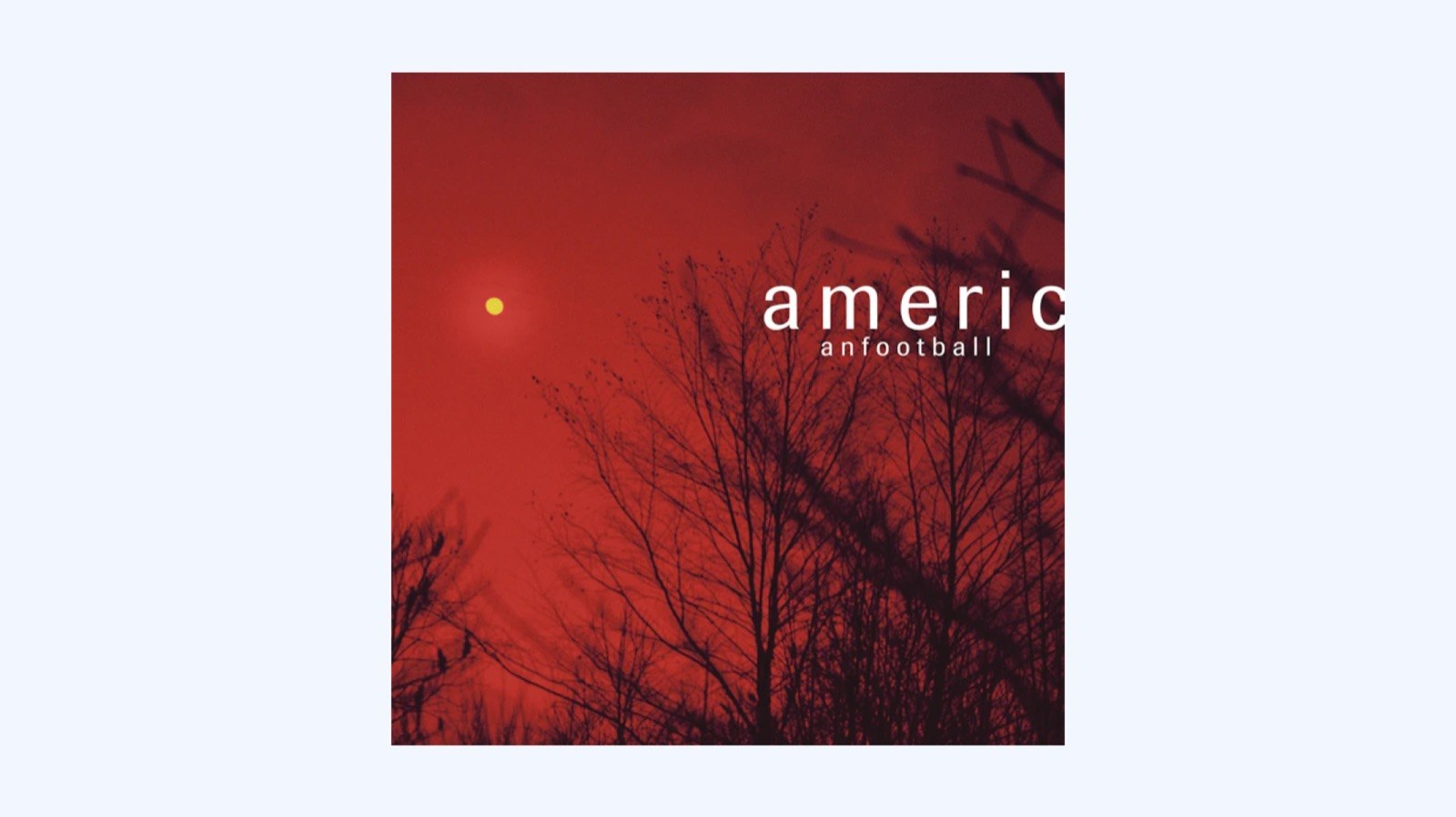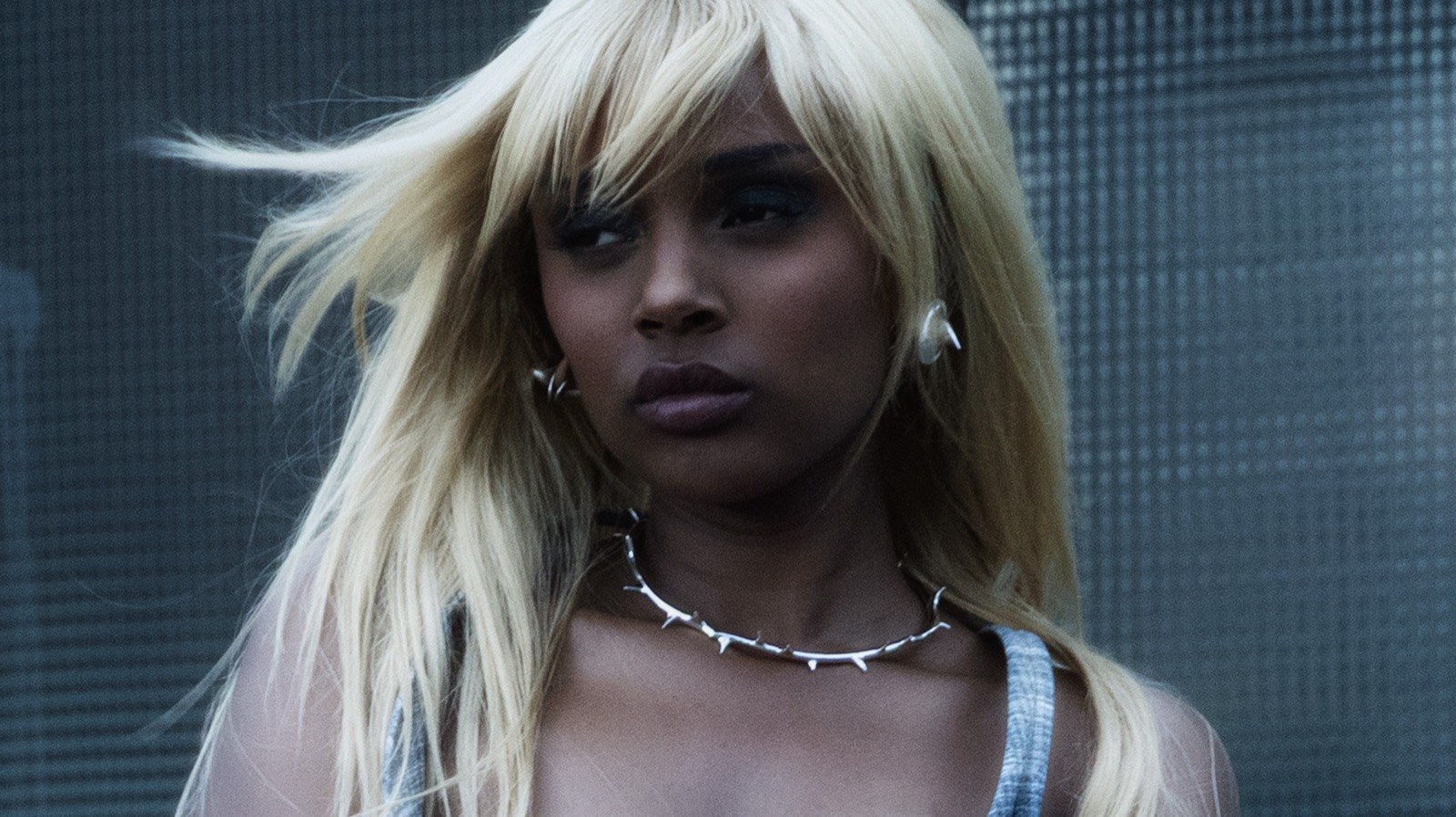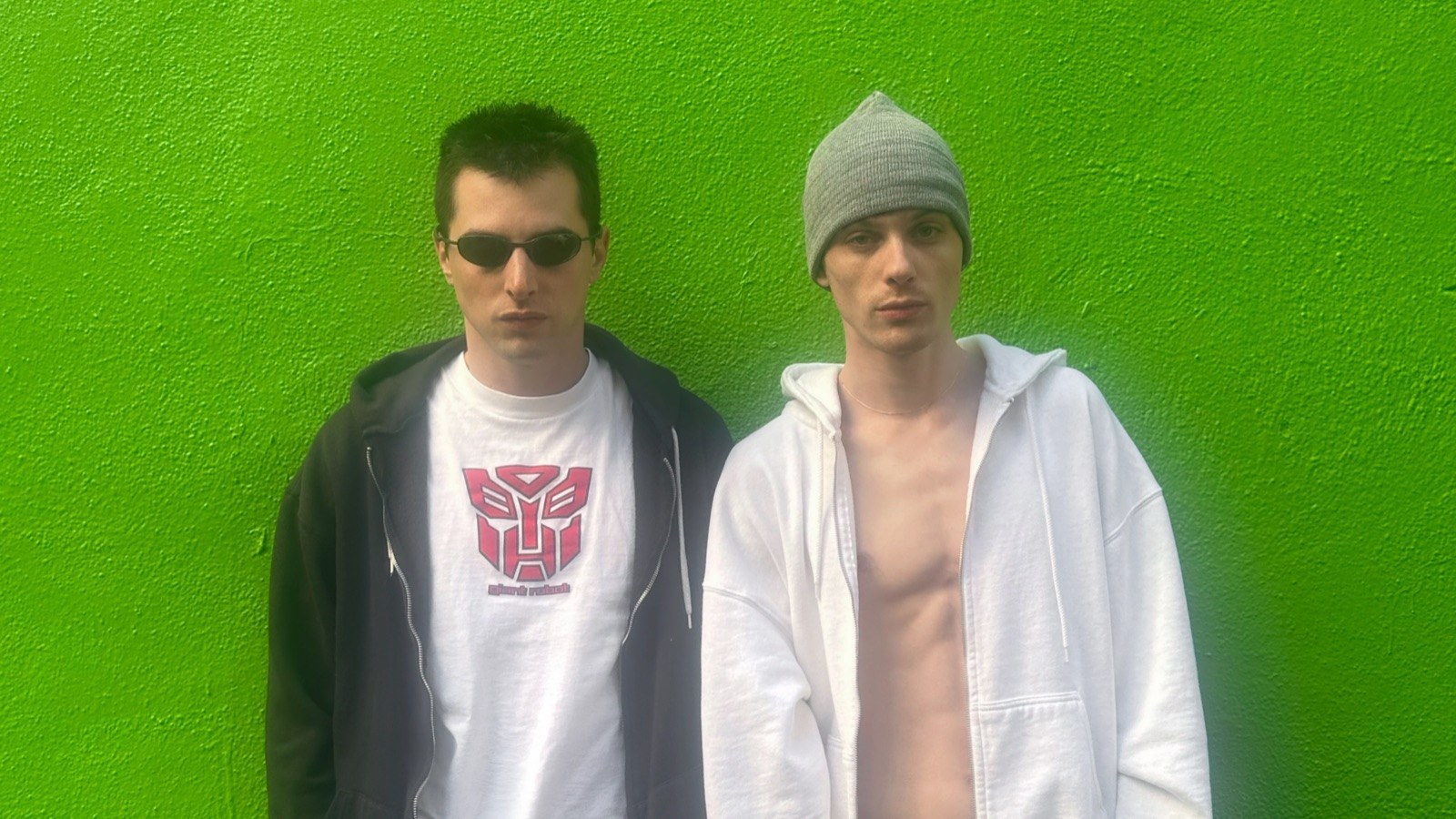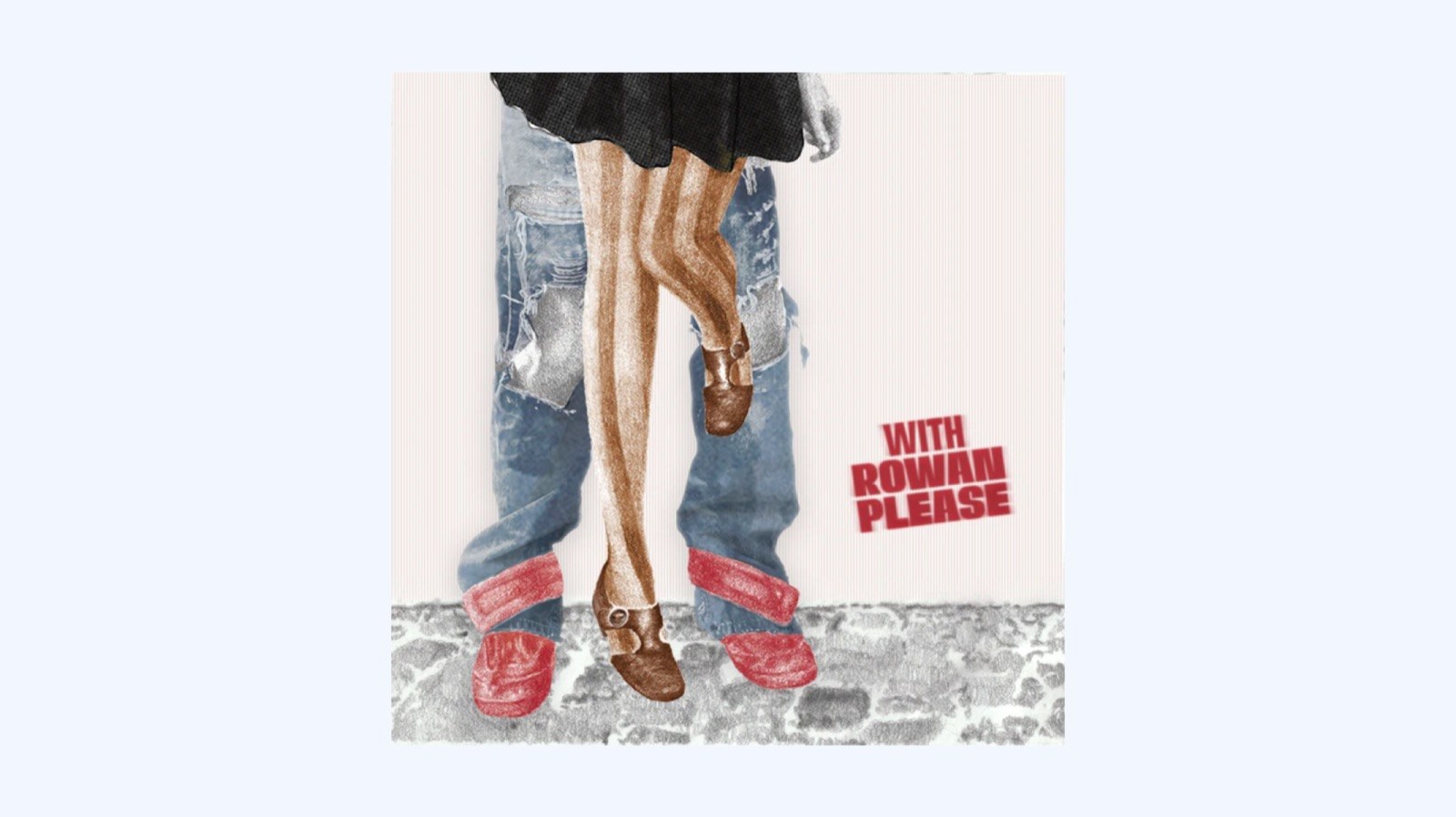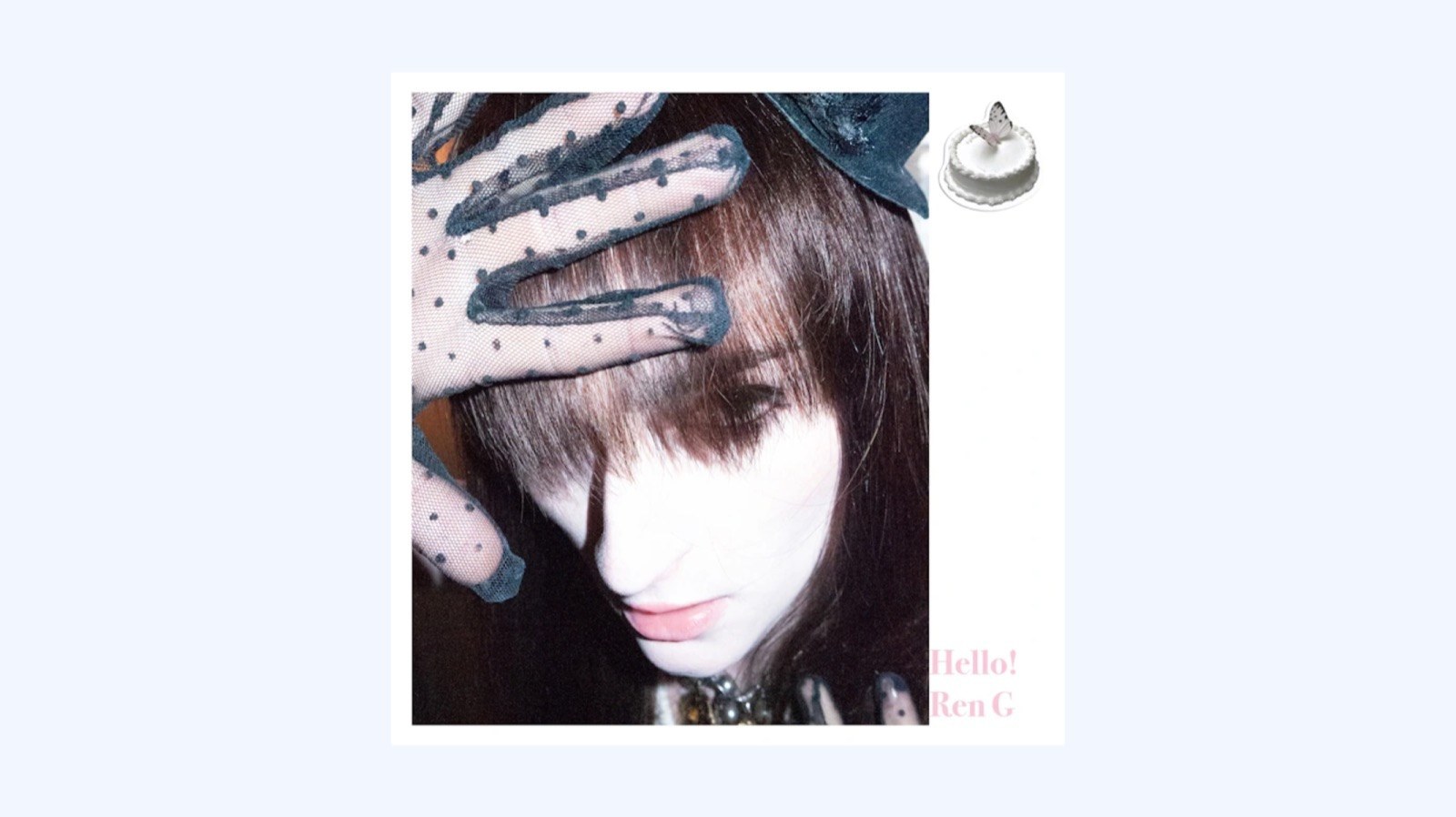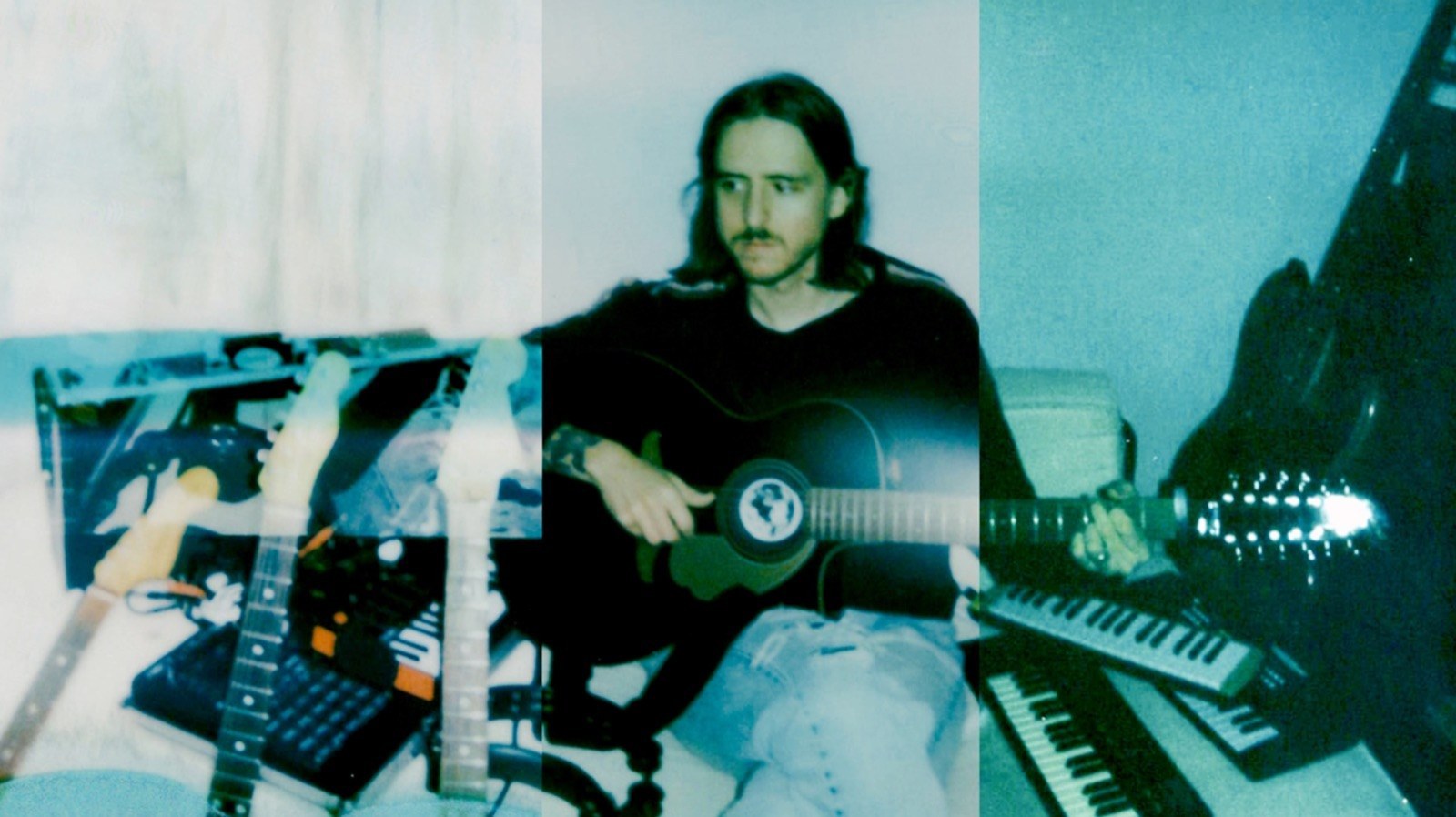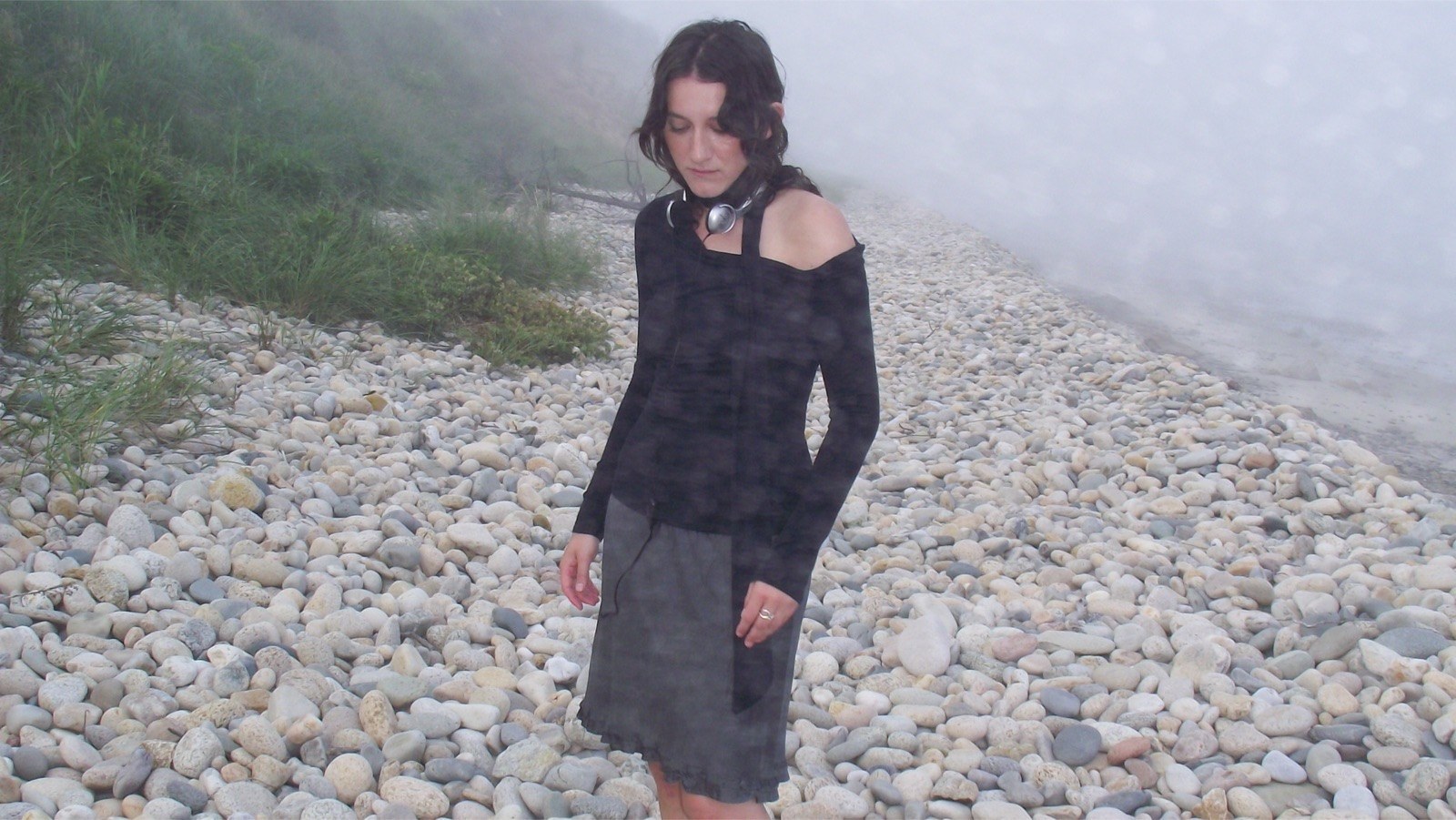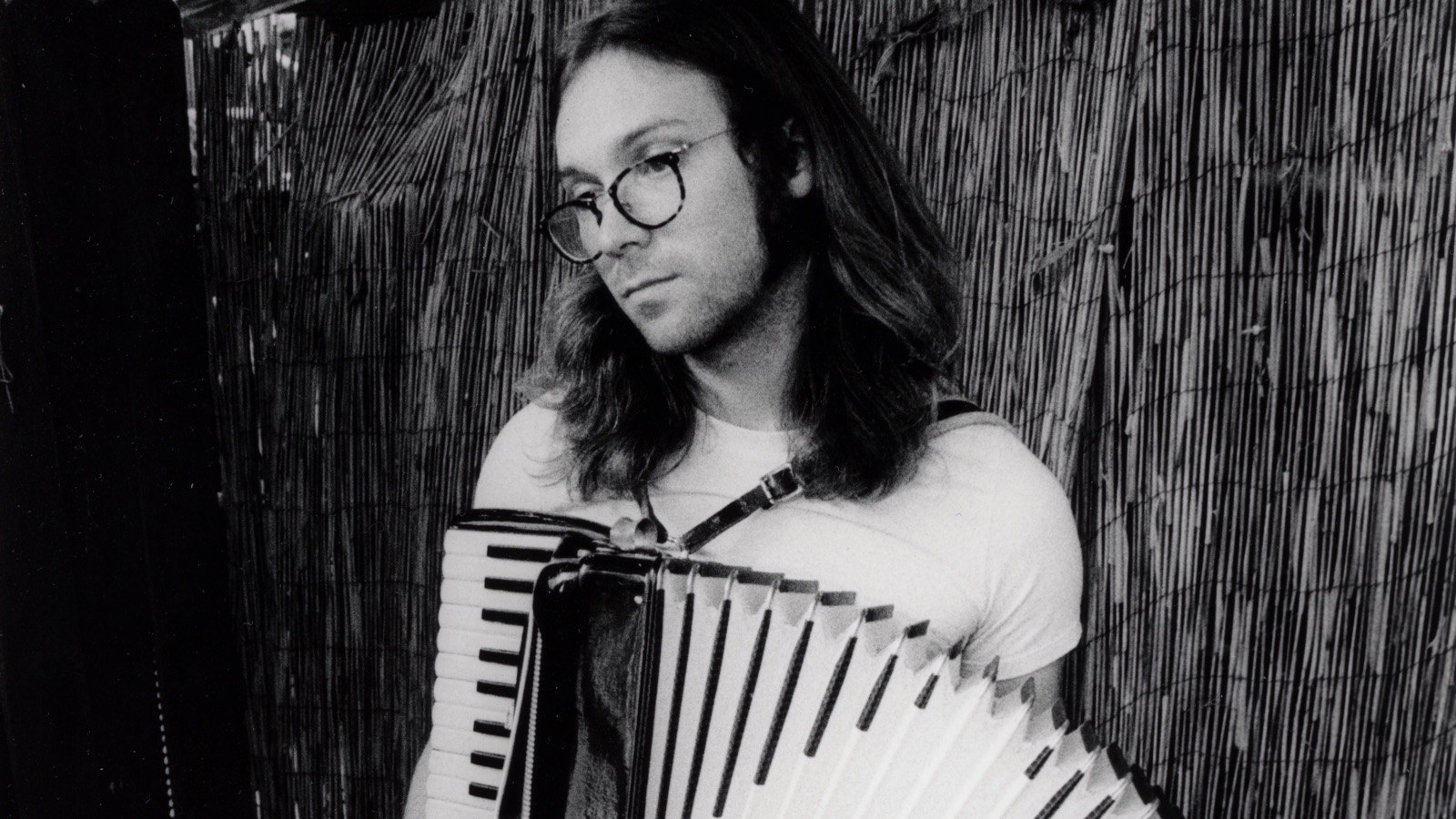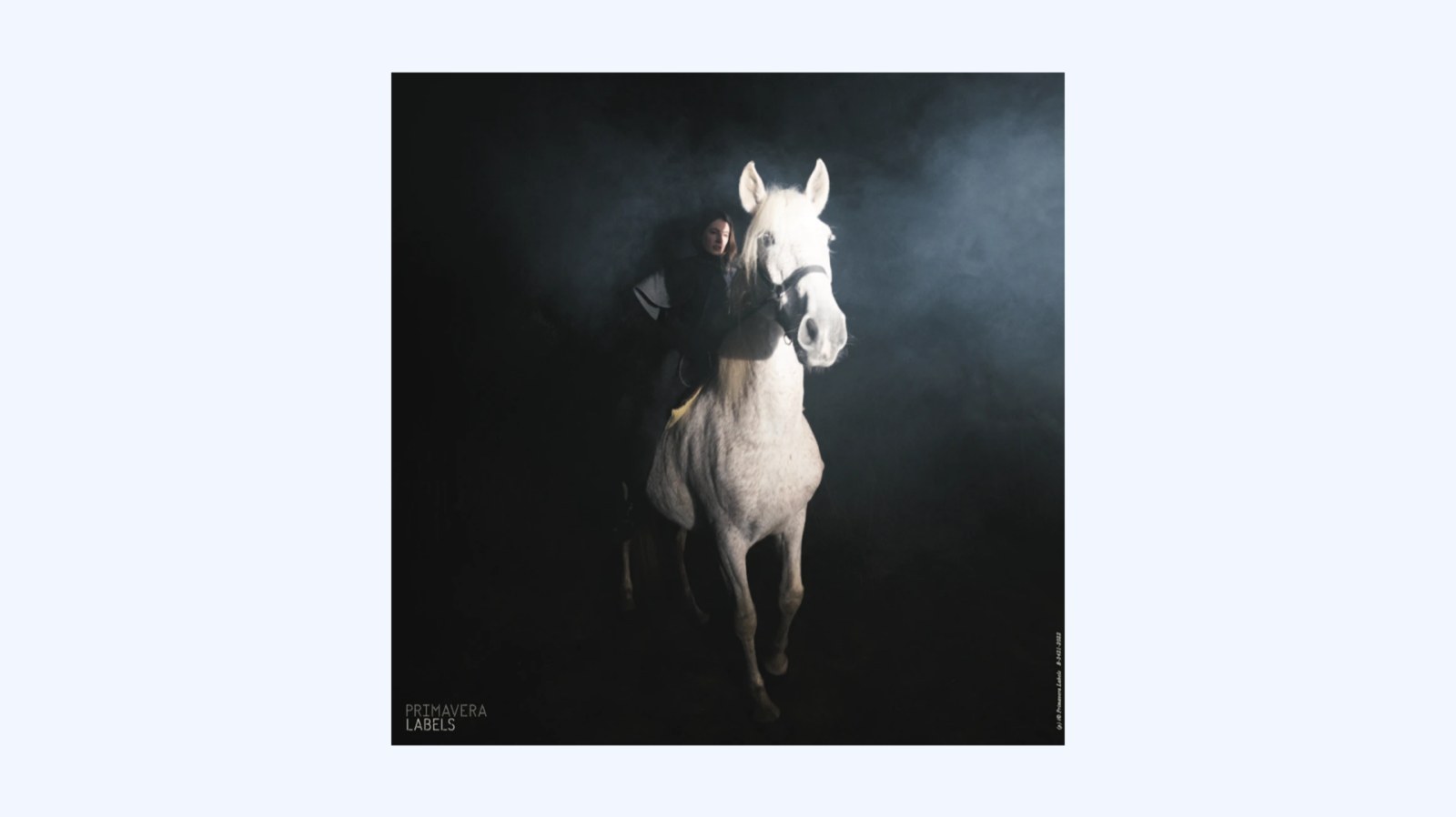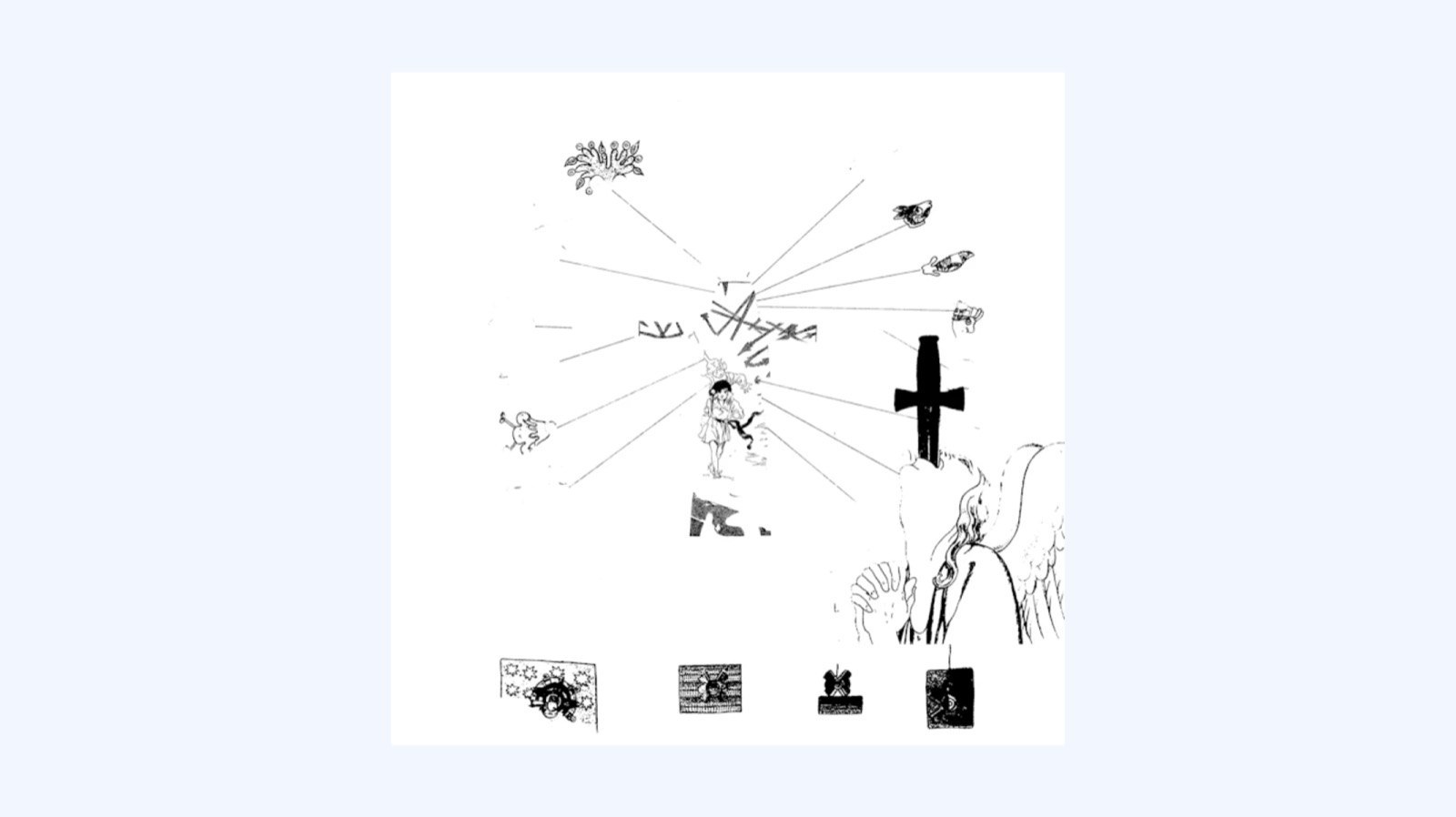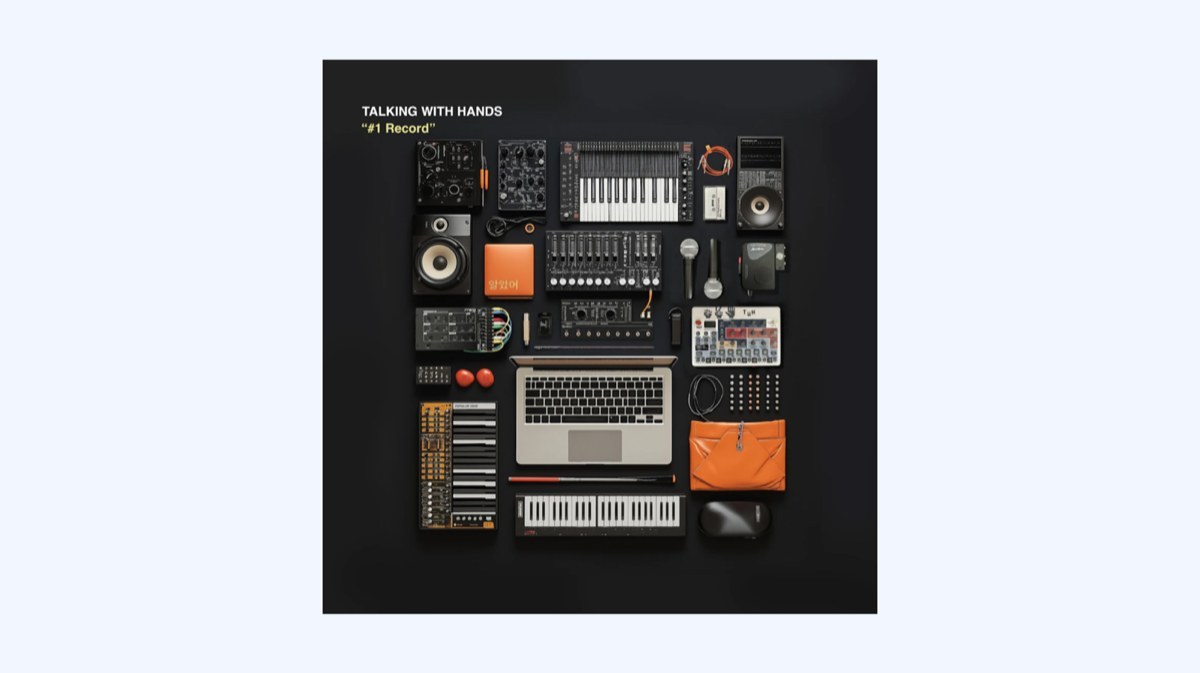

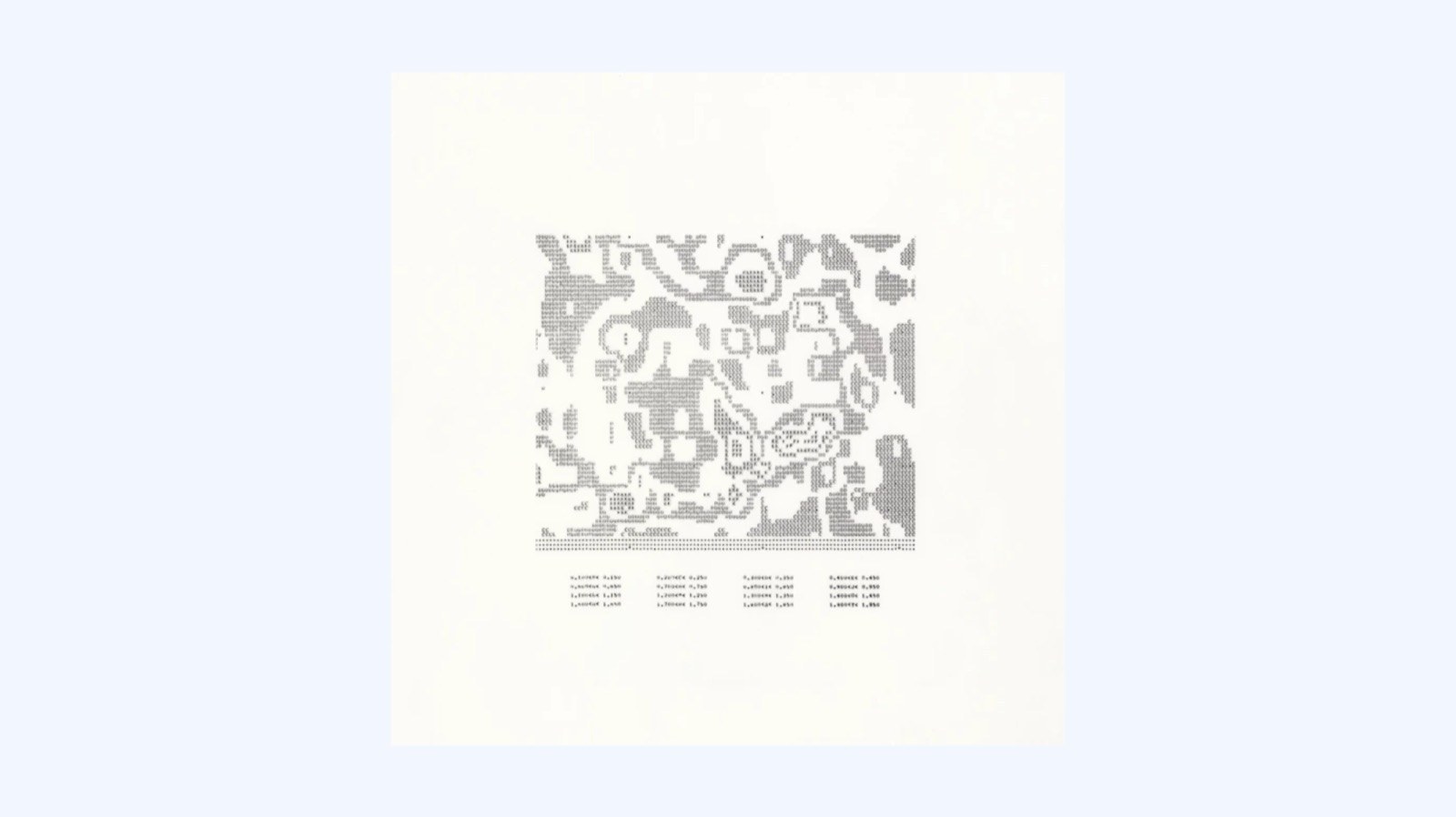
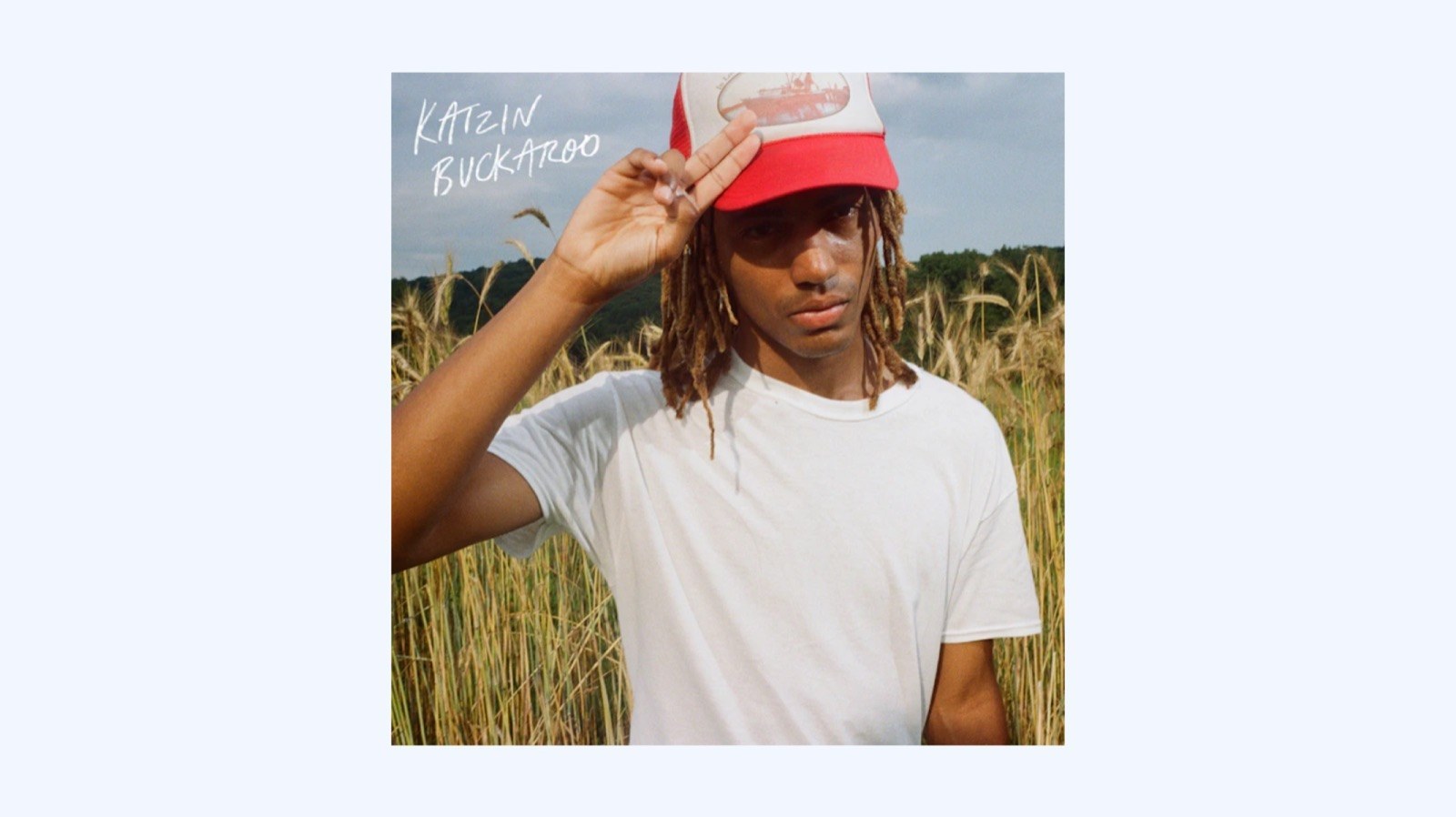
The Madrid artist TRISTÁN!’s most recent album is full of sparkly psychedelic pop moments. It also contains some really good saxophone solos. Not a bad combination! For fans of classic Beck, classic 60s Spanish pop and rock music, or some combination of those two things, the record will scratch an itch. In our interview, TRISTÁN! even points to James Ferraro as one major influence on Tristán, Ahora Con Reloj. The artist’s imagination, though, helps the project to transcend any sense of meta-pastiche. We sent TRISTÁN! over some questions; read the interview and listen to Tristán, Ahora Con Reloj below.
Could you talk a bit about the intro track on your new album? How does that set the stage for the music to follow?
For me, it was very important that the album opened with an instrumental track that could welcome the listener. I had this idea of using lots of different voices saying “hello” in multiple languages, and Roy (the producer) came up with the idea of sampling recordings from Voyager One. He’s a big fan of Carl Sagan.
There are some really classic pop songwriting moments on this album. What kind of music was inspiring you when you were working on it?
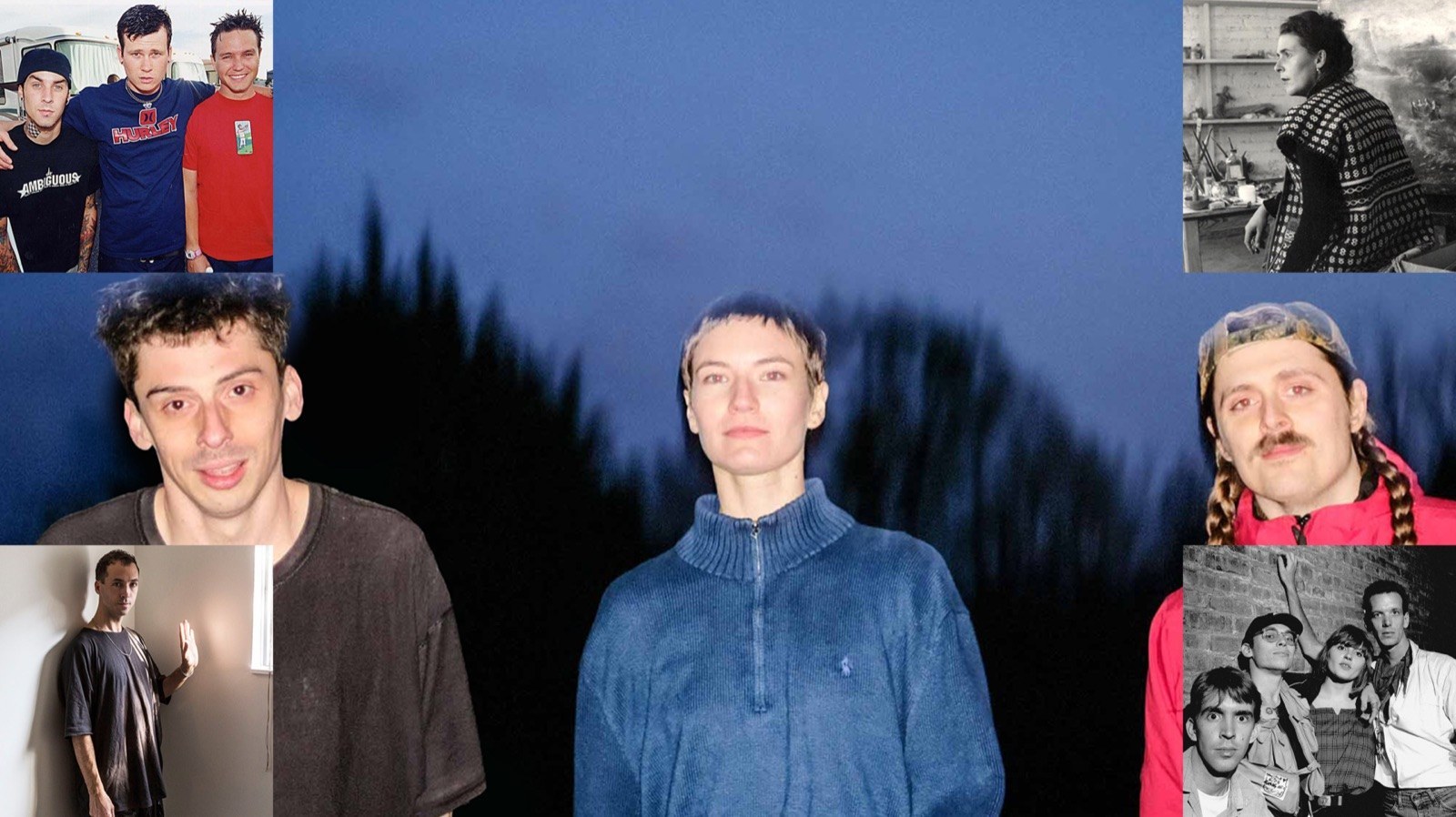
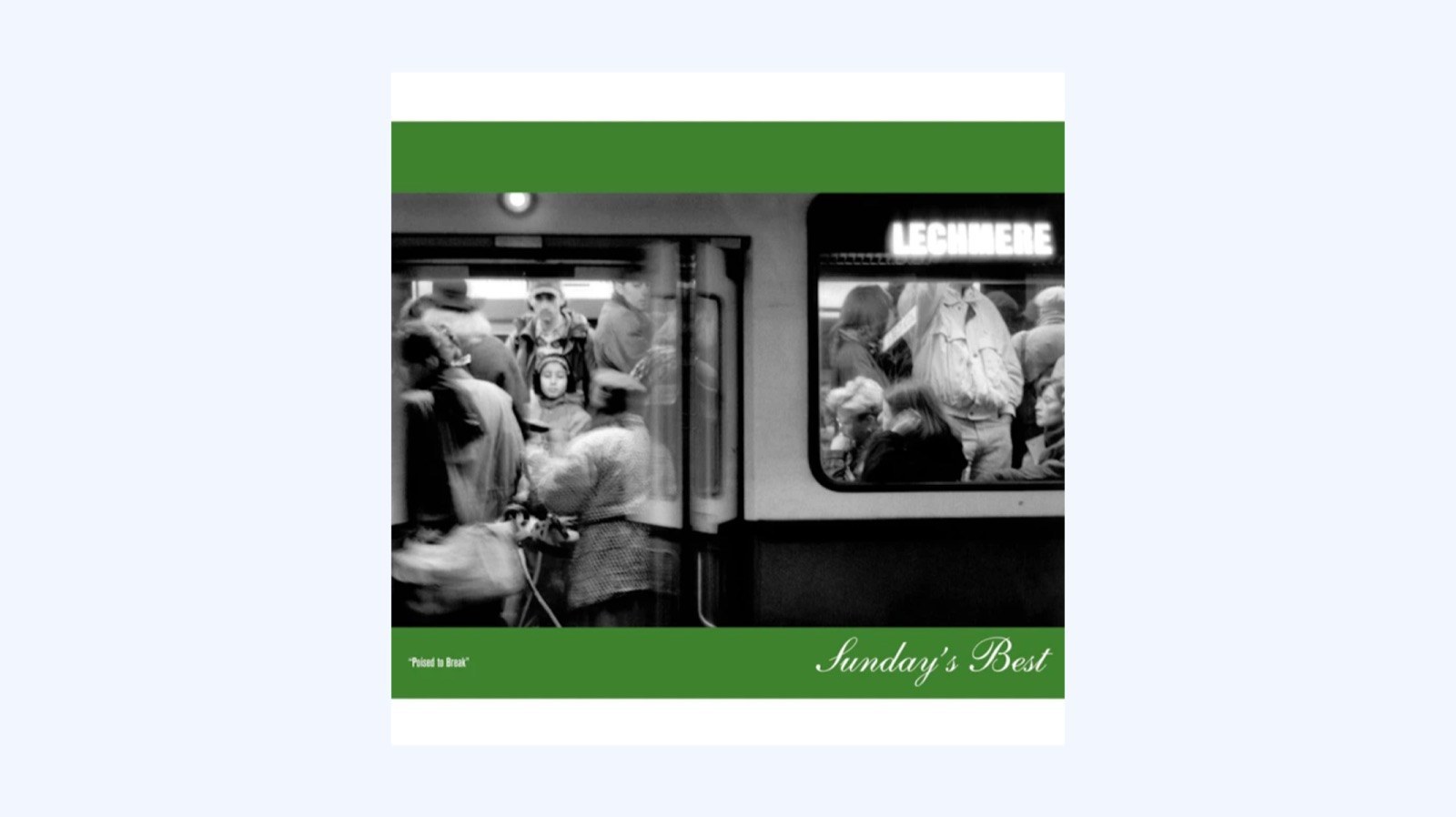
That was one of the things that interested me about this album, that most of the songs would have a very pop structure. I was listening to a lot of Italian music from the 70s and 80s like Battiato, Lucio Battisti, or Rino Gaetano, but also things like Cody Chesnutt, James Ferraro, or Eels.
What is it about saxophone solos that are so damn magical?
Before starting to make the album, I wrote some ideas of things that I wanted to be on it, and among them was the idea of having a saxophone. All the sax parts on the album were recorded by Nata Estevez. He is great!
“Voyage,” your collaboration with mori, is pretty funky. How did that tune come Together?
Roy and I were at his place in the morning and we started playing and during the jam the idea for “Voyage” came up. I started shouting nonsense to make Roy laugh, and that's how the lyrics came out. In the afternoon Martín (mori) came over, we showed him the track, he loved it, and told me to do it together. It was very fast.
What’s your favorite place to write songs? Do you ever write outside?
Almost all of the songs on the album were written at Roy and Teo’s house and we co-wrote most of the songs together. We usually worked indoors, but we wrote a couple of them out on the porch…
How do you know when a song is finished, fully produced, and ready to go?
Well ... it helped me a lot to have Roy and to be able to delegate the production. Even though it was a constant conversation, in the end he was on the computer. At first it was difficult for me, because I came from producing my own stuff at home and it's difficult to take distance, but Roy understood very well what I wanted to do.
What is the story of Rusia-IDK?
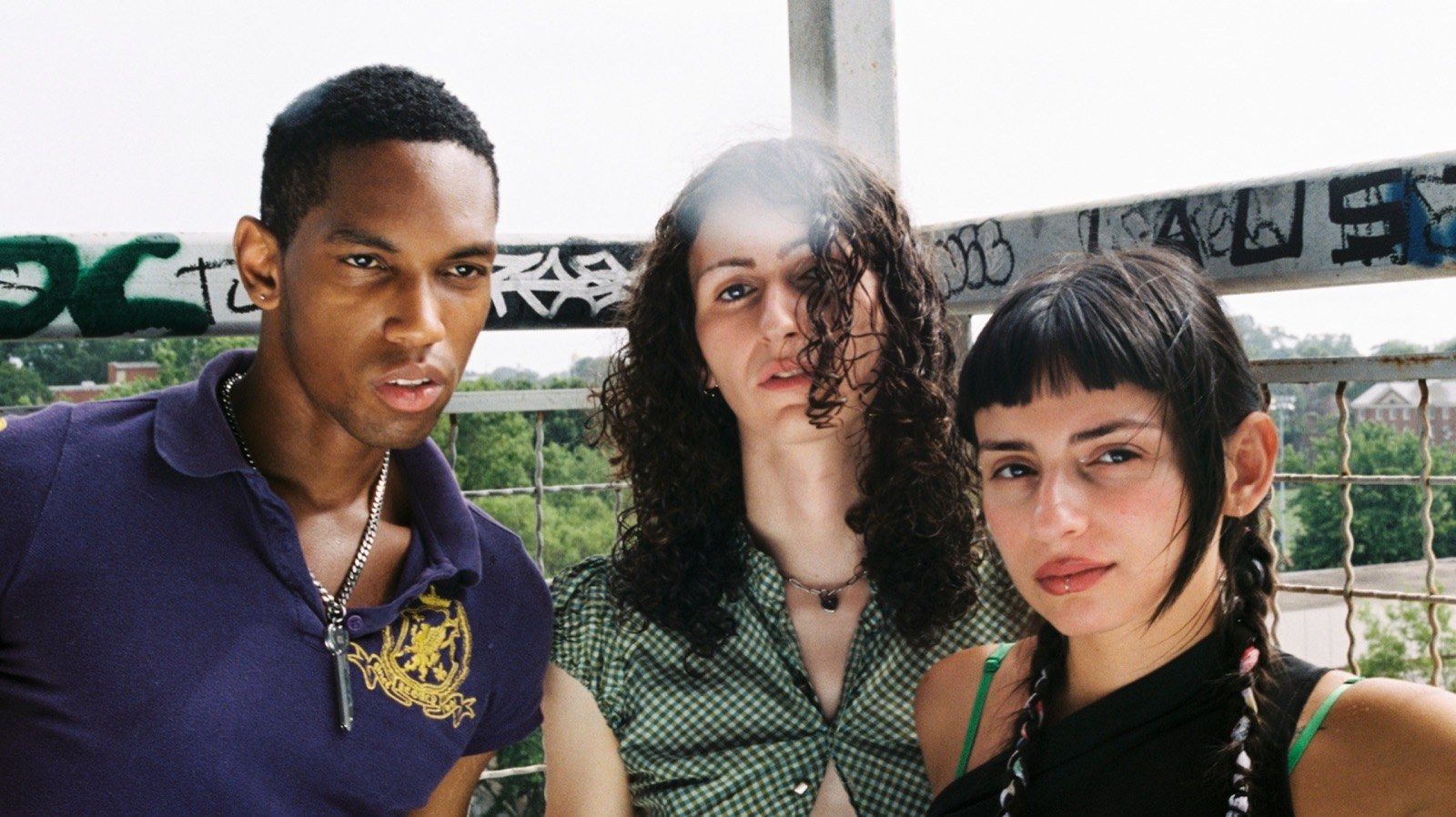
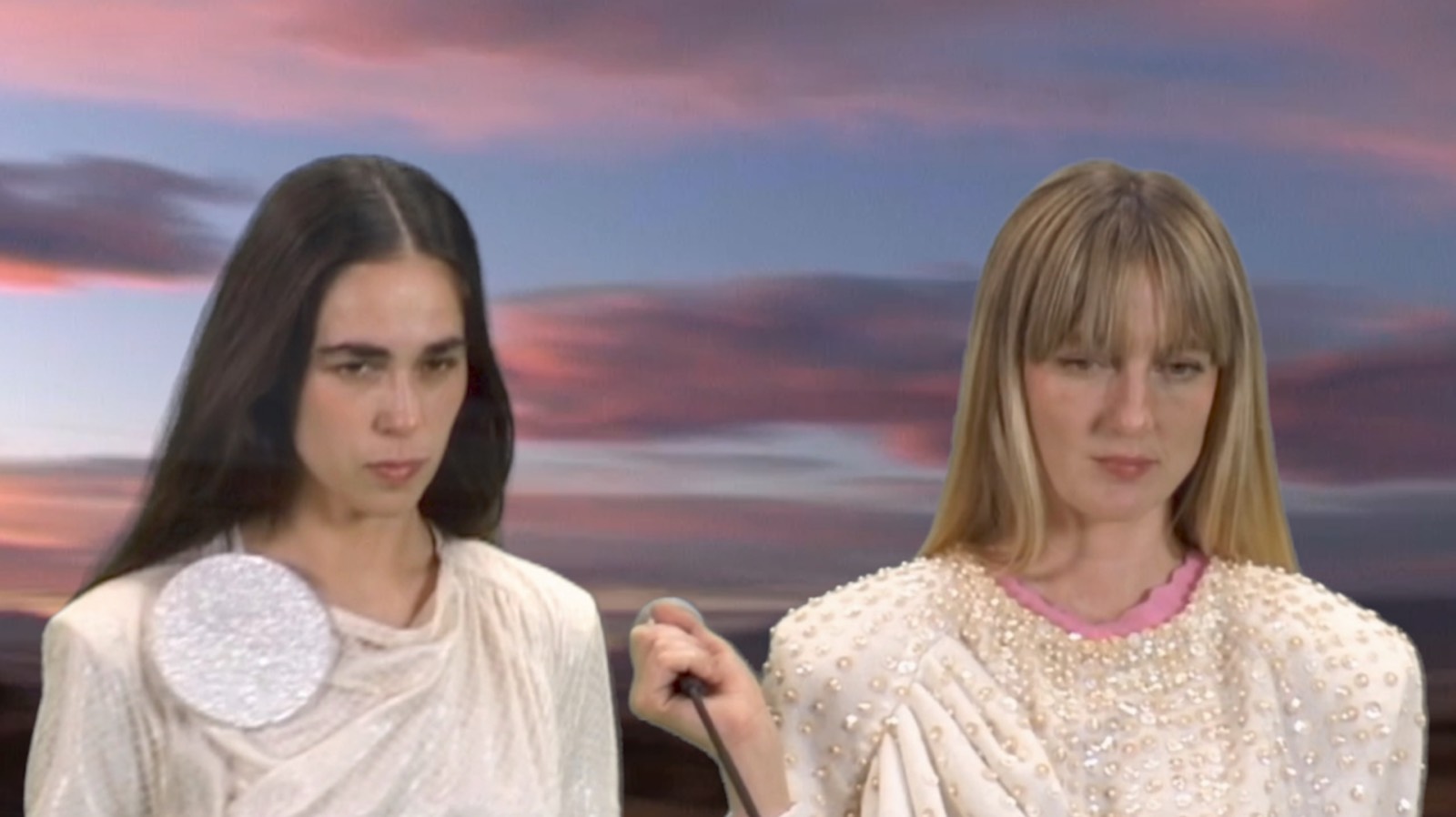
It all started between Martín (mori) and our manager at the end of the lockdown. Then Martín met Rus through SoundCloud and later, through a mutual friend, they met Ralphie. I met them in 2022 and we became friends. I think they’ve always brought something interesting to what’s being made in Spain and have opened doors so there’s more space for another kind of music that I feel used to be more marginalized. I feel very grateful to have crossed paths with them.
Tell us about the larger scene in Madrid.
I think there are a lot of people doing great music in Madrid and all over Spain. Especially in recent years, I think Spain was very closed-minded in terms of genres and approaches. I love the music of Nu Vilas, Azuleja, Gideo, and Mateo Benguria ... But there are many incredible people doing things right now.




.png)