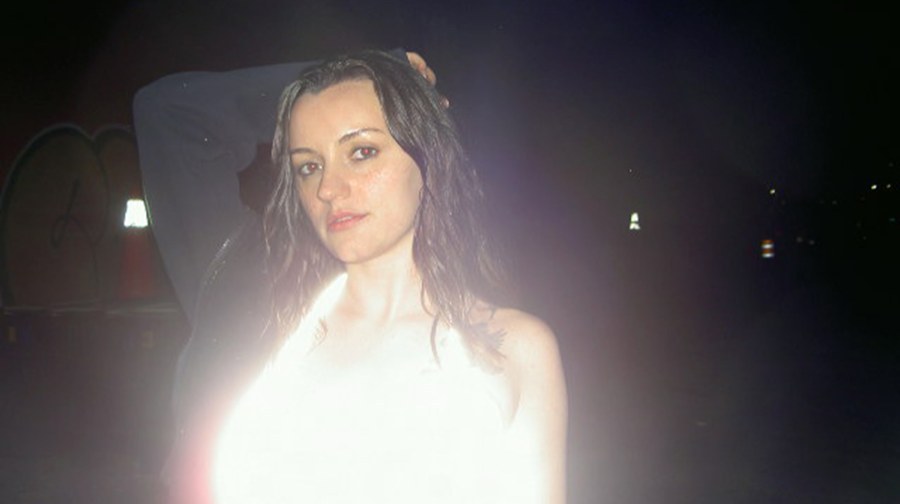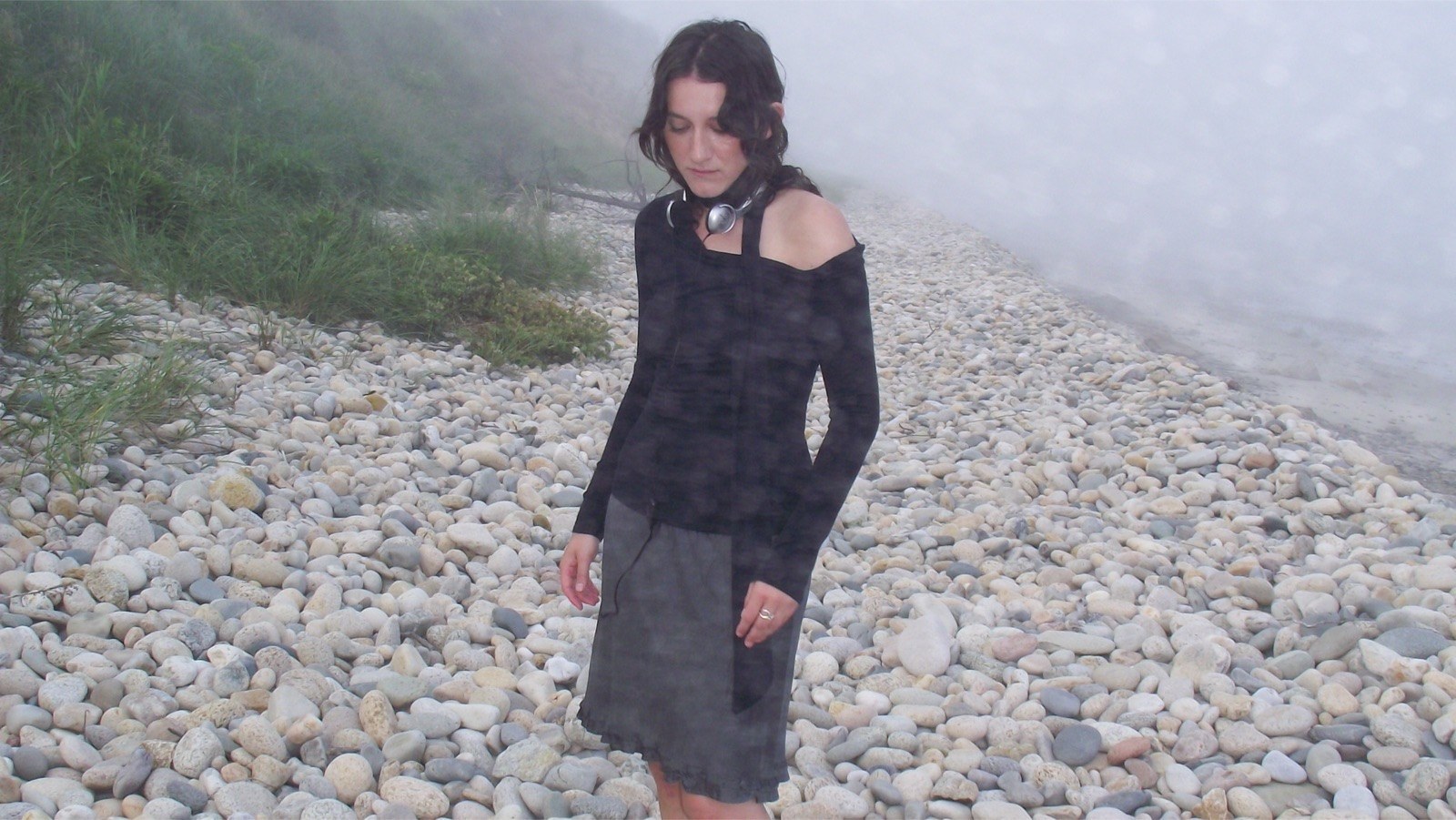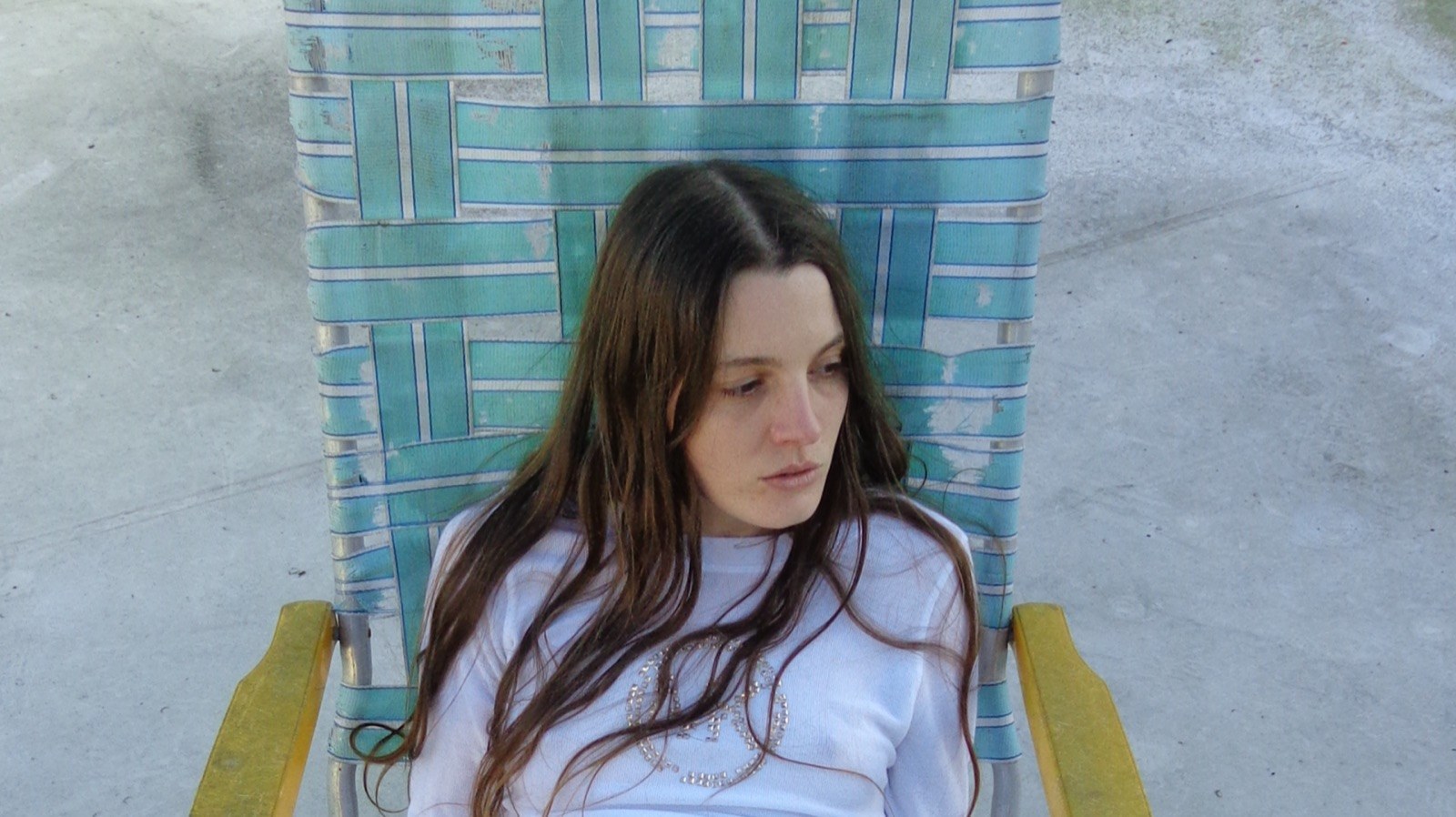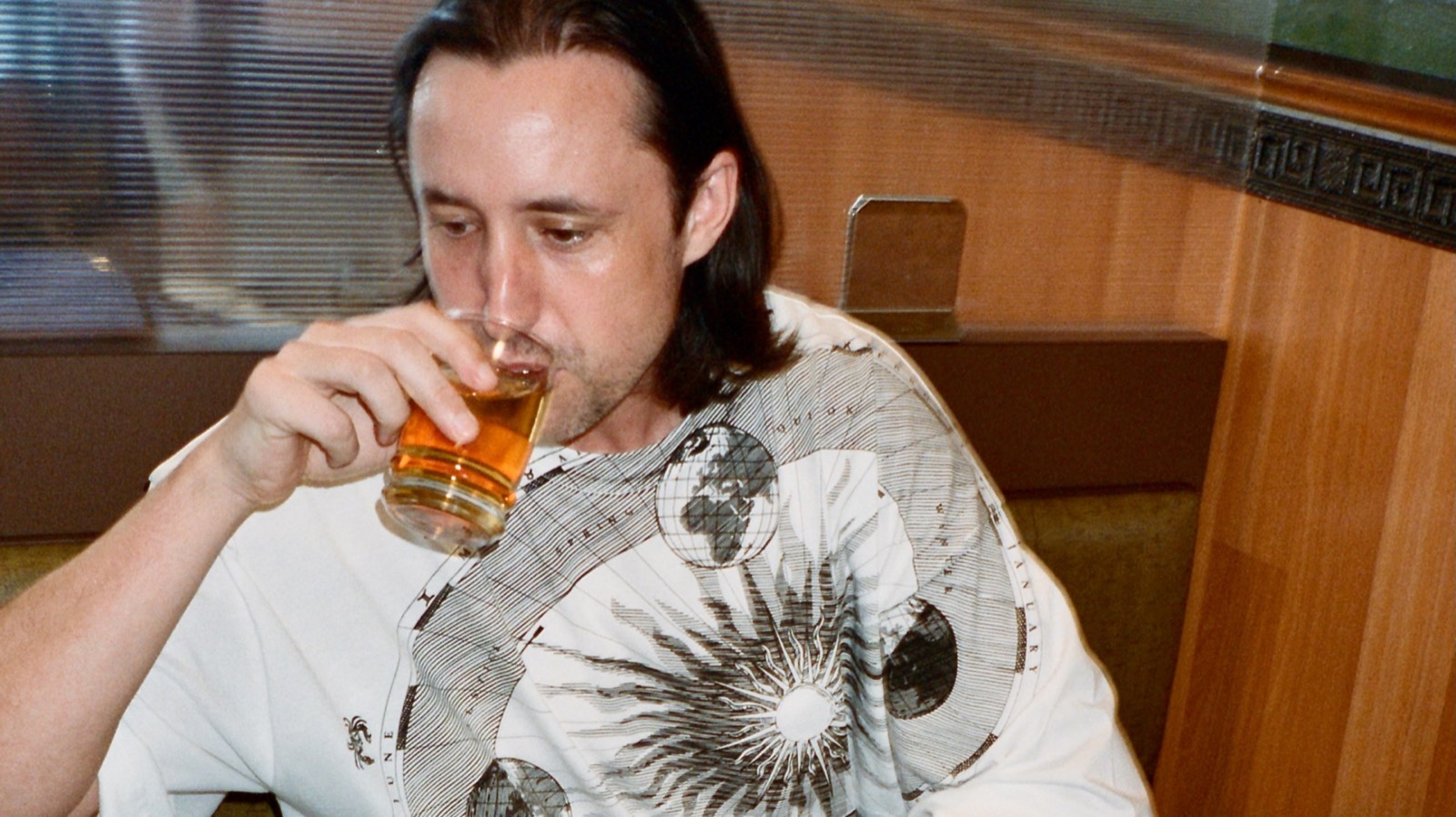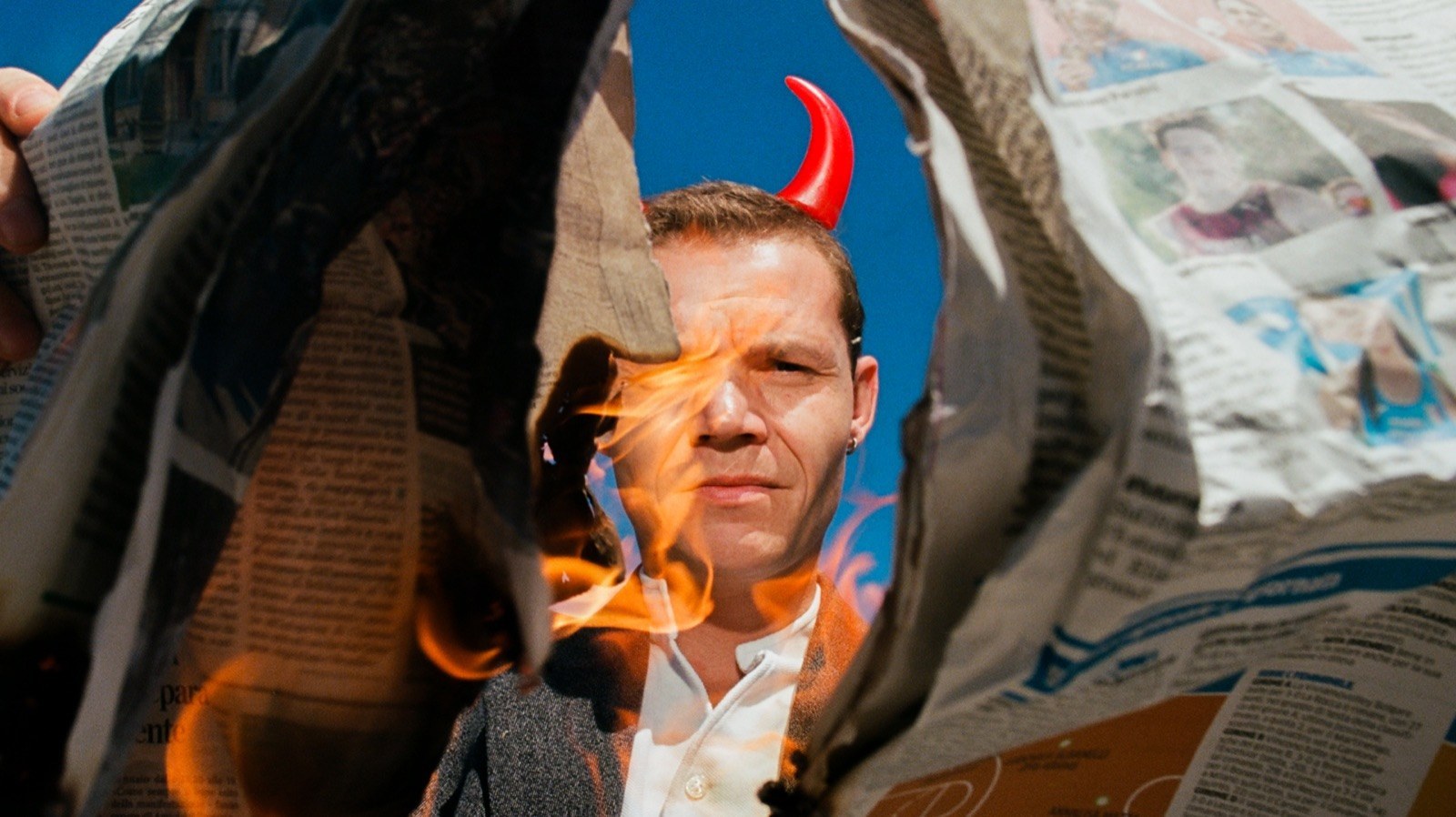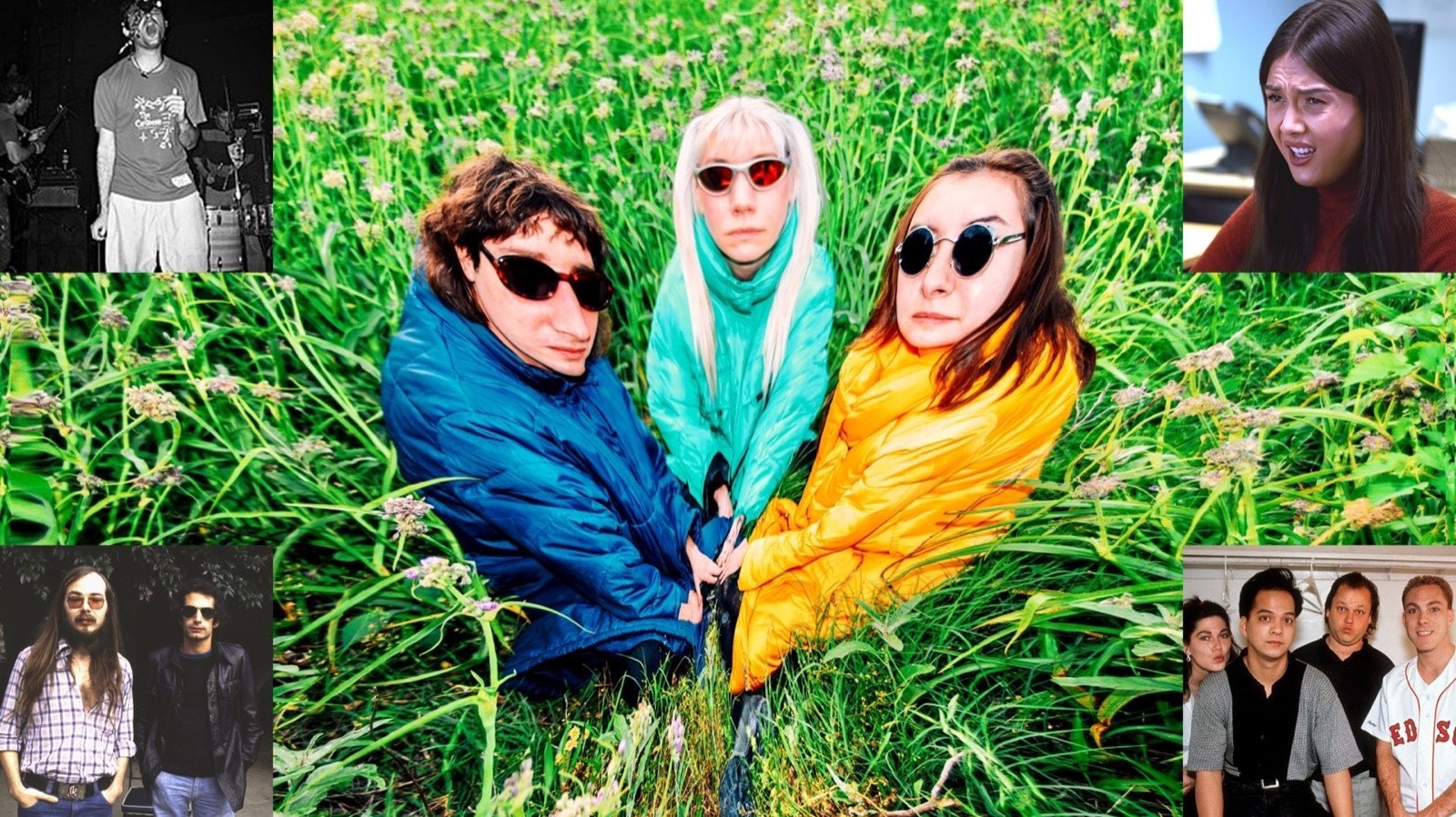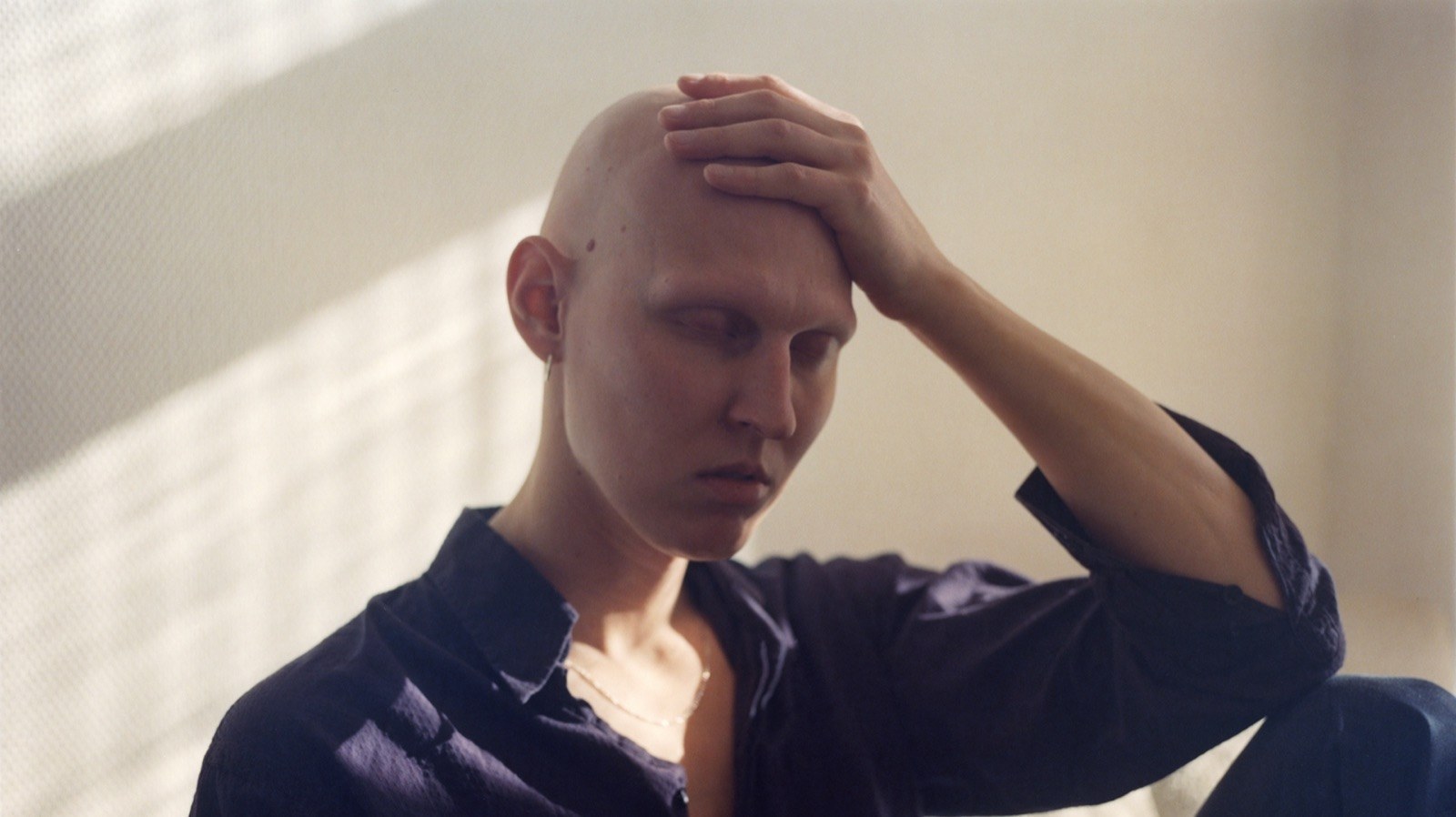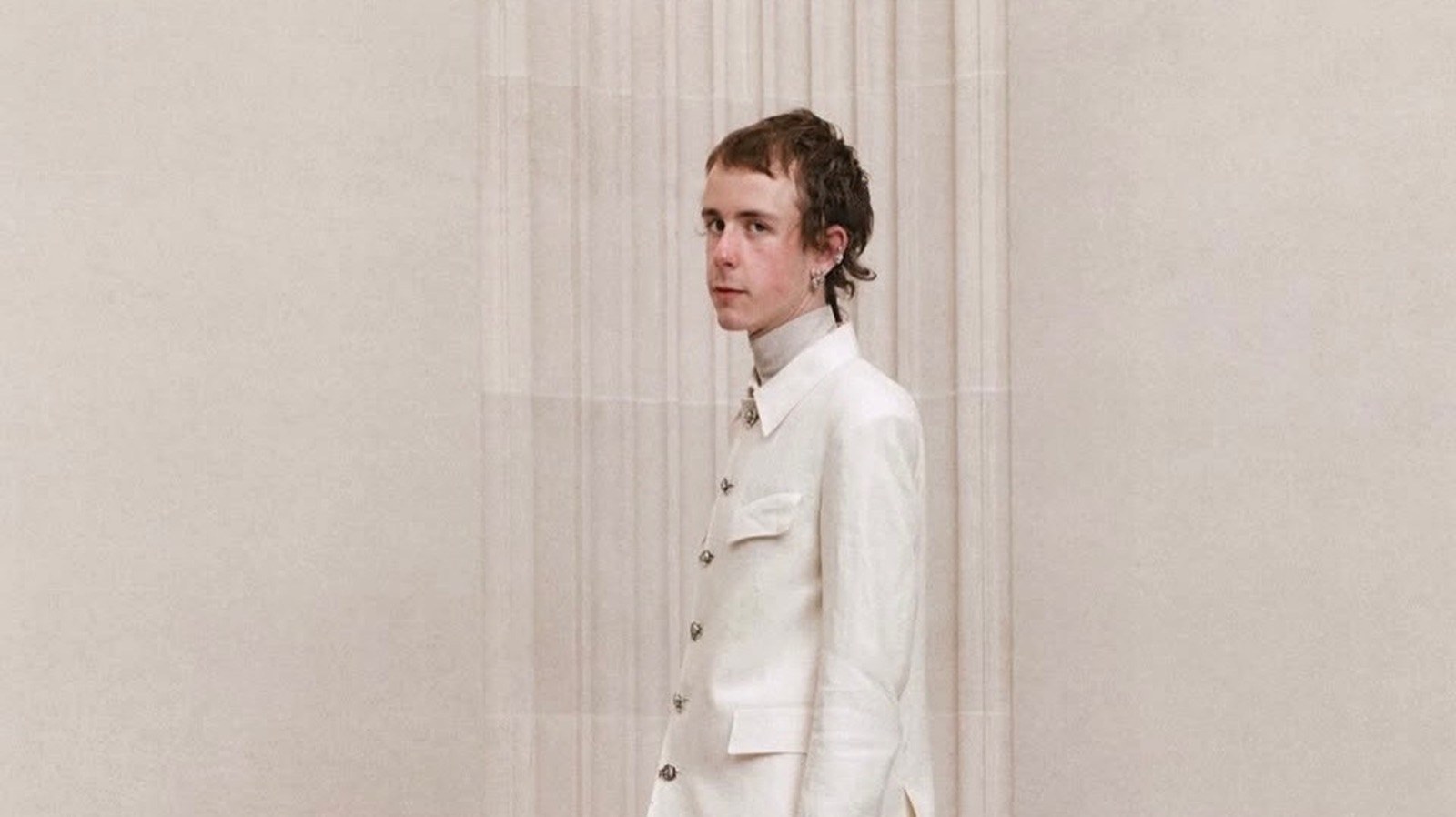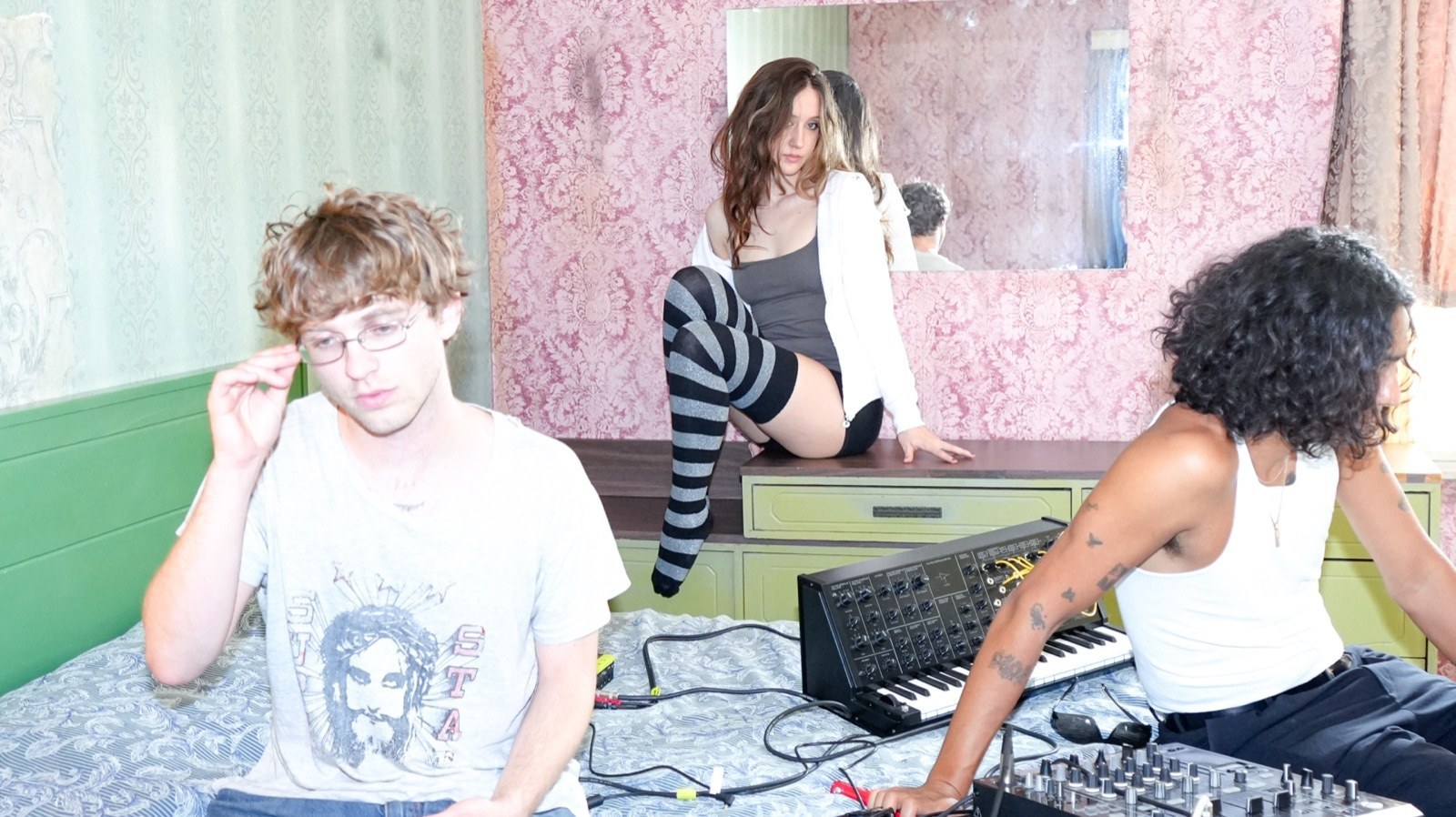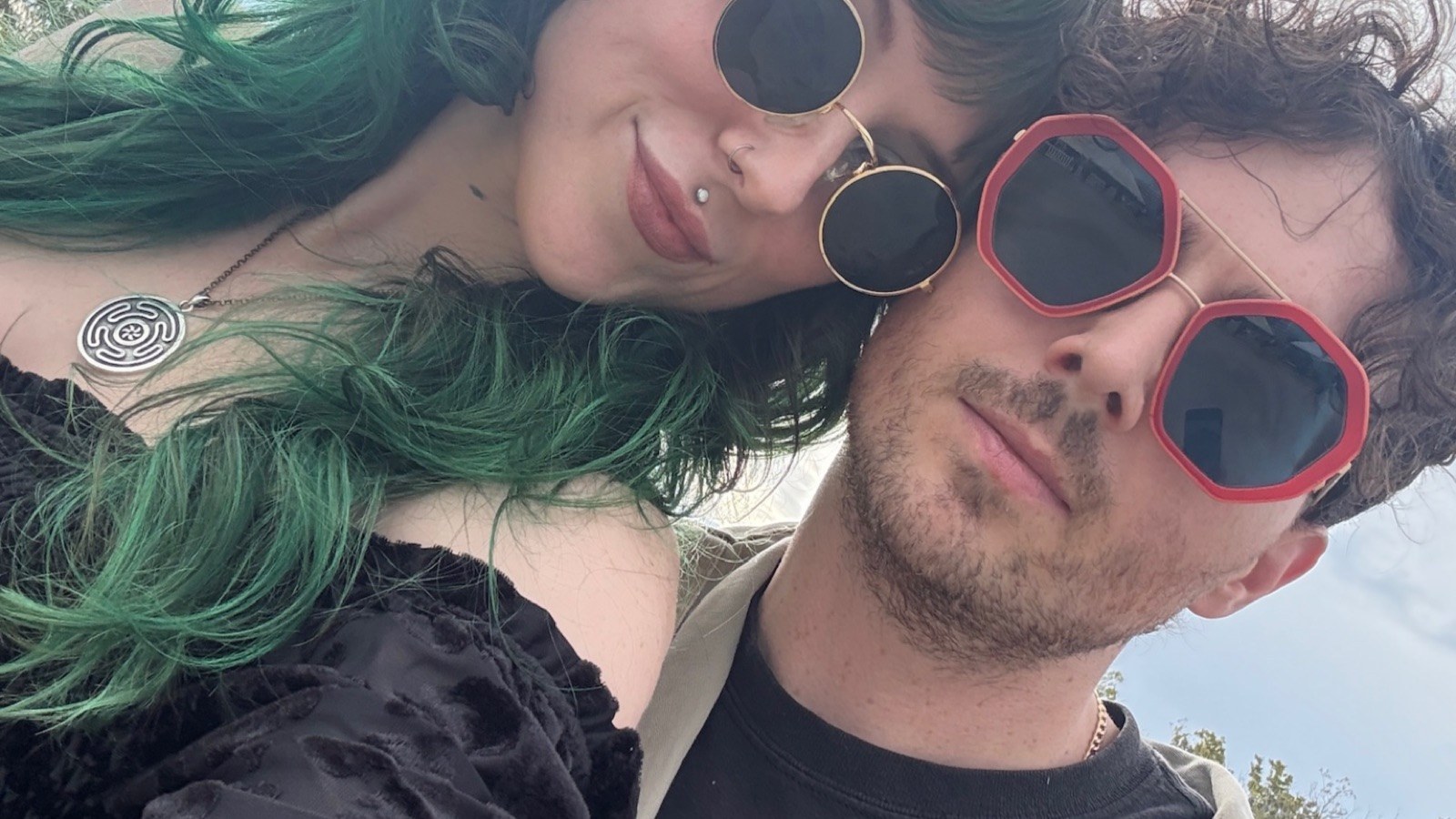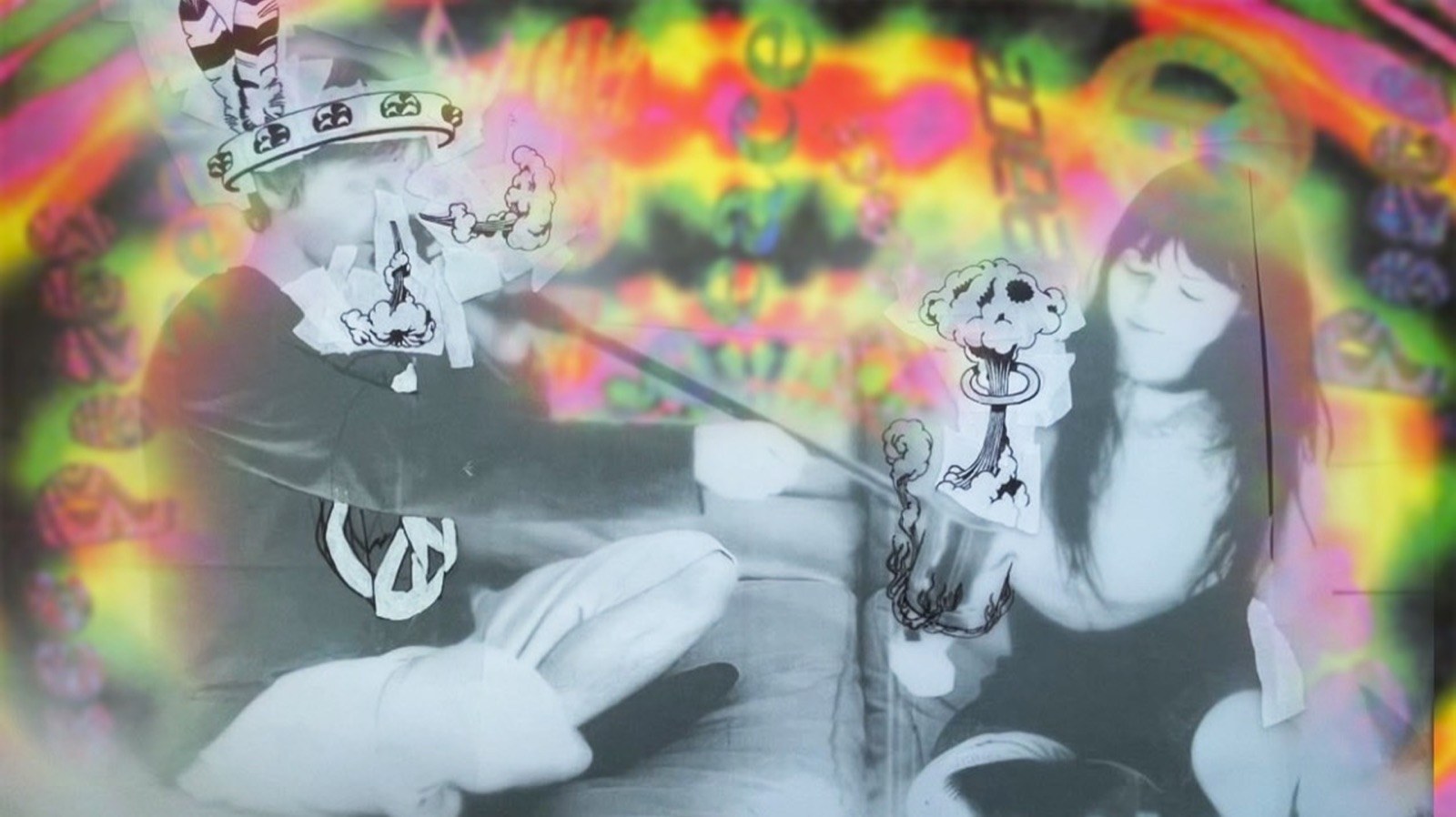

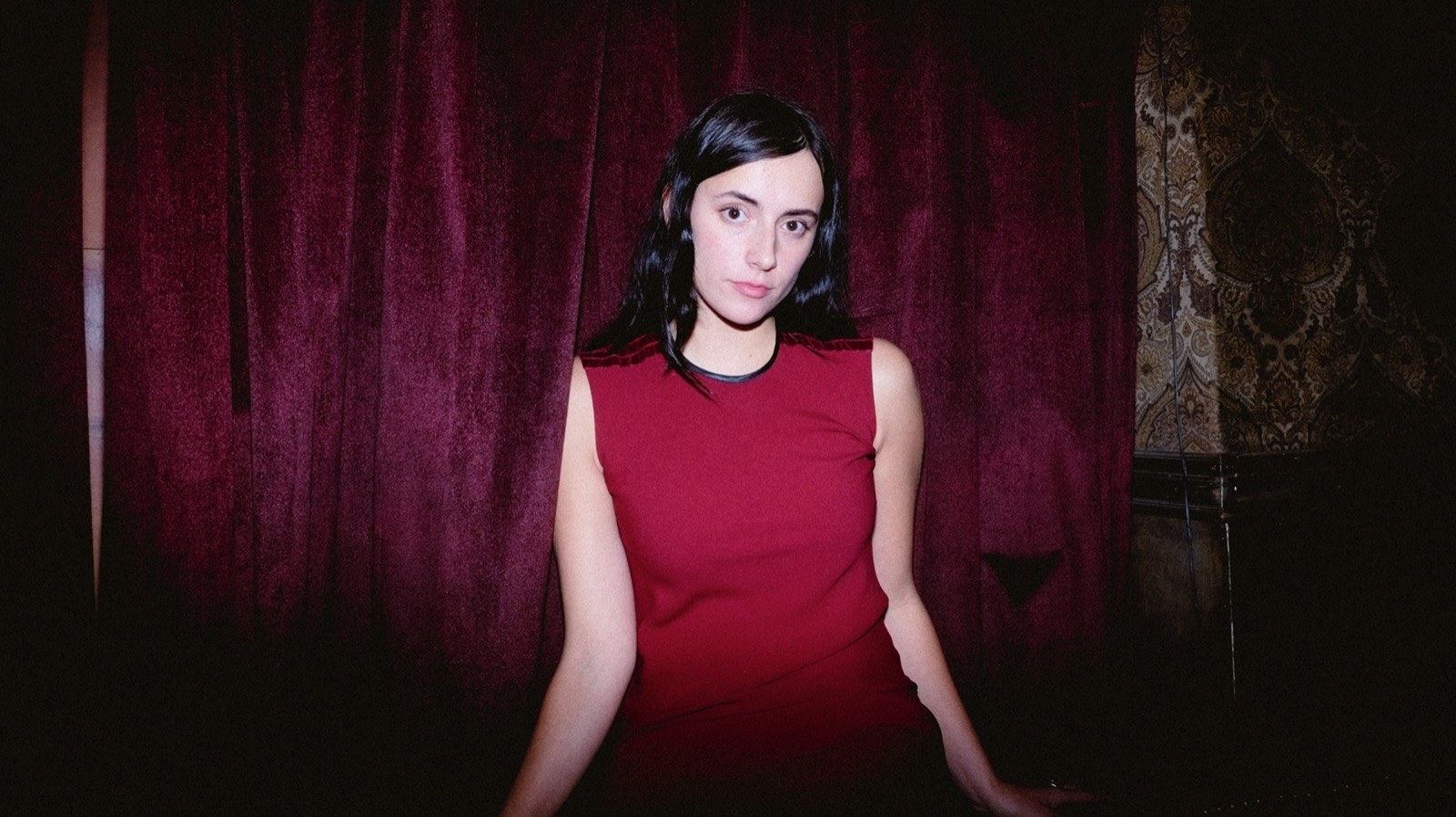
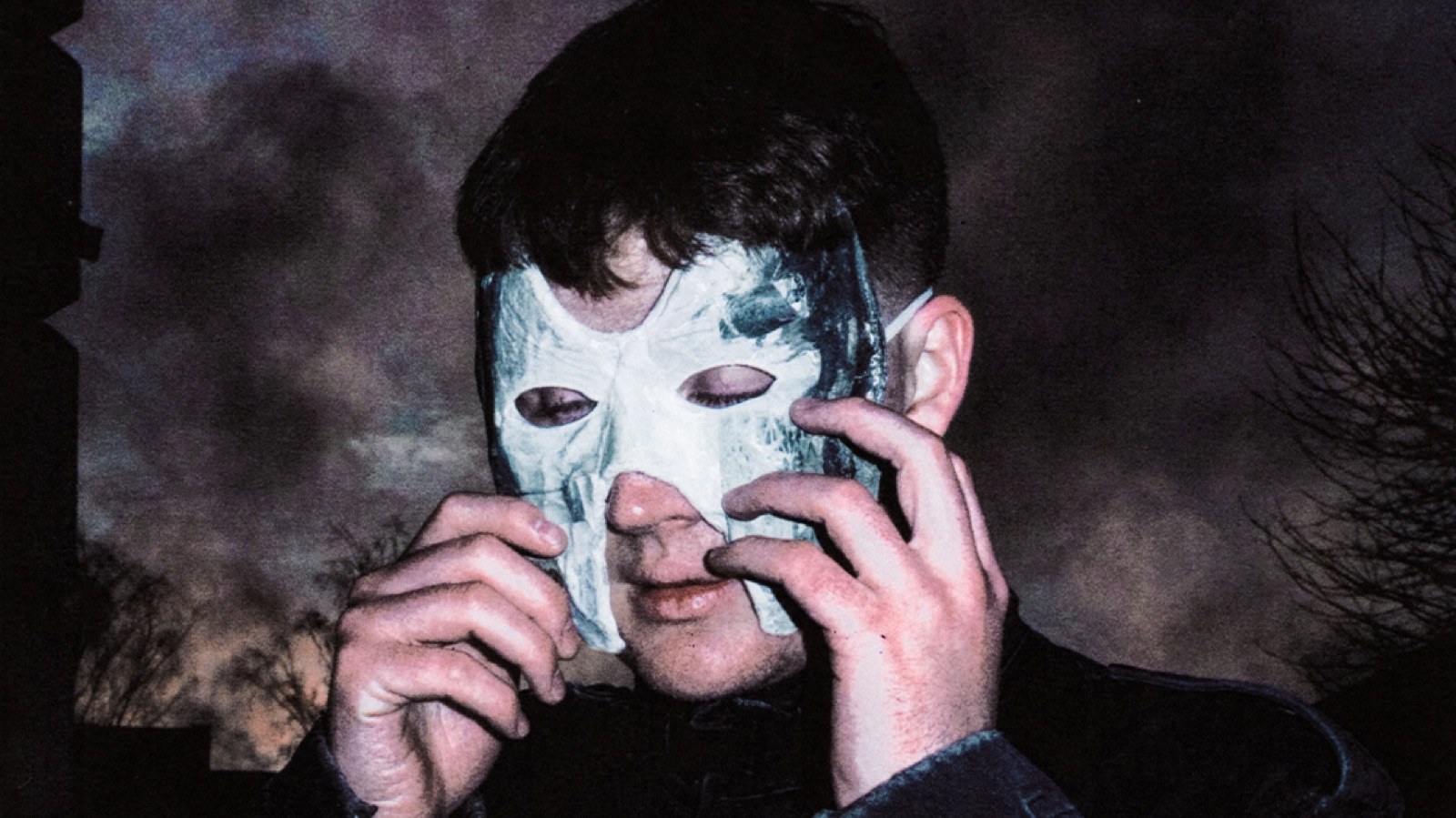
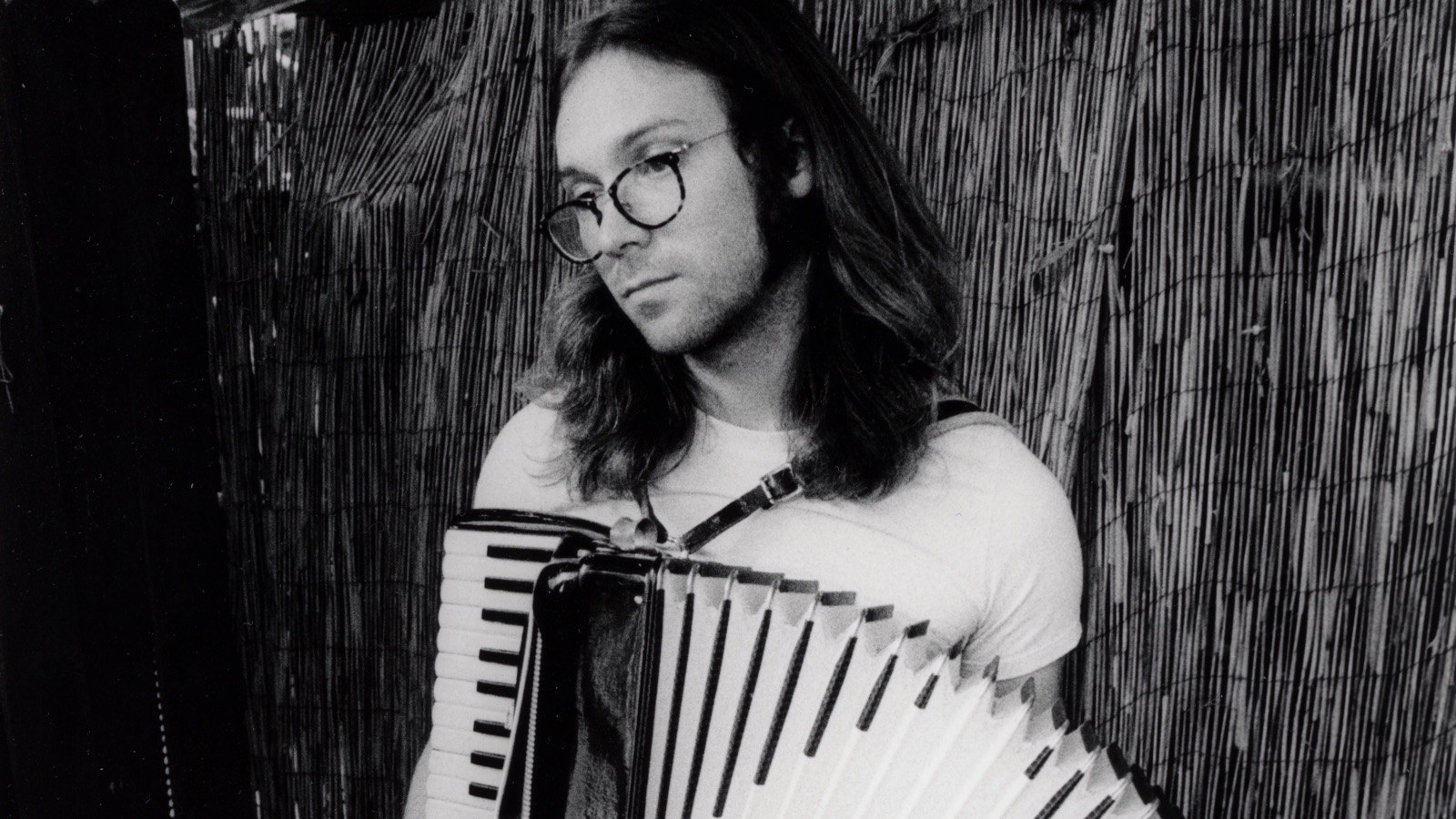
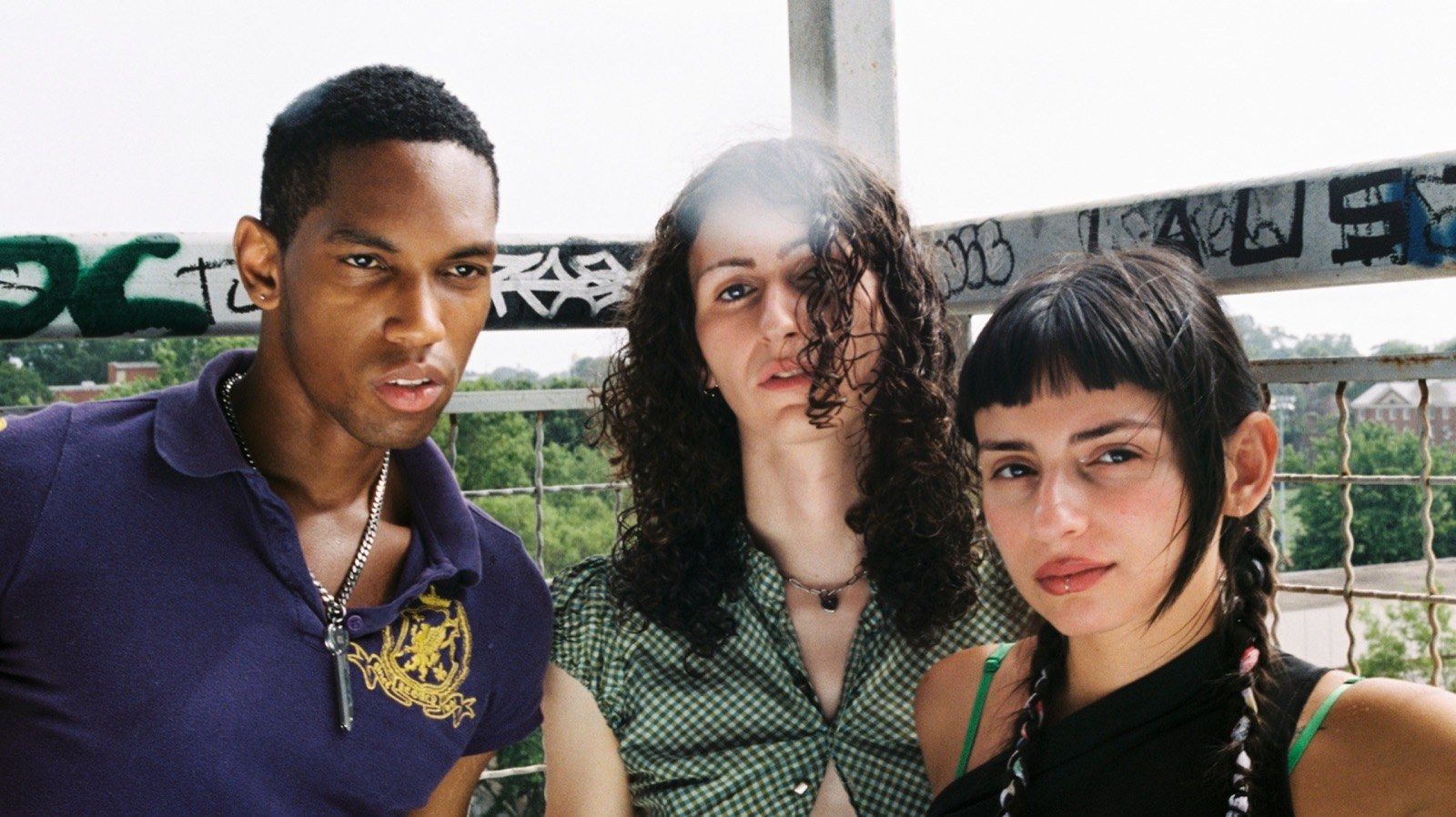
When I met Leo Fincham, he was rocking a monochromatic fit that wouldn’t be out of place on a cult leader: white jeans, white NASA t-shirt, and a white beaded meditation necklace. Though the look befits the magnetic music he makes under the moniker Worldpeace DMT, he lacks the sense of self-importance needed to really get the people drinking the Kool-Aid. Despite a background in fine art and classical training, he’s whimsically unpretentious.
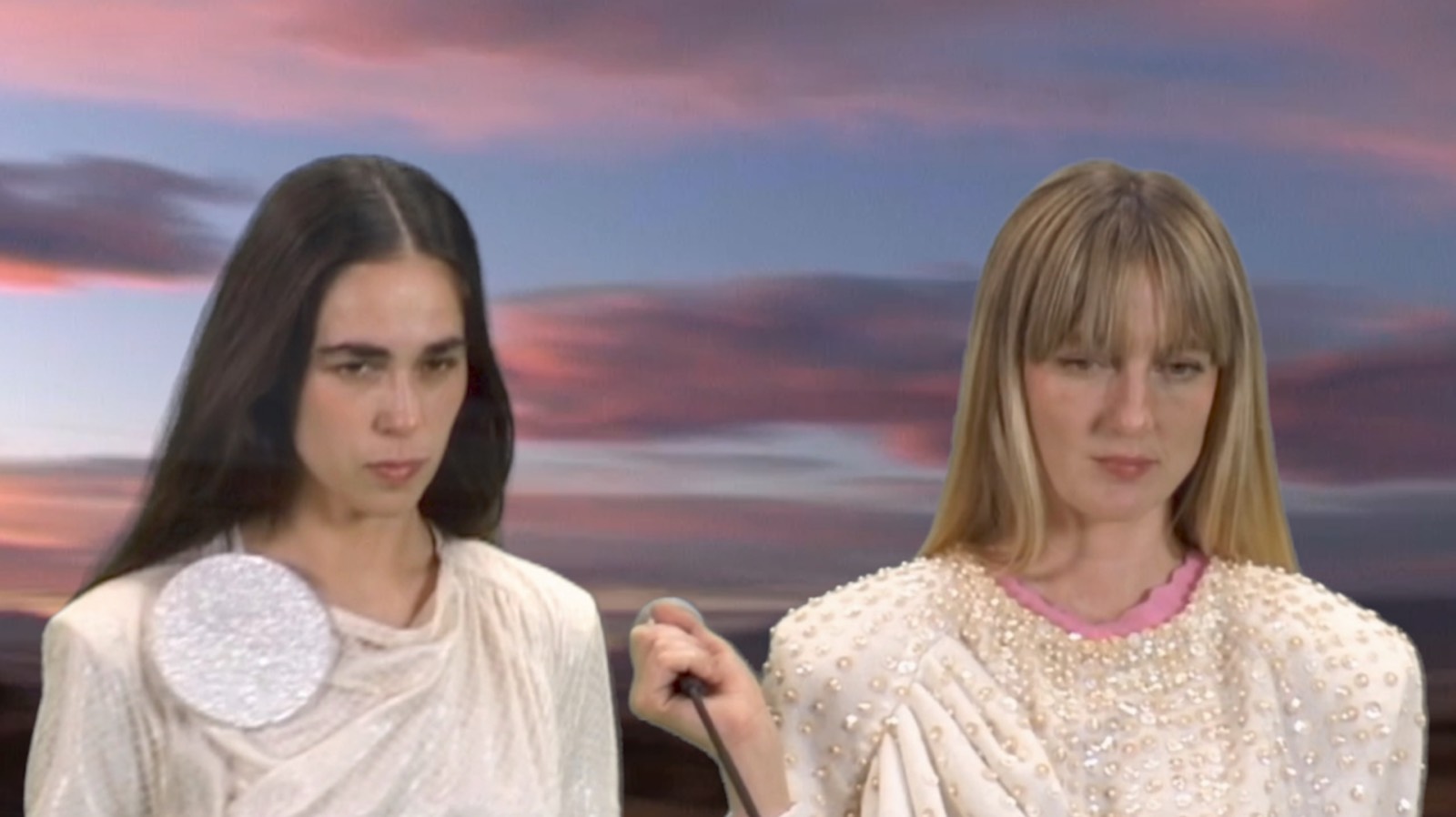
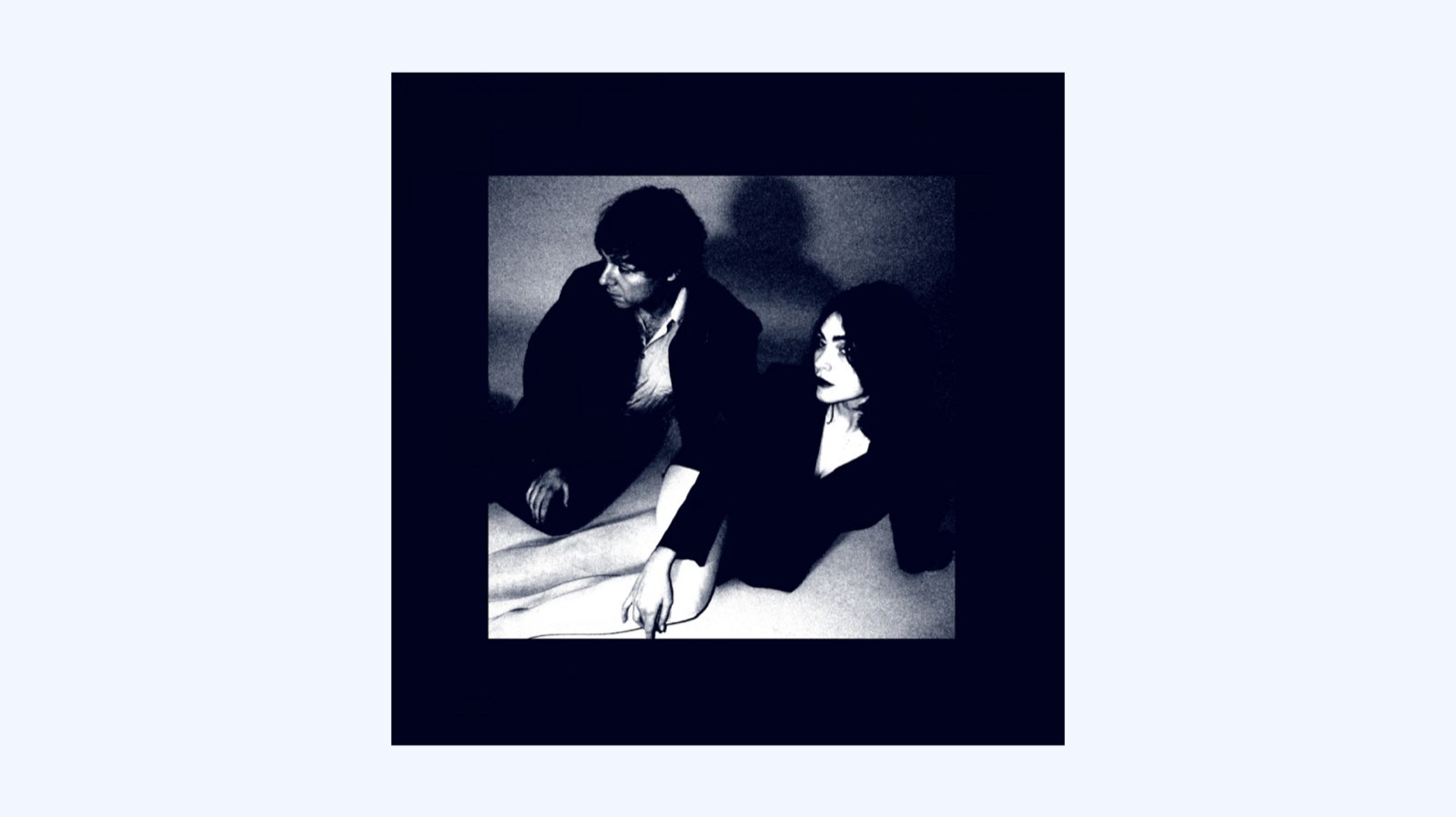
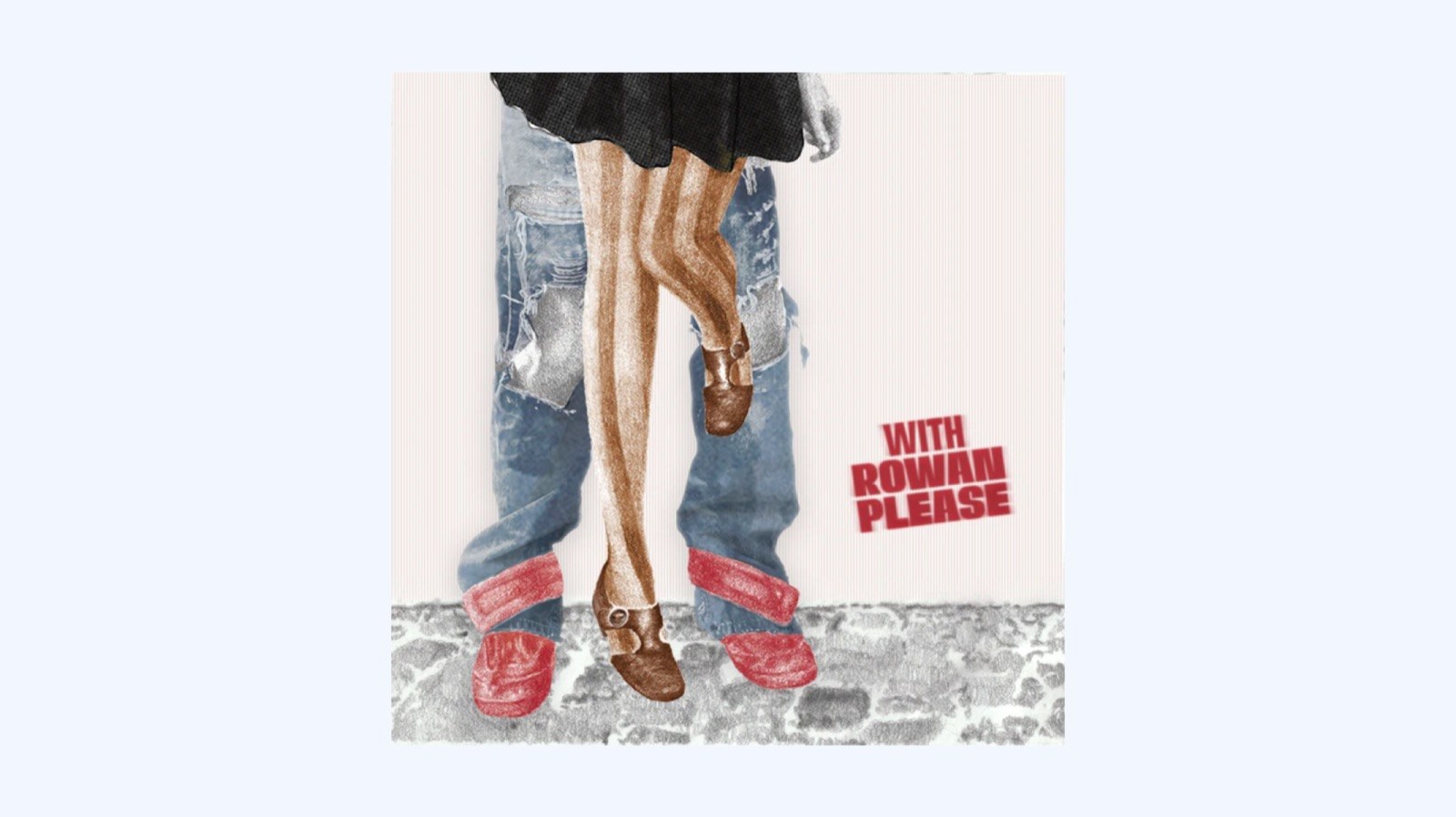
July’s The Velvet Underground and Rowan, a collaboration made with Rowan Please of the Femcels in the Nico seat, wears its influences on its sleeve. It recalls both undisputed legends—Beatles, Stones, Beach Boys—and the indie bands of the 90s and 2000s that masticated and spit out those influences into new sonic blobs. It’s an album full of earworms that blurs the line between the contemporary and the timeless (8-bit music is now timeless). It’s internet music that, in the words of the artist, “parents really love.”
Throughout the record, pop-literate lyrical tropes share space with hyper-specific cultural references; lines like “I hope you still live here when I grow older / So my kids can visit the place where I grew up” mix with lyrics lamenting porn-addled partners. During the first few months of kicking this record around, I figured I was addicted to it because there was a new noise to hone in on each time, but I think it’s actually because it feels like I’ve known some of these songs my whole life. They maybe could’ve been written in the 60s, but it took the right people and the right decade to produce them in the way they deserve.
I was thrilled to pass the mic to Fincham to figure out how it all gets made.
What part of London are you from?
Worldpeace DMT: I'm living at the moment in Brixton. In South East London. We just moved from somewhere quite far out to somewhere more central.
How many roommates do you have? Is everybody a musician?
Everyone's a musician. We've been evicted from two places now, for music, but we've now moved somewhere where it's pretty much impossible to make music. So we've really shot ourselves in the foot. Luckily I’m away at the moment, but it's waiting for me when I get home. Bad neighbors.
You’ve covered “Hybrid Moments” by The Misfits. There's a moment of “Blitzkrieg Bop” on your recent album, and a version of “The Ledge” by Fleetwood Mac. How do you choose these things to cover? Are you wanting to make them your own? Are you just wanting to pay tribute to songs that you find great?
When I grew up, my dad was in a Beatles and Stones cover band, and I used to go see them play a lot. I didn't really connect the dots to this until quite recently, but it is true that we do a lot of covers, or maybe just a disproportionate number of covers compared to other people. For me, part of the process of learning to write songs is playing other people's ones. I enjoy it as a kind of exercise and I probably got that bug from my dad.
What did you learn from the “Lollipop” cover?
Honestly, their vocal performances on that cover may be my favorite vocal performances out of anything they've done. I was sending it to them for so long, trying to convince them to let me put it online. It took some convincing to help them see that it really was an act of genius, what they did. I'm not sure how they still feel about it, I hope they love it like I do.
Do you typically need to convince each other whether or not something's serious or something's just for laughs?
Me and Rowan are in a situation where we tend to make decisions based on if something makes us laugh or not. That's a pretty good marker as to whether something's a good idea or a bad idea. It's not that we're comedy rock, but that's definitely a factor in our decision making. If it makes us laugh, it's a green light. No laugh, red light.
Oh, who's your favorite Beatle? That's what I forgot to ask.
John, for sure.
That’s a good favorite.
He's a classic favorite. But I think I'm more like Paul, which upsets me.
Why?
I don't know. John's very raw. I feel like I maybe wish I was as raw as John. I think I'm more practical, like Paul.
I love Paul, but I sometimes wonder if we say Paul is the greatest songwriter because he's been able to write for so long. Because he's still standing. Even though he wrote the second-most Beatles songs—and some of the best songs of all time.
Paul has a melodic gift that some people find really annoying, because it can be a bit too rich.
Do you think you have a melodic gift?
Well, I feel more like Paul in a practical sense, you know? If you watch that new documentary about them, Paul comes across as being very practical and hard working. Whereas John, you can tell, is a bit more of an artist, a bit less tameable. Of course, the grass is always greener. I wish I was more like John, but I feel like, ultimately, I'm Paul. If I had to be one. I'd be happy to be either, of course.
Do you seek out that feeling that you get when you're on a bill where you're the outlier, or are you happy to play with people that sound like you? People who are also playing acoustic sets.
At least up until this point, I've tried to keep things quite eclectic, and I don't think I've yet found a group of people who are doing something stylistically similar to me. It tends to be that the shows I play are with artists where we share similarities which are not so literal. They may be friends, or they may see things from the same perspective, but we're not sounding that similar. As it goes on, I'd obviously be happy to find people who play music that has some relationship with mine. I think they'll emerge.
Something I really love about the album, and your catalog in general, is that the lyrics are really intense, and then all of a sudden you'll sing something hilarious. Is there a conscious effort to be funny in certain songs, as to not write a serious song? Is it just British humor?
I would say that a lot of the humor comes from Rowan. That's probably rubbed off of me since meeting her. She's one of the funniest people I know. I feel like her humor slowly got woven into how we write songs. She's a very lyric-focused songwriter. I would say that I'm the opposite, where I'll normally write melody with gibberish words and then dissect that into something that resembles meaning. But really, the focus for me is the music. I don't know if that answers your question, but the humor in the lyrics definitely comes from Rowan. Even if there are instances where I'm contributing to that, it's almost me pretending to be Rowan. It makes it fun to record the songs if we can laugh every time we hear them back.
There are a lot of samples on this album. What are they coming from?
It's the internet, basically. I just get things off the internet, as I guess most people do.
Do you have a running list of stuff you'd like to use? Or are you looking for things to put in specific songs?
We're working on the next couple albums at the moment, and there's definitely moments where I'm like, Okay, I need to find this sample. I'm looking for a really great sample of waves for a song I've written about surfing. I'll have a concept like that, and it will just be about hunting it down. I still can't find the waves. DM me if you've got any good wave samples, because I need them.
Do you know how to surf? Is it just a Californian fascination?
No, I don't surf at all. It's just a funny song, a kind of pastiche surf song.
Are there any hidden references on your album? I hear a lot of Beach Boys in this, which is what everyone else gets.
We’ve got a Beach Boys cover coming up on the next record. When we started working together, the memo was kind of like … 60s on a calculator. If we can get it sounding like that, then for me that's some kind of success. It was definitely an opportunity for me and Rowan to really indulge in our love of 60s music while trying to make something new, and trying to make something which felt relevant to us. The 60s was, for this record, the biggest inspiration. Beach Boys, Beatles. Rolling Stone Top 500 albums. Just that kind of shit.
That's what I like so much about this project. I feel like it reinvents the wheel without reinventing the wheel. So much of it is just really great pop music.
Parents really love it, because it's familiar enough for them to feel comfortable, but it has enough bells and whistles for them to feel like they're listening to something new-ish.
I read that you have an “irrational disdain” for the music scene in the UK. I'm just wondering why that is. You already touched on people being a bit standoffish, or less willing to celebrate things.
Well, the music scene that I'm involved in in the UK, I love, and I have to pay a lot of tribute to.
It feels like you guys invented it yourselves.
There's a group of friends who Worldpeace DMT and Rowan and stuff have completely come out of, and I feel extremely inspired by them. Maybe what I was referencing more is the scene that's aside from us. We made for ourselves an alternative. I mention it only because we are a UK band making guitar music. I think sometimes you can help define yourself by working out what it is you don't want to be. And maybe in the process of making this record, and putting this project together, there was a feeling that if I decided I didn't want to be that thing, then I could more quickly get to working out what it was that I did want to be.
When you use the collective “we" and you talk about the band, is Worldpeace DMT a revolving door? Are there specific people that you'd name as a part of the project? Is it always changing?
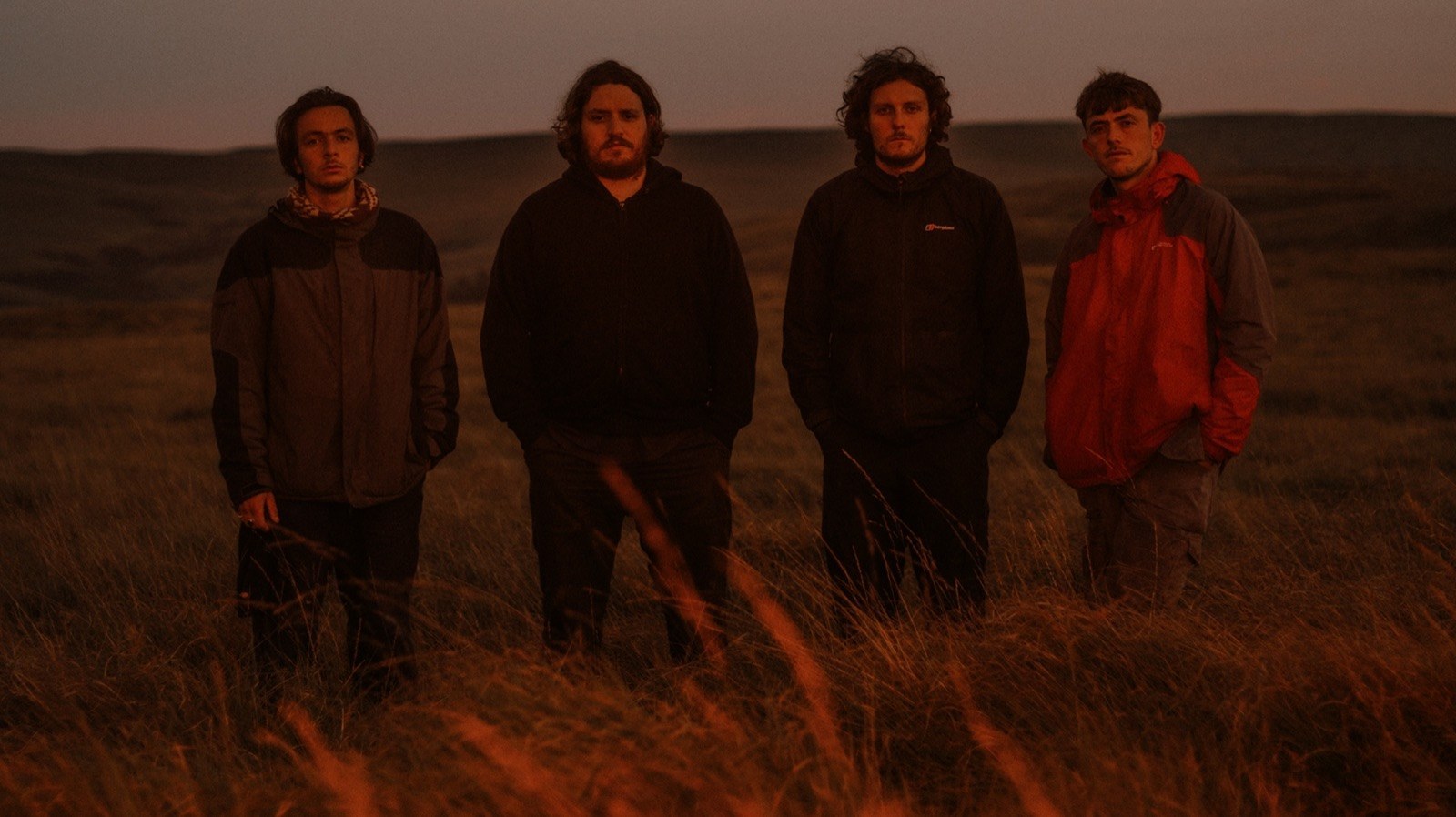
When I say we, I suppose at this point I'm referring specifically to me and Rowan. We've released this record, and we've got one or two more in the works, and our collaboration is deepening. We're functioning more or less as a band. Rowan's in another band called The Femcels which are a great band, and we made a decision during the process of making the first album that we wanted this to be an ongoing collaboration between two solo artists, rather than starting a whole other band. It's a bit unusual. I don't know if it's been done like this before, but it's a band of two parts, and I suppose we'll just keep making music together for as long as we have songs to record. We may be as in the dark about the relationship as anyone else, but we're taking it each day at a time, each song at a time.
I also read something that confused me. Did you play with Hermann Nitsch? Were you playing things that he had made? Please tell me more. I couldn't even write down a question. I just wrote down “what the fuck.”
Two summers in a row, I went to Hermann Nitsch's Austrian castle, and I was a participant and performer in his blood theater. I was meant to go this summer, actually, but I couldn't do it. I did two years of intense performance art. I don't know what else to say. I just did it. I just emailed them. I said, can I come, because I was studying at art school, it was something that, at the time, I was into. I was writing classical music that was influenced by drone music and his theater includes a lot of that type of music, they have these huge orchestras playing single notes for long, long periods of time. And I was like, Okay, it’ll be cool to see. But how am I going to get there? Okay, I can volunteer myself as a performer. So I spent two weeks each summer just drenched in guts.
Oh, so you weren't playing. You were a performer in the art piece.
I was not involved in the music. I, in part, went for the music. I was inside a cow carcass. I was really in deep. I'm quite small, and there are certain things that need to be done by smaller people. For example, being inside an animal, because of the size of the animal. I was always elected for these particularly hardcore jobs. So, after two years, I got my fill.
What does it feel like to have to do that also? Do you like his art, sans the music? Are you a fan? Do you have anything to say about the controversy?
I didn't mind about the controversy, you know? I mean, I obviously didn't go back for the third year. I haven't drawn a hard line against it, but maybe my interests have changed slightly. It didn't feel like an experience I needed to have a third time. I felt like two was enough. I really haven't been thinking about visual art at all for a long time now. I'm really not seeing the world through that lens anymore.
You sort of just answered the question I'm about to ask, but I spoke to your friend Hal, a.k.a. 300SkullsAndCounting, for Nina. We talked about how sometimes people perceive his project as some weird performance art piece, and he's like, guys, I’m making music. This is punk rock. Everyone's maybe a little confused about what it is. Do you feel that? Or do you think that sometimes Worldpeace DMT can be performance art?
Maybe at the beginning it was more art orientated. I've done some performances with brass ensembles. The earlier music was, for a time, more abstract. With this album, there was a decision to really make the song the vehicle for the music, and to prioritize writing the best songs we could, then coating that with production which felt fun and playful. I think that there is probably always going to be this art lane that keeps running throughout the project. But at this moment in time, and for the near future I feel like the emphasis is really on the song. I was making abstract music for a long time, and I was also in art school. But I'd always loved song-based music, and I was maybe a bit nervous to approach it. Then I got to a certain age, and I was like, Okay, if you’re not going to do it now, you won’t do it. I kind of feel like I put off songs for so long that I'm slightly making up for lost time. I'm just completely consumed by that at the minute. I could see in the future doing more orchestral stuff, or returning to more abstract types of music, whether that's for film, or for performance but right now, I want to be a band, and I want to write songs, and I want to do that the best I can.






.png)