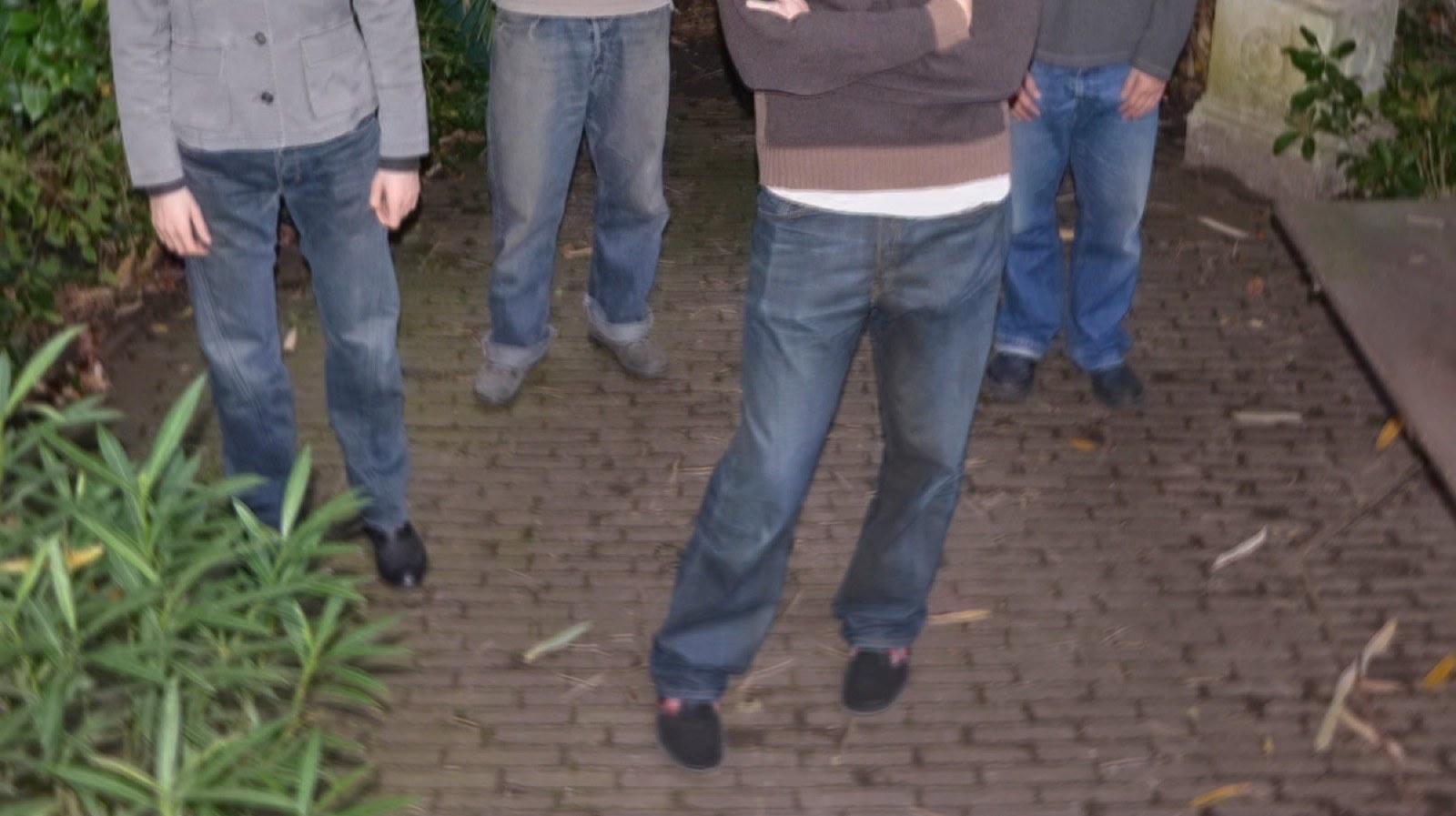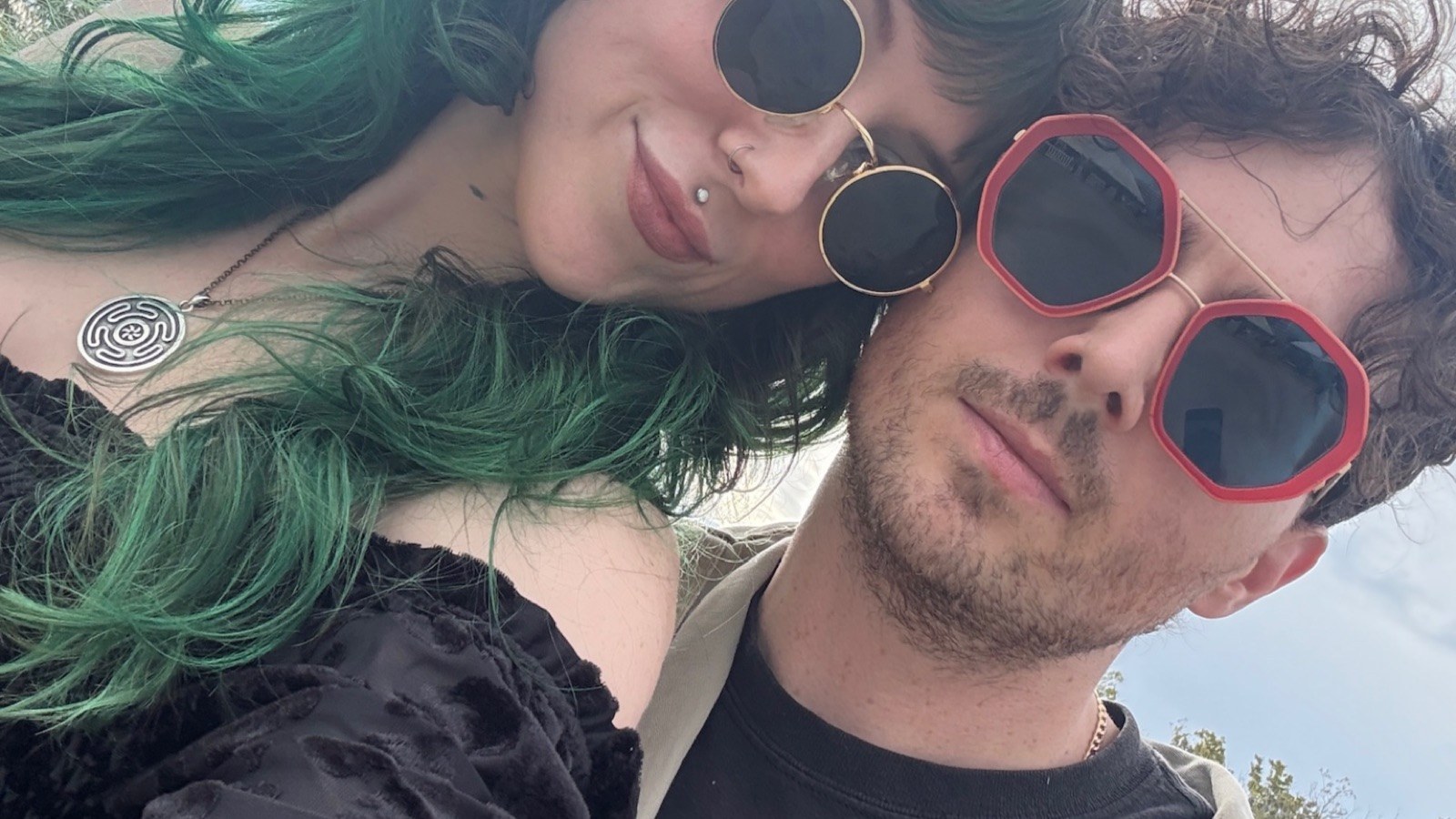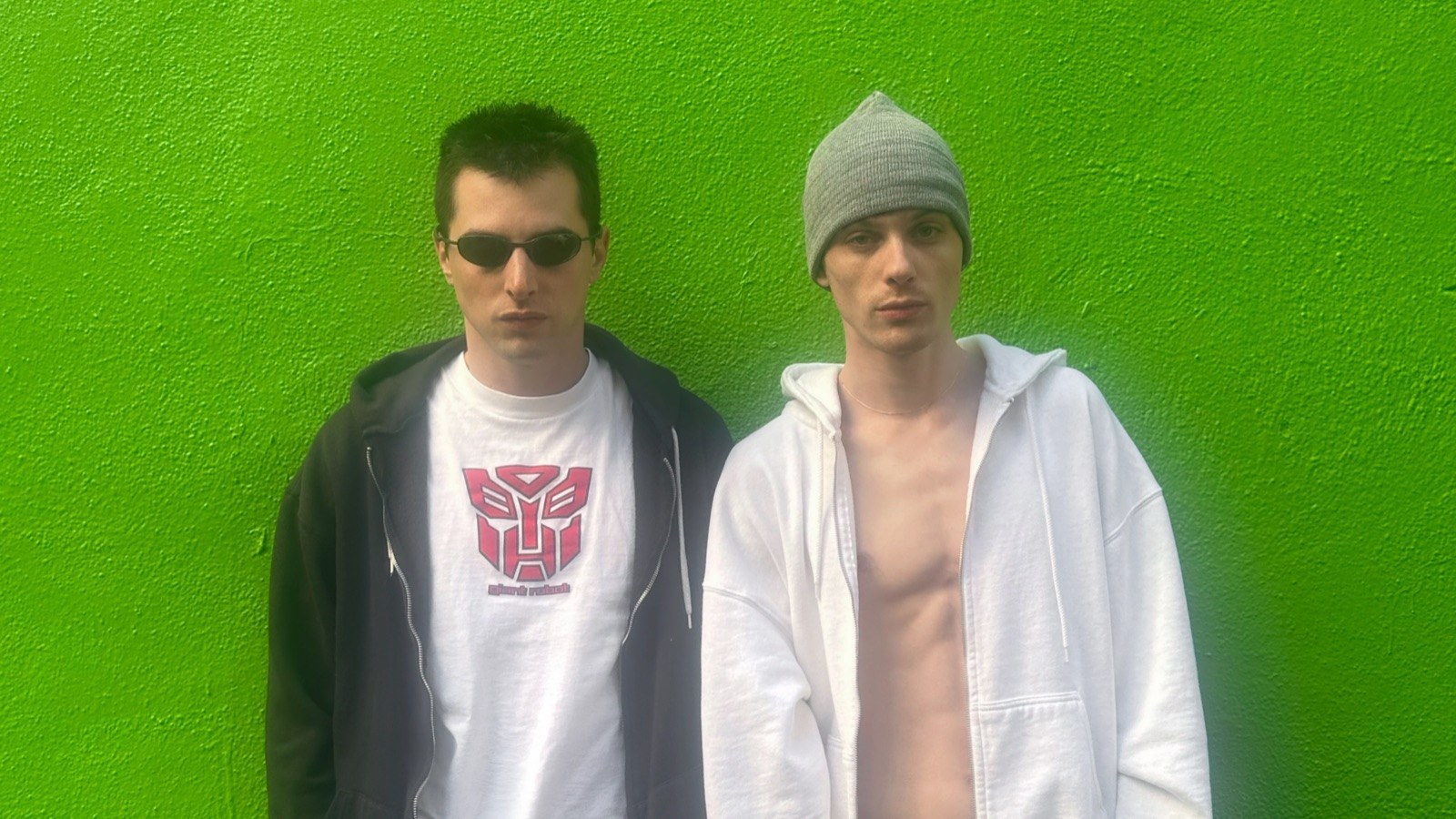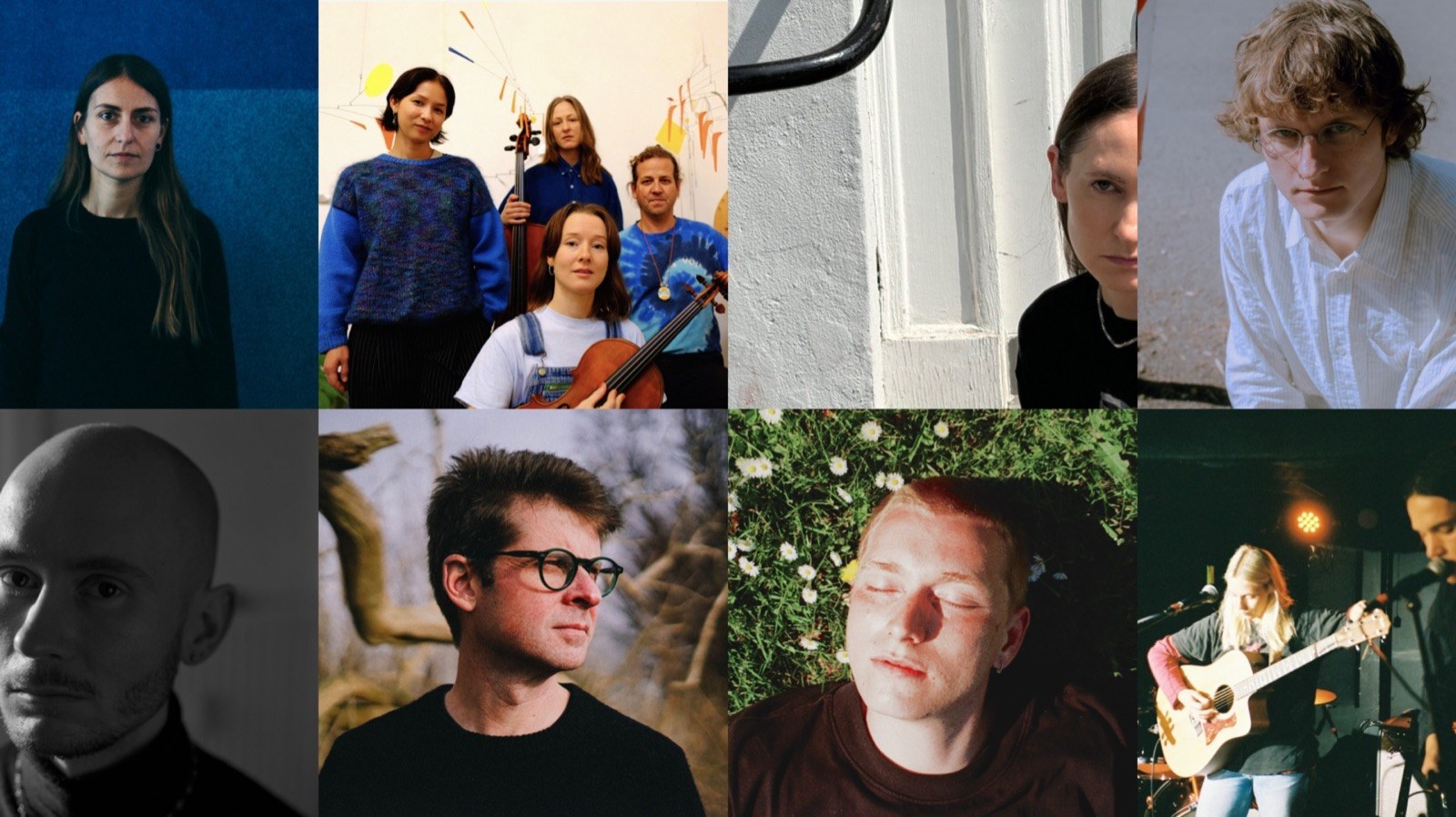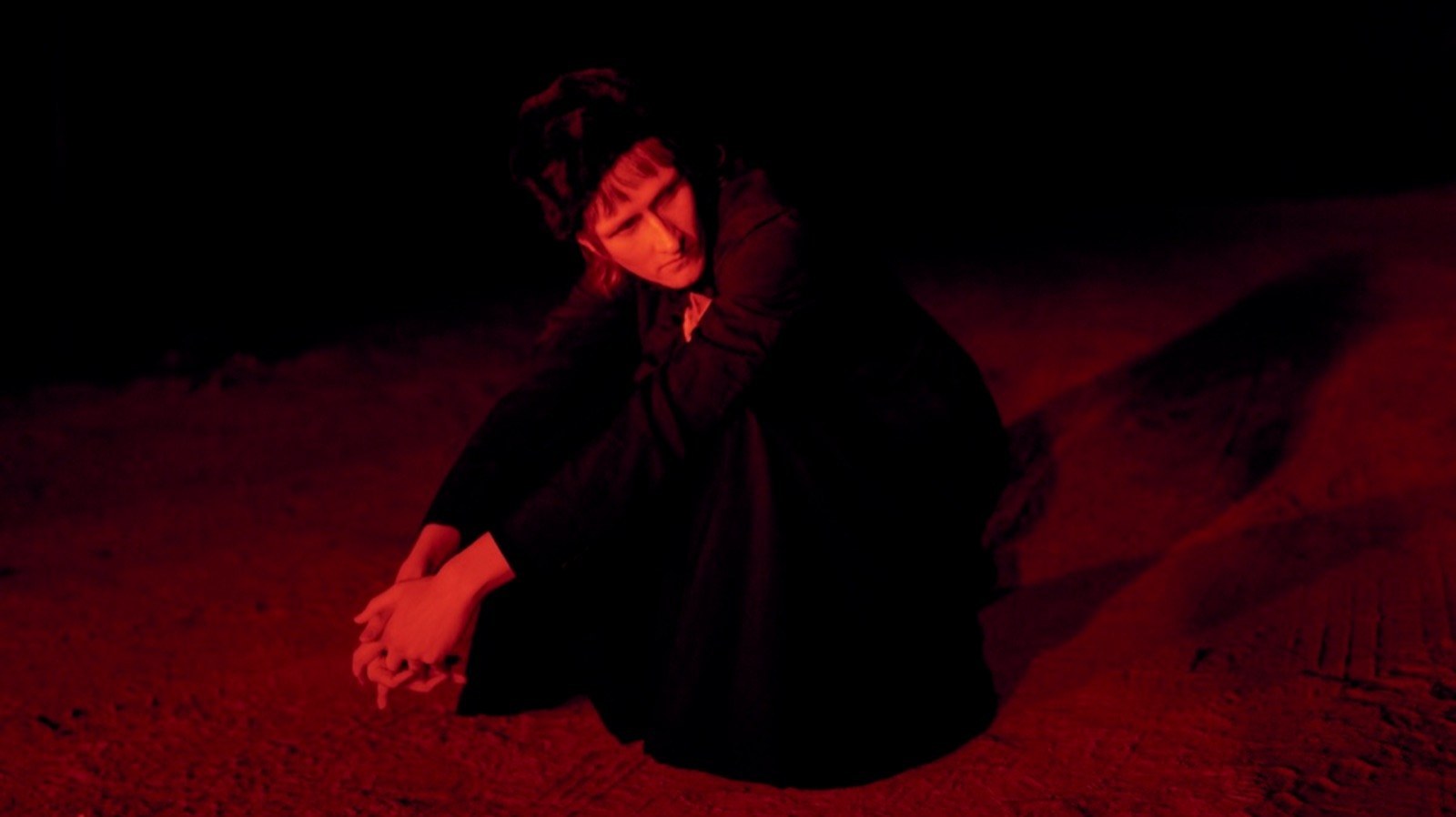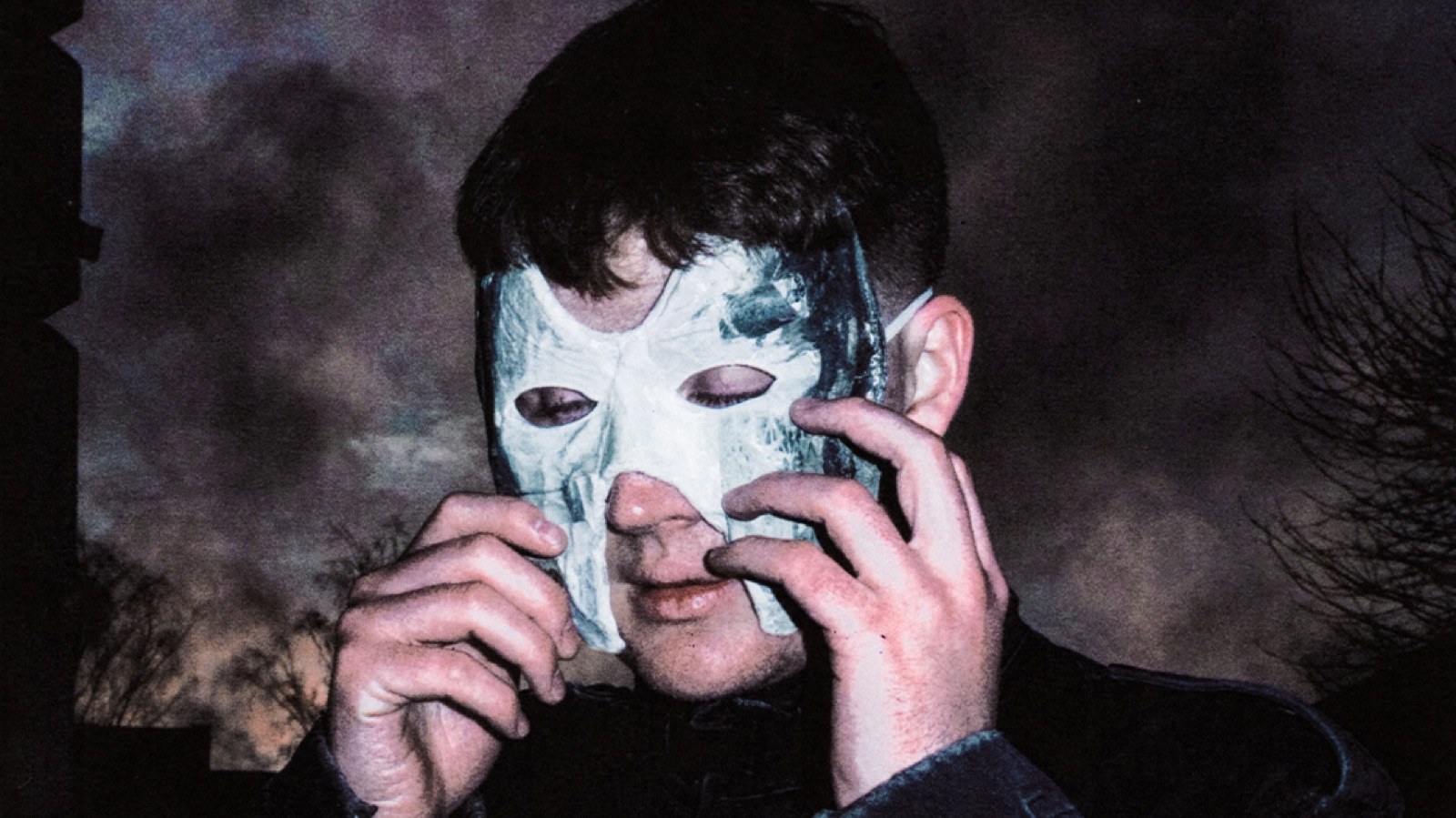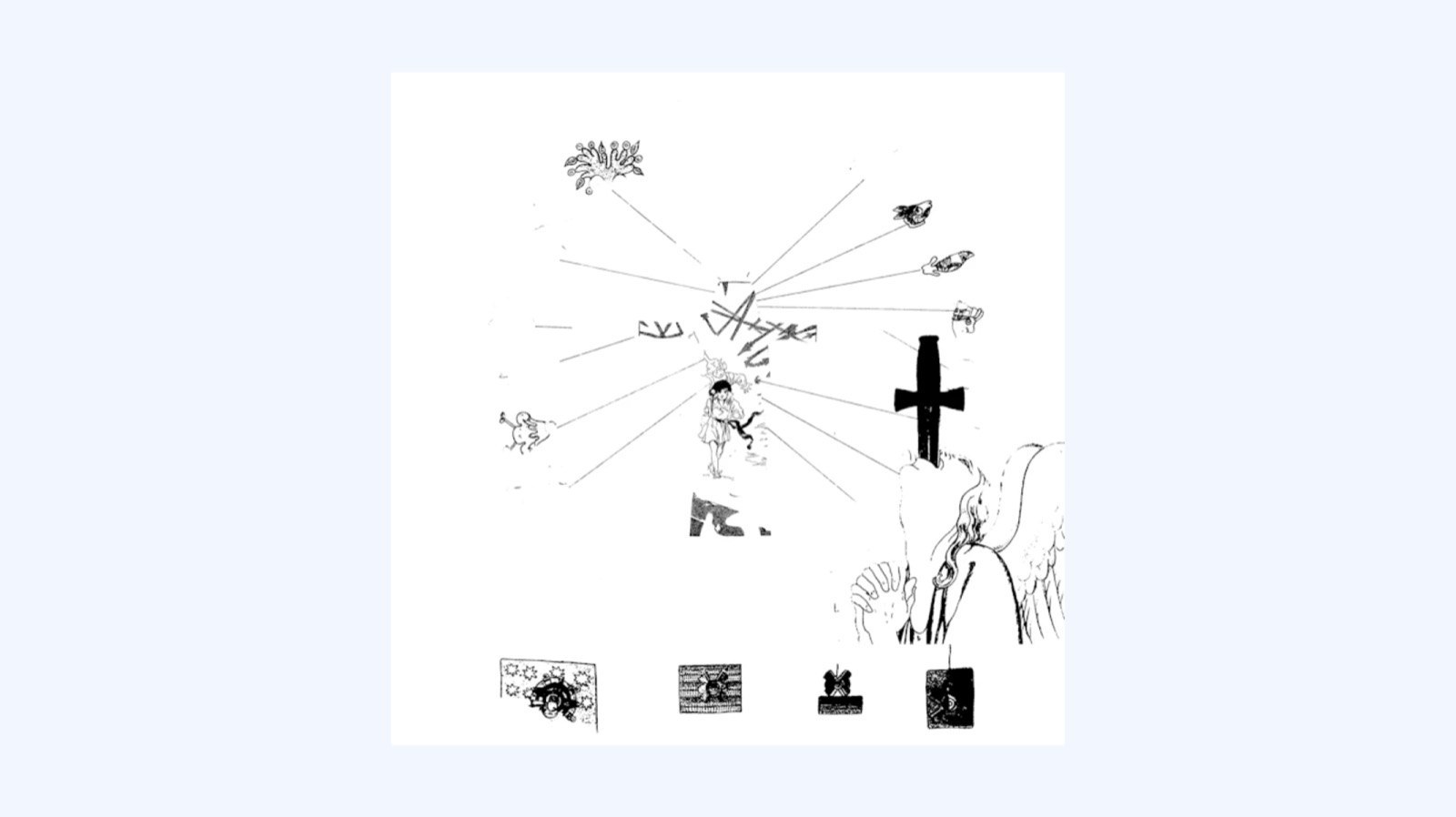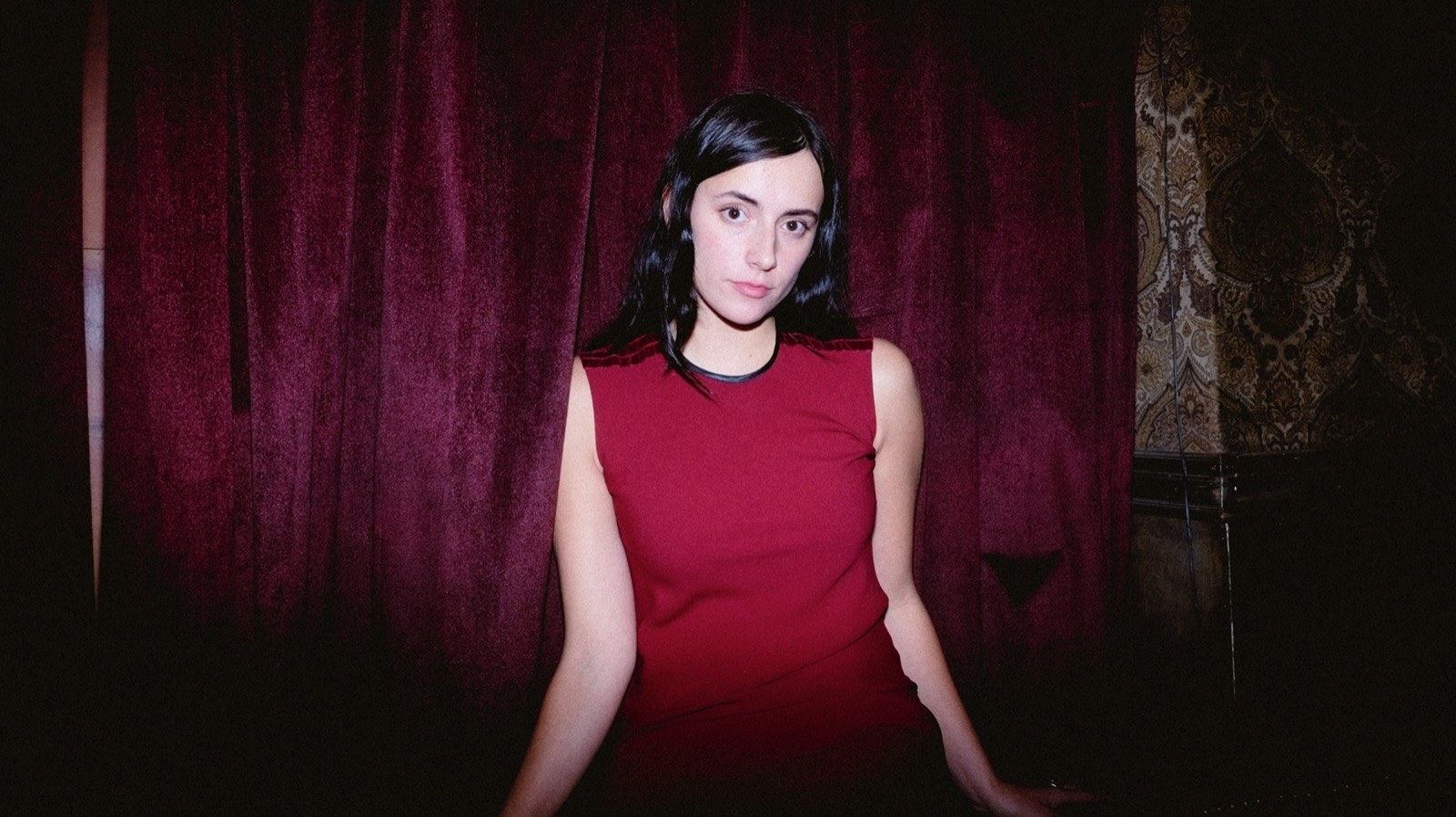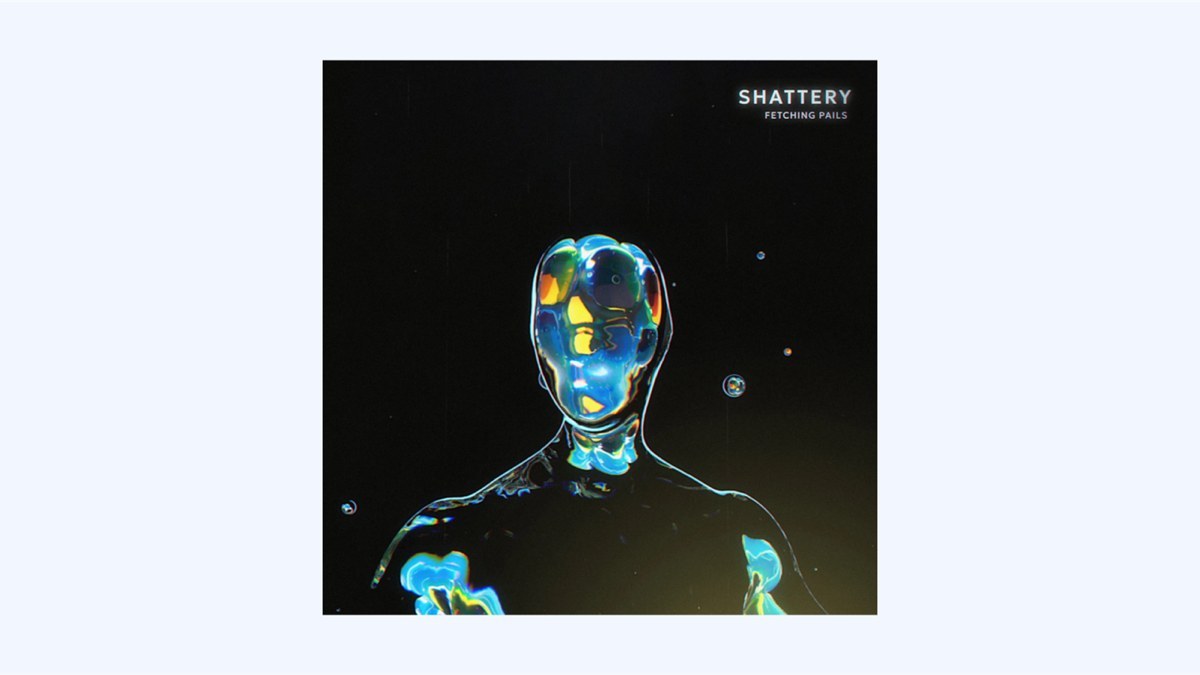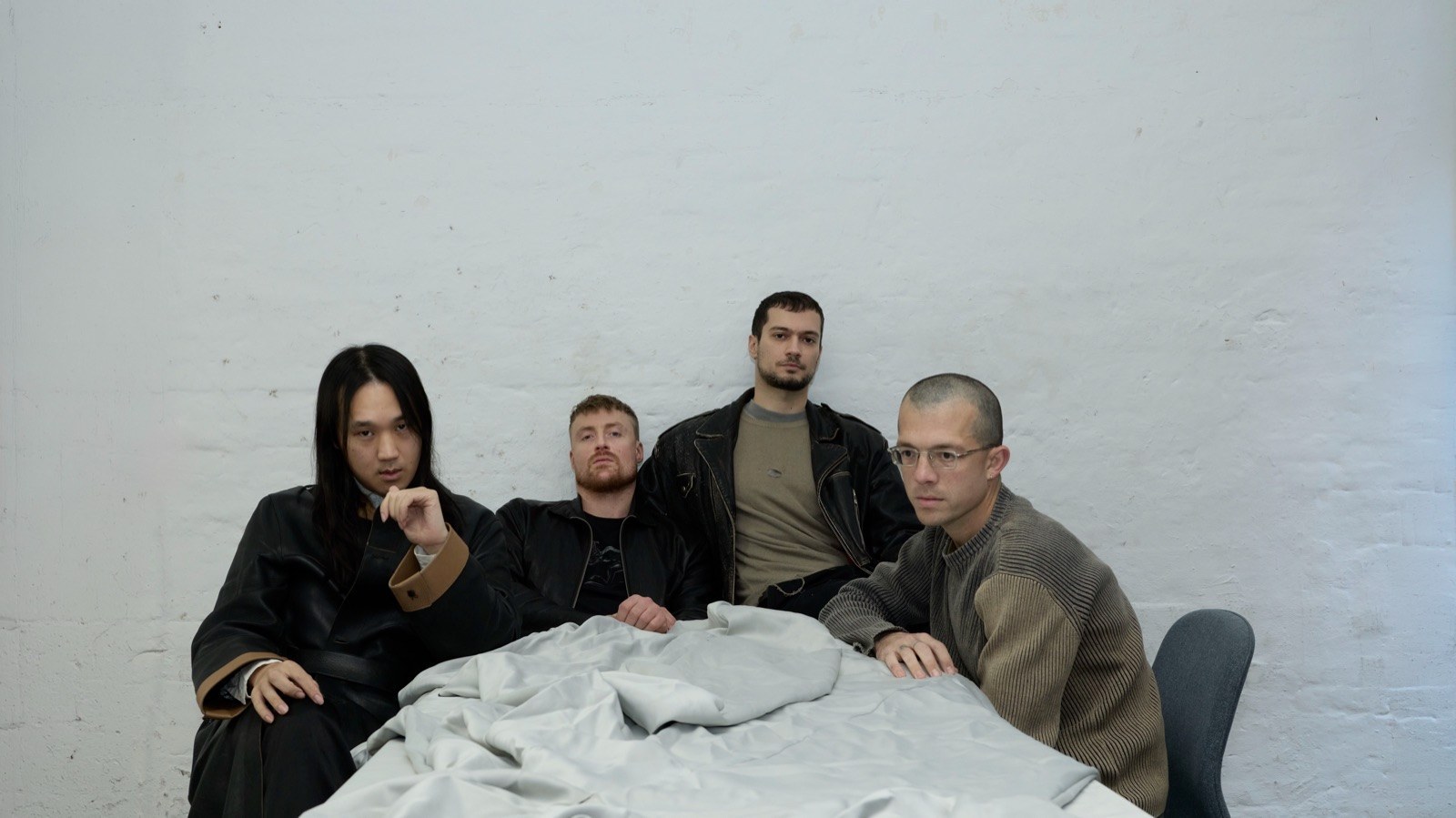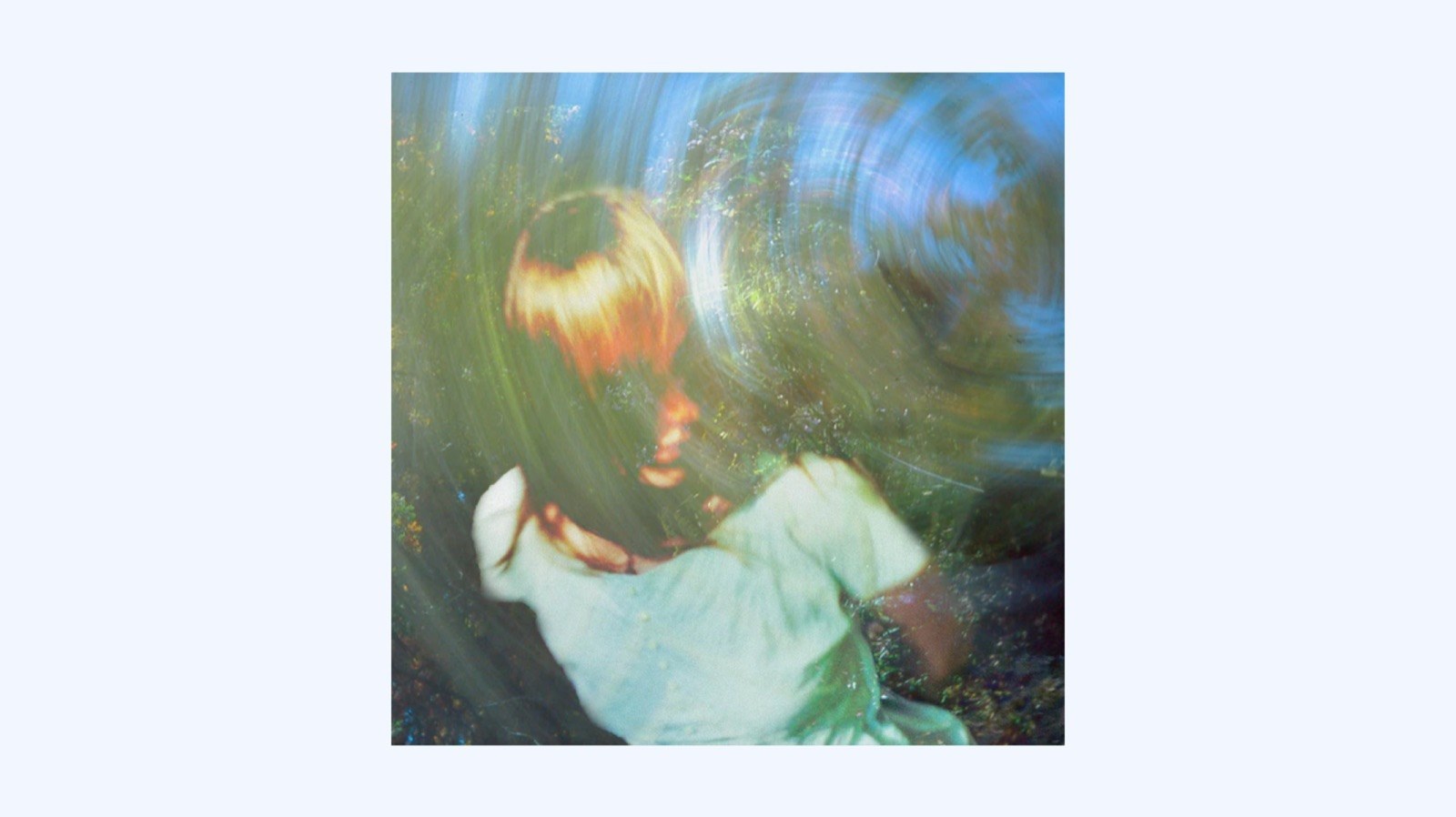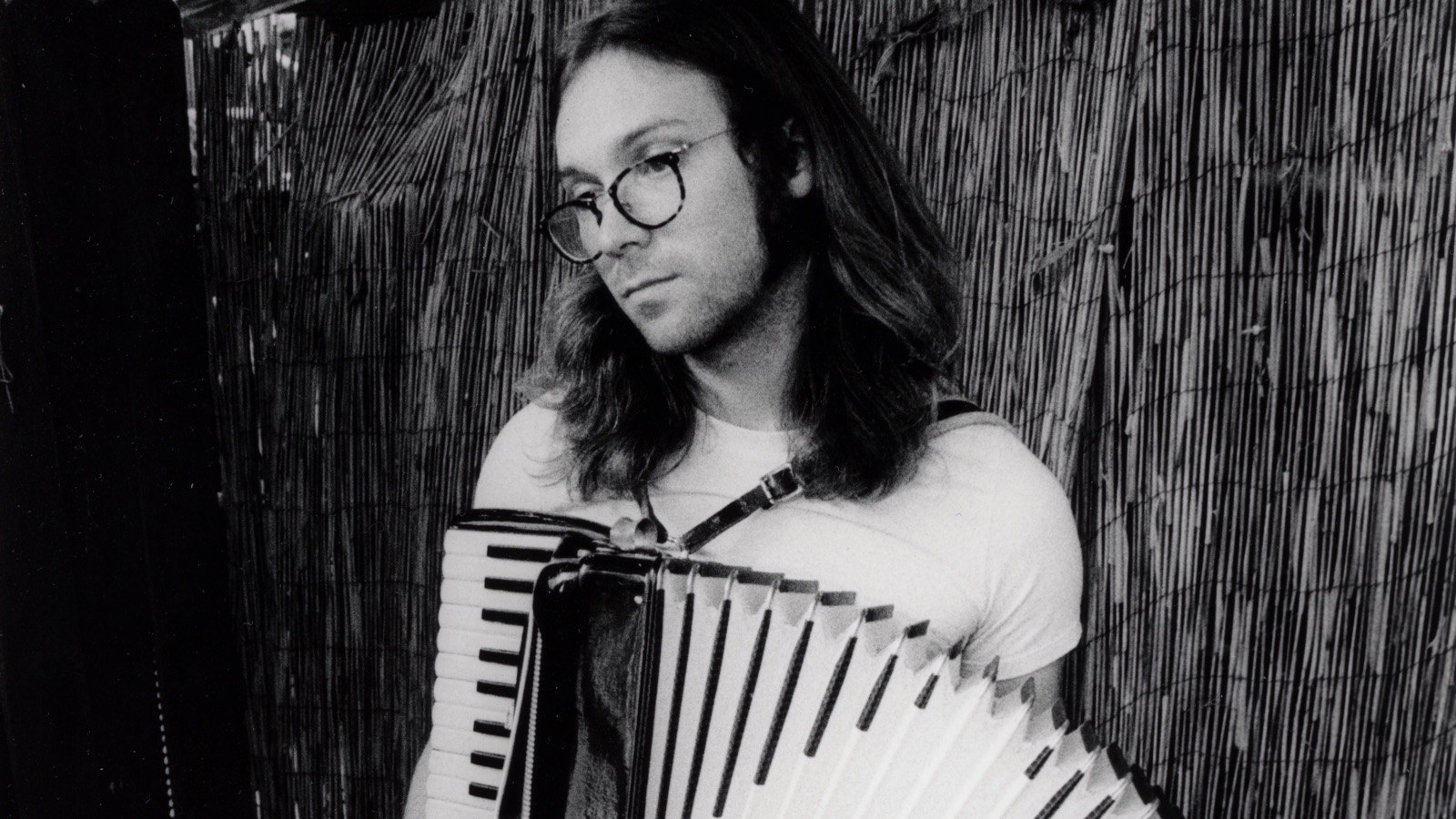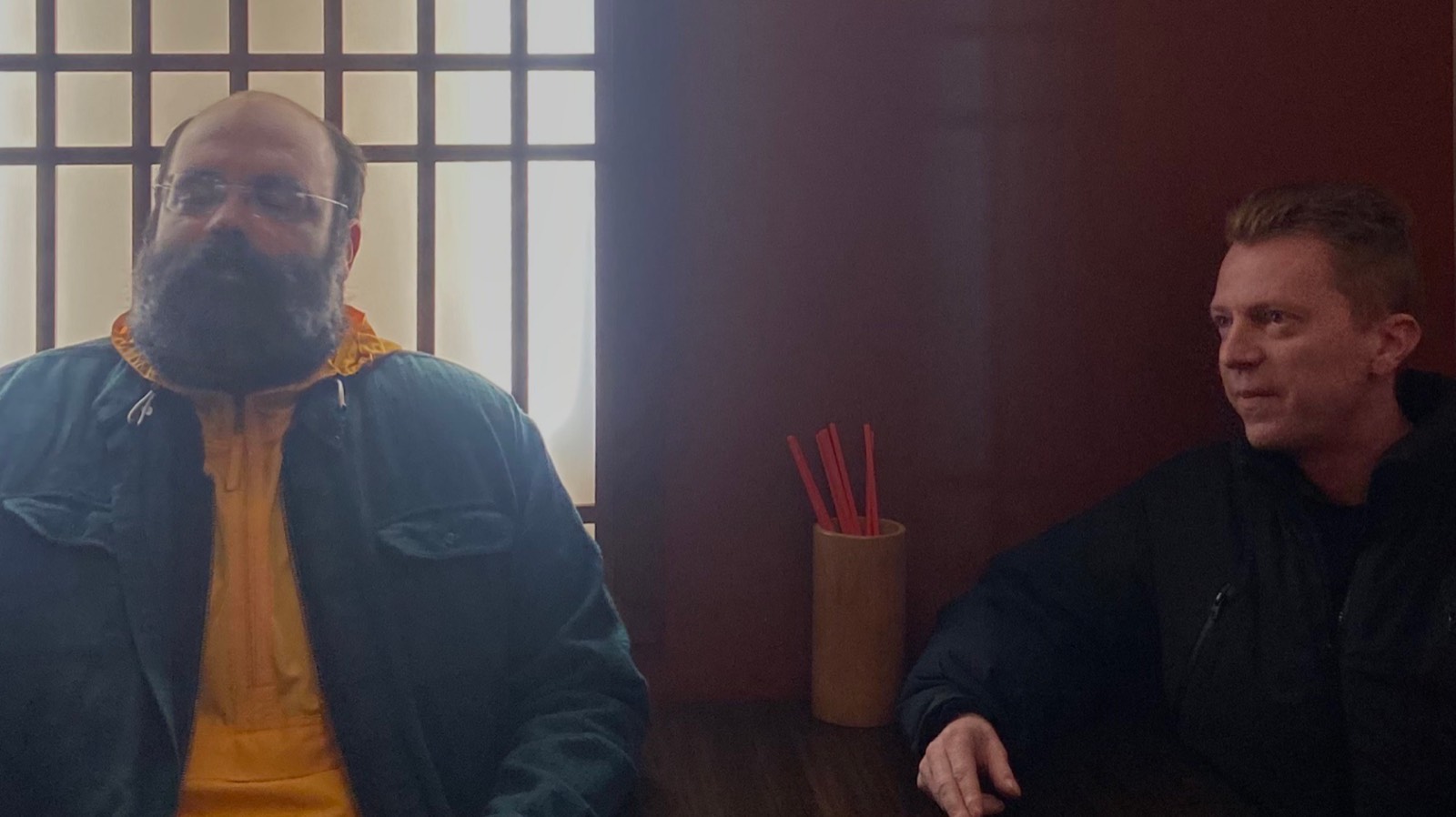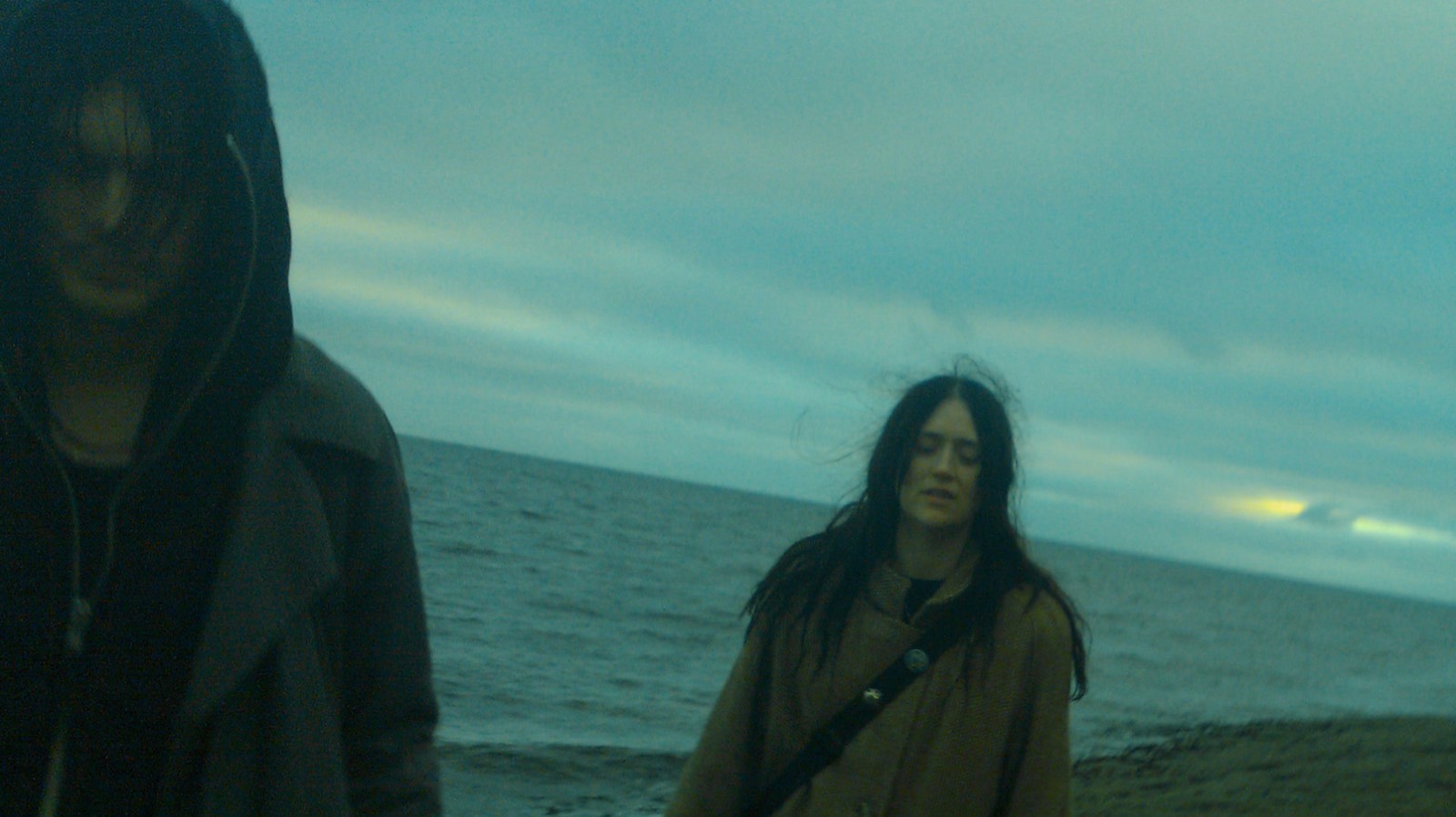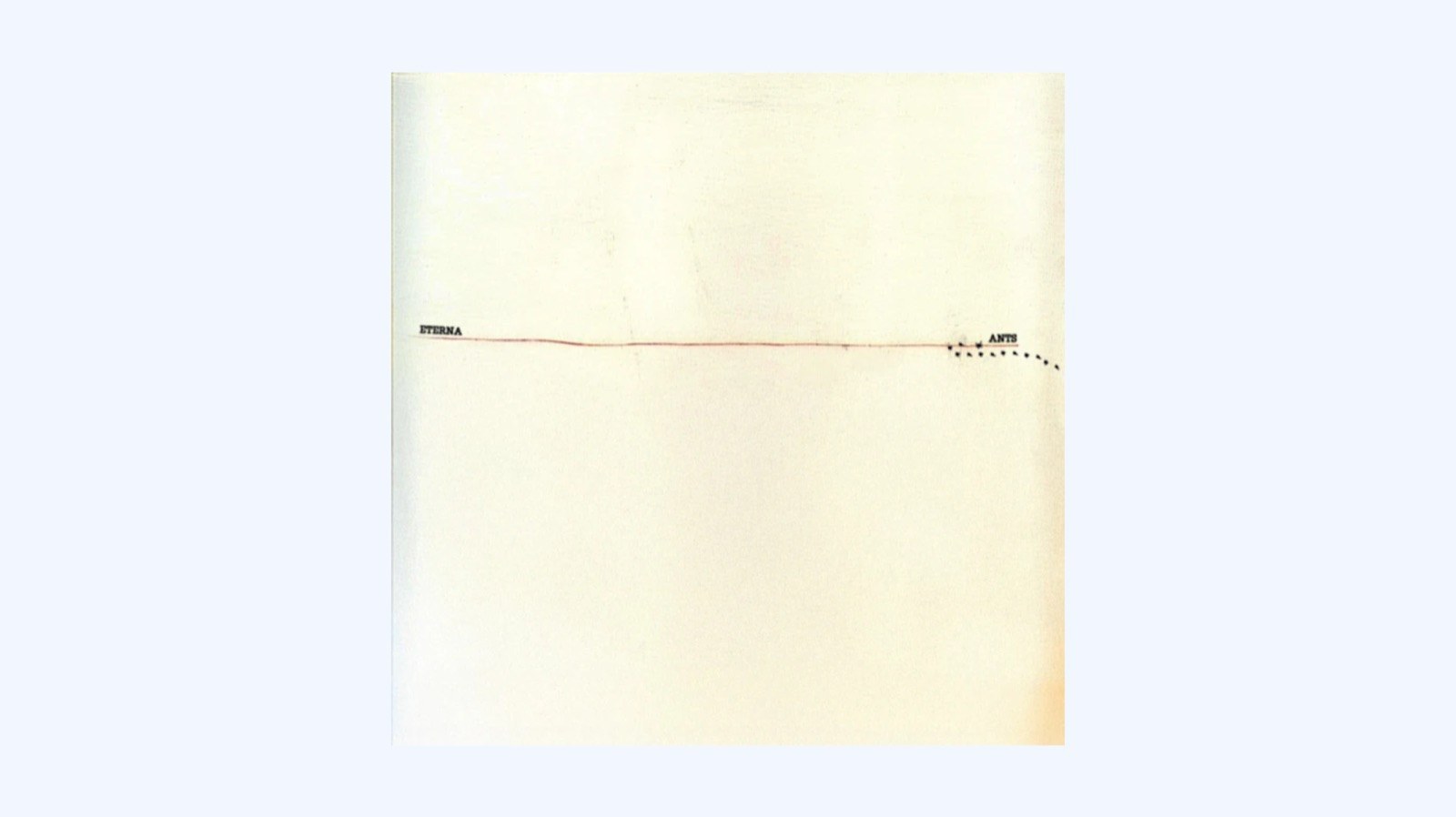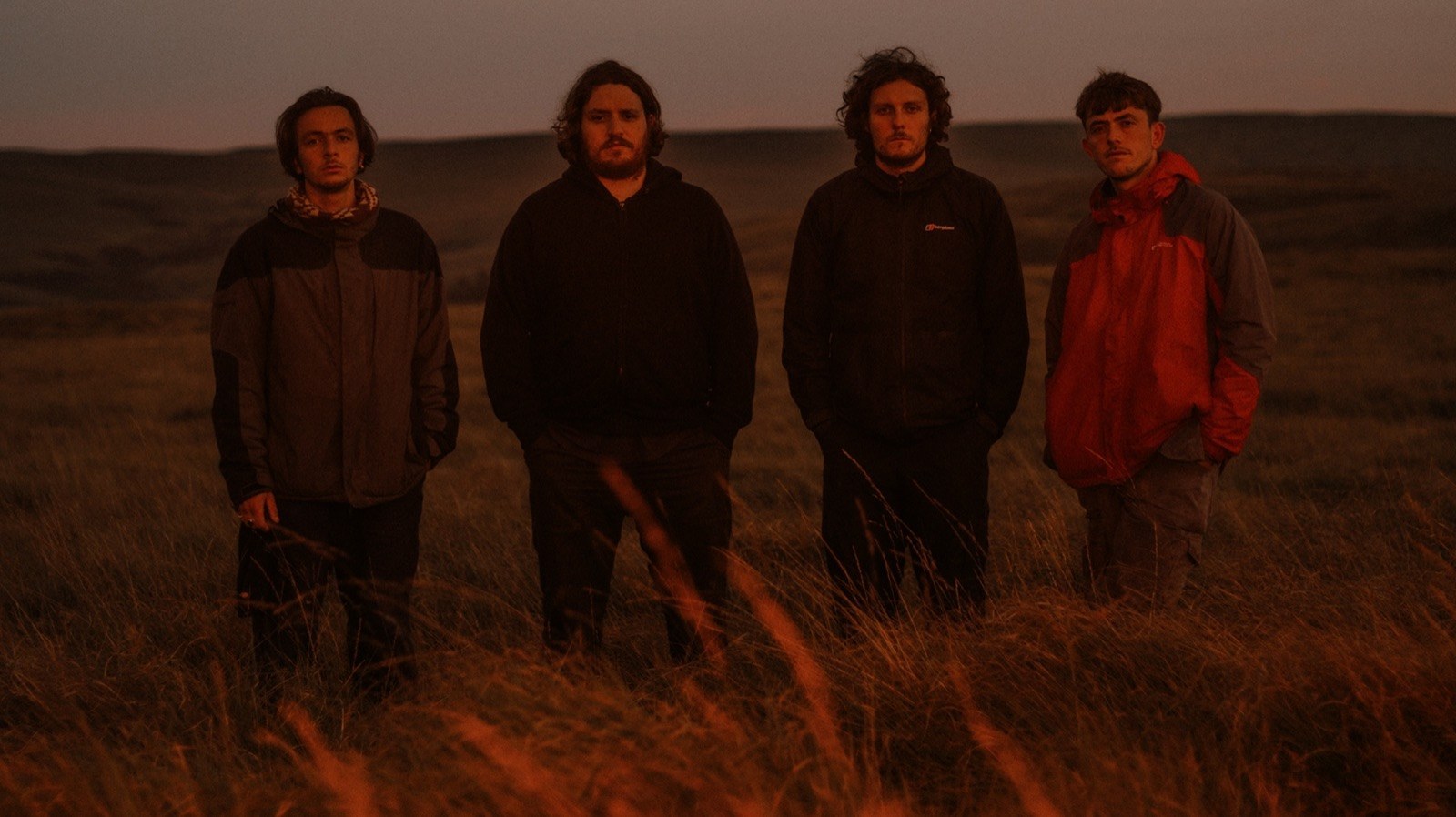

The Bristol four-piece Quade play in a slippery style. To call the band post-rock would probably be reductive, but the term doesn’t not have a certain utility when describing the group, whose expansive, downcast sound can move between the delicate and the punishing, the fine-grained and the blunt. Quade covers a lot of ground, but there is a classically Bristolian thread running through everything they make. In our interview, the band talks about the “moody, murky worlds that emerge from Bristol’s music,” and though that vibe transmits loud and clear on their second LP, The Foel Tower, Quade actually worked on the record in a Welsh barn. We had an expansive, enjoyable exchange with the whole band; read our interview and listen to The Foel Tower below.
How do you feel like your band has developed since its inception?
Quade: It has developed a lot in truth from its relatively humble origins! We all joined paths from different corners of the world during lockdown, we all grew up together, so we returned to our local stomping ground and began essentially jamming together in Leo’s shed in a rural valley outside of Bath. None of us had played music together and Matt, Leo, and Barney had never played the instruments they now play in the band. So much of this early
phase, which was thankfully not recorded, was basically throwing shit at the wall and seeing what sticks—it was great fun though.
I guess we were like some strange post-punk prog group inspired a lot by various Krautrock artists. We then made “The Balance” having just moved to Bristol together and this sort of became the blueprint for our writing process and sonic world. Tom getting on the fiddle was quite key too I’d say. I think this tune started the emphasis on trying to really attentively curate the tone and world we were hoping to create, in a way that felt like it intuitively binded our relative musical influences—Matt and Barney’s electronic and dub influences, Tom’s folk influences, and Leo’s field recordings and more experimental leanings.
I think since then we’ve very much been in harmony about Quade’s identity and have felt a lot of freedom knowing its musical vocabulary feels quite instinctive for us. We are able to lean into the different places it can go and place a lot of emphasis on transitioning between these. Musically we have all developed significantly. I feel like we have a much more refined and astute collective ear—this has naturally led us towards more minimal and spacious arrangements, with fewer elements but with closer attention paid to each element. This has opened up and led us more towards a softer and more effected sound palette, becoming evermore inspired by dub processing techniques.
What does your songwriting process look like? What role does improvisation play in it?
For this recent album, the songwriting centred massively on self-sampling and field recordings, many of which Leo found. We’d often listen to these field recordings together and then try and build something from there. It’s a really nice way to start as it ensures we’re all in the same world from the off and it doesn’t feel like any one person’s vision dominates. We self-sampled the piano a lot, would manipulate this on tape and then sort of jam around this. In other cases one of us might bring the bare bones of an idea that we’d then try and flesh out or maybe even just use it as a prompt—see “Unit,” for example, bears no resemblance to the initial idea that prompted it.
Often the actual ideas come quite naturally but as is the case with many bands, it’s structuring and ordering this chaos that becomes far more laborious. But I think this is where our strength lies as we’re obsessively patient and curatorial with our music and find a lot of value in the
detail that comes sitting with these ideas for a long time. We often find restricting the elements important so the smaller flourishes become more prominent. Improvisation definitely plays a big part, especially for Matt and Tom, whose contributions are generally more fluid. We will improvise the transitions, in particular, in our live set, really letting this breathe and move before finding its way back into something more structured. Many of the fiddle lines are improvised, this being an element that needs to move languidly in contrast to the more foundational elements.
Is there a track on the new record that you feel the most proud of? Is there something that you think sort of articulates the broader vision of the band?
Hmmm it’s hard to say really, it changes from day to day which is a good sign I think! I’m recently really into “See Unit”–this tune took a long time to settle into itself. We’re generally very communicative and lucid about how a song might develop, but this tune stumped us for a while. But I think where it ended up makes me feel proud of hanging in there with it. It was the same with “Bylaw 7.1” really, we had the first half sorted for a long time but didn’t know how to transition it away from this initially. But in terms of what articulates the band’s vision I’d say “Nannerth Ganol” going into “Canada Geese” really eloquently displays our vision. These two display the broad influences at hand and the shifting between expansive and intimate, desolation and hopefulness, power and vulnerability, the conflicting feelings towards the British landscape. Also sonically, I feel these two hone in on what we really try to achieve, something that feels like it’s soaring over you but then becomes as close and sensitive as if it were someone nervously performing to you in their dilapidated bedroom.
You are pulling from a lot of different musical languages. What grounds the band? Are there important reference points that everyone shares?
We always come back to certain artists that we all share as big influences. We are all big fans of the Krautrock artists of course, Can, Faust, Neu!, Harmonia, Kraftwerk. The blending of the industrial and the pastoral from these influences is still present in our music. We all listen to a lot of contemporary electronic and experimental music and go to a lot of gigs together. Donato Dozy’s Magda has been a favourite when we’ve been driving to Gigs. Marco Shuttle too, Dub Squad, Anja Lauvdal, Fridge, June 11, Slint of course, Deliluh, Bark Psychosis, Bill Callahan, John Fahey, Richard Dawson, Róis, Trá Pháidín—there are literally loads. Listening to music together is definitely a ritual for us that is integral to our friendship, we’re generally always on a pretty similar page when it comes to our references and tastes.
You once played a show inside of a crypt. Any other memorable live experiences?
We have had a few in truth! We had a very memorable show in Dusseldorf in this little anarchist collective tucked underneath a railway arch. From the outside you’d be hard pressed to tell it was a functioning space—it was in a pretty rough part of town and the exterior looked genuinely abandoned. We didn’t know we had any fans in Dusseldorf but managed to sell out the show, standing on this tiny stage inches away from some fairly imposing looking German men. It was wonderful though, it felt like a space that was genuinely vital for those who used it, there was a real warmth and sense of ironclad purpose to the venue’s role in the city, as if no one questioned the role that such music venues could hold for people. Rewire was fantastic too, just unbelievable levels of production and hospitality.
We also played an outdoor show in the mountains near Brescia in northern Italy which was memorable for the wrong reasons. Leo, our drummer, got seriously ill, with what we later discovered was Measles, and had to be rushed to hospital hours before the show. He managed to return in time but with the drip still in his arm and clearly struggling, the poor lad. Our van also broke down so it was just a bit of a shit show. The setting was gorgeous though.
Let’s talk Bristol. Who are some of your all-time favorite Bristol bands and why?
Ohh good question! Movietone is definitely up there. They have been a cornerstone for Quade. The creaking swirling intimacy of the music is so infectious, like you’re stepping into some slightly off-kilter jamboree in the mendips. Their arrangement is just so magical and luring. It’s somehow both very close and familiar but dreamlike which is something that we try to create with our music. Crescent too of course, the slightly darker splinter group from Movietone. Can’t not mention Massive Attack of course, they perhaps embody the dark, murky euphoria of Bristol’s sound better than anyone else.
The contemporary bands are also brilliant, Jabu in particular. They’re a soulful, melancholy “dreampop” (??) trio who make absolutely gorgeous spacious music that eats away at your heart. It’s beautifully tender, sensual, and meditative. Foot Foot are another contemporary group who draw a lot of influence from Movietone. They’re music flitters and rustles like autumn leaves, it’s frantic at times, unpredictable but always intimate. Bingo Fury is our good friend Jack Ogborne’s band, Jack engineered and helped produce both our records. Bingo Fury is a wonderfully “down and out” sort of world where you can imagine old drunks crooning at empty bars in downtown Manhattan. It’s massively inventive, moving, and visceral. Beak are really class—amazingly simple but very effective music.
Do you feel like your band fits into a larger lineage of Bristol music? Is there a sort of musical mood that you feel like the city engenders?
I hope so but I feel that may be for others to say! Yeah, there’s definitely something about the moody, murky worlds that emerge from Bristol’s music that remains somehow very compelling and darkly hopeful. I think there’s no aversion to entering the eye of the needle here musically and finding there can be a lot of peace and tranquility accepting this. There’s something almost feverishly communal in going to these darker places, like some dystopian solidarity that we have with each other—perhaps because a lot of the music is very political at its core. Anyway, I’m just spitballing!
One more Bristol question, to complete the trilogy of Bristol questions: What’s your favorite place to eat in Bristol and why?
Ohh interesting! Hmmm it depends on our budget, which is often pretty depleted. There’s a pretty standard curry house on St Marks Road in Easton called Eastern Spice which is just a lovely joint when you want to have a nice eve with your mates, with lovely people who run it. Sweetmart, just next door to this curry house, is a wonderful Bristol institution too. It was set up by Indian immigrants who moved from Kenya in the early 70s and has since become a stalwart of the community, their deli section has some of the finest samosas in town and they do brilliant daals which are very affordable. It’s a truly special place, Sweetmart. Sam’s Master Grill is a winner—best Persian food in Bristol. The lamb neck is outrageously tasty if you are that way inclined.
.png)