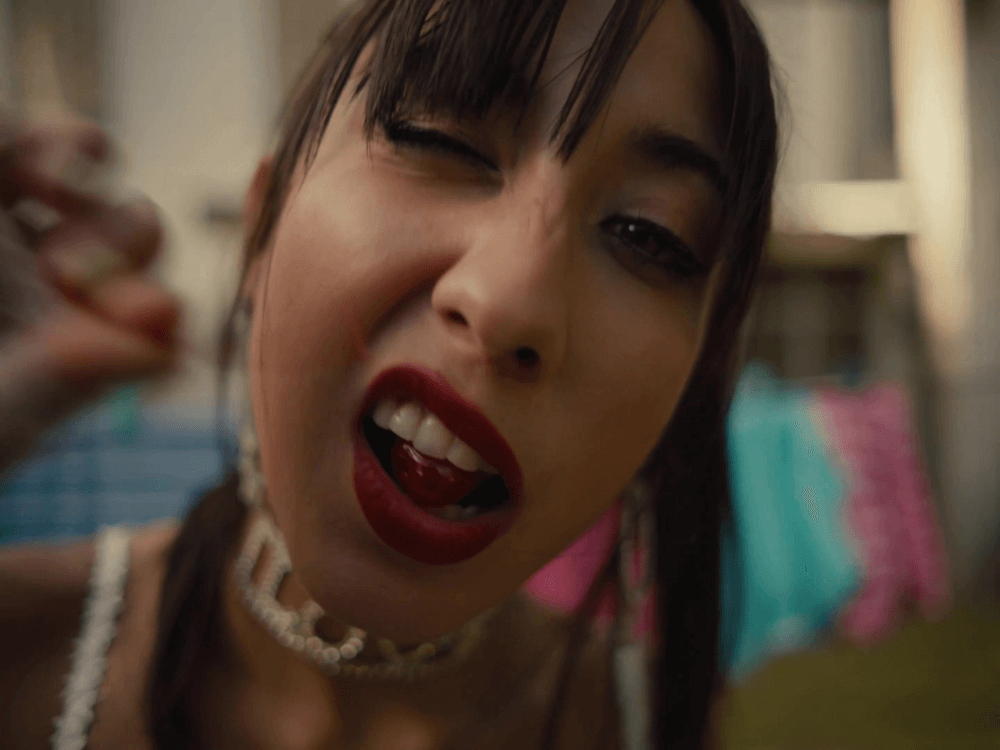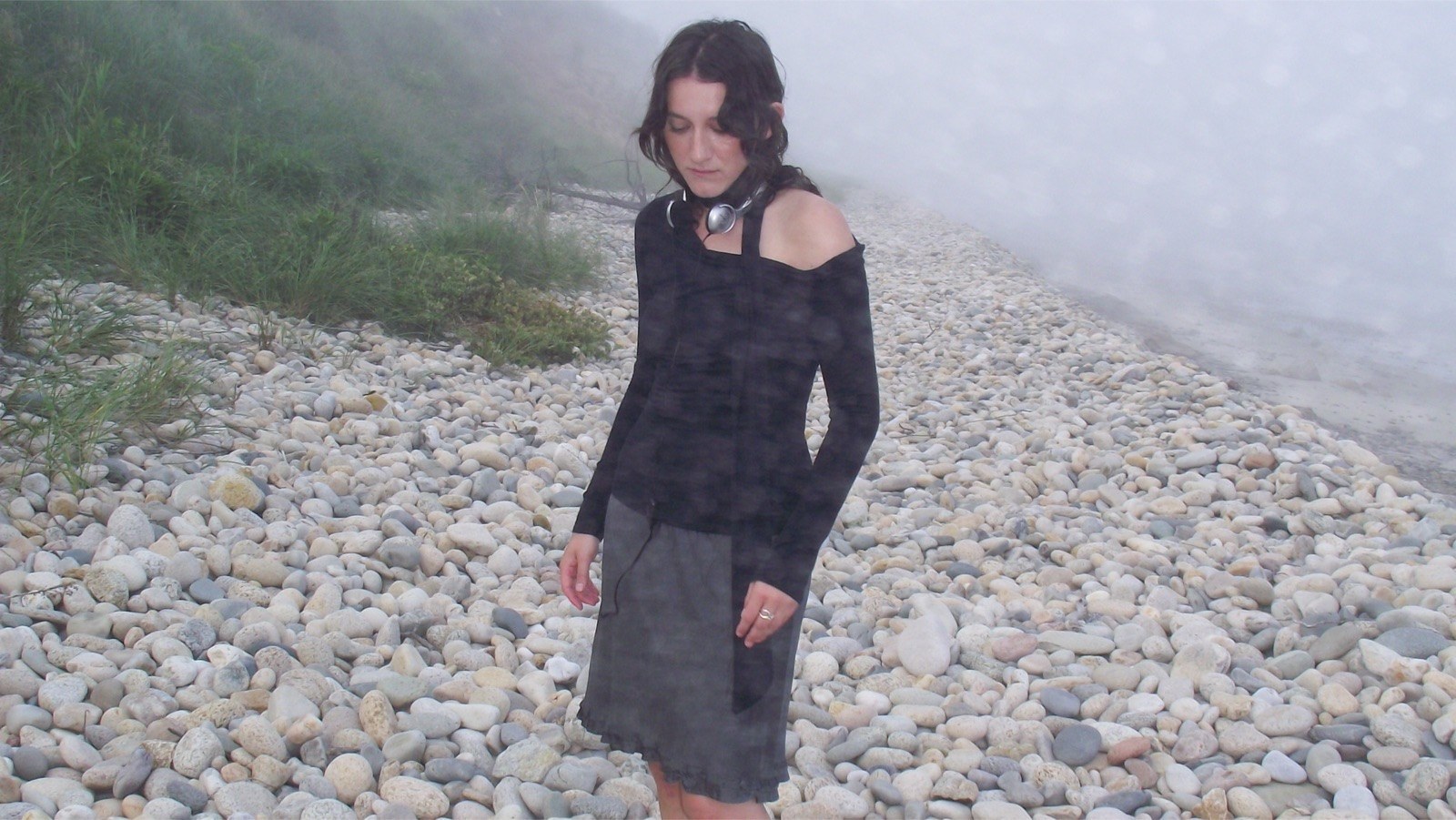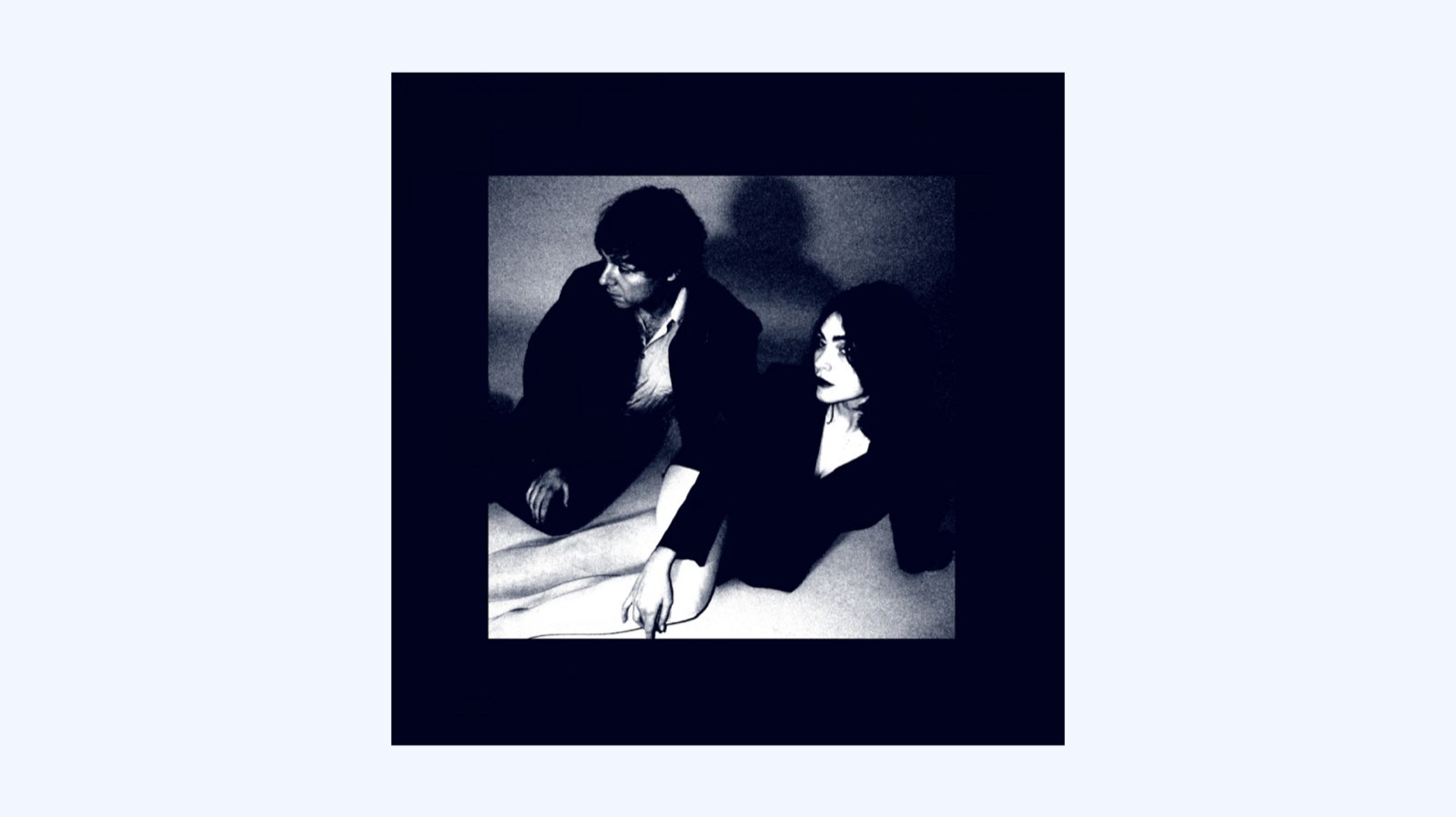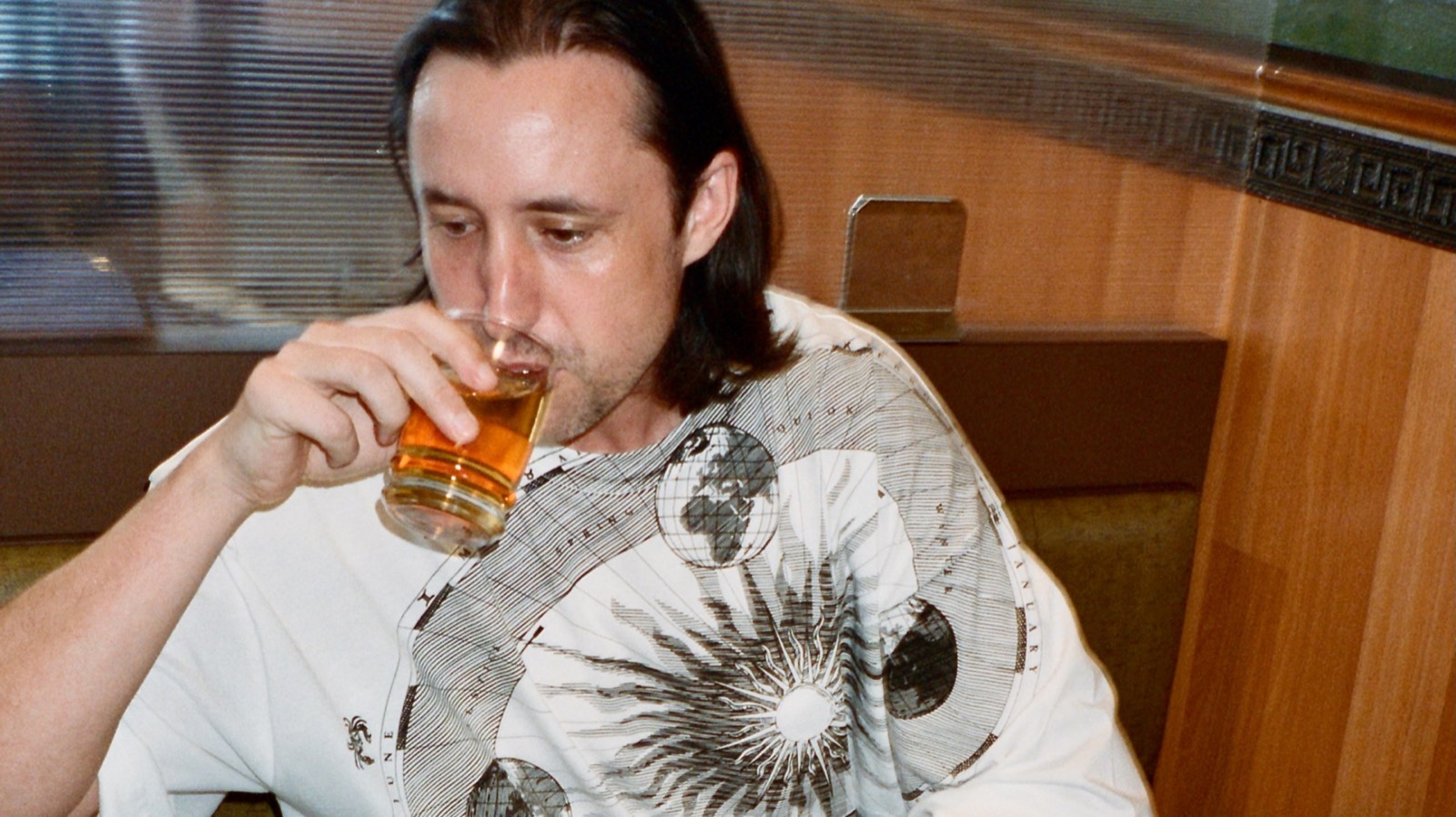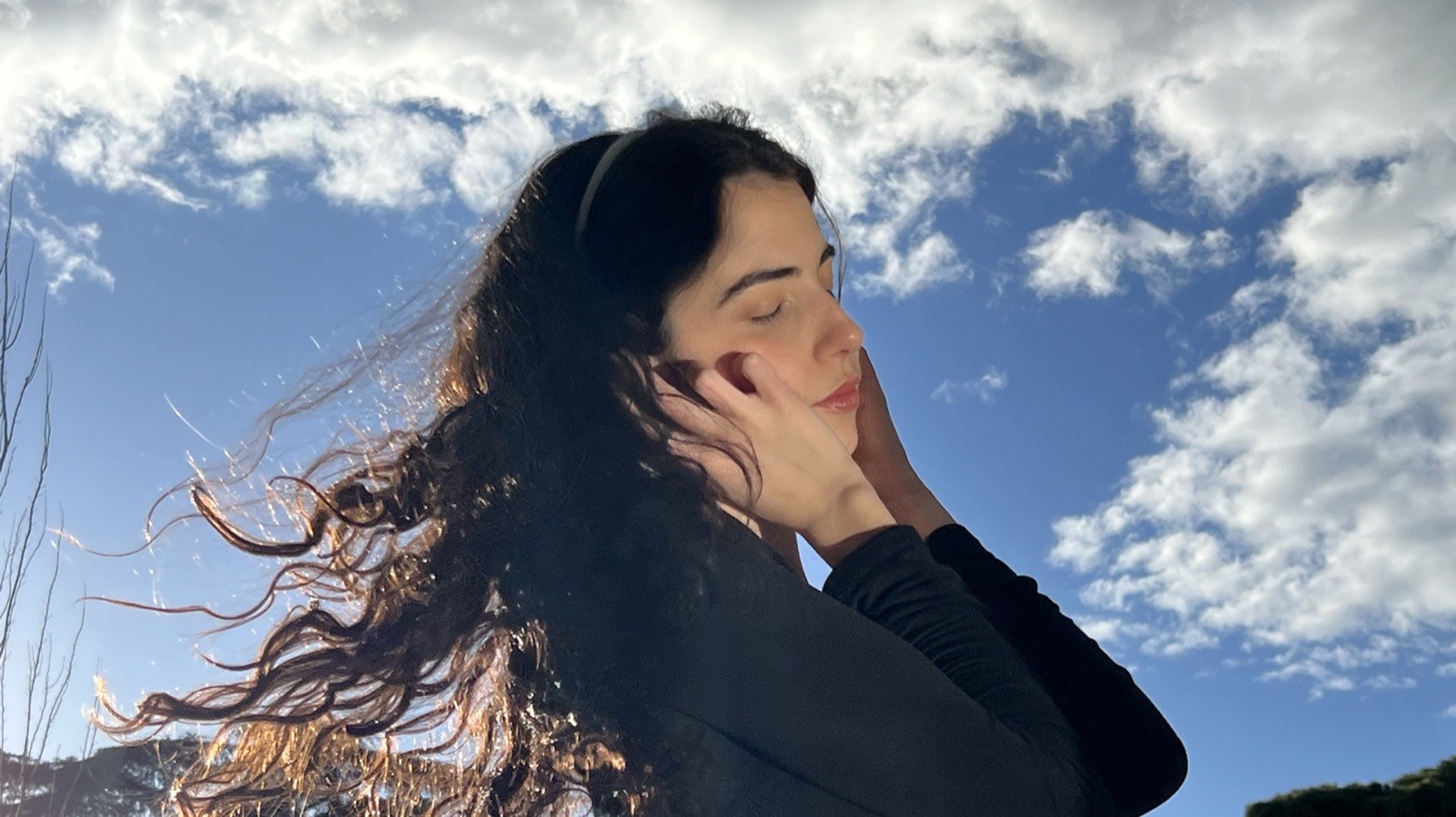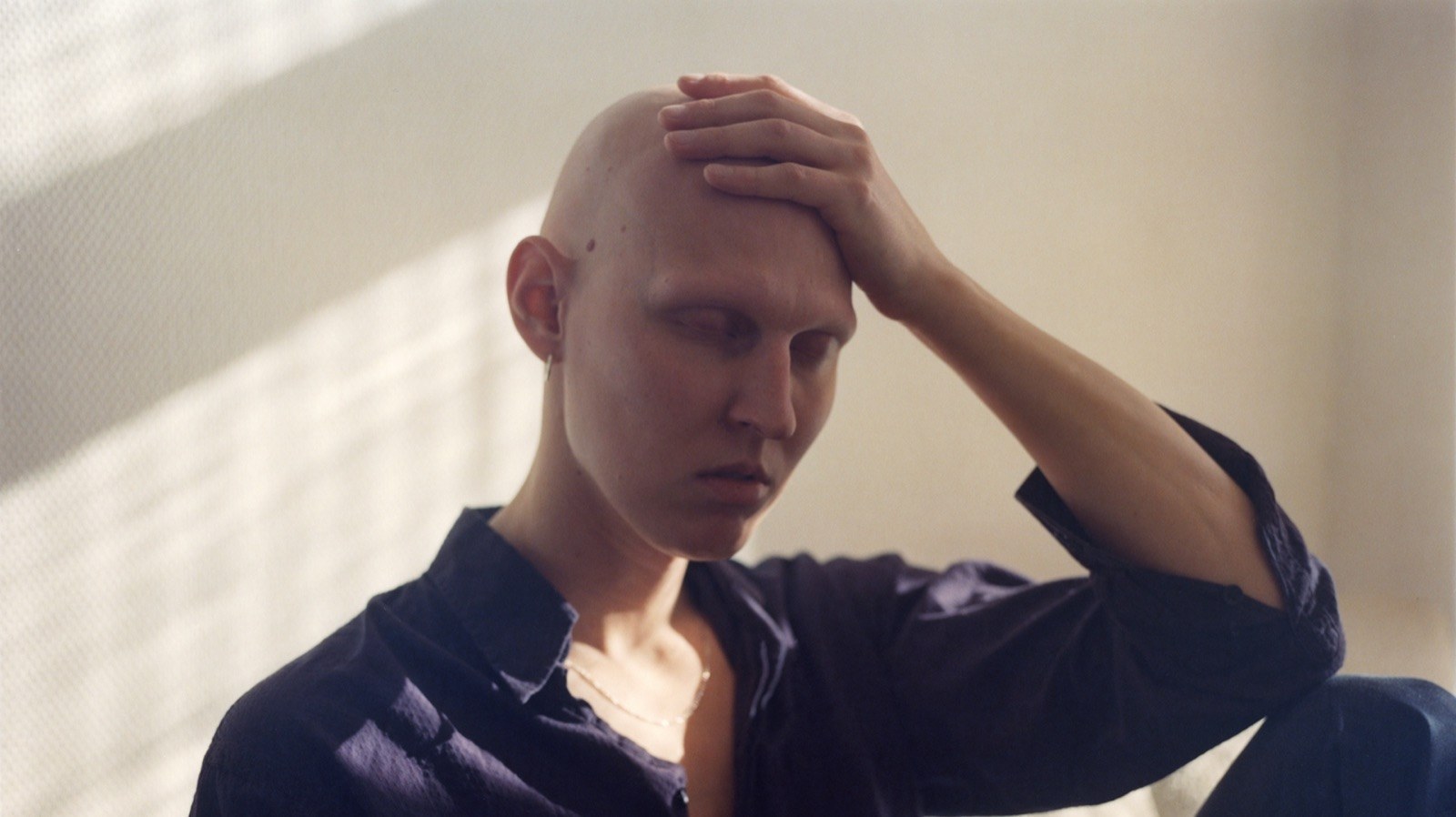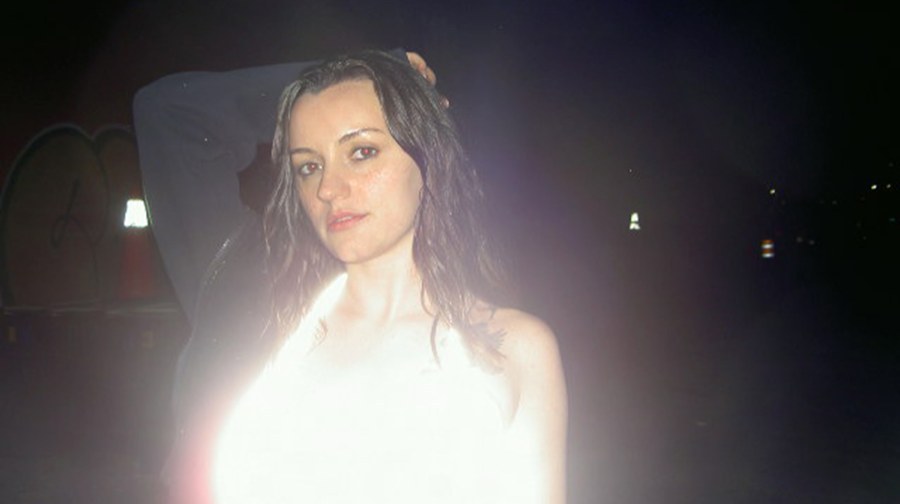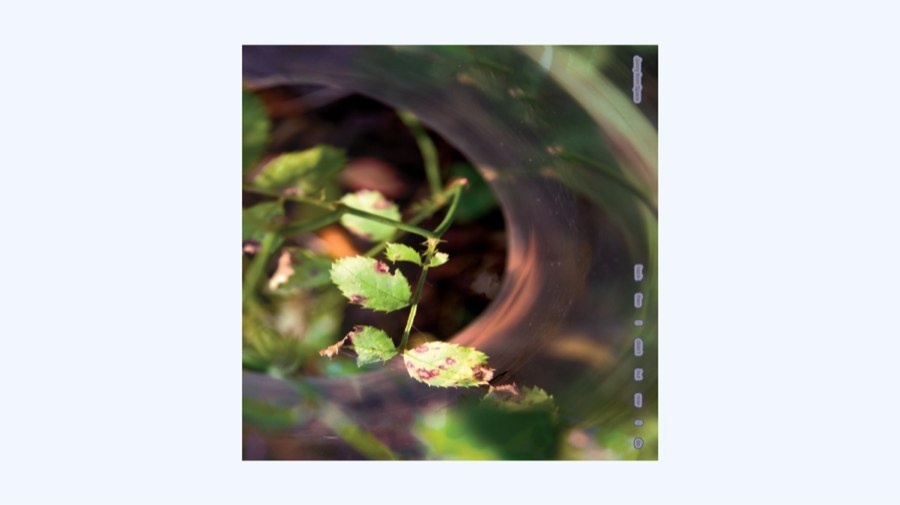

In certain dance music circles, the Montréal-born artist and producer Maara has established a reputation as a merchant of high-quality techno and trance, but her newest album, Ultra Villain, has a different tempo entirely. It’s a synthesis of trip hop, pop, R&B, and beyond; it takes a personal lyrical tact and holds an atmospheric sonic position. It’s a downtempo pop masterclass that takes lessons learned on the dancefloor, musical and otherwise, and folds them into something you could listen to in the chill-out room or the living room. Give the record a listen below as you read our conversation with the artist.
Is there a narrative that runs throughout your new record?
I would say it explores themes of lost love, longing, broken connections, self-acceptance, and returning to oneself after a tumultuous journey with the outside world.
After a lot of time making dancefloor-focused tracks, what drew you to start working on more vocal-driven music? What has that process been like for you?
Lyrics and songwriting have always been very important to me. I love language, rhymes, and the stories words tell when sung, and the effect it creates. I've been writing lyrics for longer than I have been producing, which really motivated me to start producing because I wanted to make beats I could use myself, etc. I made hip hop music under a different name before turning my attention fully to the Maara project, but that part of me interested in telling vocal stories has never gone away. A lot of the vocal music I make, I make it privately for myself without having the question of utility for dancefloor moments in mind or really asking where it will go or be heard. They are an important kind of sonic journal for me that remind me of what I was experiencing at that time, and cathartic for me to make.
How do songs often start for you? There are a lot of breakbeats on Ultra Villain, do those form the skeleton of some of the tracks?
Usually, I’ll have a sketch with the basics, drums, pads, and bass, and start from there quickly. I usually record the first versions off my laptop microphone directly, and redo it later in the studio on a proper microphone, but getting the feeling and blueprint out is more important than getting it perfect if I have the idea/inspiration. A lot of songs are freestyled and then built out of what works vocally with the theme and overarching idea for the track.
What is “Obsessive Compulsion” about?
For me, it’s about being obsessed with someone and hoping that they feel the same towards you, and also about this paranoia that maybe this person is actually feeling towards someone else what you are feeling towards them, and being lost in this fantasy and intense world of desire and insecurity.
What is your history with trip hop music? Can you remember the first time you heard a track from within this somewhat amorphous genre? Do you have a favorite trip hop track of all time?
I think after I started making dance music, I was formally introduced to trip hop as an almost adjacent field to dance music. “Behind The Sun Deep (Ambient Mix)” by The Starseeds goes in my memory for early trip hop songs I've heard, which I love. I really love elements of the song “Be Open” by The Starseeds as well.
Besides the fact that both can have cold winters, Montreal and Berlin seem like very different cities. What do you get out of splitting your time between the two? How do the music scenes in those two cities differ?
Montreal is my safety pod and forever place. I will always be linked here and feel deeply grounded and at home when I return. I'm able to get a lot of work done here without too many distractions and do my thing. Berlin is darker and more hectic but convenient to be in Europe. The dance music scene in Montreal still feels underground. DJs and producers work very hard to put on their own parties with a lot of intentionality. It always feels ahead of the curve yet attached to the globe’s scene and very much in the conversation. Berlin has a lot going on, which can be inspiring but also overwhelming. It’s interesting to hear the sounds played more in Europe and also get to meet likeminded people.
Going backwards: Can you remember the first track you ever made?
Yes, well, I guess there are a few iterations of the “first,” but I remember being 13 during a computer class. I can remember the process and the feeling, but not really what it sounded like.
Within your own personal history, who is the GOAT Montreal producer? What about the best club?
Fave club in my own personal history: Datcha—so many fond memories here but still l remember being 18 and my sister getting me to come meet her there. I thought it was the most epic thing at the time, that tiny dance floor helped me fall in love with dance music and the dance scene in Montreal/club dance floors in general. Although right now my answer would be Parquette. Provides an amazing sound and dance floor experience and is exactly everything going out should be. Francis Lattlrale aka Priori gotta be one of the MTL goats for producers.