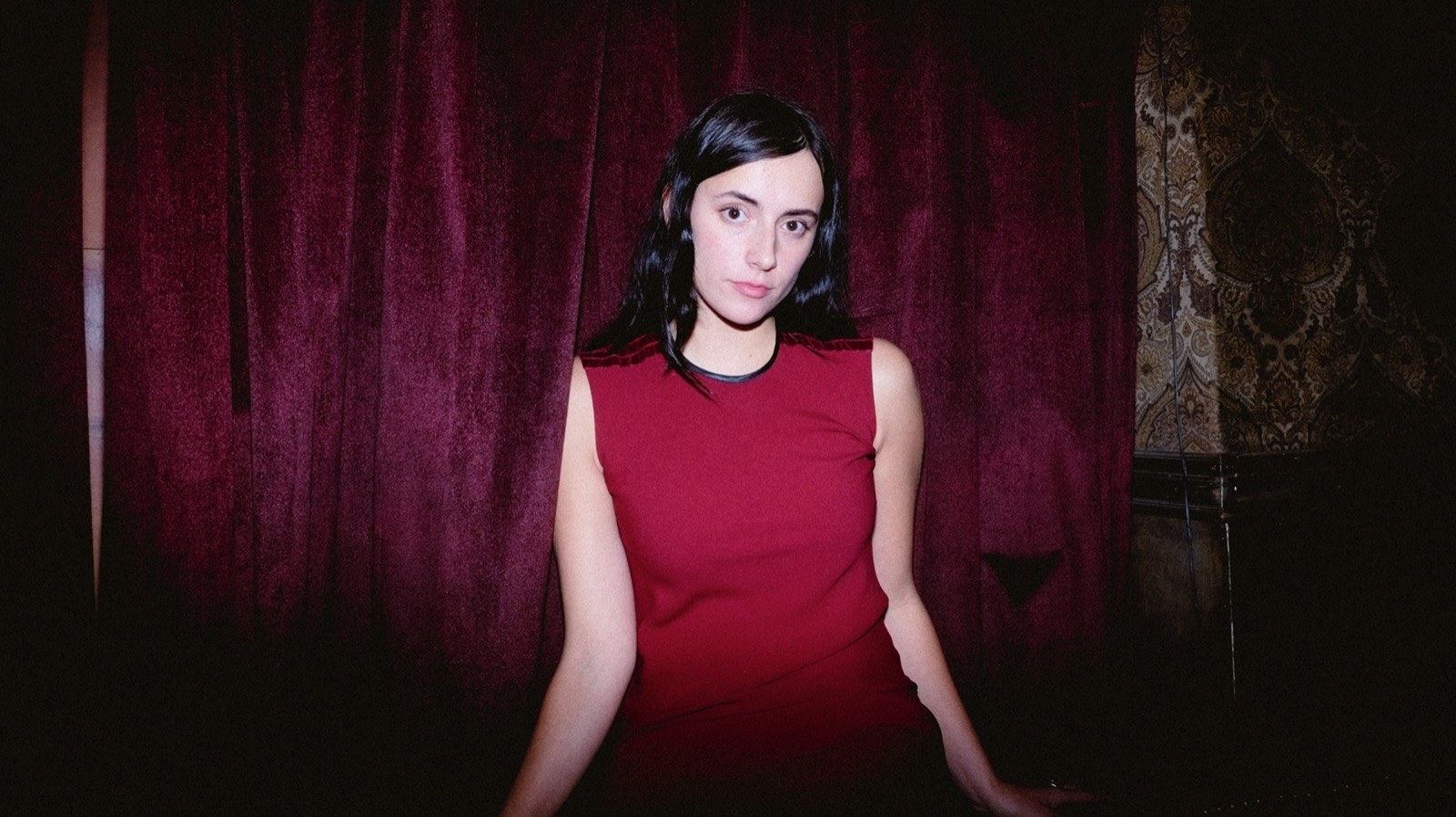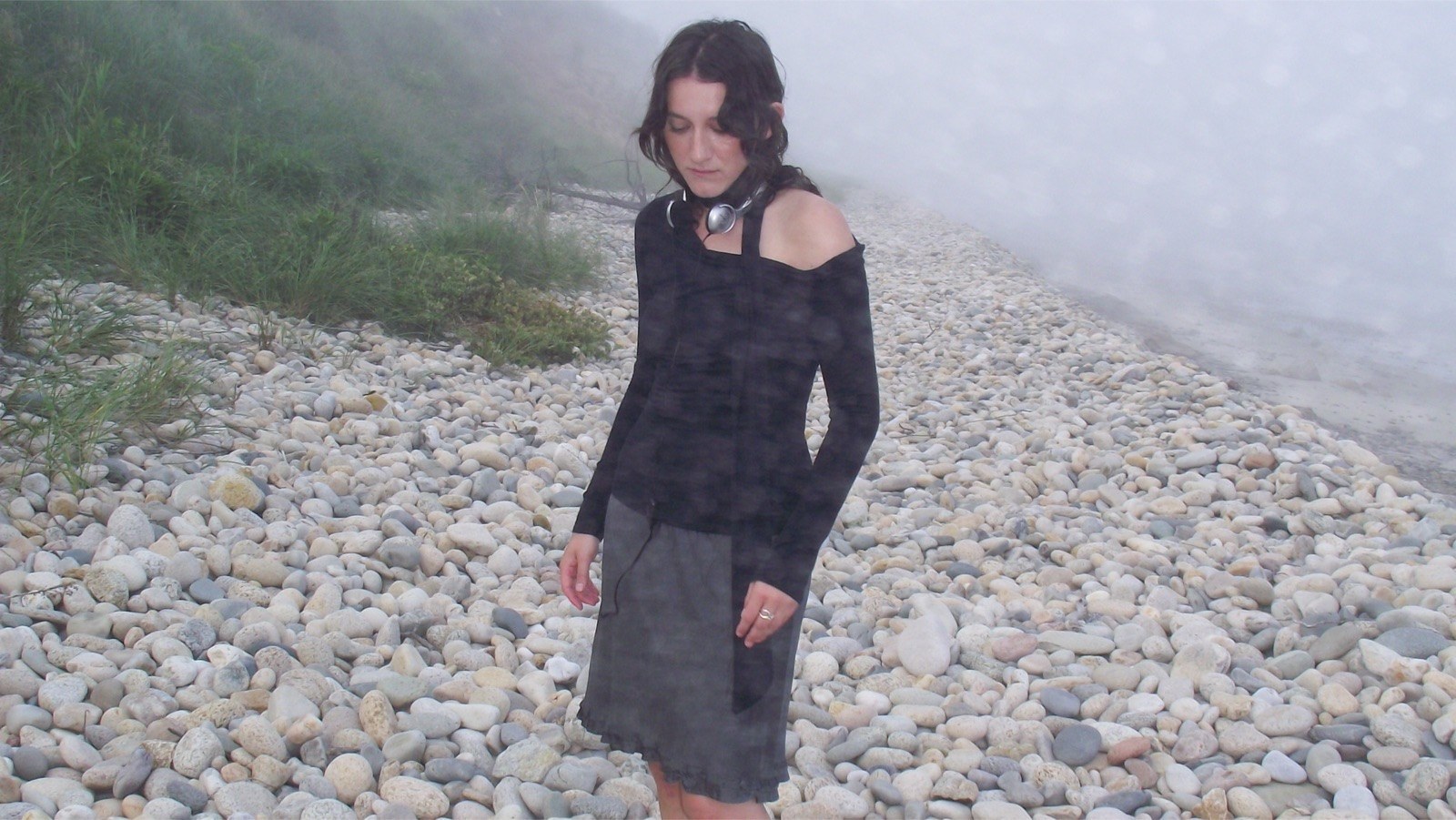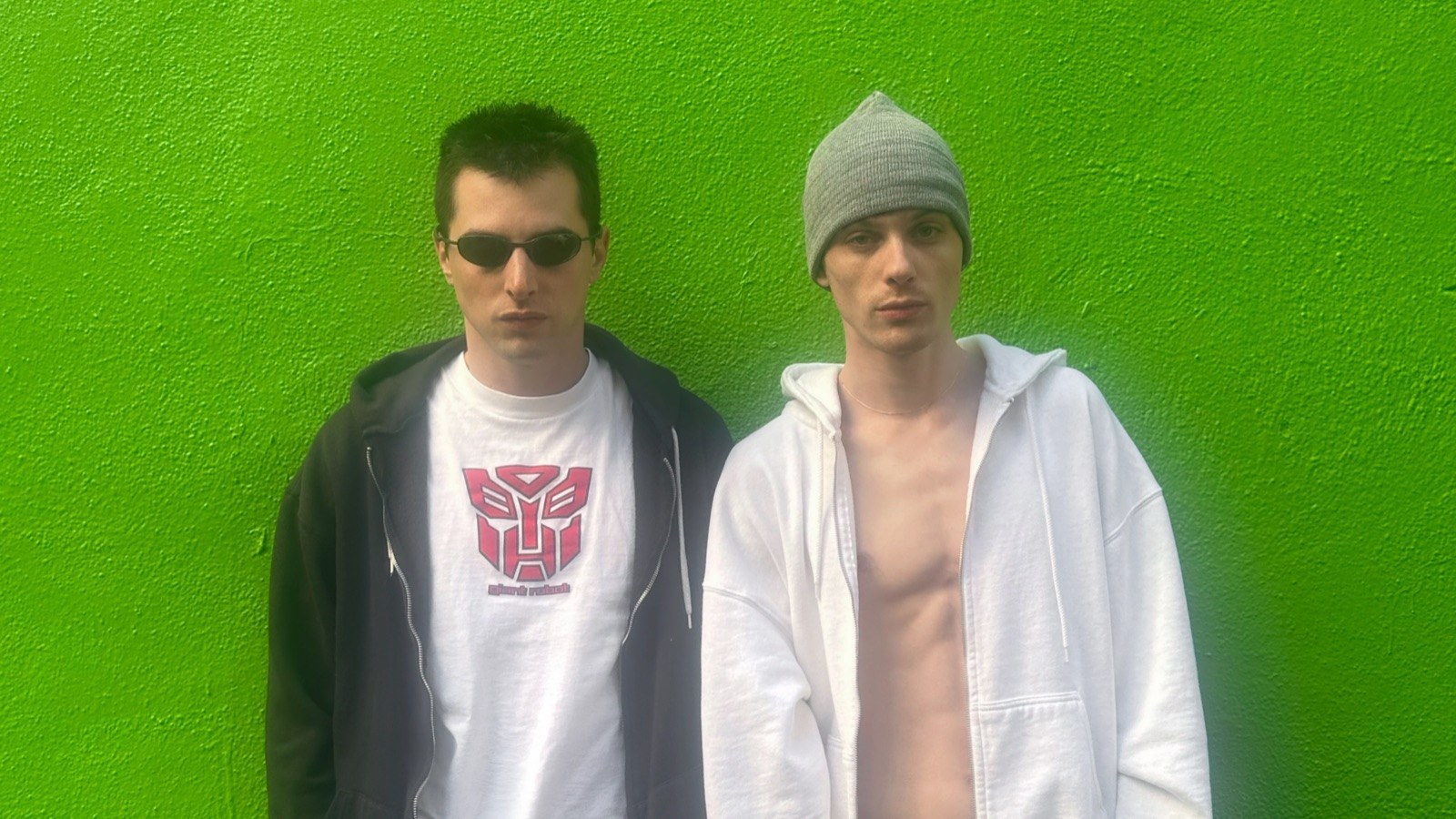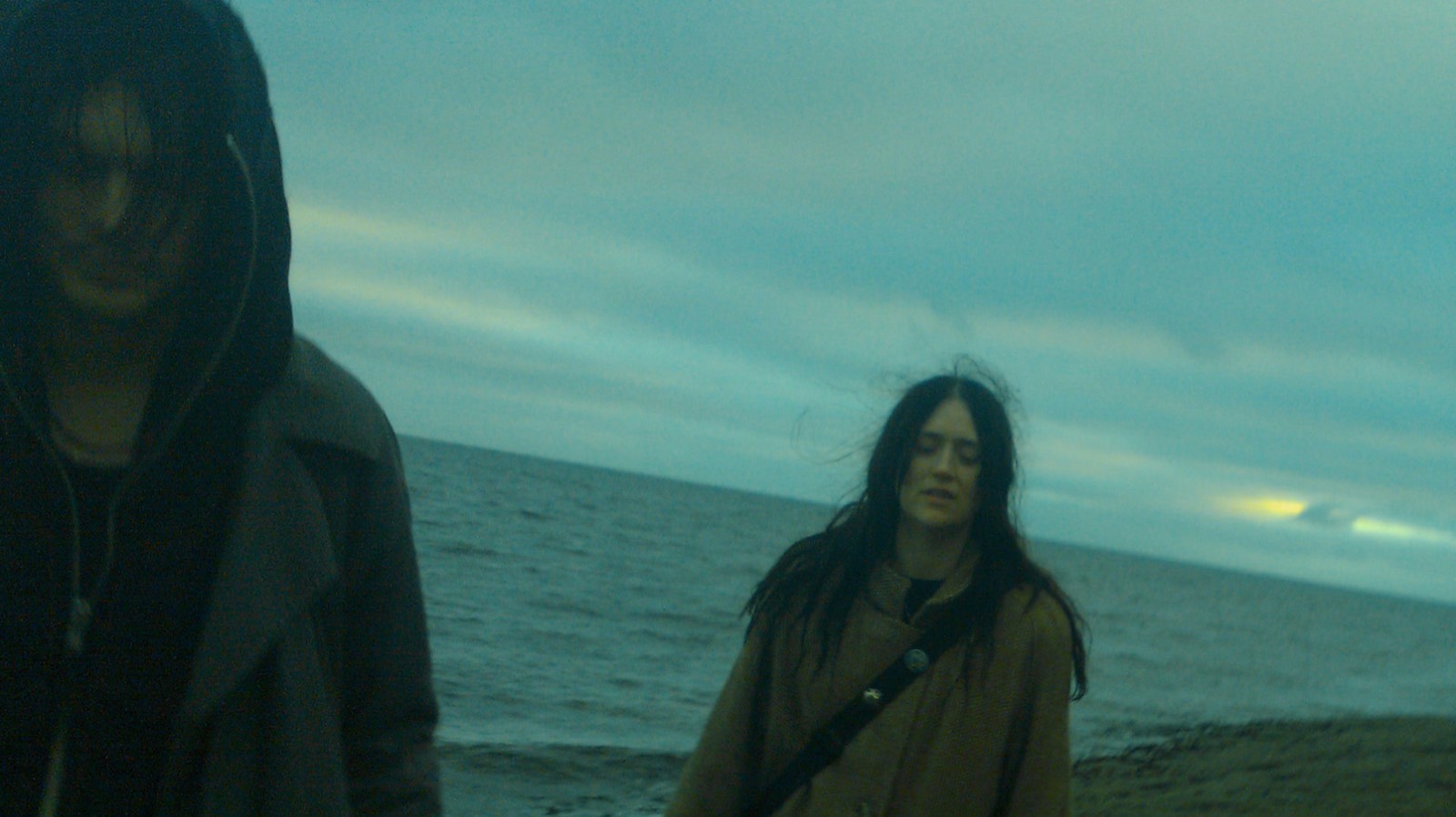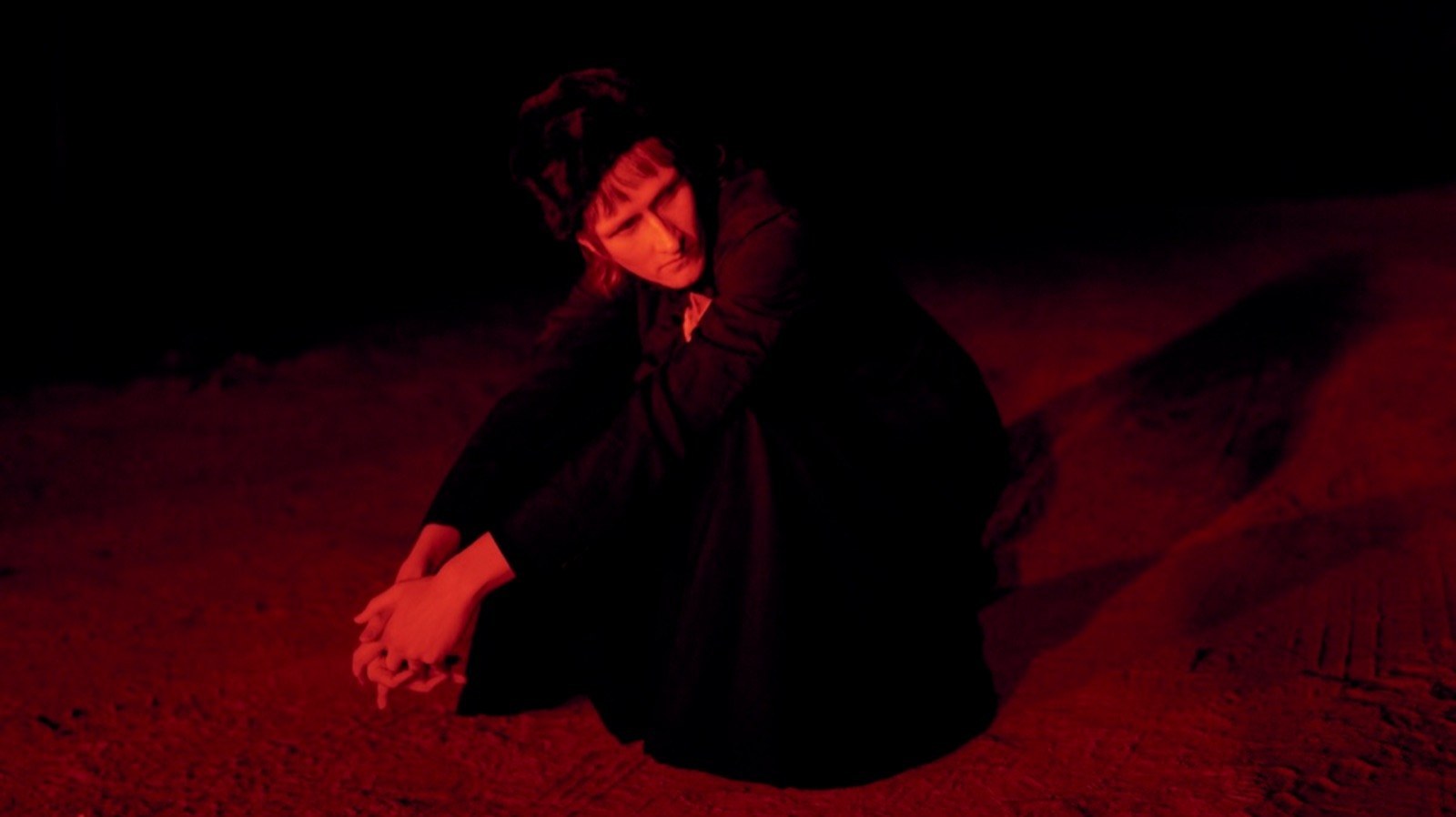

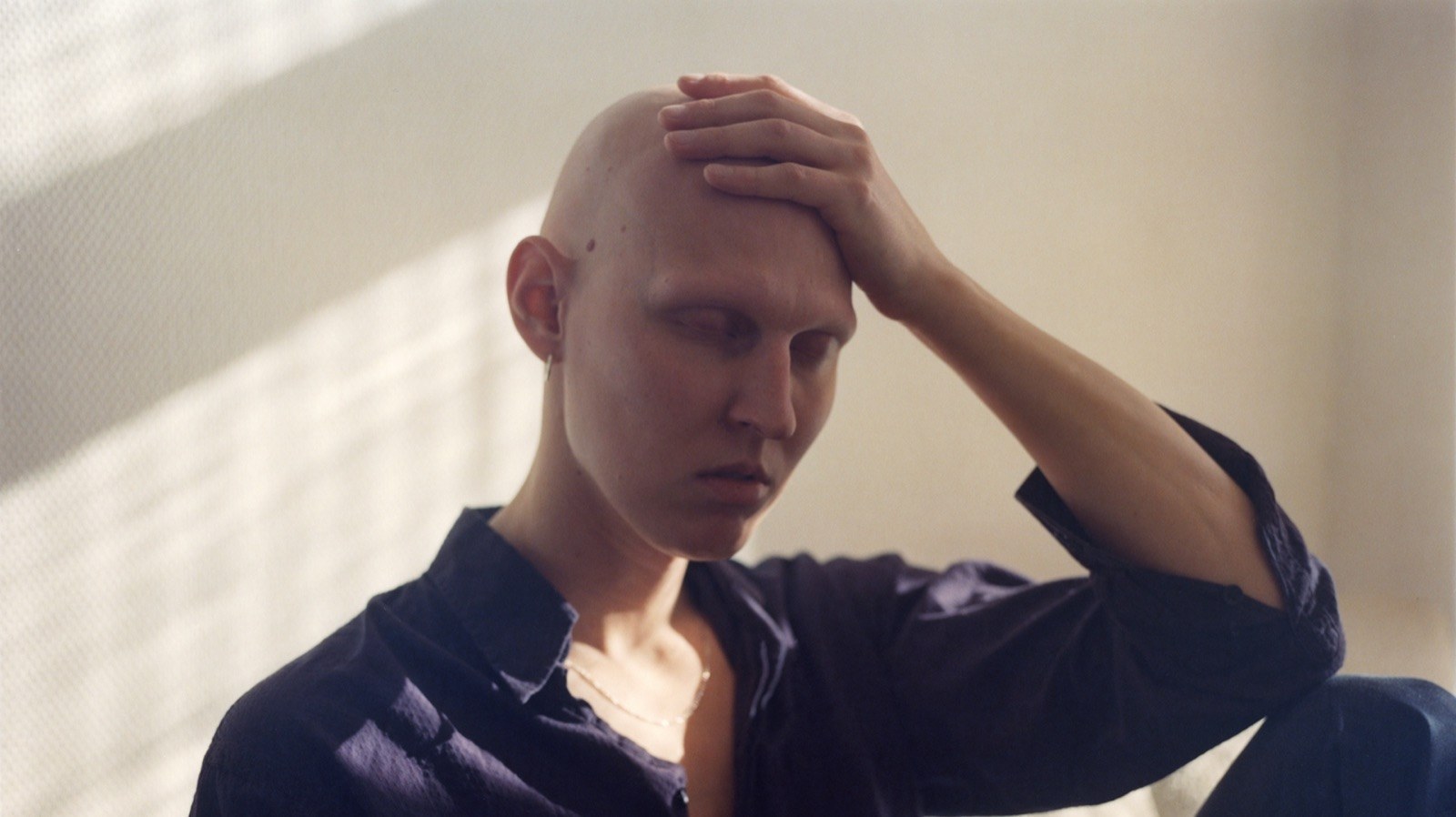
When Spike Fuck first came onto the scene, in the middle of the 2010s, the Australian artist generated acclaim for a druggy style that played with the loaded tropes of rock and roll—a style encapsulated on the artist’s 2017 release, Smackwave. Modeling stints for Rick Owens and a kind of cult fame followed, but Spike’s issues with drugs derailed their career momentum; the artist got clean from heroin in 2021, which was followed by a lengthy break from music and a serious dive into religion. Now it’s 2025, and Spike Fuck has a new band and new music on the way. We caught up with the legendary artist and talked about drugs, spirituality, and rock and roll music, three things that are often intertwined. Read the article and listen to Live from Underground—a new Spike Fuck release that is a Nina exclusive until the middle of October—below.
You took some major time off between releases. What have you been up to?
Spike Fuck: I guess I would describe the past few years as a period of drought. Spiritually, creatively, personally. In 2021, I was freshly clean off heroin and had lost loved ones in the recent past. Music, which had once been a source of joy and comfort, had become increasingly painful to engage with, then seemingly near impossible to access. Music was also bound up with drugs and chaos and negativity, which certainly made it easier to let go.
But I think I'd always chased transcendence, whether in music, drugs, relationships, fleeting experiences, etc., but now I wanted its ultimate expression. So, of course, as prosaic as it sounds, I ended up with the question of faith (although I didn't know at all what that meant).
So I spent time studying theology, did a few stints in a Benedictine monastery in Tasmania. Time in silence, prayer, chant, solitude. A lot of soul searching, some self-flagellation. I shed a lot of myself. Anything and everything that wasn't absolutely necessary. It was my undoing in a sense, my unmaking. And in that unmaking, the necessary elements eventually coalesced and reformed.
Then I was pulled back into music, as if by something outside myself. Which was perhaps most surprising to me.
What do drugs and religion share in common?
They’re both totalising pursuits. You build your whole life around them. They demand everything: attention, surrender, devotion. In heroin, you chase a fleeting transcendence at any cost, a momentary dissolution of the self, a quieting of the mind and an escape from physical and emotional pain. In religion, you seek a more enduring, ordered transcendence. It’s less reliable and immediate, but rather a deep, abiding peace that grounds your daily existence. Heroin and the lifestyle that accompanies it quickly becomes boring, whereas a relationship with God makes life more vivid, more like an adventure.
How would you describe your relationship with Catholicism?
It’s like a long-term relationship, I suppose. Because it is. And I’m imperfect and get pushed and pulled in different directions by different forces at different times. There are times of passion, resentment, estrangement, excitement, re-commitment, and misunderstanding. It’s complex. I love its claims on transcendence, its ritual, silence, and beauty. I also love its expansiveness and universality. It seems to be able to account for the beauty of life and human beings, but also the terribleness and ugliness of it all. And it is able to make sense of the two. It is able to hold the messiness and contradictions of life in tension and assert the fullness and goodness of life and the human experience. The art and the music, of course. It’s so beautiful and has at times moved me to tears. I’d describe my relationship with it as one of tension and loyalty: I walk with it, push against it, walk away, and return. It shapes me, and I try to shape myself in it.
There’s this quote from one of my favourite novels, La Bas. It’s by this 19th-century French author, J.K. Huysmans, and is about the Parisian Satanic scene of the 1890s. It sums up my feelings towards Catholicism:
“I am haunted by Catholicism, intoxicated with its atmosphere of incense and wax. I roam around it, touched to tears by its prayers, impressed to the very marrows by its psalmody and its chants. I am very weary of my life, very tired of myself, but it is another thing to lead another existence. And then — if I am disturbed in the churches, I become unmoved and dry as soon as I come out. At the bottom I have a heart hardened and burned by sensual indulgence. I am good for nothing.”
How has your relationship with the Catholic faith changed and mutated as you’ve aged?
I've always had something of a fascination with it. And for a long time, it was only on an aesthetic level. But when I first really engaged with it on a personal level in terms of faith and practice, the whole experience had this great sense of urgency and an almost romantic intensity to it. Doctrine and dogma felt like an escape and protection from the chaos and confusion.
Initially, though, I was trying to be someone I wasn’t. Some pure and holy person, I thought God would want me to be. And I was trying to do this all by myself before I even arrived at the altar. Which obviously defeats the point of a relationship with a personal God. God can’t transform a version of you that isn’t truly you. One that’s performing some cultural idea of what a religious person should be like. You have to bring your whole, messy, imperfect self to the process to be truly transformed.
I think faith is something one must grapple with. It’s hard won and doesn’t look the same for everyone. The armour it once afforded me has now softened and become more malleable. It accompanies me in my frailty and uncertainty as I walk through the world, among people. Rather than something that protects me from the world and gives me a false sense of security. There’s more humility in my faith now. More patience, more willingness to dwell in the unknown and the “unknowing.”
Going back: How did the band start? What kind of stuff was influencing you at the beginning of the band?
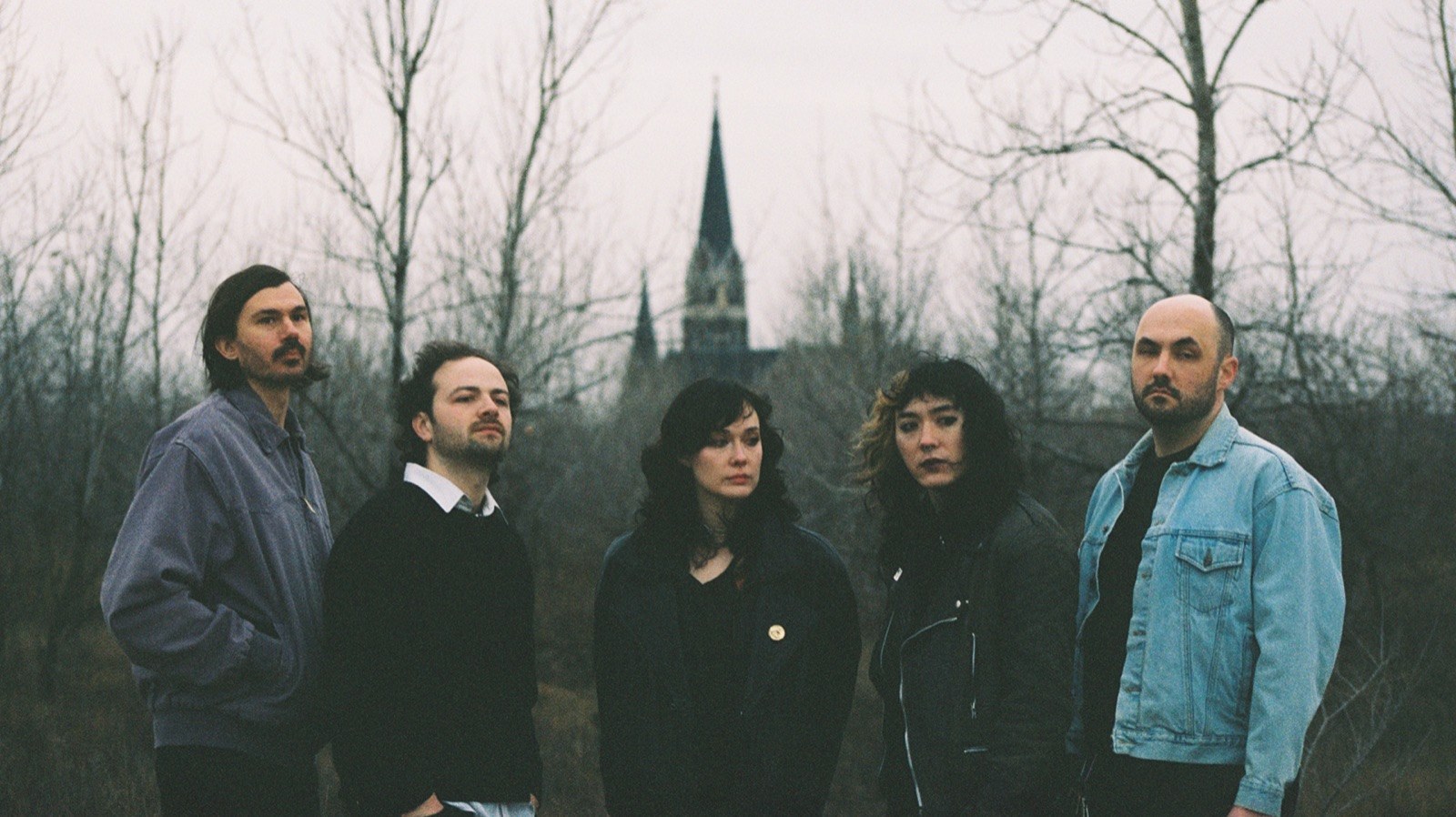
Simply put, after my first attempt at creativity in years, during which time I wrote the songs for this upcoming record, I needed people to play them with me. But that’s less important and less interesting than the feeling that’s at the heart of the songs. Which is the same as what I’ve always felt music is for: to create and communicate something that others will connect with, and to share in that. I also wanted to feel anything other than numbness and the palpable feeling of isolation and loneliness. I needed a container for suffering, and a way to make sense of it and process everything in the real world, again, among people. The band grew out of that need. And it came together very quickly as if ordained.
Early influences for the band weren’t principally musical, as I hadn’t really engaged with pop music for years. It was liturgy, Gregorian chant, the Psalms, etc. Everybody in the band also brings their own style, experience and personality to the sound, which creates this amazing harmony but also a certain tension that adds to the character of the songs.
But musically, yes, rock and roll and country, I’ve always had a great fondness for, but emotionally and in terms of references, I was borrowing more from religion at that time.
Do you have a go-to record you like to put on when you are trying to feel inspired?
I guess at times I feel inspired more by what I don't like than what I actually do. Sometimes I listen to something or see a band that I feel lacks some kind of fortitude or conviction, and it drives me to be even more honest and confrontational in my own work.
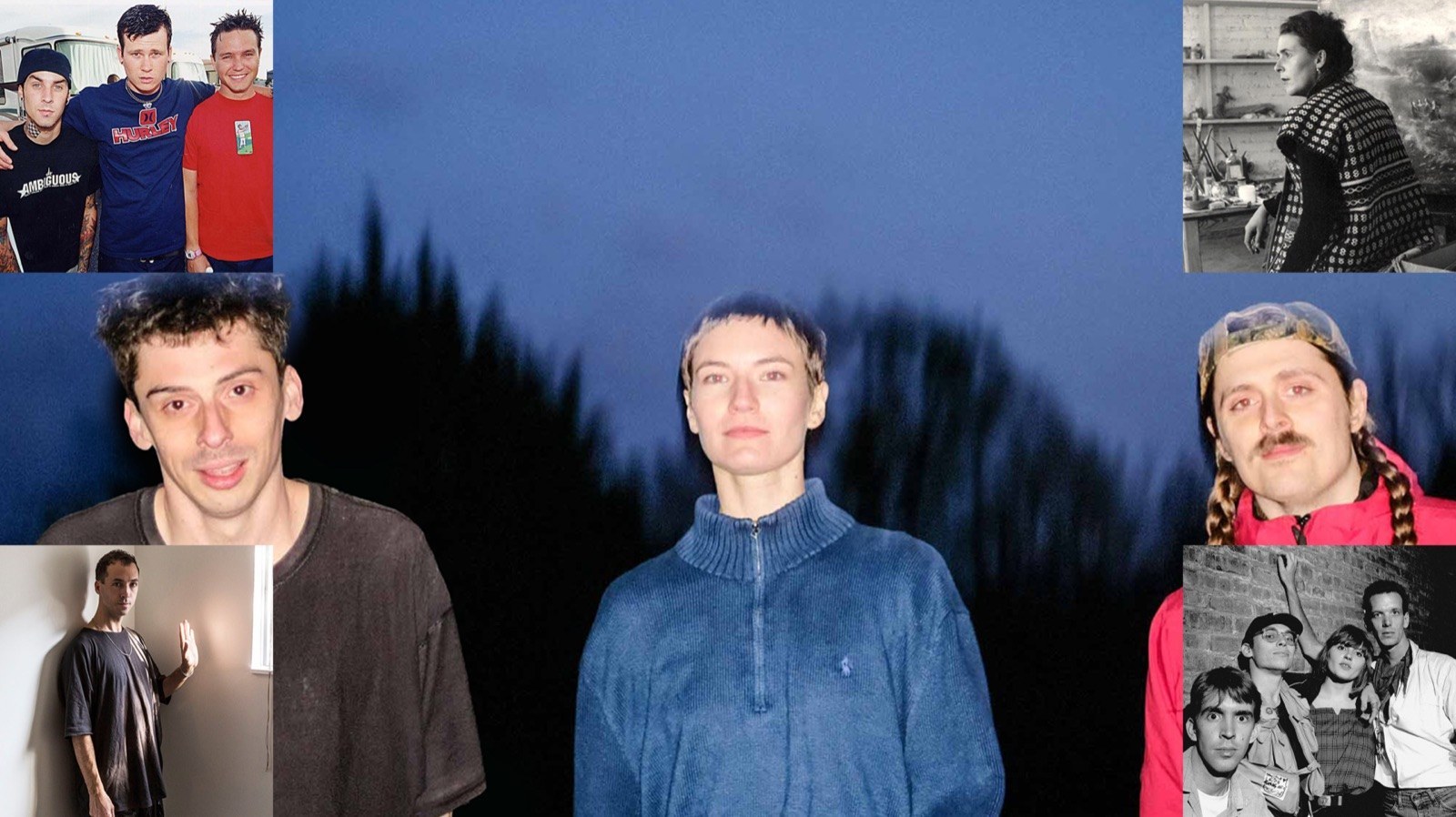
There’s this recording by a choir of Russian Orthodox monks at St Tikhon’s Monastery. It’s from the 70s or 80s, I think. It’s a selection of Matins and Vespers. Listening to that always moves me very deeply and puts me in the receptive state you need to be in to make honest music. Another all-time favorite is Catholic Boy by Jim Carroll, who’s known more for his poetry than music. That record was a huge inspiration to me when I wrote my first release, Smackwave. And Oar by Skip Spence. It’s a very strange, harrowing record I always find myself returning to. And of course, of course, Velvet Underground, Modern Lovers and the New York Dolls.
What makes a great rock and roll song?
Good rock and roll should be pure, I think. It comes from a place of simplicity and total conviction and belief in oneself and what you’re doing. As if the song had to exist. It couldn't not. And as if it had to be said in that very specific way, at that specific time, and by you, specifically. It’s urgent and aggressive in the way it’s written and performed.
When I see a great rock and roll band, I think its power comes from how much I believe what they’re trying to communicate ... or how much they believe it themselves. And I think the same goes for any art form. Whether or not there’s real heart in it. In their action and lyrics and tone and everything. Good rock and roll can communicate one’s pain and transmute it through movement and melody, and rhythm. At its best, it allows for transcendence of pain and suffering through music, if only for a moment.
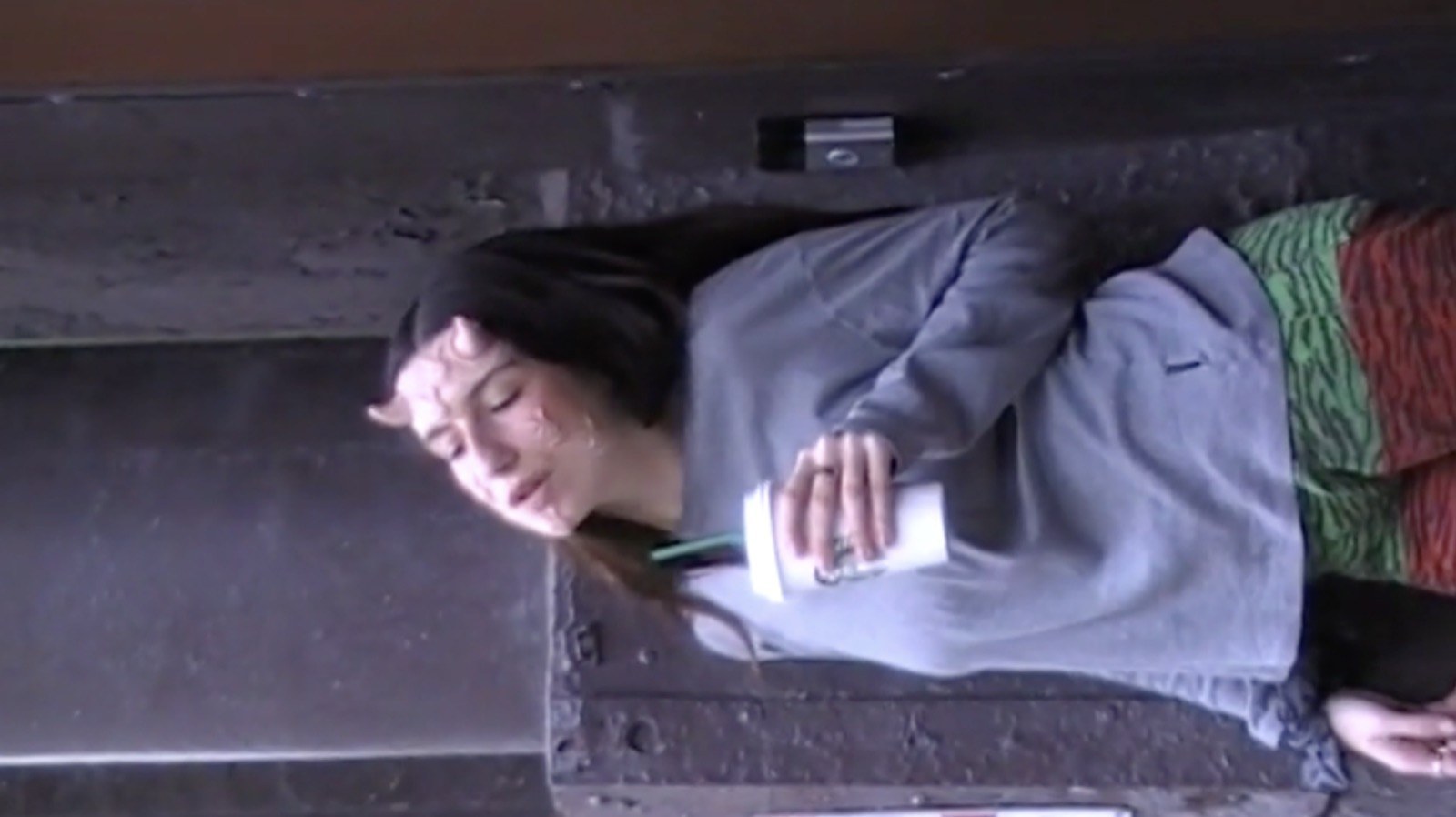
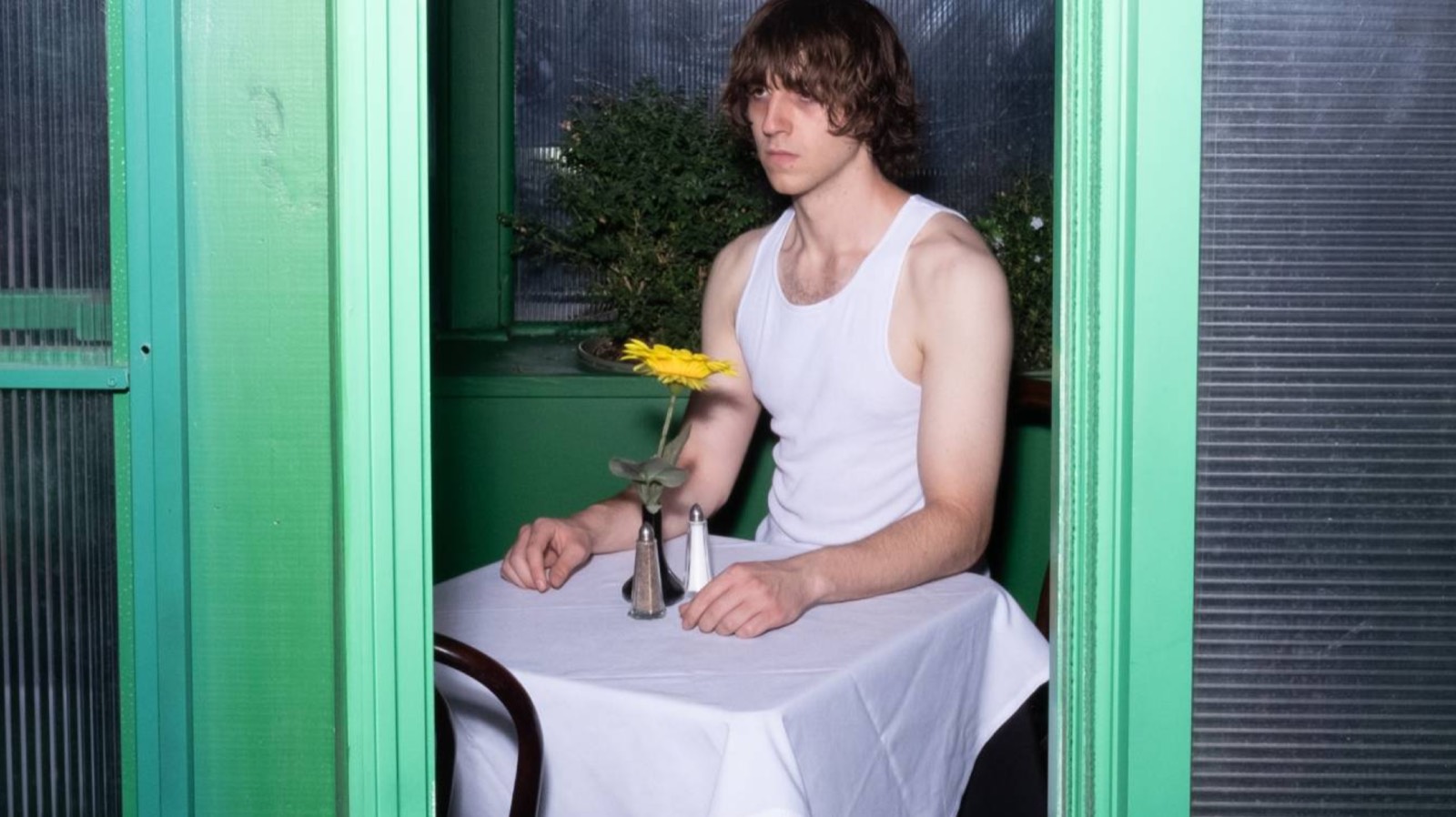
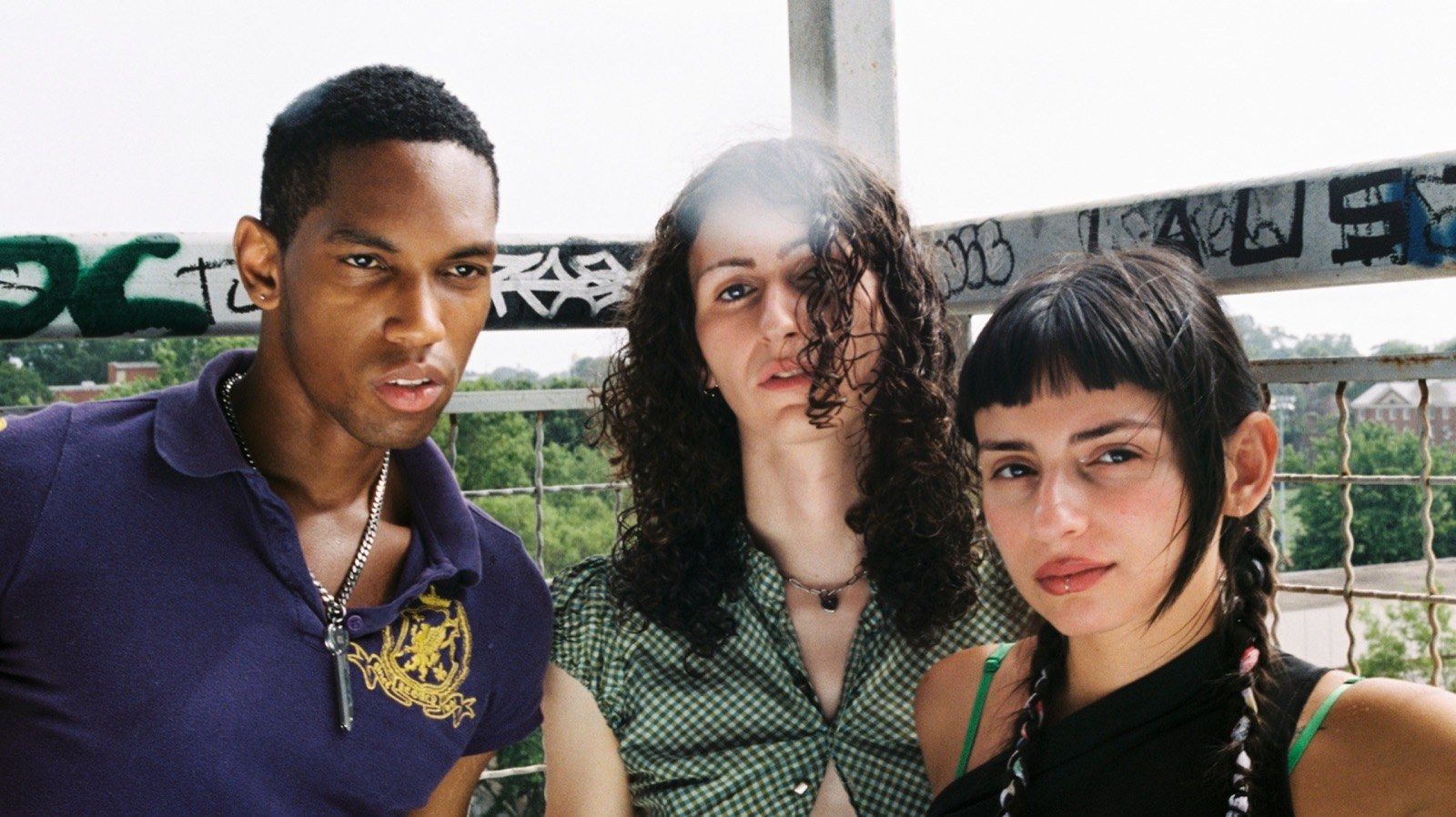
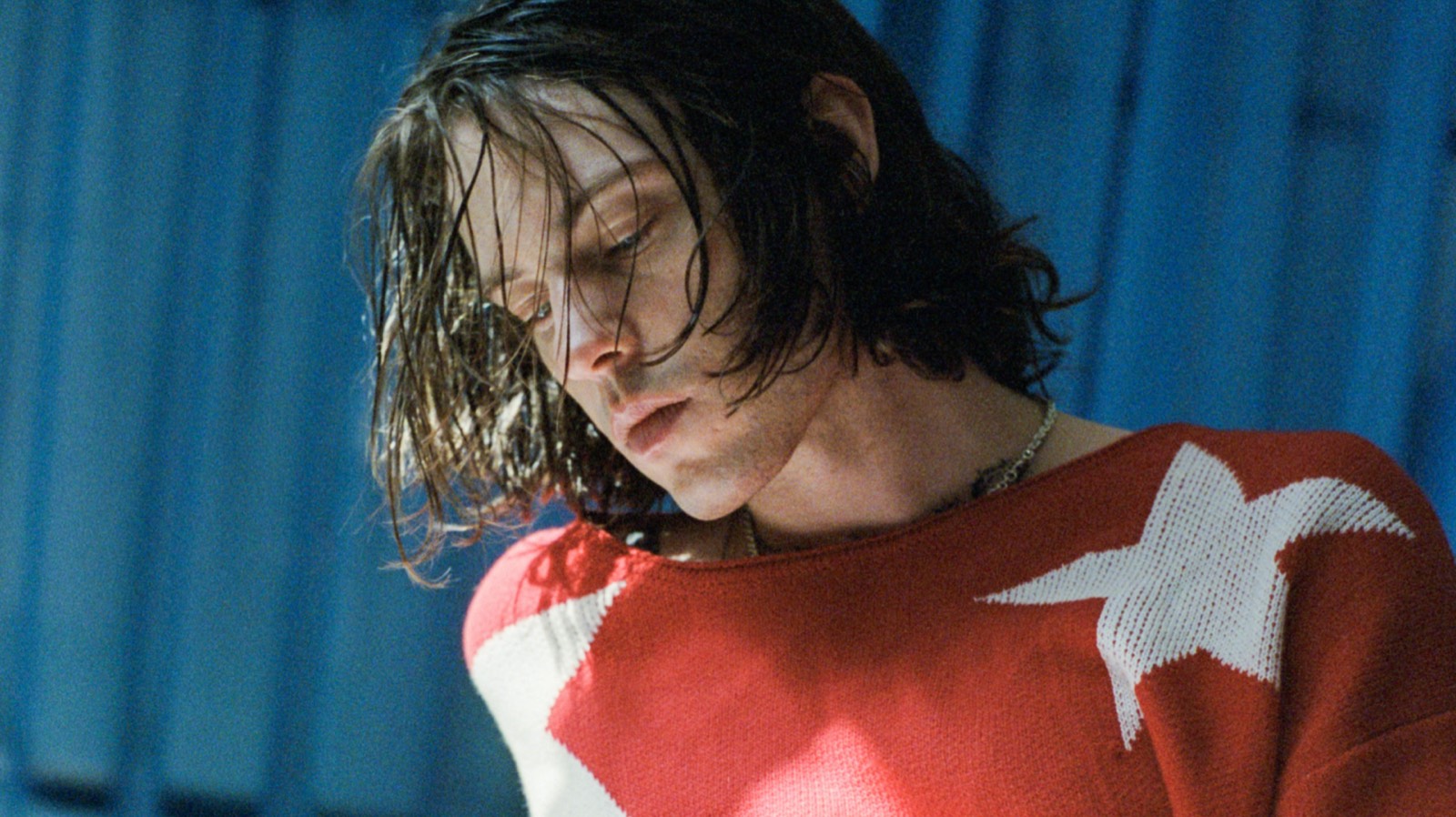
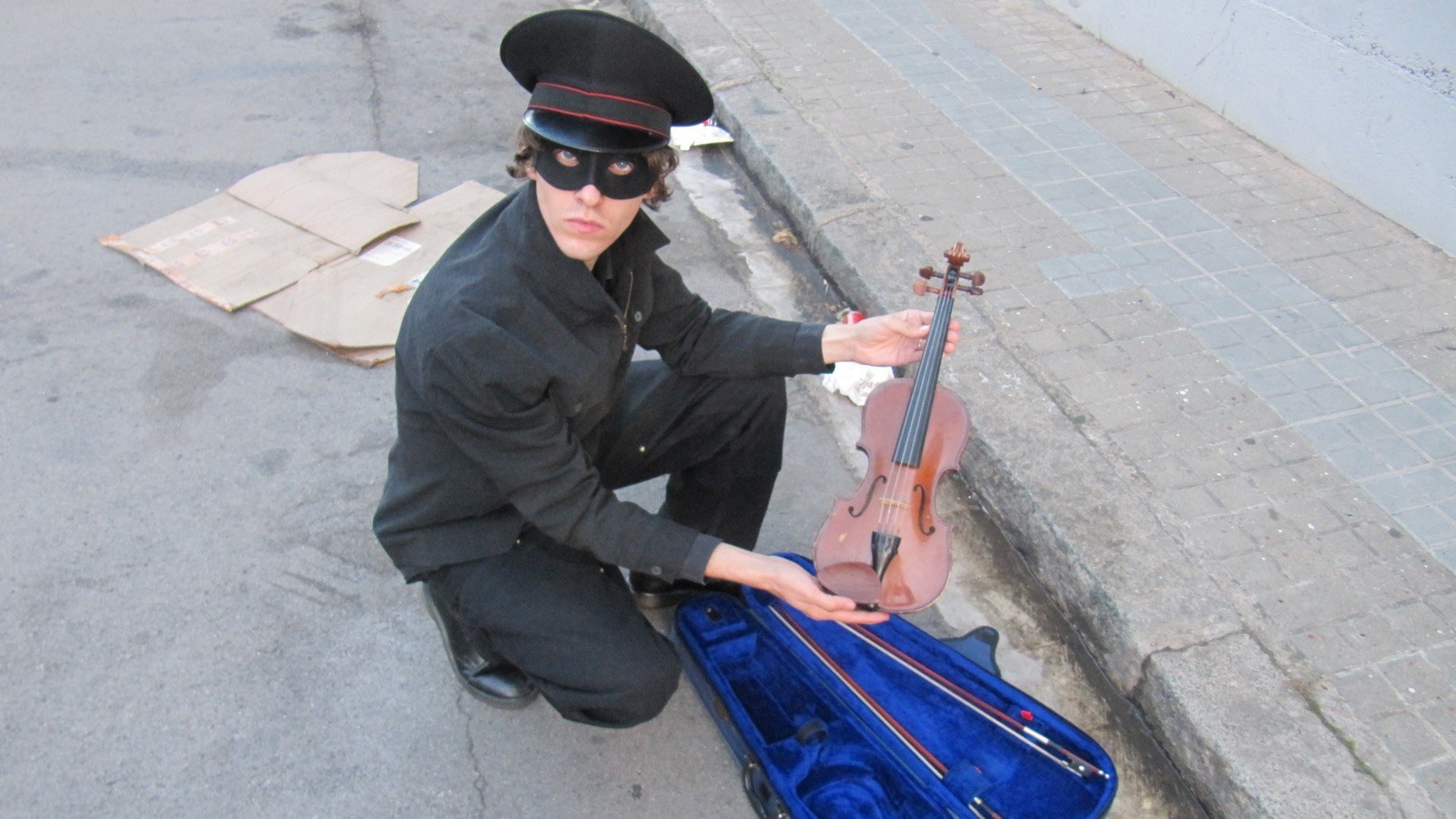
Photo Credit: Dylan Marriott

.png)