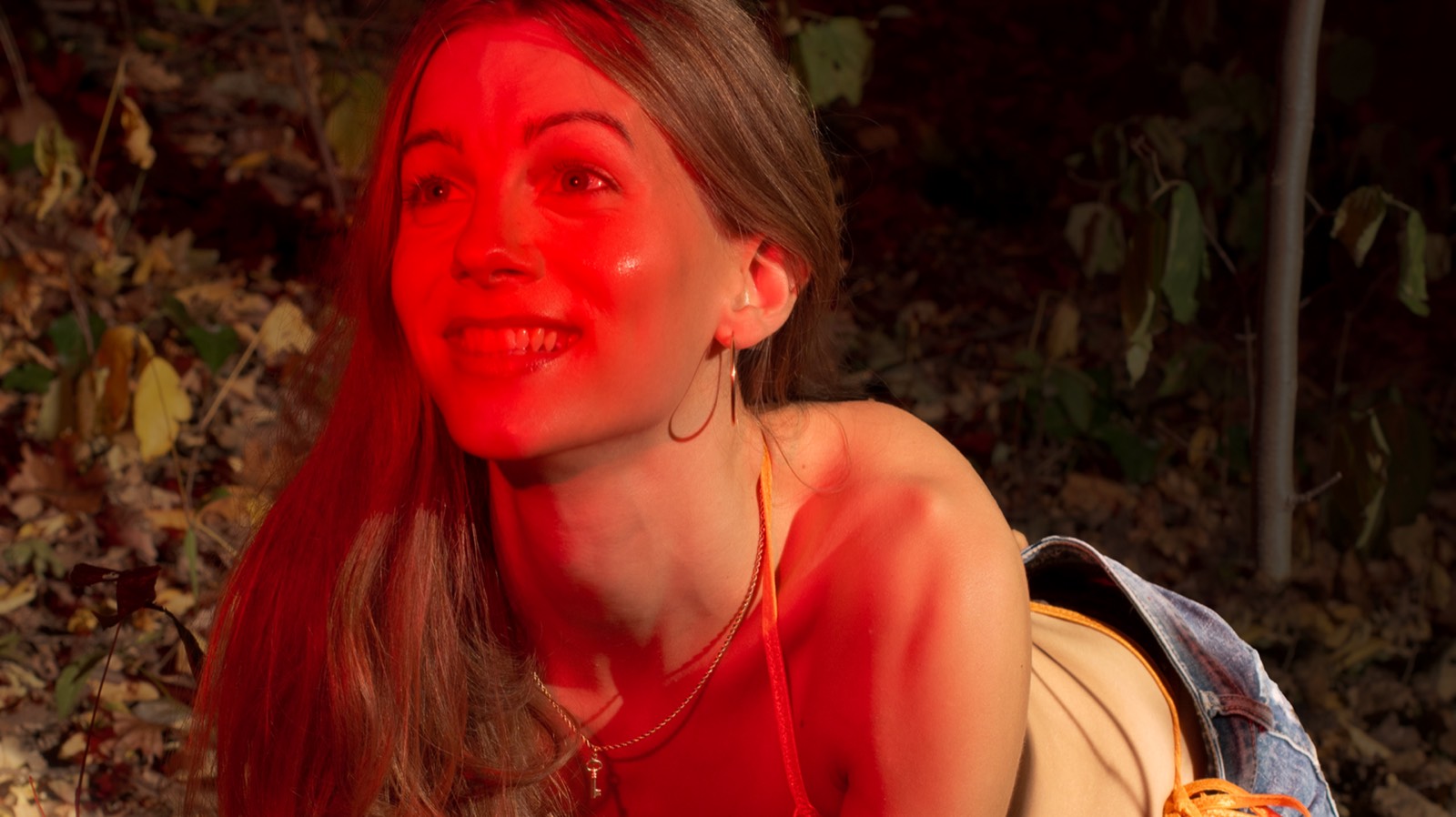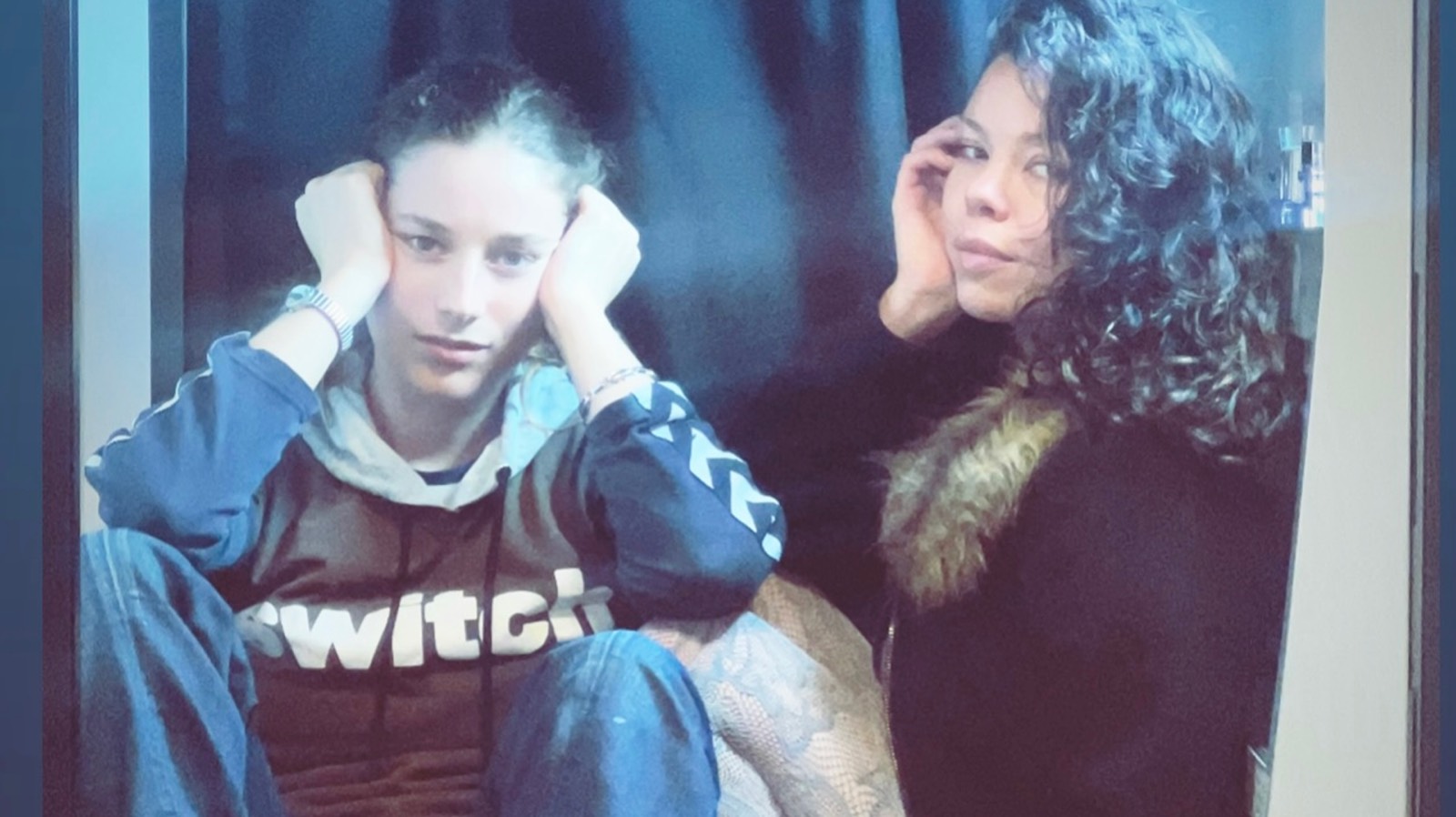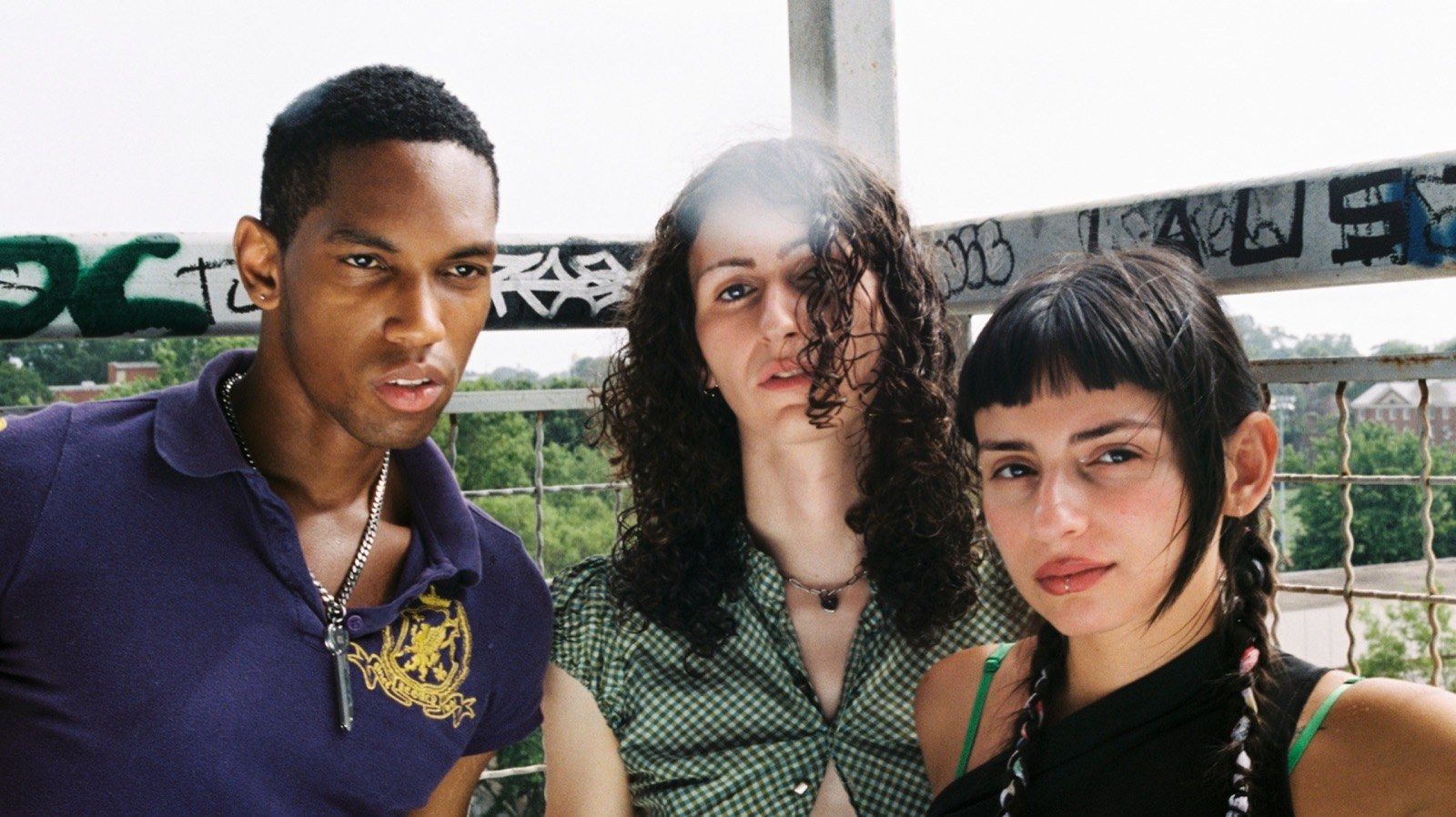

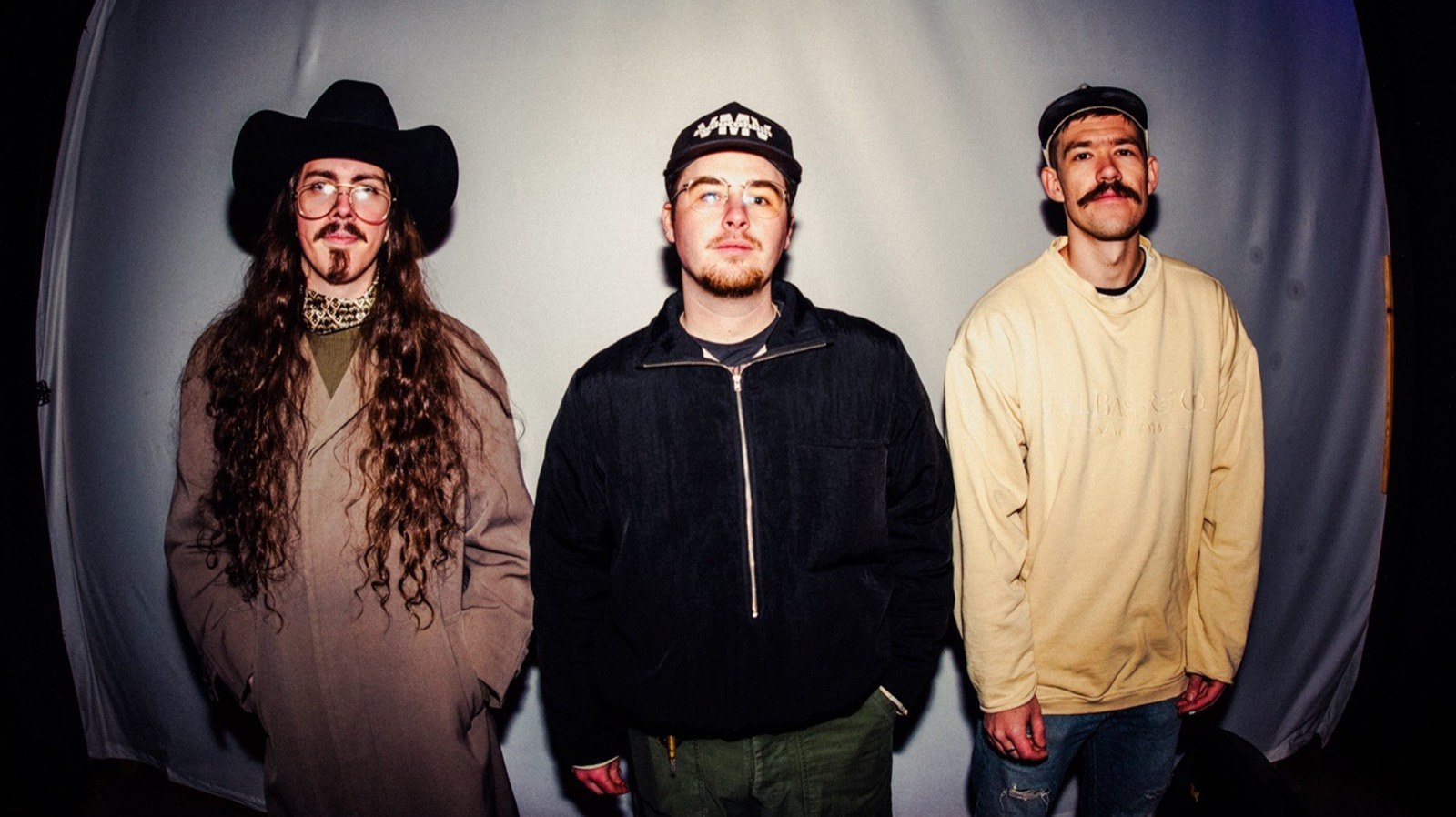
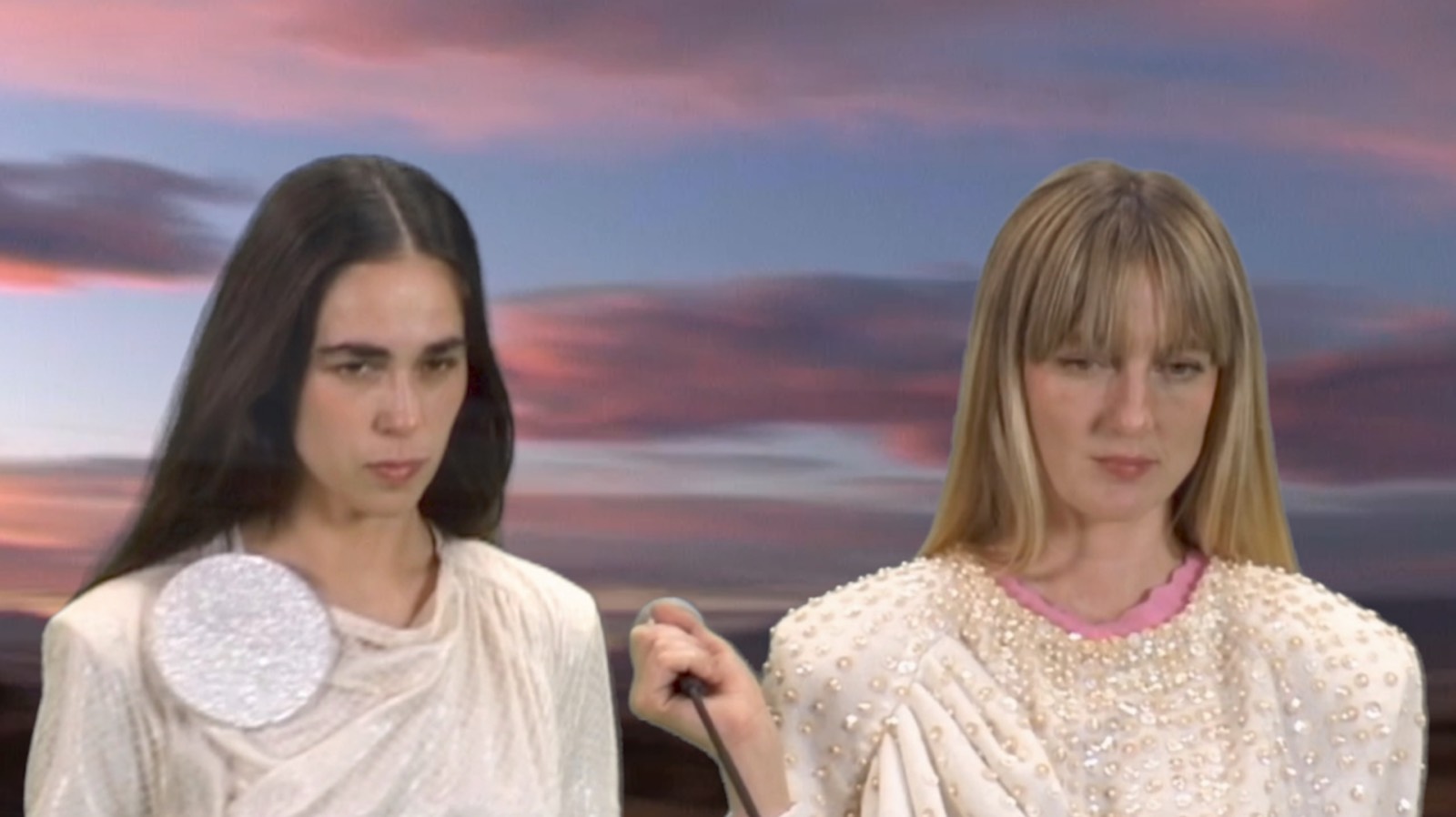
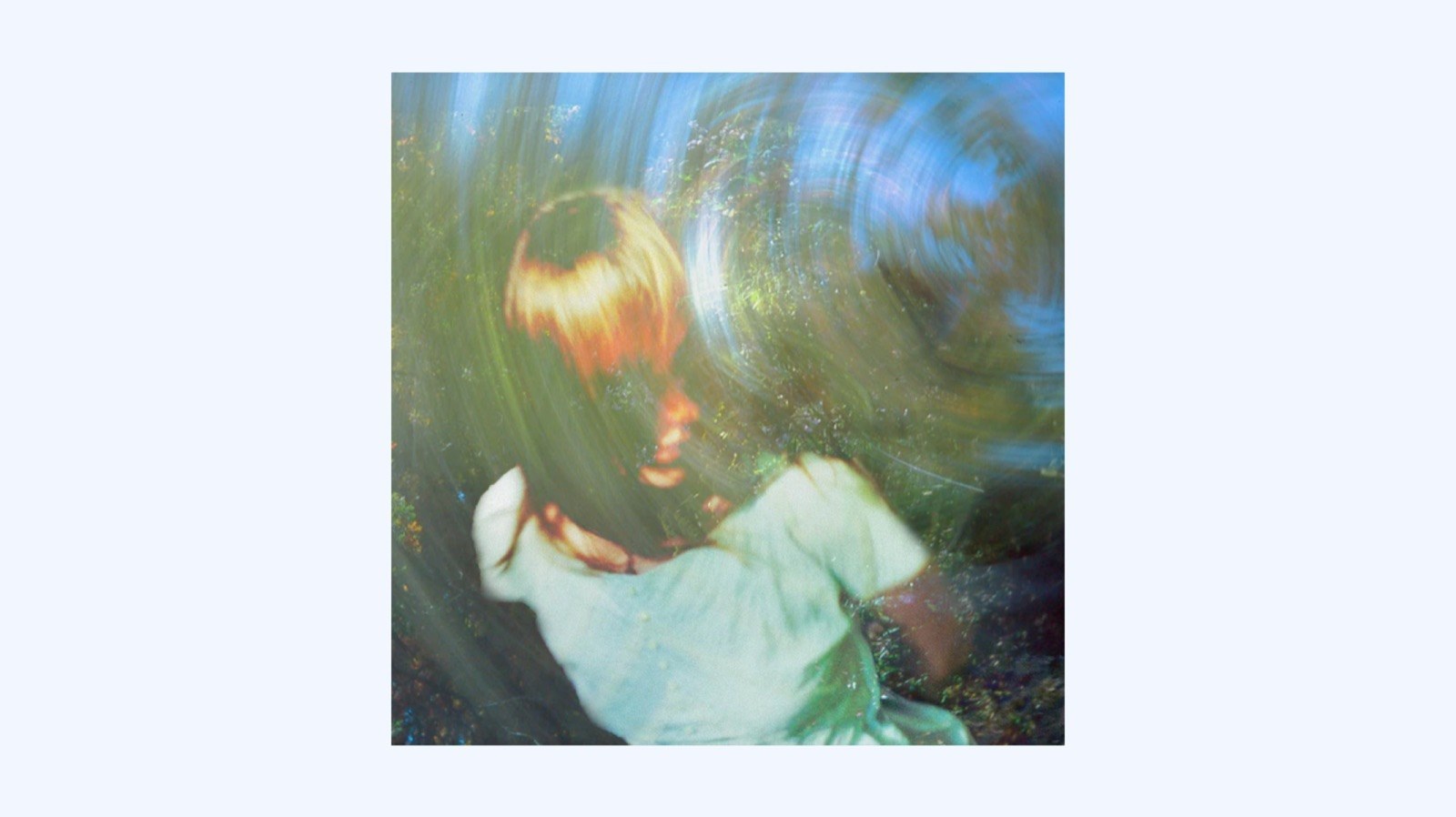
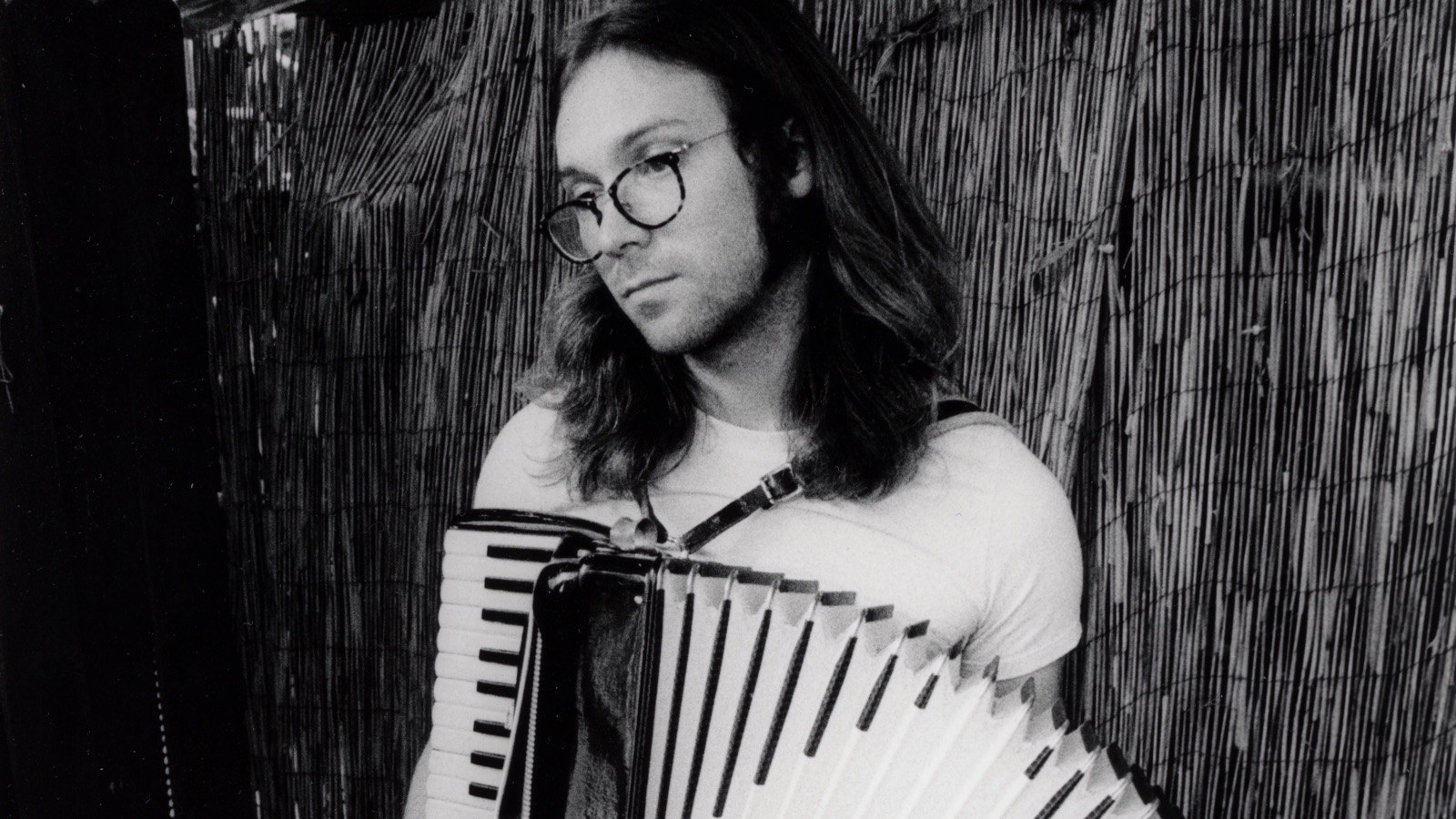
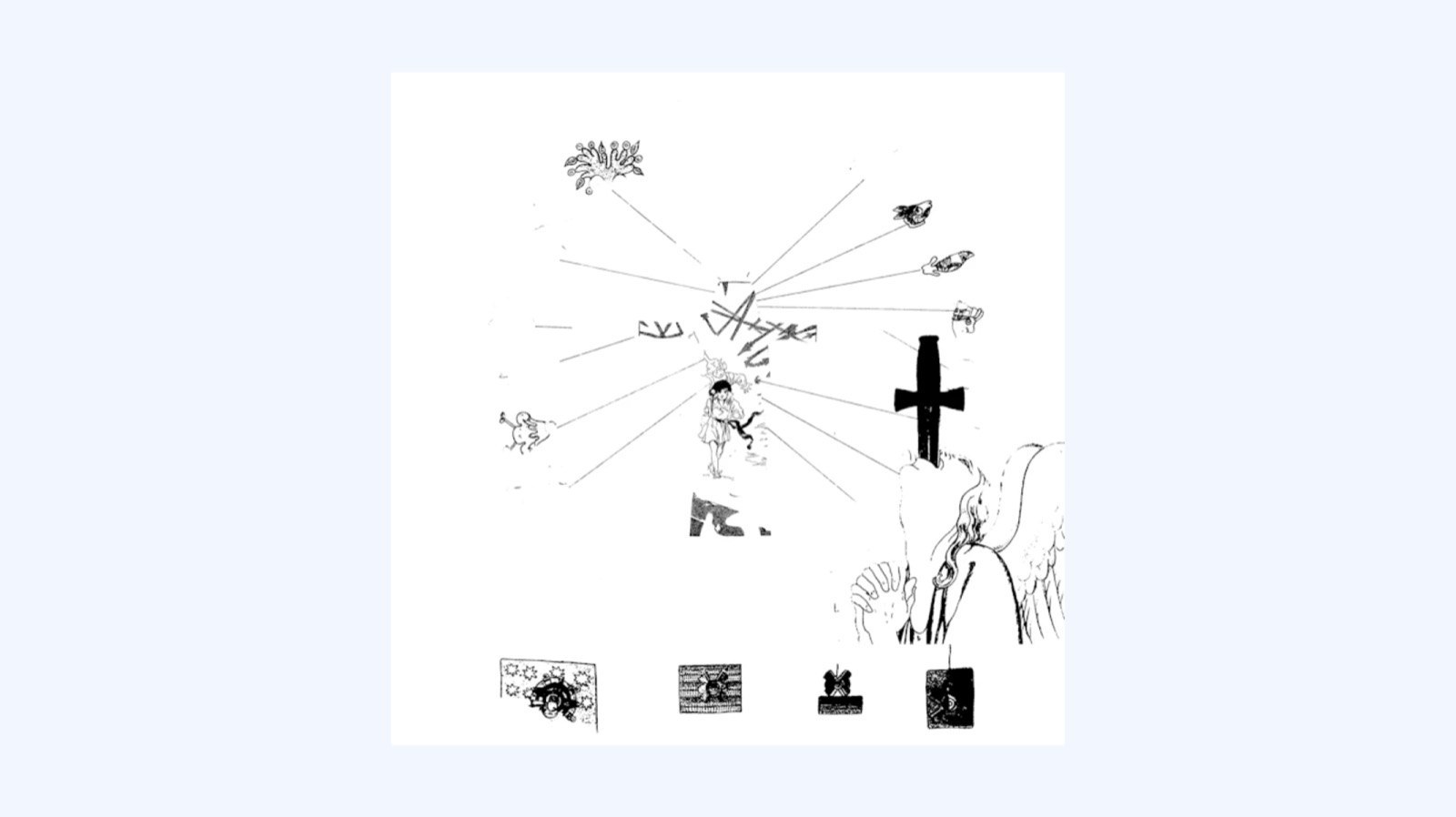
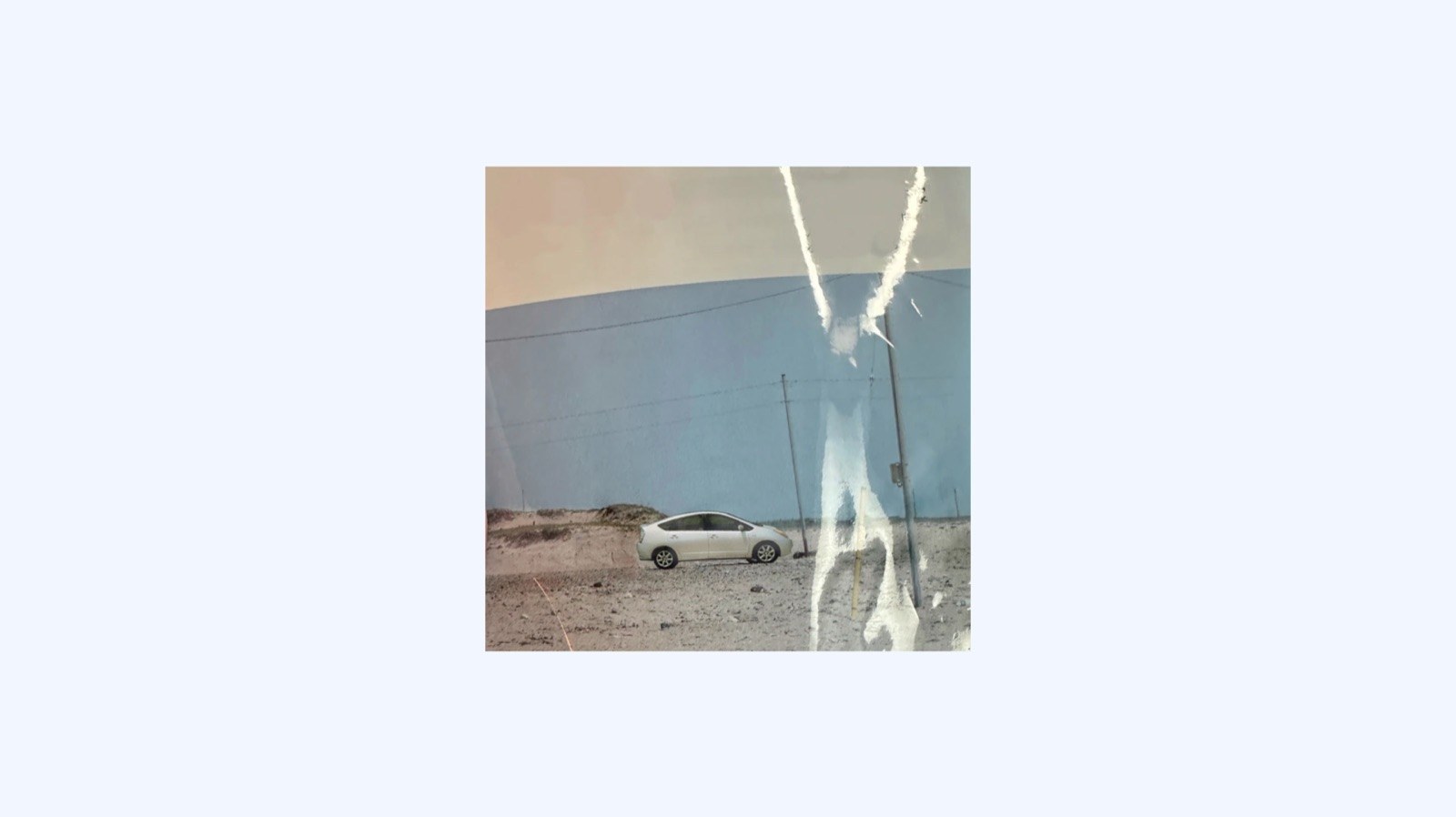
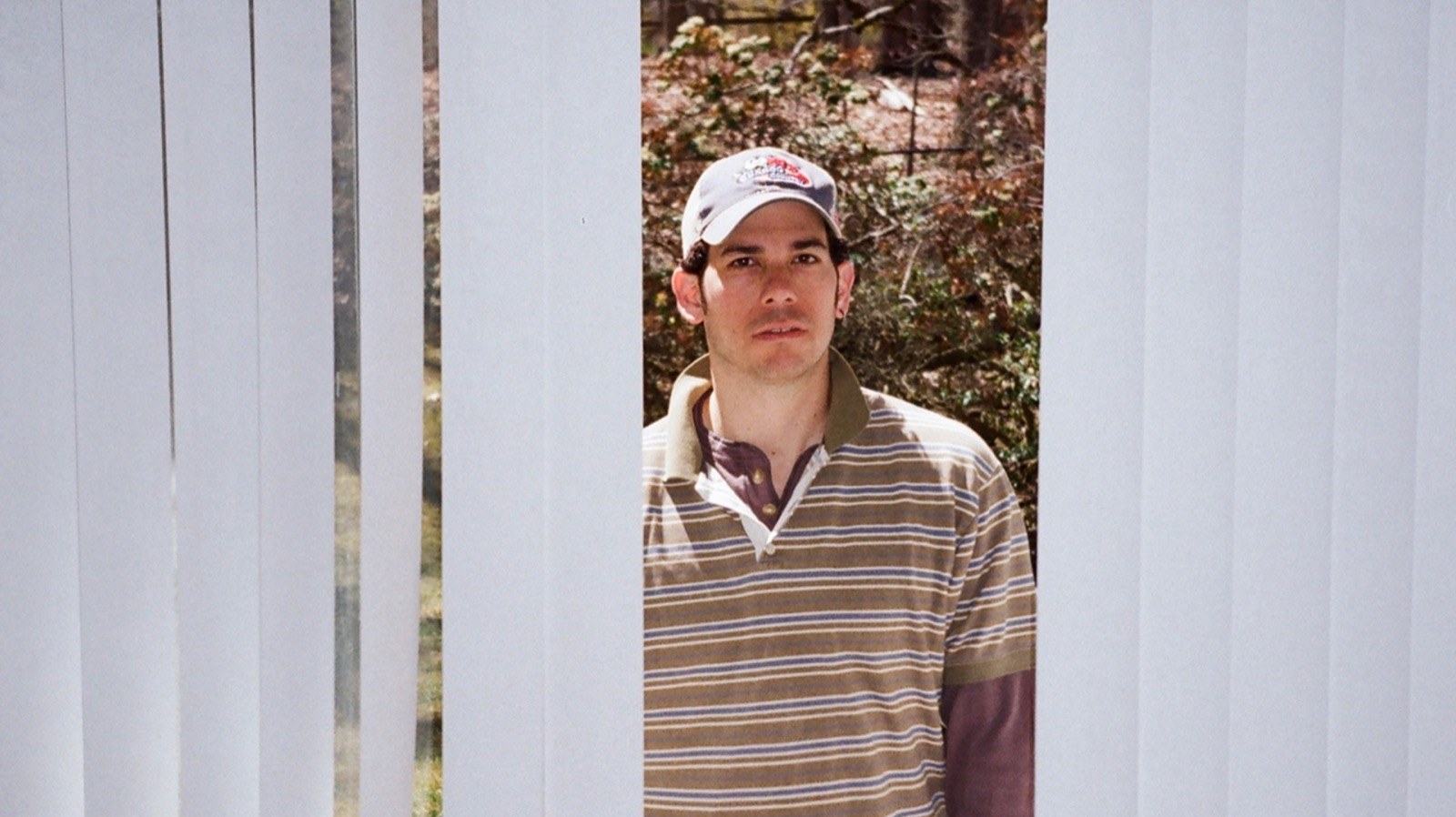
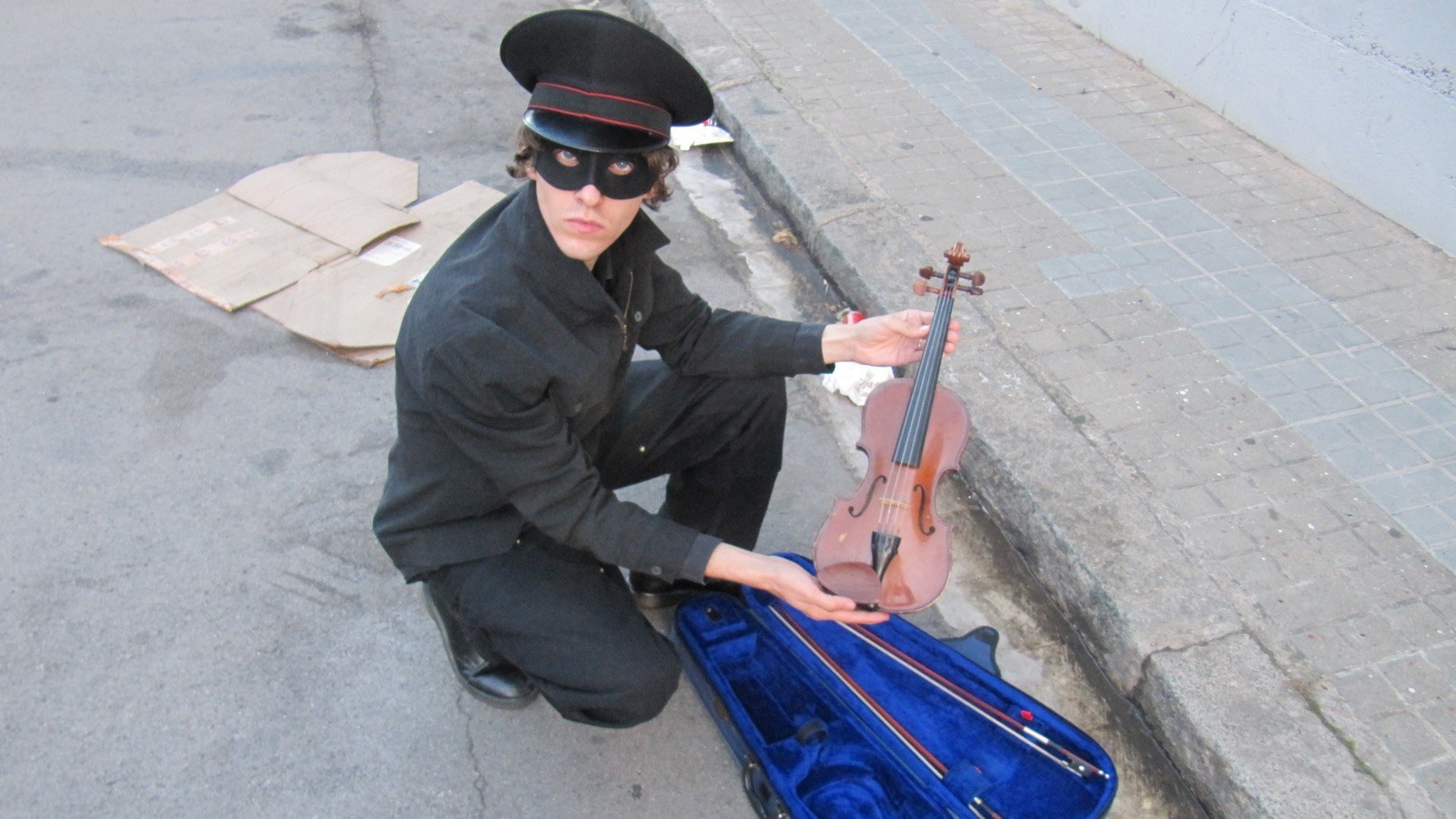
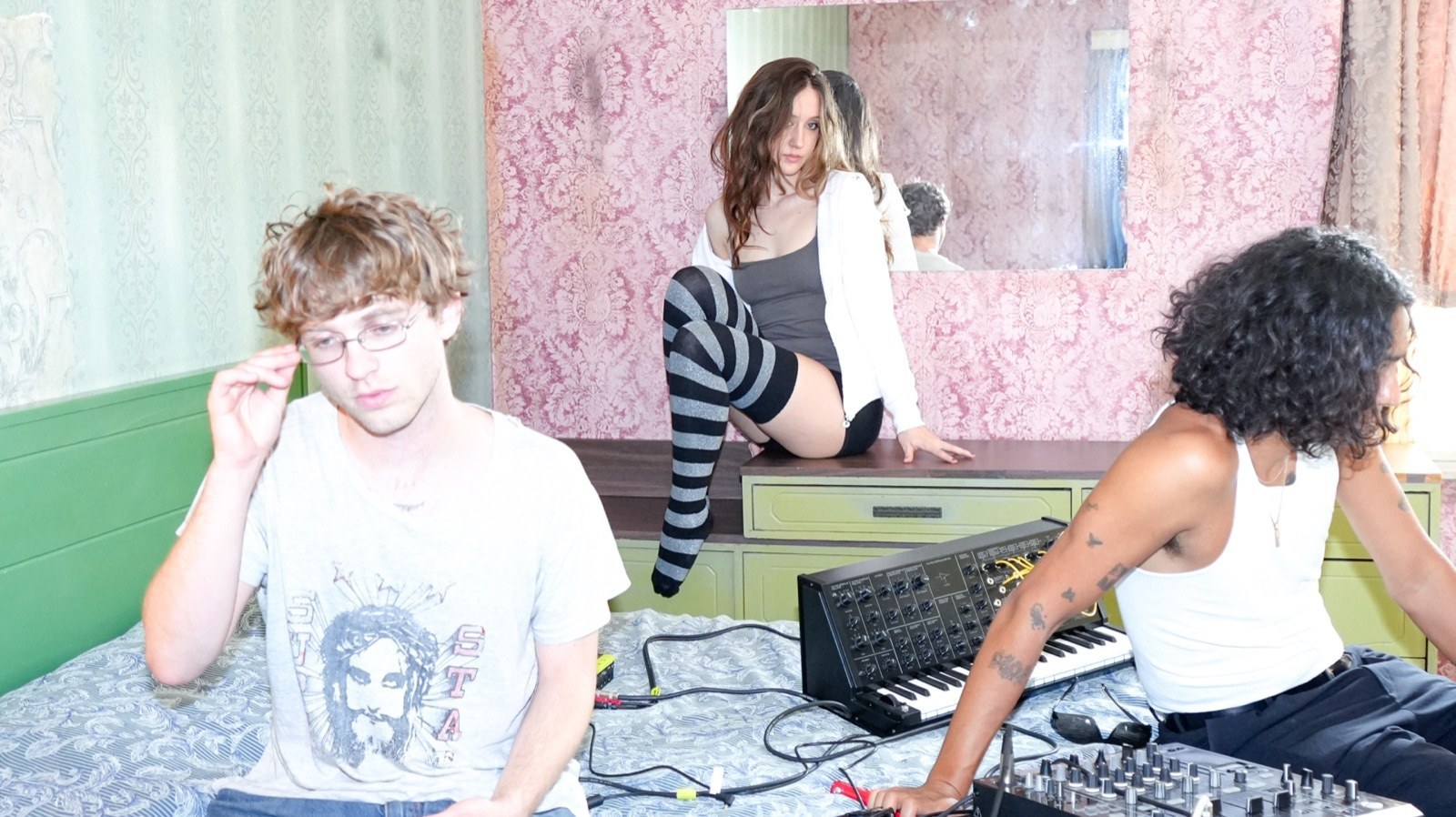
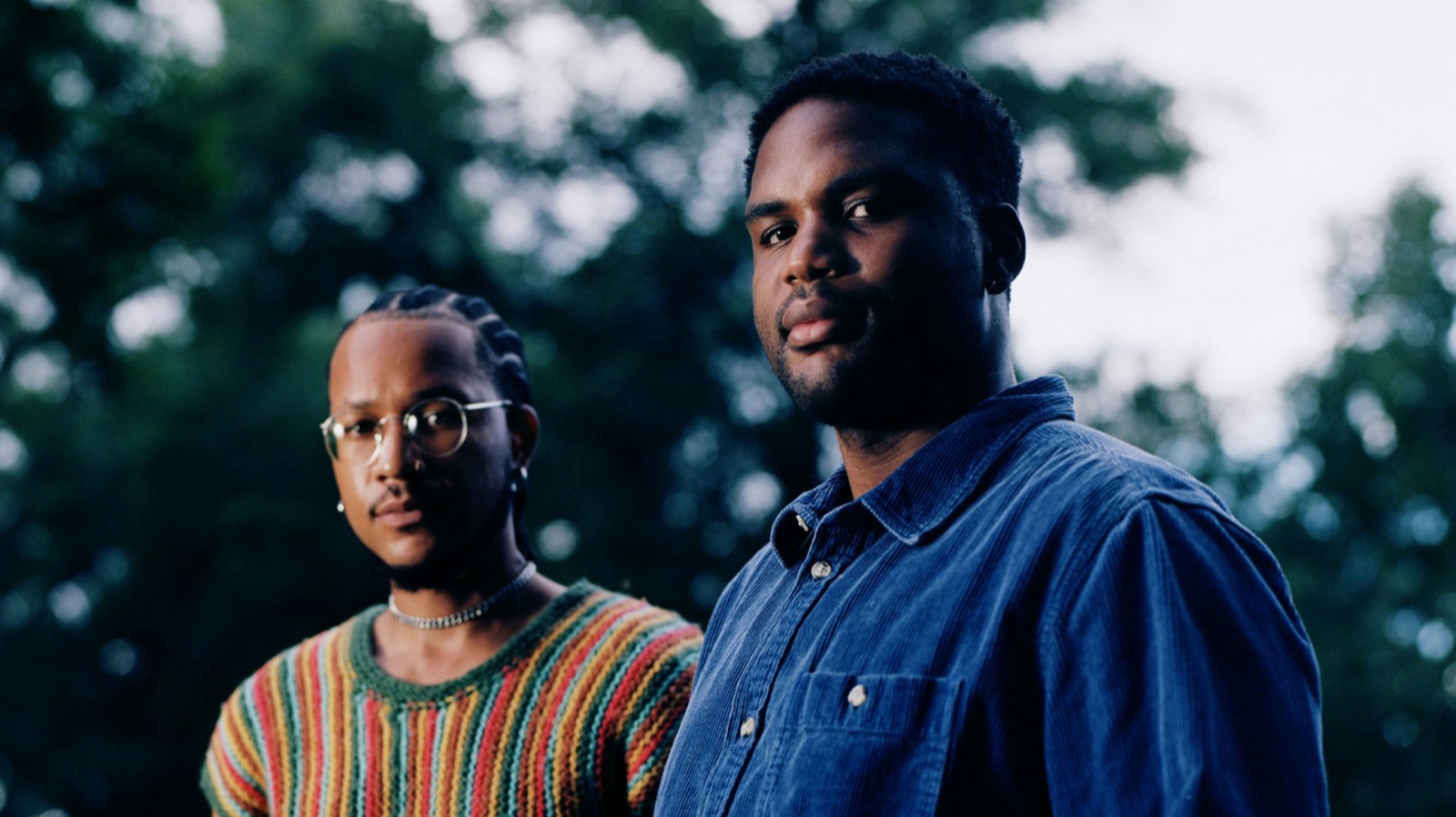
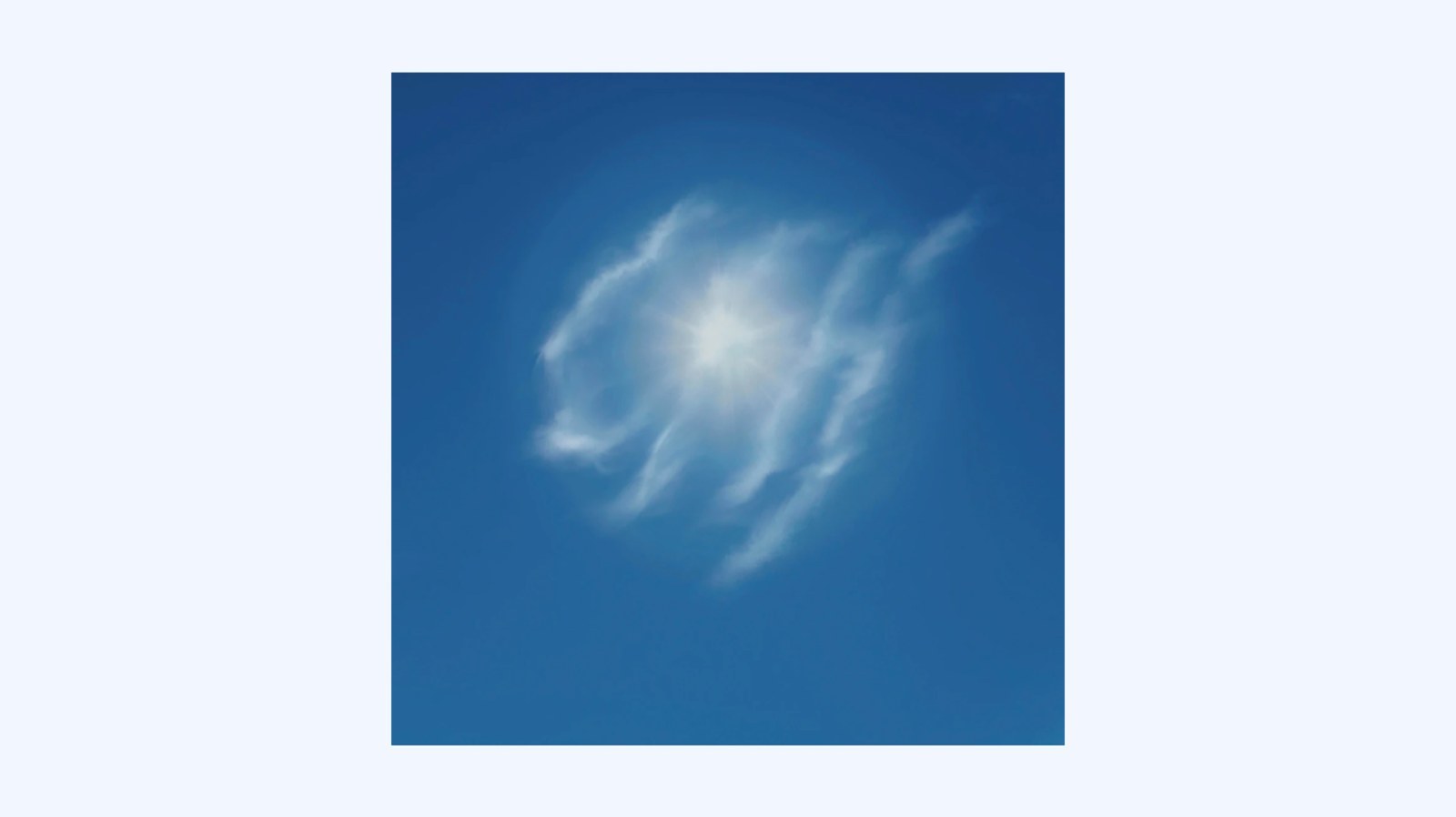
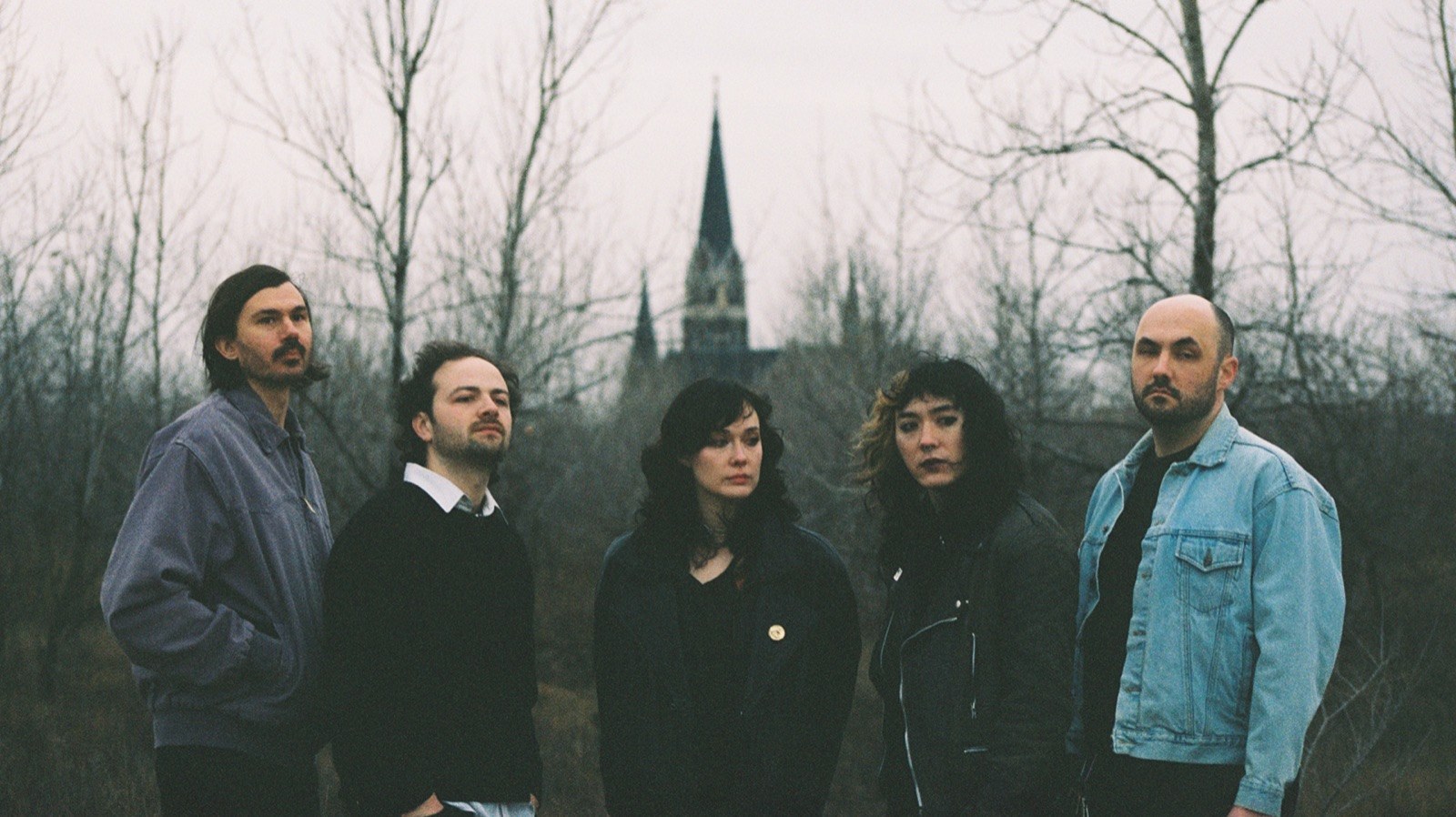
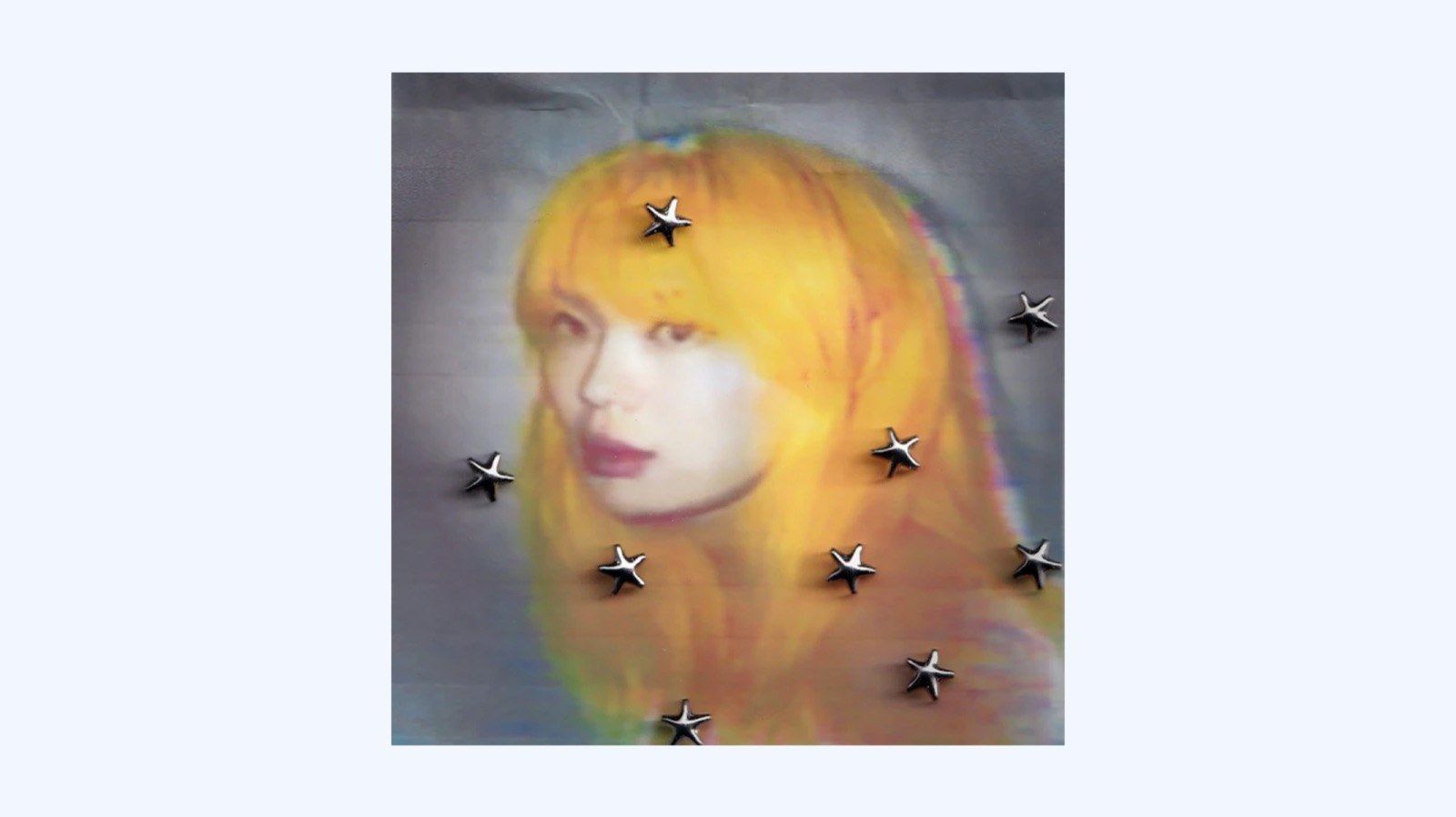
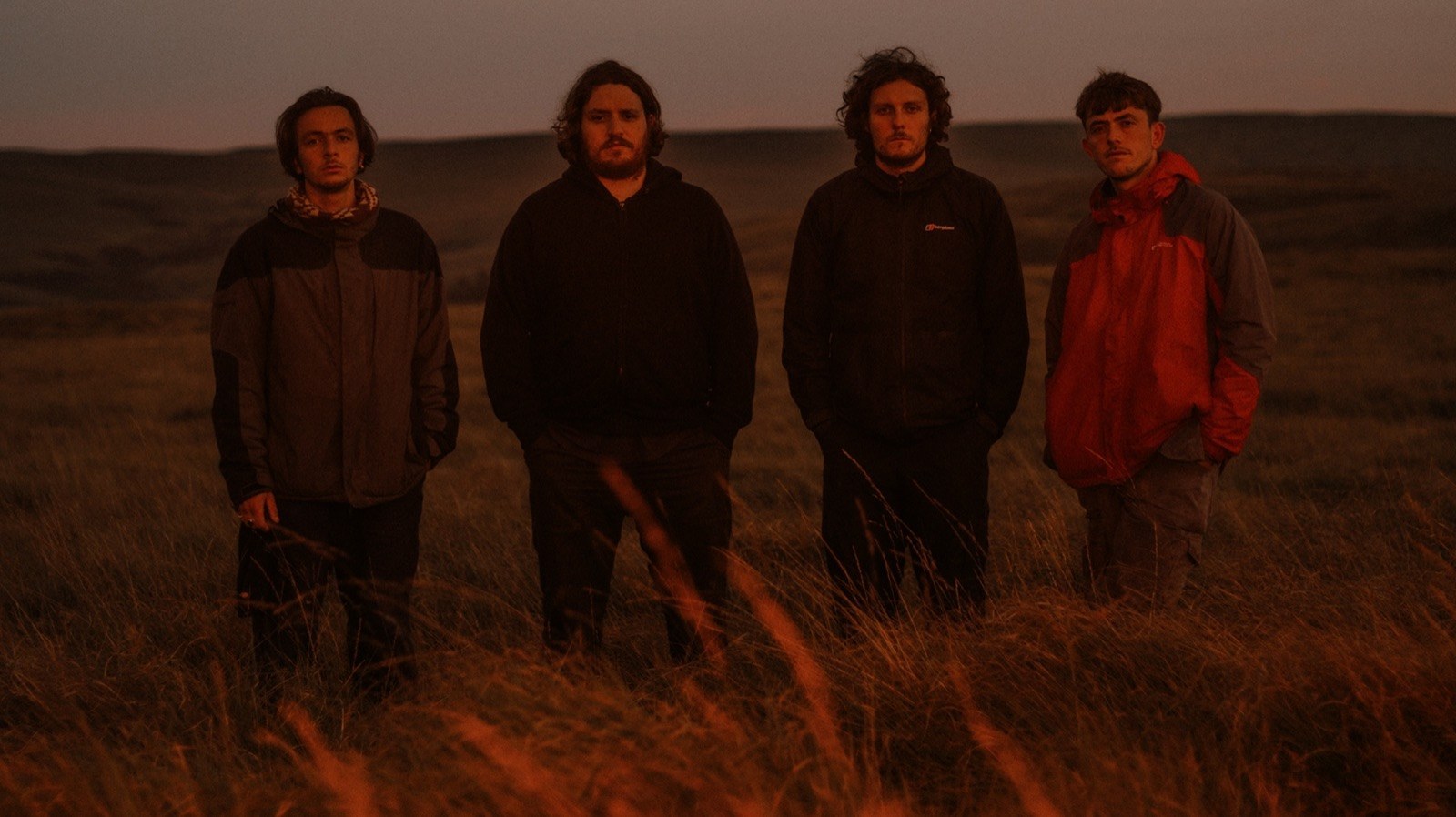
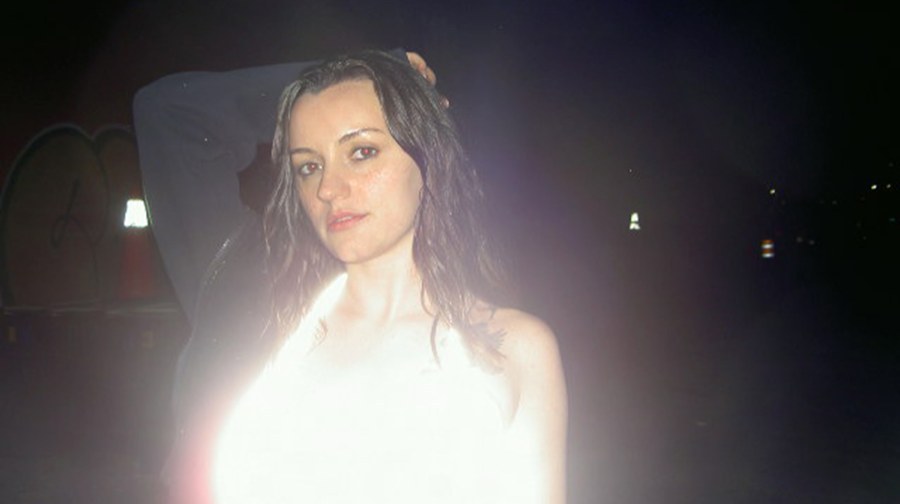
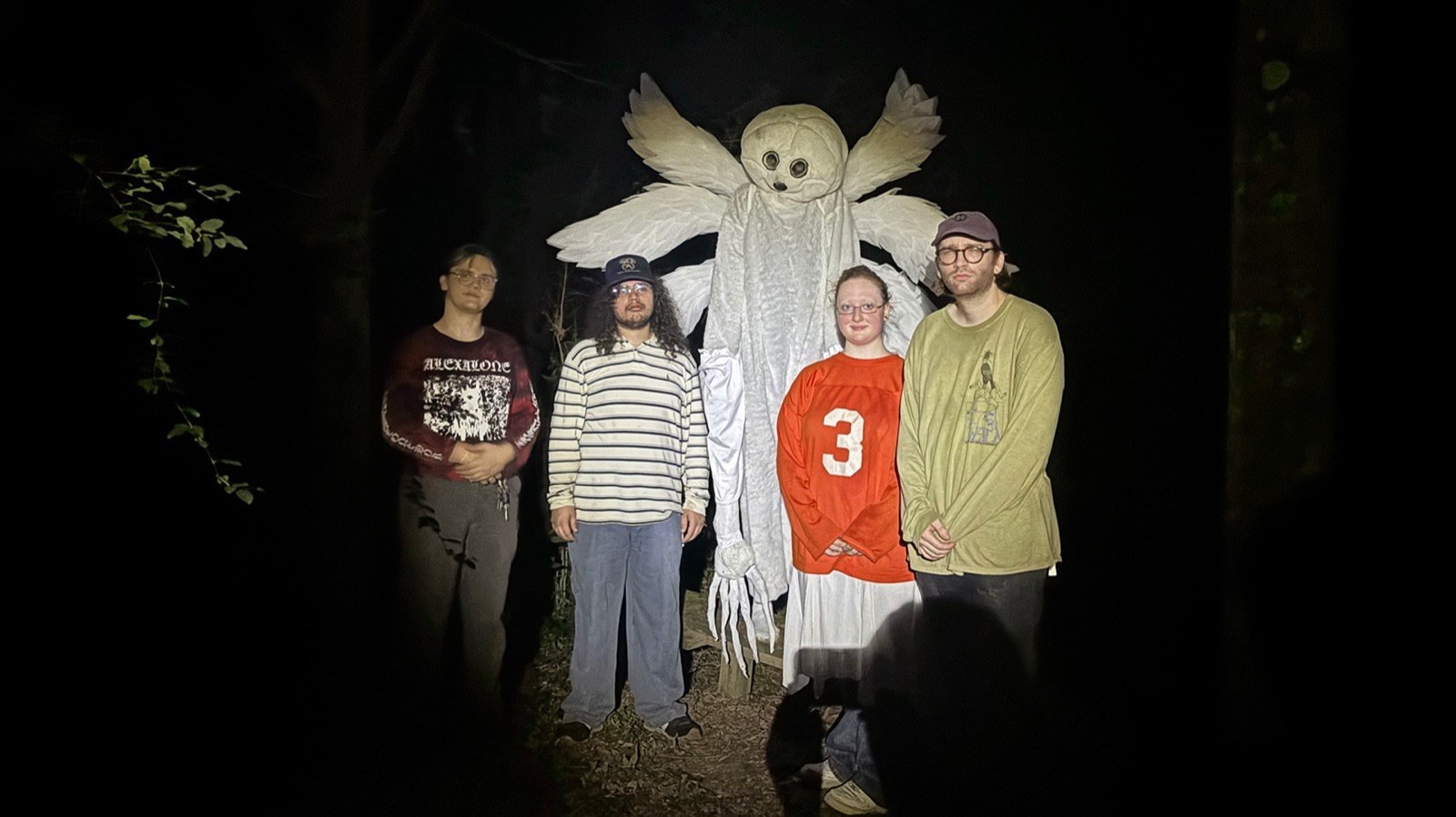
Though the Atlanta band Sword II has been traveling through the larger American underground rock circuit for a minute now—shoegaze heads might know them from "ana orint," their collaboration with They Are Gutting A Body Of Water—their newest album is a sprawling statement that breaks out of any stylistic containers and finds its own voice. On Electric Hour, the band’s sound is jangling and capacious, with a musical imagination that transcends many of the tropes that often define the contemporary shoegazing band. These are all good things, and Sword II is a good band; recently, we had a good conversation with the trio of Mari González, Certain Zuko, and Travis Arnold, which you can read—possibly as you listen to Electric Hour—below.
What is the most exciting thing to you about your new record?
Mari: I’m really excited about the harmonies and all of the drama. There is narrative storytelling which is something I've always been trying to do in songwriting. It feels like a true convergence of our styles and influences.
Certain: Track two, the last 30 seconds and track seven, the last 20 seconds. I’m really excited to hear criticism of it.
Travis: The fact that we were able to just finish it cohesively and can give our OG listeners some love with this new project. I'm excited that we finished it. We overcame so many hurdles of life and questioning. We figured out why it was important to still make art.
How did the recording process for this one differ from Spirit World Tour? Did that inform the actual music?
Mari: Spirit World Tour was a lot of having to stare at the computer splicing things and experimenting in a very internal way. Electric Hour was collaborative every step, we were passing guitars around, writing lyrics with and for each other, all three of us performing, producing and engineering pretty equally. It definitely changed our sound a lot. There was still a lot of splicing but the music wasn’t born from the splicing … We wanted to go for a more classic sound, starting most of the songs on this record with just guitars and melody and building from there.
Certain: SWT was written and recorded 100 percent on the computer over three and a half years and Electric Hour was only written 20 percent on the computer over one year.
Travis: To me they kind of have the same energy in the sense that we are experiencing a lot of the same things that we were experiencing while we were writing Between II Gardens up until Electric Hour. Like the same chapter, but maybe now we are at the end of it.
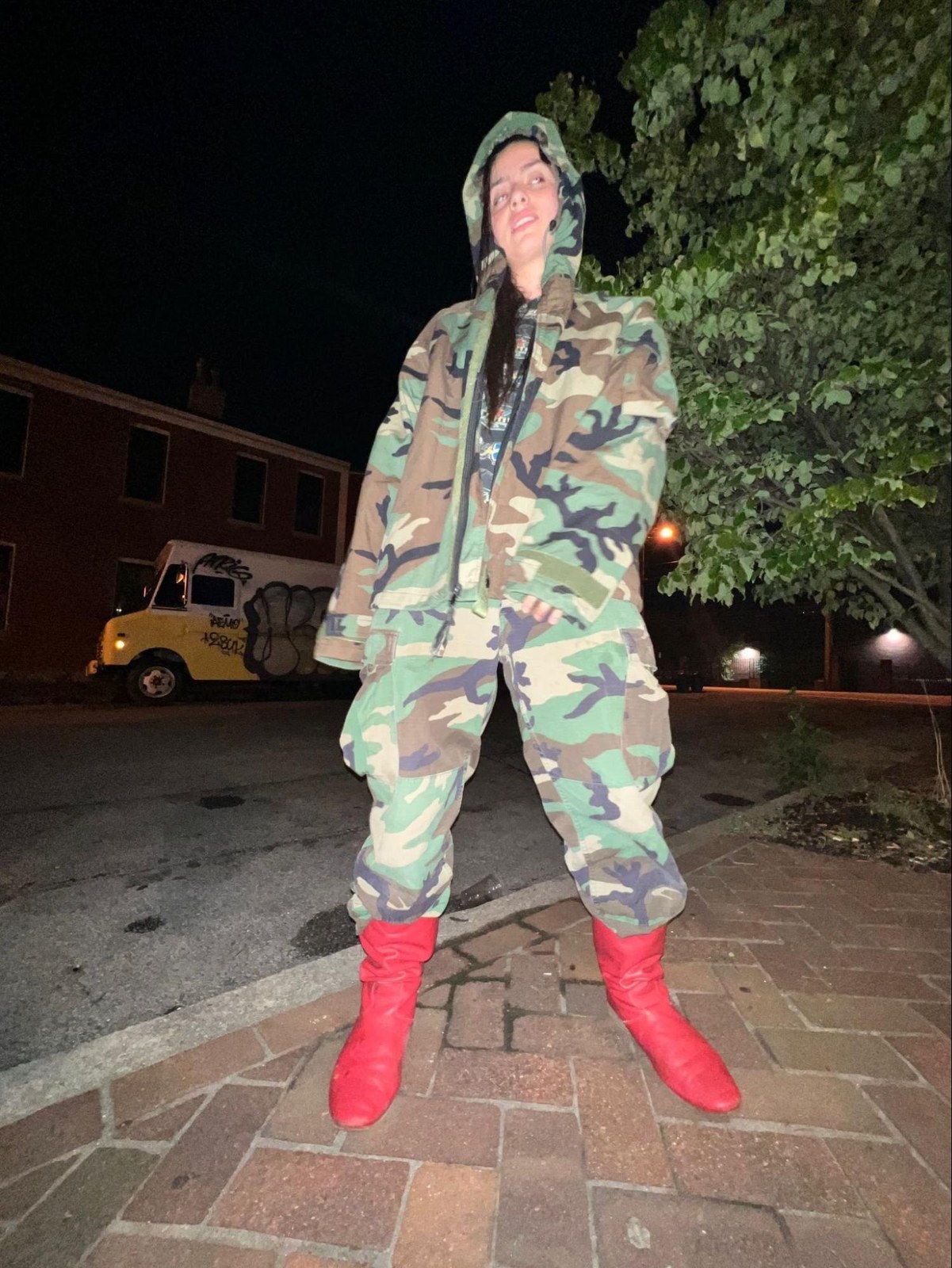
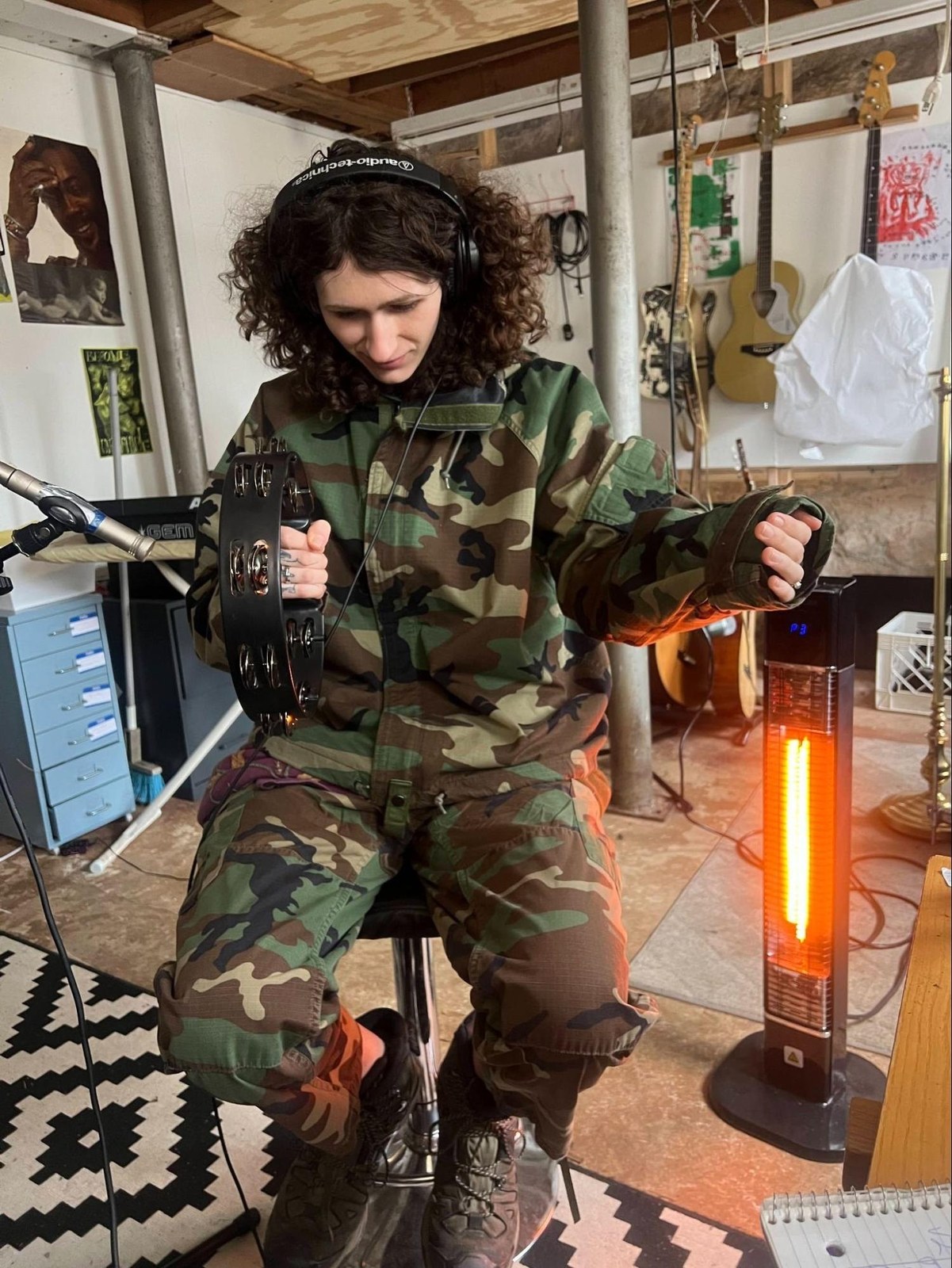
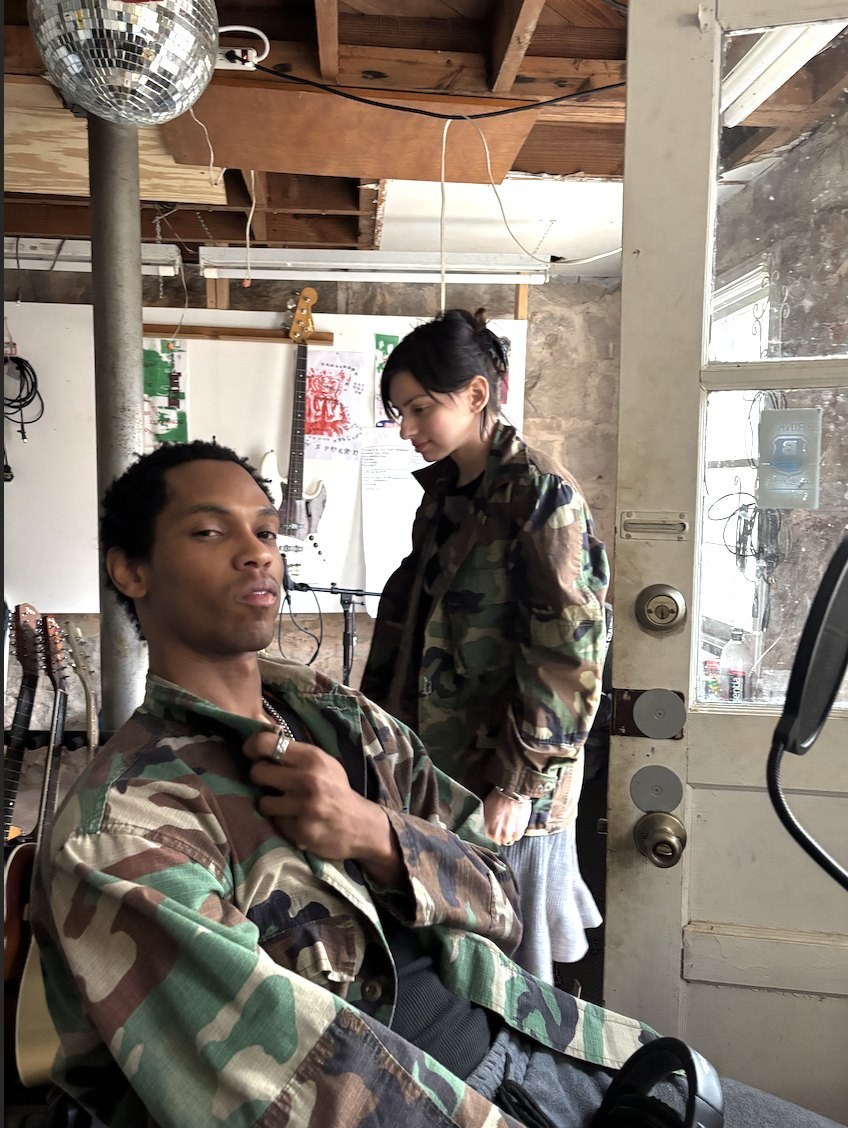
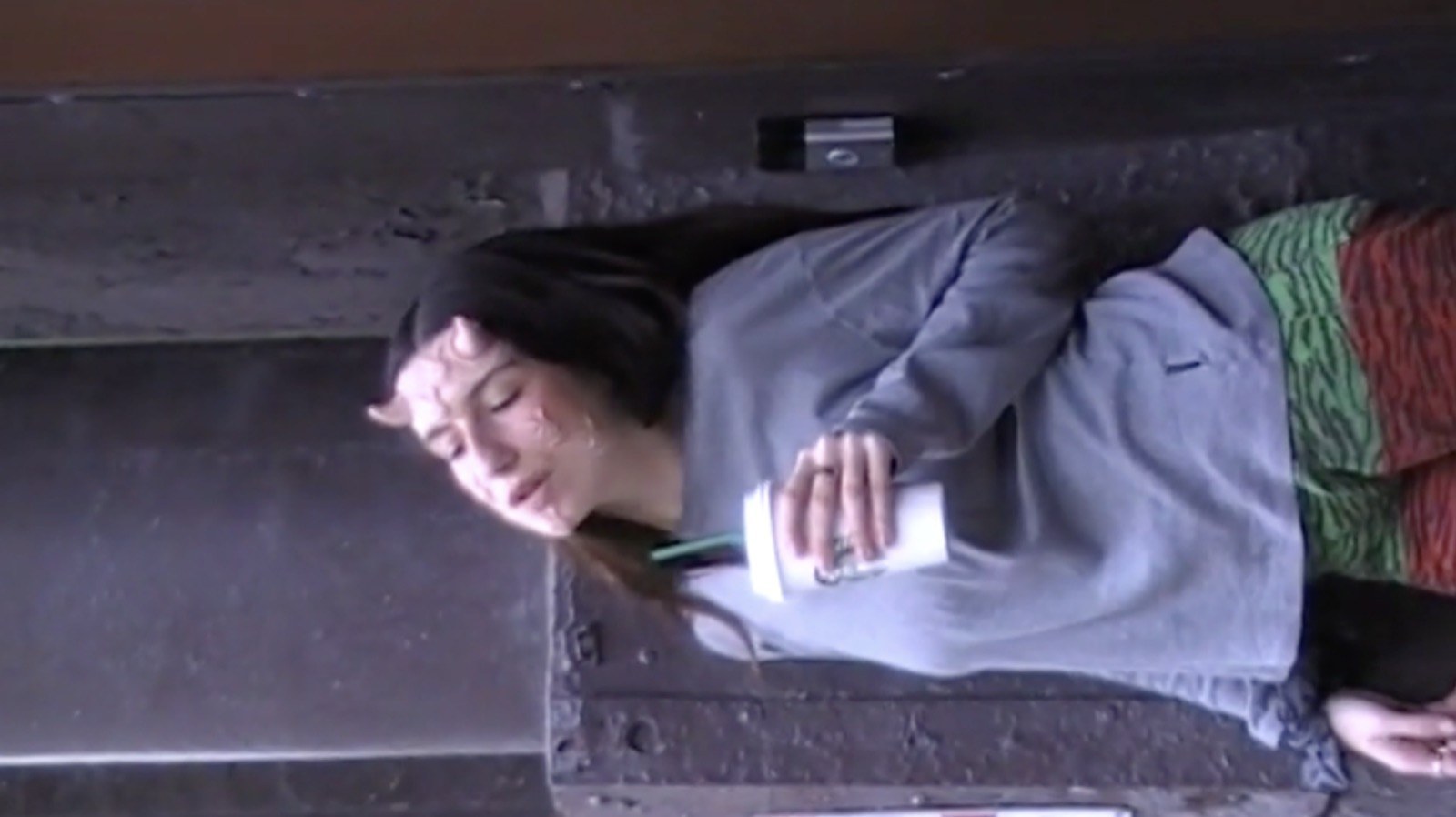
I heard at one point you were wearing full camouflage in the studio? Could you explain your thinking behind that move?
Mari: You see we had to wear camo because we were soldiers of the past and future. Our past selves were fighting our future selves who had already finished the album and, as we all know, the future prevails every time. But there is always more work to do …
Certain: Everyone wearing the same thing is a psychological tool that helps you get into the vibe. KISS wore the facepaint for themselves, not for the fans.
Travis: The camo was our uniform once we stepped into the stu.
What music were you listening to as you were working on the album?
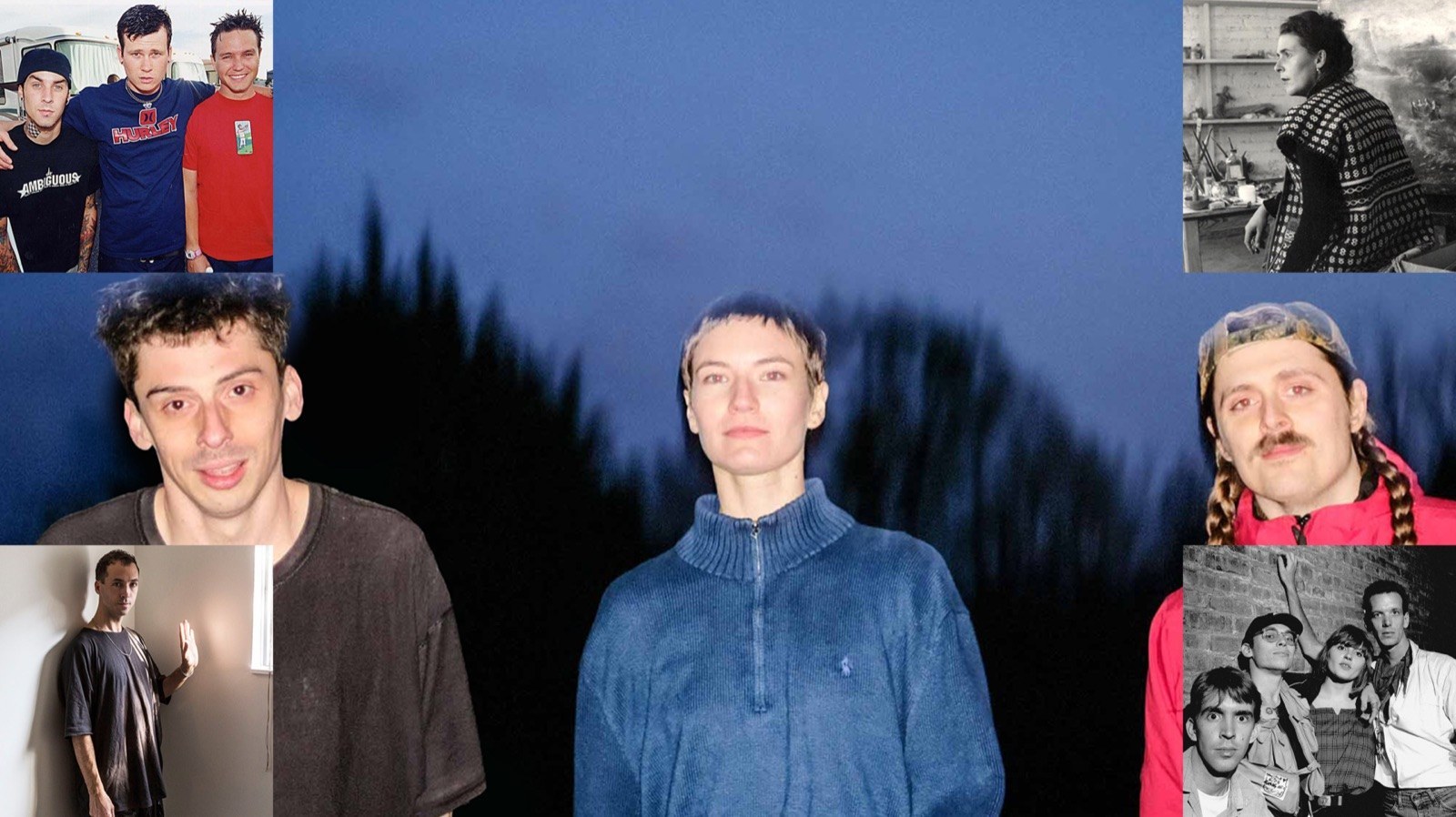
Mari: Sally Oldfield, Ziggy Stardust, Lucinda Williams, Joanna Newsom.
Certain: Sza, Crystal Gayle, Mutant Strain, Cindy Lee. Also Marjorie W.C. Sinclair every single day.
Travis: Radiohead, The Weeknd, Justin Bieber, Sonic Youth, Kiss Facility.
One of the tracks that stood out for me on Electric Hour is “Who’s Giving You Love.” The drums have an almost skate punk feel to them. How did that come about?
Mari:
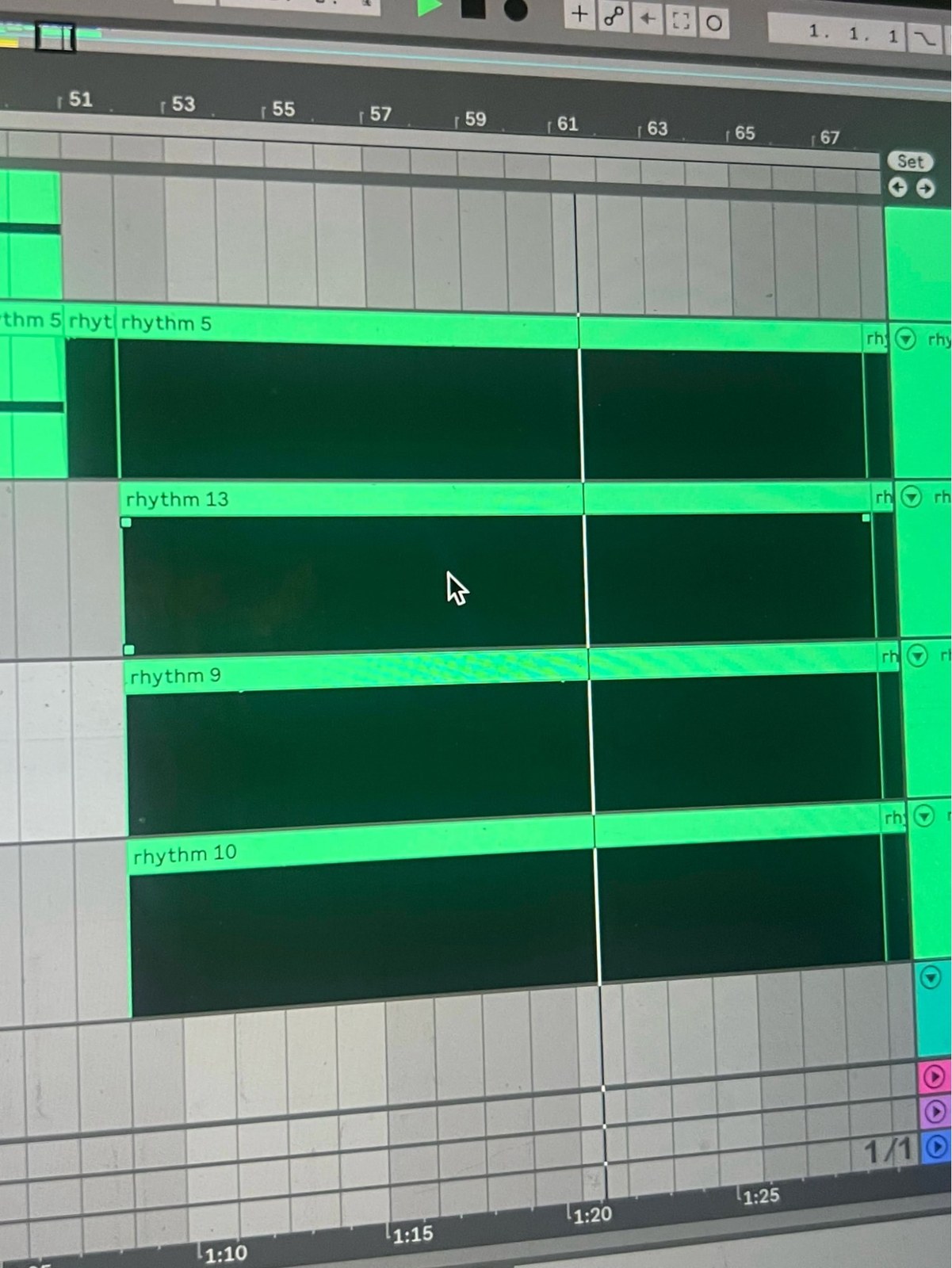
Certain: I wanted to make a song that was like The Smiths and REM but D-beat.
How have you seen Atlanta change over the past decade—both its music community and the city at large?
Mari: The city has changed so much. They are displacing generations of people to build cardboard luxury high rise developments and parking lots. This is obviously not new or exclusive to Atlanta, but the movement here to fight the building of a police training facility was really a huge catalyst for creative organizing and performance and guerilla shows. That style and commitment here to creating those spaces out of necessity under the canopies of forests has inevitably informed the music and subculture in really interesting ways that really are unique to this city’s landscape.
Certain: The DIY spaces were systematically dismantled by the city gov, police, and developers in order to line their pockets and erase countercultures. The mega-gentrification in ATL has nothing to do with underground artists and everything to do with developers courting tech money and extreme wealth from other parts of the country. The philosophy behind the disinvestment in art in public schools and the erasure of art spaces is the same: everyone should just work hard and not question anything. There have been a lot of really amazing innovations that responded to the attacks on independent media. These include illegal generator shows and raves.
Travis: We have been changing as much as the city has changed, but in a neighborhood that has up until now mostly stayed the same and not been part of any major development plans. Atlanta has gotten more aggressively oppressive and we have gotten more hardened against that oppression. Even when there are good things changing, like all the different people coming to the city making events and starting bands, we are still looking at Atlanta with this trauma and past history, and we have to try a lot harder to feel integrated with energy or drive to be integrated with that with all of this change.
Who are some of your favorite Atlanta bands right now? Atlanta rappers?
Mari: Decker D’Alesio and Frank Consent are both incredible musicians from Atlanta whose music and performances very much inspire me every single time. My favorite ATL rapper right now is Anycia <3.
Certain: I like this band Identity Shock. My favorite ATL rapper is Tony Shhnow.
Travis: I like the bands B.I.M.B.O.S, 2oo7.
Are you excited to take these new songs on the road? Describe the Sword II live experience.
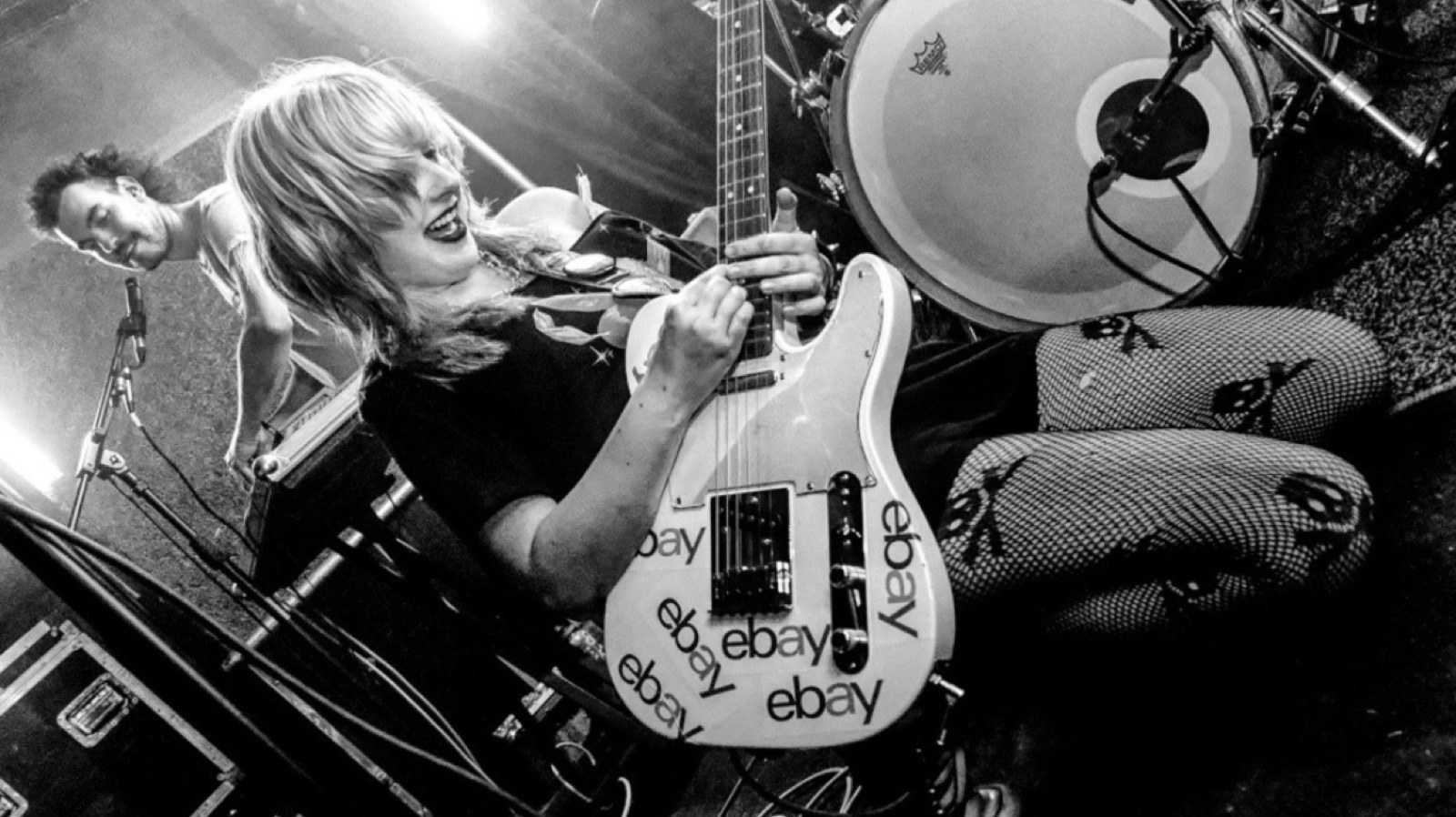
Mari: Each performance is a unique iteration of the set with different variables that define the expression of our work … the space we are in, the physical and mental state we are in, the placement of the amps, the sound engineer, tone and vocal warmth … whatever etc. I want to give in and play more with those little differences that occur each night and for each show to feel like a conversation and exchange with the audience and my bandmates <3.
Certain: Dropping music on the internet is so boring and anti-climactic, so I am really excited for the shows. If you’re in the crowd and it’s not loud enough, tell the sound guy to turn it up. Respectfully.
Travis: This album feels like a true genesis of something bigger and I am excited to take these songs on the road and share it with the fans and make the set really impactful.



.png)