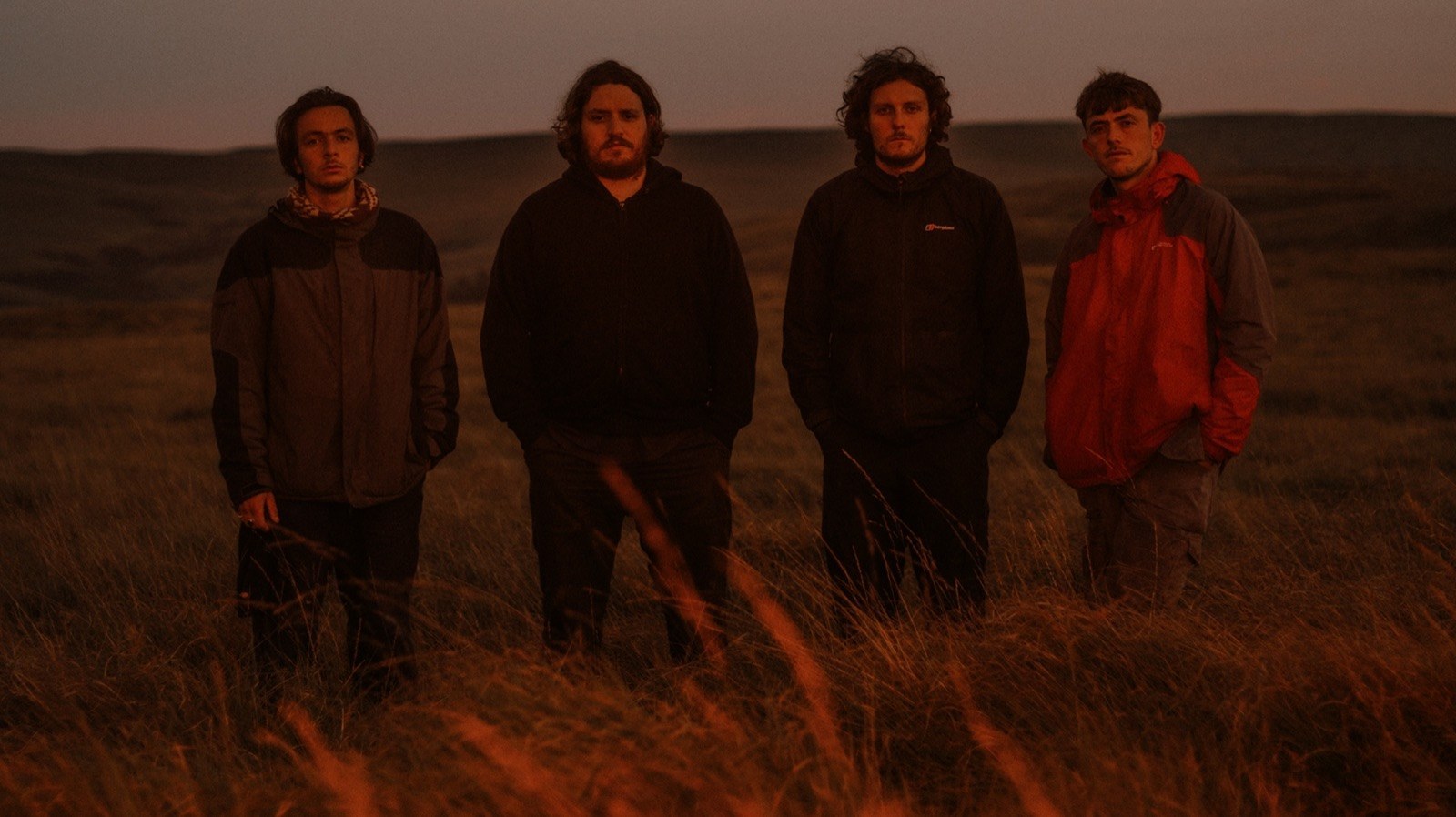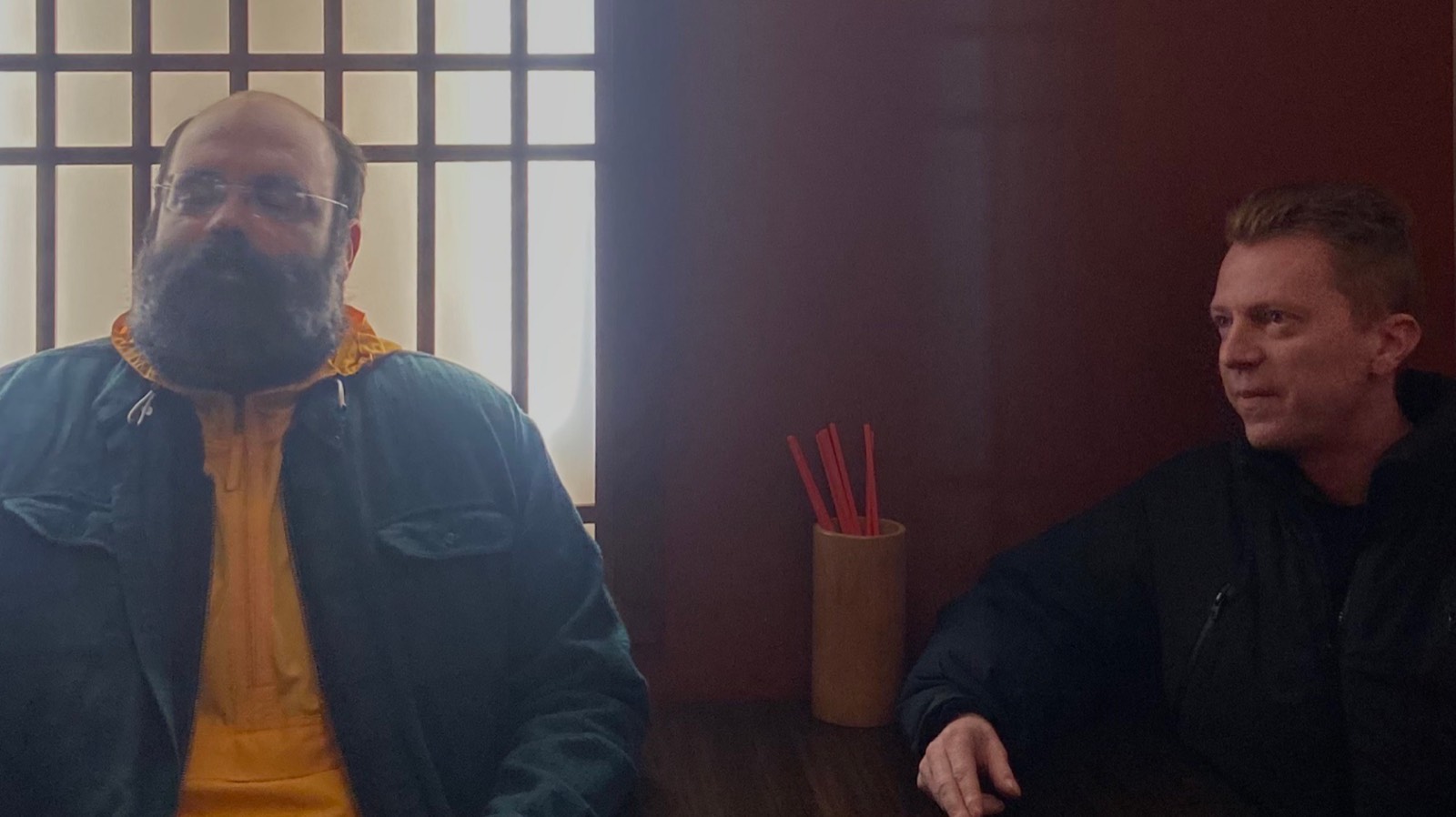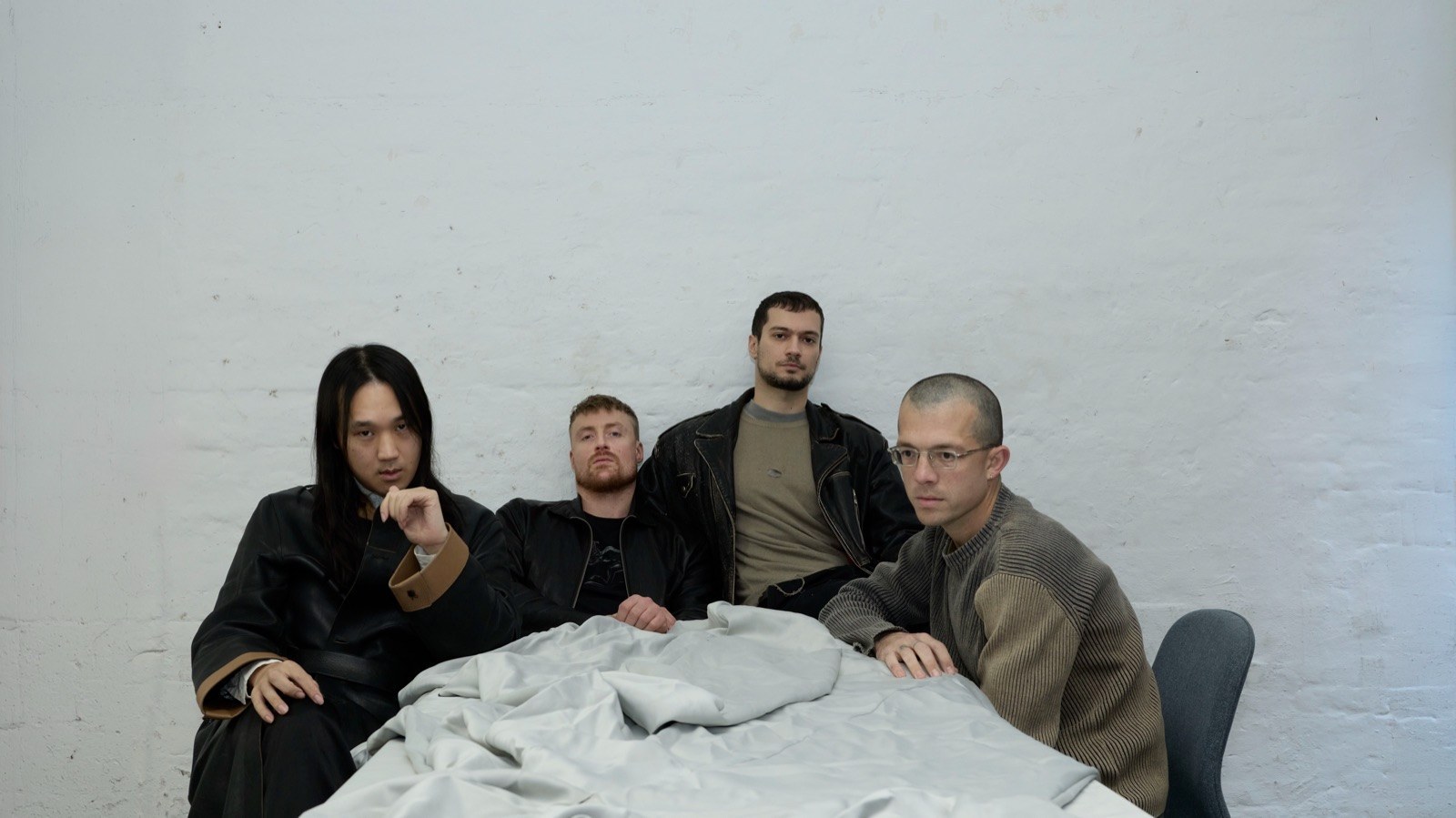

Though 33 was first conceived as a collaboration between the artists Billy Bultheel and Alexander Iezzi, it has since ballooned into a full band unit. Featuring the addition of CEM and Ivan Cheng, the group’s forthcoming release, Tripolar, is a dissonant and difficult-to-classify album. Using improvisation as a jumping-off point, Tripolar bobs and weaves around a variety of styles with a variety of collaborators—names include Astrid Sonne and Olan Monk—and is more the result of a madcap sense of play and possibility than any overarching conceptual or formal themes. The band will present their album live with a show at Berlin's Volksbühne on March 26th. Read our interview with 33, and listen to their new single "Worry Days" below.
How did 33 begin, and how has it developed since then?
33 started after a couple years of Billy and Alexander working collaboratively to create performances, which generally functioned as very complex concerts. They started making the first album together and slowly got other people involved. In touring the material and playing for audiences as a band, there were other emphases and strengths that emerged and a more solid formation appeared. Our intention was always to build a collaborative environment in which a variety of styles, skills and predilections could merge to form a unified music. We think it’s apparent in the differences between our first LP 33-69 and our new album Tripolar, that our attempts to find that unification have developed quite a lot from the more disjointed qualities of 33-69.
We’re curious to know about your songwriting process. Is there a way your songs usually start? Is there a lot of post-production involved?
On this record a lot of things started as improvisation, but then you spend time working on them further. The new album was formed from seven days of working in a studio, recording very long sessions of small ideas, which we later had to parse through. Then, we send things to friends, guests, and they send things back, which are worked on further. Lyrics and more defined song structures come later in the process. What is a “small” amount of post-production? I think we mostly consider it production.
Your list of collaborators is quite varied. How do you choose who you want to work with? How do their individual voices fit into the larger 33 sound?
Not sure that it’s particularly strategic or based on needing to push a “larger 33 sound.” It’s a band, we work together, talk together, and listen to things we like. Sometimes we hear a song and think, “maybe we should see if so-and-so wants to try putting their voice on this,” and then we work forward from there.
What is “New ADHD” about?
It’s a title for the song that came early in production and made sense to stick around. Sometimes songs have intentions besides their names or lyrical content. Alexander created a very early instrumental version for a video he made, and then it developed as a song by inviting Astrid.
Are there any conceptual themes that run throughout this body of work?
Not particularly. We called it Tripolar.
“A younger former emo now a restaurateur” is a pretty evocative lyric. Where did that come from?
This song, “babymusicc,” was written by Ivan after Alexander challenged him to create a homosexual version of the folk song “Twa Sisters” … You write and do what you know.
How does the CDJ get used in this project?
To generate sounds. It’s a really exciting drum machine if you want it to be.
What kind of music have you been listening to lately?
Wonderful things. Camila Cabello, Ethel Cain. We listened to Still House Plants a lot at band practices lately. Tori Kudo and Reiko Kudo. Quasthoff’s interpretation of Der Leiermann. Lana del Rey, Stina Nordenstam. Ikue Mori.
(Photo Credit: Joseph Kadow)