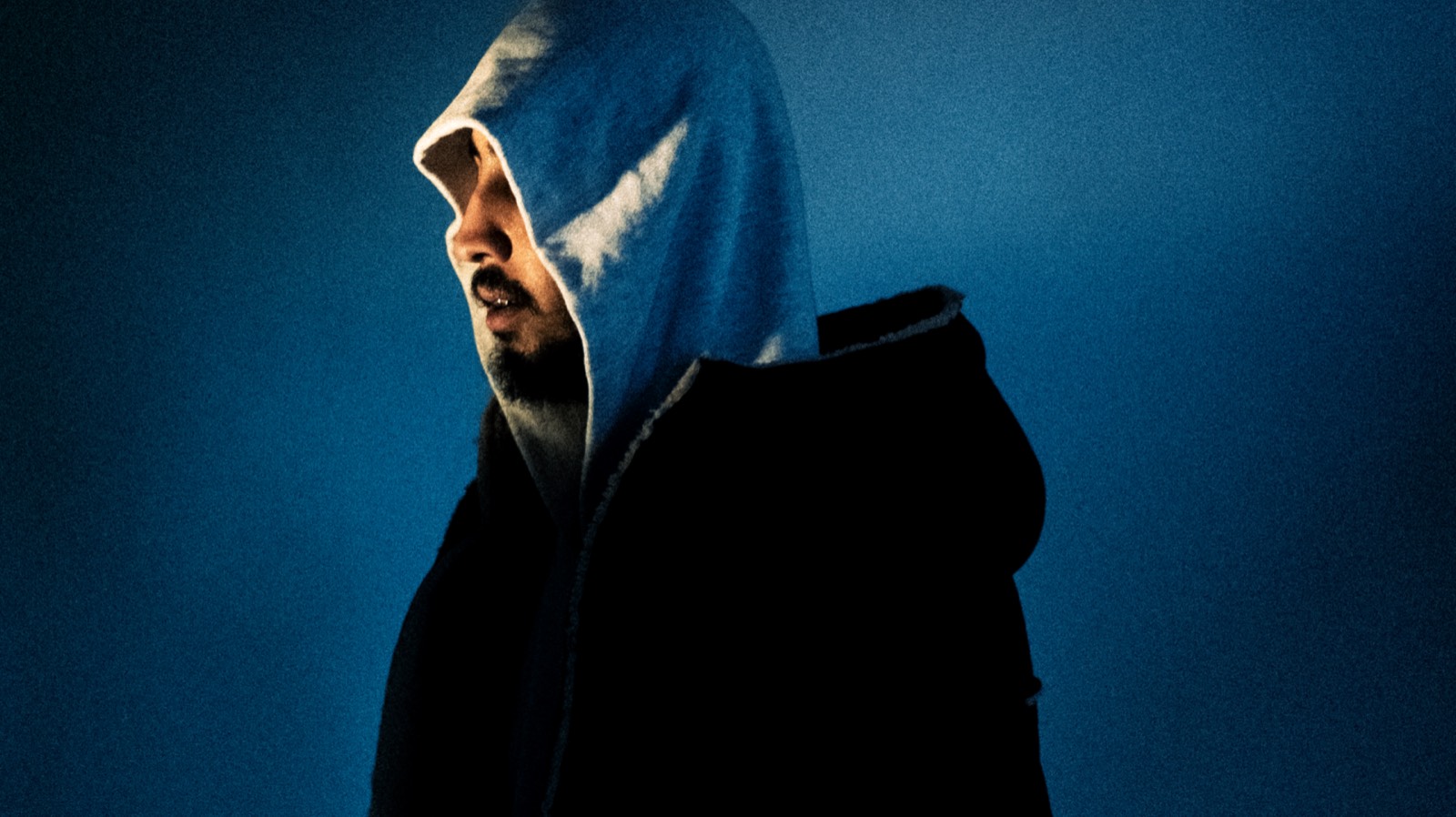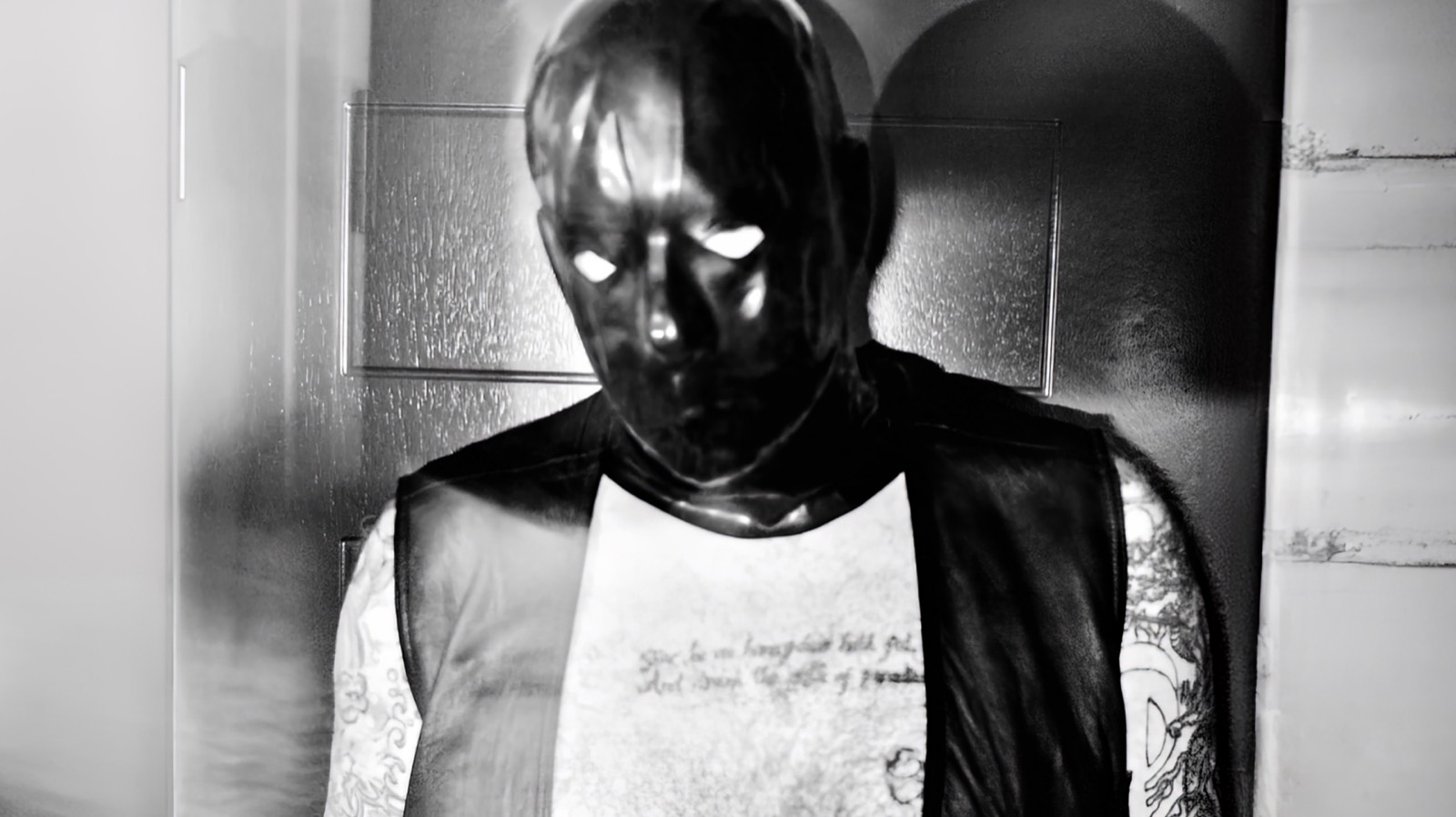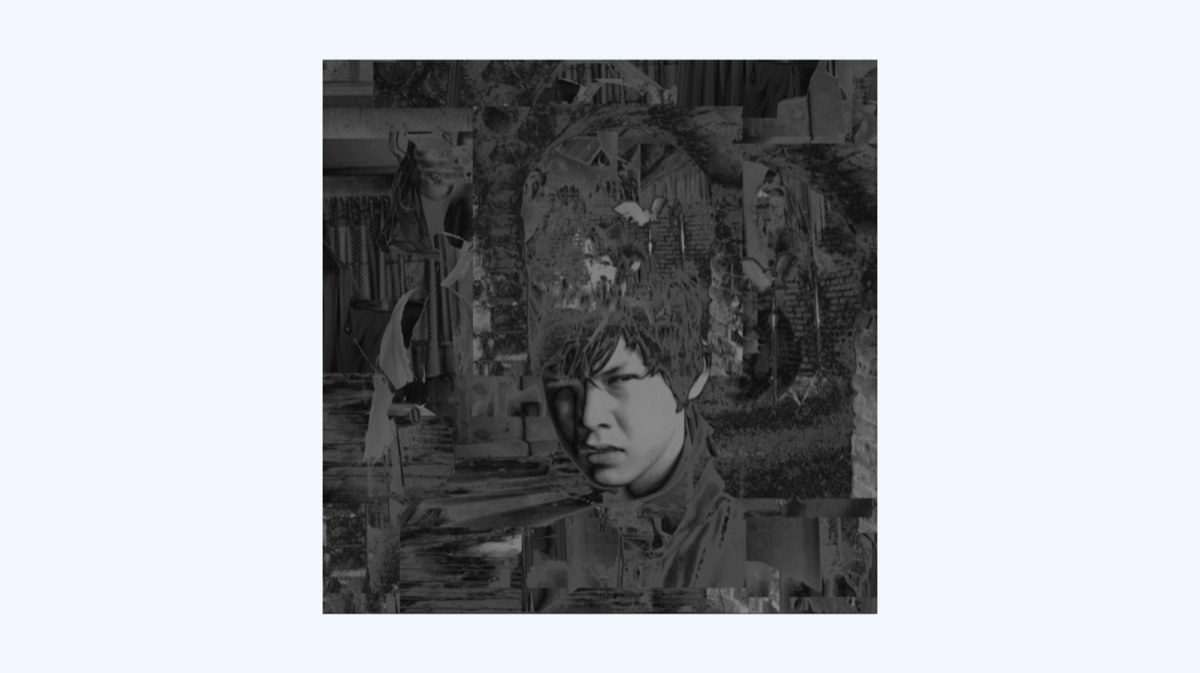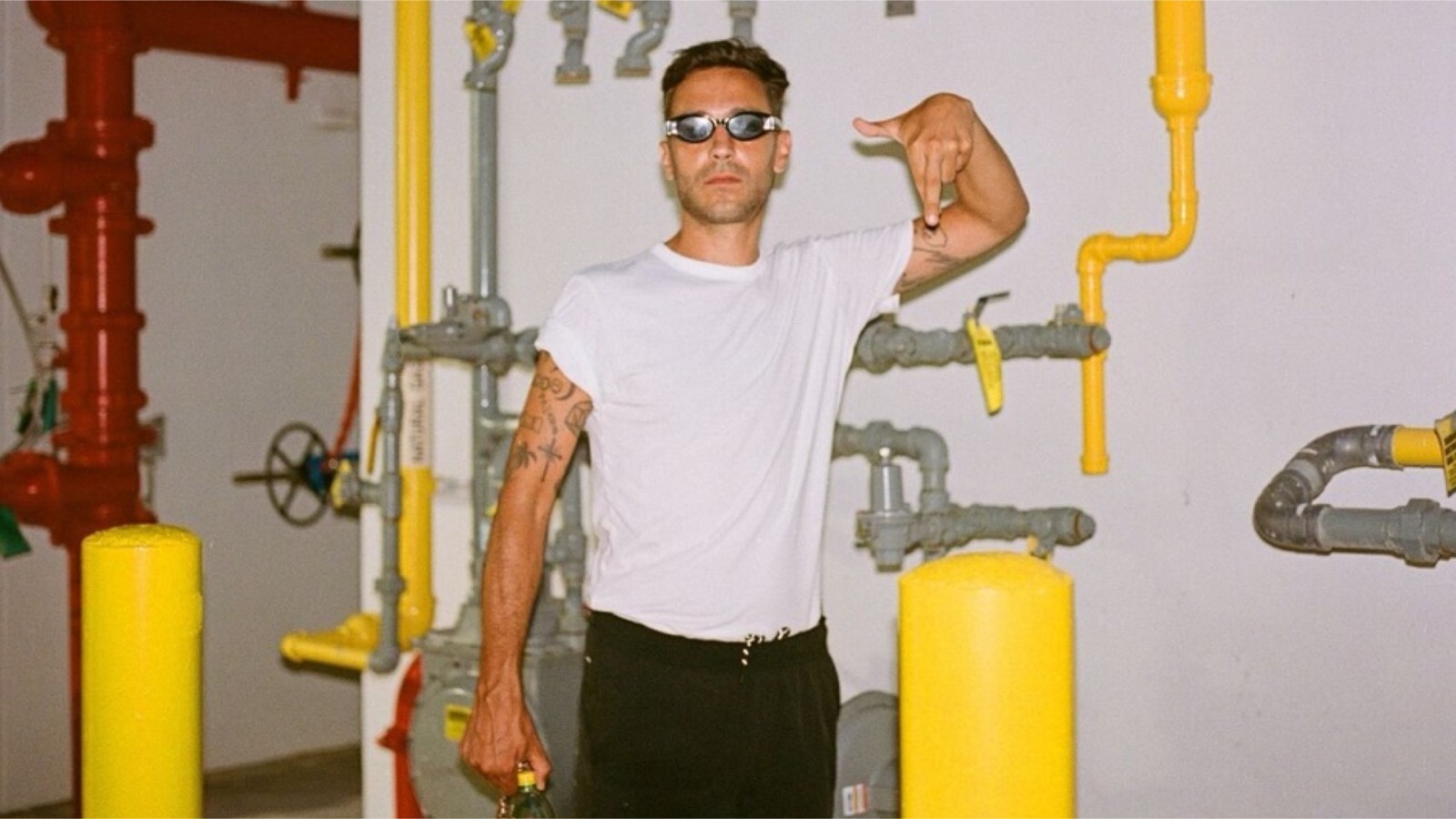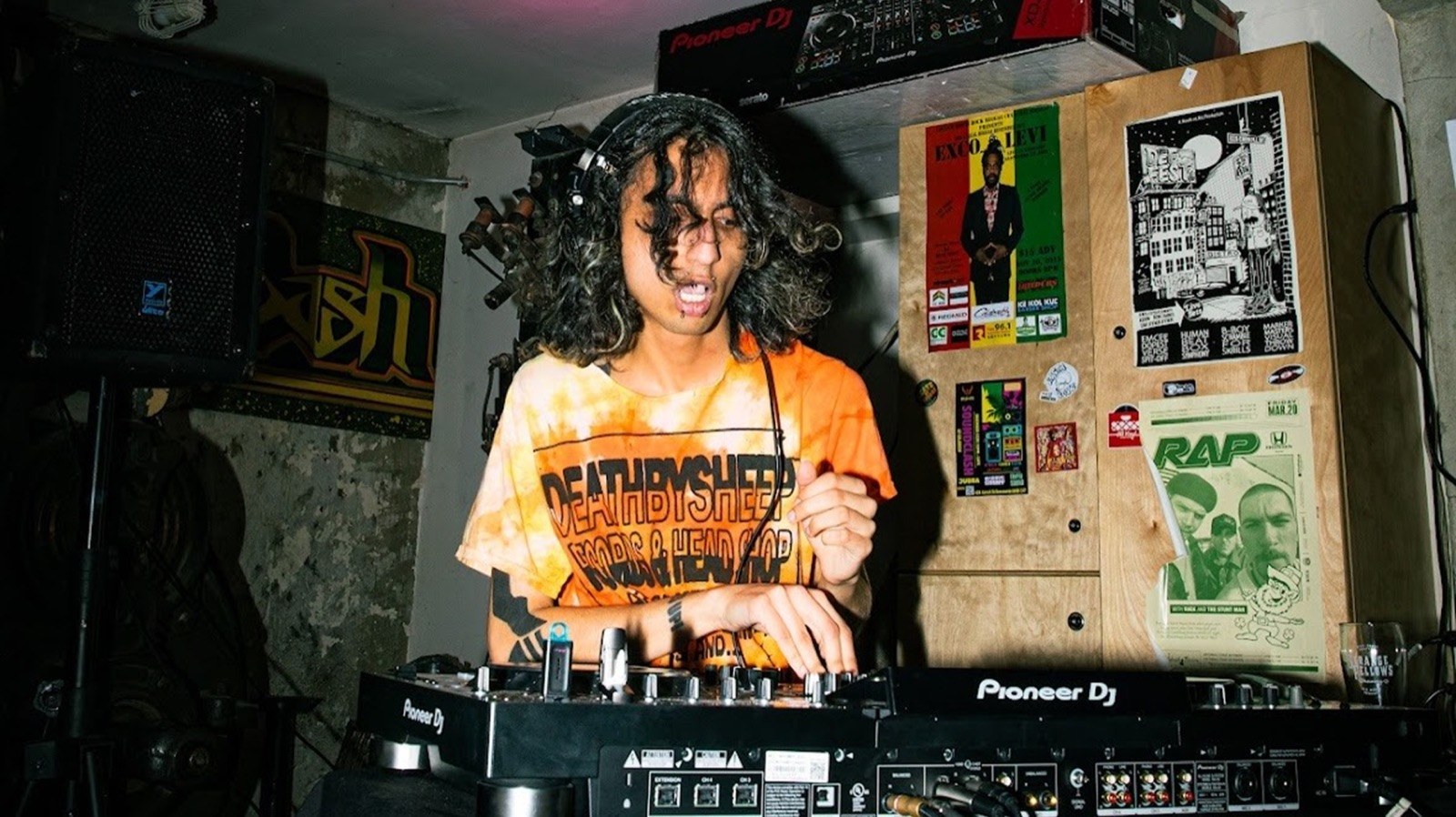

My first encounter with the music of the Jersey-raised, Brooklyn-based DJ and producer XXHARDBIT3S was in the fall of 2023 at a rave in the forest thrown by the New York crew Helltekk. The track I heard that night, “KEEP MY HEART OPEN!,” smashed up piano from the old-school anthem “Let Me Be Your Fantasy” by Baby D and added blown-out kick drums, rap mixtape drops, and the kind of gunshot samples that you might hear in a Jersey club tune. It captured the timeless spirit of rave, no doubt, but it also felt relevant to a new group of dancers who grew up inputting the chaotic flow of streaming audio.
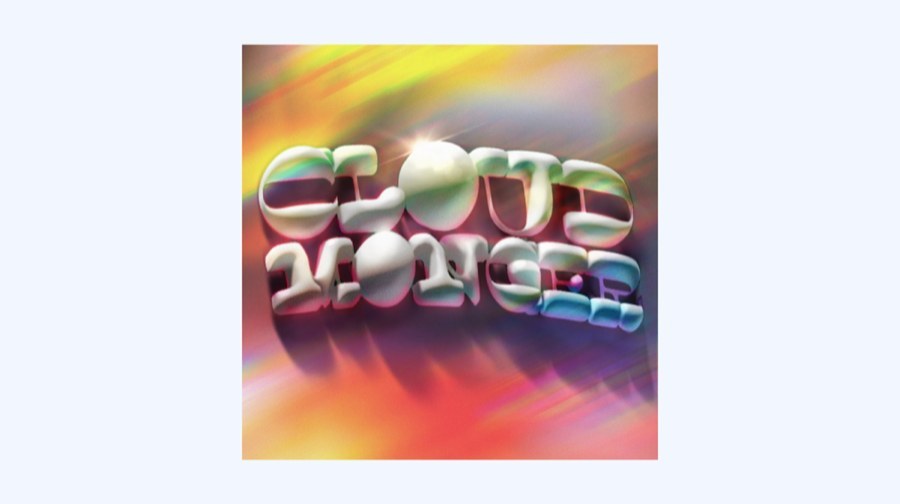
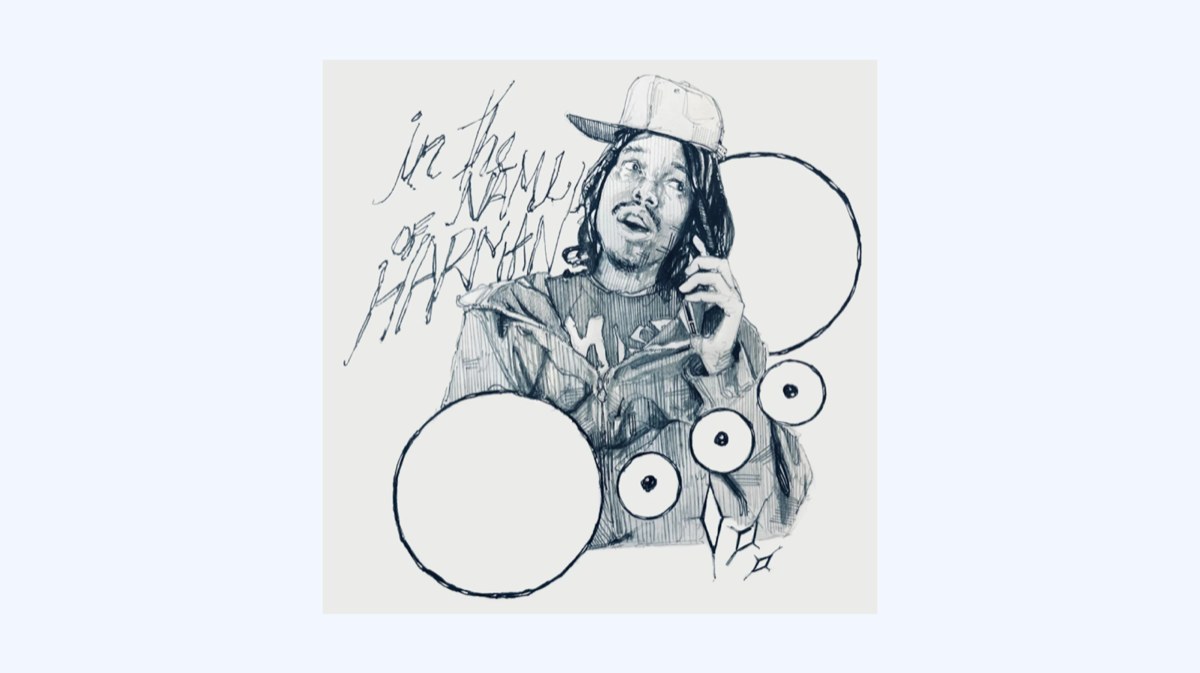
As it turns out, that tune was not a fluke. Since 2021, XXHARDBIT3S has been making hardcore dance music in a variety of styles, done with a reverence for rave history but also a desire to try something new. I recently sent some questions over to the producer and DJ. We got into everything from jungle to Jersey to the state of rave in 2026. Want to know more about the party XXHARDBIT3S throws at a coffee shop in Bushwick? Keep reading, and stream “NEW OPP // CALI-MAN [CERTIFIED NUKE CLASSICS VOL. 1]” below.
What was your first encounter with jungle music?
Jungle was the first genre of “classic” rave music I heard years ago—as corny as it sounds it was from the Peshay Studio Set on YouTube, like many other people. I had this little $50 compact DJ controller I was using to DJ lo-fi house in my room at the time, and immediately after hearing that mix, I downloaded the entire tracklist of the set and only DJ’d those exact songs for what must’ve been at least three weeks straight before I finally started looking at other mixes and digging more jungle.
Furthermore, the modern POC musical culture (rap/hip hop, funk, disco, R&B, soul music, and so many more things) has been reliant on the usage of breakbeats—they've been a staple of an entire timeline of music made for POC like me. It's music I’ve always engaged with. The point at which jungle was defining its sound (94-96/97, the “golden era” as it’s called) involves a combination of all of those sounds, with a faster BPM, higher energy approach, and the usage of new music technologies—all of which lead to this futuristic character. In that music, I saw a combination of all of the things that mattered to me in my identity: the sounds that form the center of art that’s made by POC like me and the futurism that I closely connect to and empathize with as a non-binary, agender, and transhumanist identifying person who focuses on robotic aesthetics. The addition of the high BPM, high energy characteristics of its sound just empowered me and motivated me unlike anything else.
Do you have a favorite way to start making a track?
Producing is such a whirlwind experience for me. Oftentimes, I will literally just get an impulse, like an itch, and I will just open the DAW and start. Usually it starts with me hearing one sound or one sample that gets stuck in my head and I just keep looping it over and over and over until it drives me insane, and it gives me the energy to just open the DAW and fuck shit
up. A lot of the time I will fully write out the arrangement of a song in one session, 5-6 hours of just me going insane on my computer and seeing what happens.
Your music has covered a lot of stylistic ground. Is there a genre you’ve never worked in but want to? What is your current favorite style to make tracks in?
A lot of the music I’ve been approaching involves fast, disjunctive pacing. More recently, I think as a result of influences from many of my talented homies around me, I find myself being attached to music that is more repetitive, and progressive. I think in the future I want to attempt to make music that is more within that field, genres like hard tekno and hybrid/technoid DnB. I have an urge to bring the same psychotic chaos I bring to my current trax to genres that require a bit more restraint, patience, and subtly.
Currently, my mainstay obsession in production as always is trying to carve out the “OPPCORE” sound I’ve focused on for years—hardcore rave music that is, on a fundamental level, akin to the real sound of Jersey club, and battle club, a sound fully formed by the many talented kids of New Jersey and Philly. I’ve been obsessively “practicing” making Jersey club, and very slowly working on some intensive multi-genre tracks for an upcoming project.
What influence does growing up in Jersey have on your music?
It’s everything! Genuinely fucking everything. I think in a way, the kinda half-suburbs/half-city landscape of Jersey contributes a lot to my experience. Times where I found myself in all white rooms as the only brown kid and times where I was shown that I wasn’t the only one. Places where I was getting called a terrorist for being Indian, meanwhile 30 minutes down the
highway I was in little India surrounded by communities of people just like me. There is a very specific experience that comes from the interpersonal relationships you form in a place like that. I think a lot of my current approach to music, this brute-force and violent need to express myself and kinda shove my feelings down people’s throats, started with a lot of my experiences there.
As a kid who was too young to convince my parents to drive me out to the Mad Decent and Brick Bandits and whatever other block parties was going on in the 2010s, I’ve always had a nerdy obsession with the music culture of Jersey, just being on my computer watching all the videos. In my later years, I worked filming music videos and dance videos for rappers and Jersey club dancers. I’ve always had a tight tether to the music, even though I grew up in a wooded and isolated suburb in central Jersey (which is a real place, I’m not taking any debates haha).
Jersey club to me is a collective culmination of everything I love in music: a legacy and a culture constantly established and celebrated through dances and everyone using the same samples, fusions of rap and club music, and there is an unstoppable force of evolution in the genre based on new kids constantly finding the shit accessible through their communities. Even in its current state as one of the most popular genres of club music in the country, it is a demonstration of the true force of music that stands as a testament to an underground community.
Tell us about United Jump Front.
United Jump Front is one of two labels that I run (the other being #UPSZN!, a jungle and hardcore label). UJF is a label started by myself and JESS XO in 2023 that brings a militant force in pushing the genres of jumpstyle and hard house music. Since 2023, we’ve amassed an insane crew of producers and DJs, our “Jump Soldiers,” who take aim at making and spinning tunes of the often forgotten bouncy-rave genres of the late 90s and 2000s, and we push to put people onto not just the music, but also the dances associated with the culture. All in all, a push to pay respects and innovate upon some of the coolest music of the former underground rave sound.
You do a Sunday afternoon party at a coffee shop. What’s the vibe like?
“Wake N’ Bake” is my true favorite thing I do. Once a month on Sundays almost every month for the last two-plus years, I take over Caffeine Underground (the best coffee shop in NYC, hands down, shoutout Ian!), and invite a guest alongside me to spin some tunes. The vibe is something so special and dear to my heart. This is not a rave! We smoke, we chill, we play an insanely competitive round of Jenga or two, it’s free and it’s open to the masses! The music is not the focus, I wanted to find a way to more directly connect heads together, the music is just a common ground. It feels like a book club! The sound in itself has become something very special, each guest I have had brings a COMPLETELY different sound compared to what they play at the rave. You get to see a type of DJing that you would not see anywhere else from people you see all the time, and it’s just a really emotional experience in that way.
Who are some of your favorite NYC DJs right now and why?
Spiritus Crew (Deephealer, Spine, Perfect Circle): Call me uninformed if you want, but honestly, I think in the realm of techno in NYC, it’s really hard to break out of the box and do something different just on the basis of how over-saturated it is. Spiritus really does something unique, a crunchy, dissonant, and volatile demonstration of the flexibility of techno in its many forms, with a powerful curation of tracks 100% on wax only.
Helltekk (Dakota Velasquez, Fortified Structures, FUCKTHEPSYCHS): I mean, come on, it would be stupid of me to not shout it again and again. I’ve DJ’d alongside Helltekk from the moment I stepped foot into a venue. They are an embodiment of what it means to be underground. Dakota and F.S have both set their own sounds in the realm of free tekno and jungle/breakbeat, both rinsing both genres with completely unique approaches and IDs I’m sure no other DJ is gonna find unless they’re taking pictures of the decks while these two are spinning. I will never be told otherwise: there is no better hardcore DJ in the underground of NYC than FUCKTHEPSYCHS. Not one, 100% Gabber and hardcore, homie can play tracks from any era of the genre, and cut like a fucking demon. These three continue to show you that they will push the true undergound of NYC by any means necessary, and nobody gets in the way.
Pfil Zone, BBBitcrusher, Alien Baltan: Newer introductions into the rave scene within the last year or two, Pfil Zone and BBBitcrusher are proof of the newly developed sound that can be directly tethered to NYCs current rave scene. Pfil Zone delivers deep, heady, unique selections of free tekno and tribe, exclusively on vinyl. BBBitcrusher delivers mind-altering fusions of
darker breakcore, jungle, acid, and tekno sounds. Alien Baltan being the singlehanded force of US newstyle on the East Coast. All three of ‘em started out as heads coming to the raves, growing into some insane force on the decks. It’s a big inspiration.
Ki Hole (L4RV4 and Selene): Aside from being constant and active members within the community on all ends, L4RV4 and Selene’s selections as DJs incorporate several influences from the “club” and the “rave” in a dynamic execution of the current NYC sound. I’ve seen both of them cut through deconstructed club, dub techno, raptor/hard house, and get all the way into 180-200 BPM hardcore and tekno by the end of the same hour-long set.
What was the state of the American underground rave scene in 2025? Where do you see it going in 2026?
I think right now the rave scene is in the beginning of a transitionary stage. A lot of the DIY crews you see around the country that started out at the beginning of the post-Covid era have grown into some HUGE positions. There is an avid demand for the rave to keep going, however, institutional/economic circumstances prove to be a pretty big challenge: More and more venues continue to phase out 18+ and all ages shows, drive higher fees and ticket prices, and make it harder for there to be shows that everyone can access and afford to come to. As a result, it becomes more of a risk for organizers and promoters from a cost perspective as well.
I’m kinda seeing the rave scene enter this place where the new heads are scared to take the risk of running shows because of these circumstances, and seasoned show runners are starting to feel the pressure to uphold what they’ve built and to be able to afford it continuing, and so there’s this growing consistency that is driven by a fear to take that risk. A lot of crews are booking the same people over and over because they know those people are committed to the game regardless of its scale, or being pushed into smaller venues to avoid large costs.
In NYC there is a major decline in the fight to maintain DIY spaces, leading to more of these “free nights” where DJs and performers basically go unpaid, venues make all the money. In places like LA, you basically can’t get an indoor space without paying several thousands of dollars, needing to provide your own staffing, security, speakers, etc.—and even then it can still
get shut down by police at any moment’s notice. Even if you’re trying to throw a free party, there’s still a lot of moving parts, and cost-heavy resources, and you need a crew.
Shows become very insular and redundant because there’s not enough resources for people to be willing to take the risk to do something bigger, and rely on things they have found to be consistent instead. I think in a lot of ways this becomes a major problem because of the current state of a DJ or performer as a face and a personality beyond music—people want to see a face all the time, but then when it’s the same face over and over, and there’s nothing new alongside that, they don’t care anymore.
I’m going to speak hopefully in regards to the future, and say that I think there will be a point where these circumstances create so much pressure on the vitality of the underground that there will be a big change in the nature of the game altogether: Shows focused on speakers, not on who’s playing behind them, shows where everyone knows they gotta be there, and either put in work or pay the bread to come inside. Pushing kids who got tracks or mix recordings stuck in demo hell to finally start dropping shit, so other people will start trying too, and we know who is really here to contribute. In a way, it’ll kinda be like we gotta start over from how it was before with a real involved DIY effort, but maintain the same scale that everything has grown into.
There are so many different pieces of America that constantly work to destabilize communities like that of the underground rave, yet it has never died, never. That’s because there were always people so committed to help lifting some speakers or playing some shows for the love of the game, not always a check, it can’t just be about one person’s show or one person’s song doing well, but making sure there’s enough vitality to where everyone can continue to contribute, access, and show/receive love from the culture.
Photo Credit: Turner West