published on
 The point of departure for this work lies in the tradition of word-games such as tongue-twisters, battologisms, spoonerisms and shibboleths.The structure follows a geographical area journeying from the Italian peninsula; north through Germany; south to the Iberian peninsula and west to Ireland. On first encounter, these word-games have little meaning and indeed many of the ones included are a collection of nonsense words and merely exist because of the sheer pleasure in their articulation, as in the Catalan “tica-xica-mica”. Others contain words that are meaningful in themselves but become nonsensical because of their context, such as the Basque “Olagarroaren erro errea larra errean gora” which roughly translates as , “The cooked tentacle of the octopus on top of the burnt meadow”. However, many contain a rich provenance of times gone-by such as the genealogy of the important Clan Maclean (in Scottish Gaelic). Included among the more didactic tanglers are some sensible domestic economics from Lombardy, house building lore from Brittany and a lesson in tolerance in Irish. We meet a host of colourful characters such as Sasà from Sicily with her dubious sleeping patterns, while in Germany, the earthy Doffel brothers display their fraternal affection by carrying each other through the village dirt.
There were casualties along the way as I could not include every language and dialect in this topographical region. Notably representations of languages that did not meet the final version include Jersey (“Mes moûques à myi m'êmoûquent un mio” . “My bees wake me up a bit”), Manx ( where they are known as “Cass-ockle” , literally, teeth-breakers), Aragonese ( “Baxa t'abaxo lo faxo xuto de buxo y traye lo trallo tallau y trestallau”. Bring down the dry bunch of box and fetch the tree trunk cut and split) and Welsh (“Mae Llewellyn y llyfrgellydd o Lanelli wedi llyfu llawer o lyfaint.” “Llewellyn, the librarian from Llanelli, licked many toads”). Apart from the title neither Theophilus Thistle or Miss Muffett make an appearance in the score. Reluctantly I also left out a host of their sibilant siblings who spent much time sitting and shining, or on sea-shores, selling sea-shells. I restricted myself to only one rather Poe-esque English twister which seemed atypical of the genre but I couldn’t resist its gothic feel. More typical were alliterative names with equally alliterative if obscure occupations such as Peter Piper who picked pecks of pickled peppers, Bitty Batter who bought bits of better butter to make bitter batter better, and Oliver Oglethorpe who for no apparent reason ogled owls and oysters . Theophilus Thistle himself was a successful thistle sifter
Theophilus Thistle, the successful thistle-sifter,
While sifting a sieve-full of unsifted thistles,
Thrust three thousand thistles through the thick of his thumb.
Now if Theophilus Thistle, while sifting a sieve-full of unsifted thistles,
Thrust three thousand thistles through the thick of his thumb,
See that thou, while sifting a sieve-full of unsifted thistles,
Thrust not three thousand thistles through the thick of thy thumb.
Success to the successful thistle-sifter!
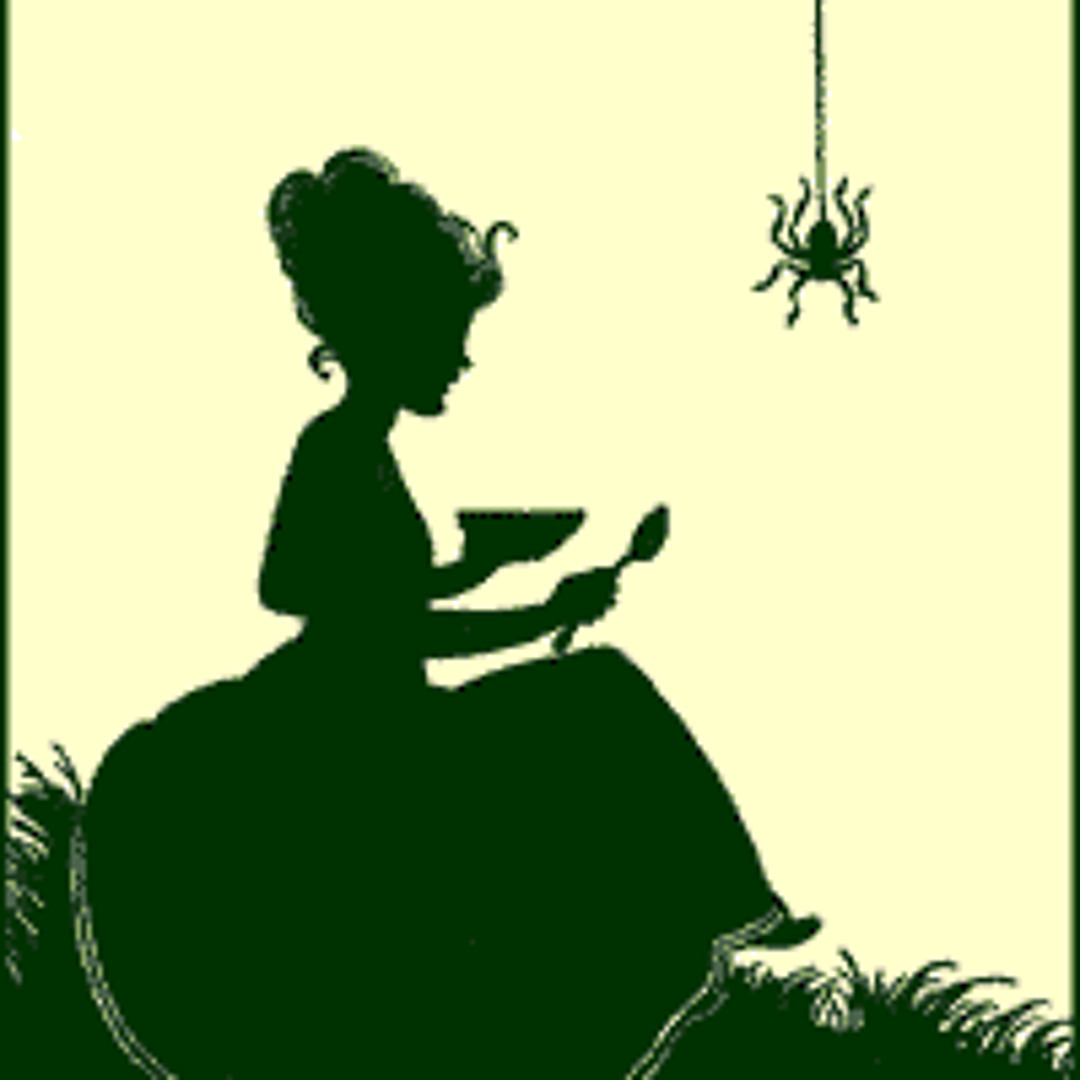
The short tongue twister “The Myth of Miss Muffett” is derived from the nursery rhyme Little Miss Muffet. It is speculated that the young arachnophobe was the daughter of Thomas Muffet (1553-1604), an entomologist who wrote the first scientific catalogue of British native insects.
The work ends appropriately enough with a blessing from a nomadic tribe, the Irish travelling community ; “Stafa tapa hu” . Long life to you.
The point of departure for this work lies in the tradition of word-games such as tongue-twisters, battologisms, spoonerisms and shibboleths.The structure follows a geographical area journeying from the Italian peninsula; north through Germany; south to the Iberian peninsula and west to Ireland. On first encounter, these word-games have little meaning and indeed many of the ones included are a collection of nonsense words and merely exist because of the sheer pleasure in their articulation, as in the Catalan “tica-xica-mica”. Others contain words that are meaningful in themselves but become nonsensical because of their context, such as the Basque “Olagarroaren erro errea larra errean gora” which roughly translates as , “The cooked tentacle of the octopus on top of the burnt meadow”. However, many contain a rich provenance of times gone-by such as the genealogy of the important Clan Maclean (in Scottish Gaelic). Included among the more didactic tanglers are some sensible domestic economics from Lombardy, house building lore from Brittany and a lesson in tolerance in Irish. We meet a host of colourful characters such as Sasà from Sicily with her dubious sleeping patterns, while in Germany, the earthy Doffel brothers display their fraternal affection by carrying each other through the village dirt.
There were casualties along the way as I could not include every language and dialect in this topographical region. Notably representations of languages that did not meet the final version include Jersey (“Mes moûques à myi m'êmoûquent un mio” . “My bees wake me up a bit”), Manx ( where they are known as “Cass-ockle” , literally, teeth-breakers), Aragonese ( “Baxa t'abaxo lo faxo xuto de buxo y traye lo trallo tallau y trestallau”. Bring down the dry bunch of box and fetch the tree trunk cut and split) and Welsh (“Mae Llewellyn y llyfrgellydd o Lanelli wedi llyfu llawer o lyfaint.” “Llewellyn, the librarian from Llanelli, licked many toads”). Apart from the title neither Theophilus Thistle or Miss Muffett make an appearance in the score. Reluctantly I also left out a host of their sibilant siblings who spent much time sitting and shining, or on sea-shores, selling sea-shells. I restricted myself to only one rather Poe-esque English twister which seemed atypical of the genre but I couldn’t resist its gothic feel. More typical were alliterative names with equally alliterative if obscure occupations such as Peter Piper who picked pecks of pickled peppers, Bitty Batter who bought bits of better butter to make bitter batter better, and Oliver Oglethorpe who for no apparent reason ogled owls and oysters . Theophilus Thistle himself was a successful thistle sifter
Theophilus Thistle, the successful thistle-sifter,
While sifting a sieve-full of unsifted thistles,
Thrust three thousand thistles through the thick of his thumb.
Now if Theophilus Thistle, while sifting a sieve-full of unsifted thistles,
Thrust three thousand thistles through the thick of his thumb,
See that thou, while sifting a sieve-full of unsifted thistles,
Thrust not three thousand thistles through the thick of thy thumb.
Success to the successful thistle-sifter!
The short tongue twister “The Myth of Miss Muffett” is derived from the nursery rhyme Little Miss Muffet. It is speculated that the young arachnophobe was the daughter of Thomas Muffet (1553-1604), an entomologist who wrote the first scientific catalogue of British native insects.
The work ends appropriately enough with a blessing from a nomadic tribe, the Irish travelling community ; “Stafa tapa hu” . Long life to you.
- Genre
- choral